If you’re diving into aluminum welding, you’ve probably realized it’s a bit of a different beast compared to welding steel or other metals. I’ve been welding for years, and aluminum has always been one of those materials that demands respect and precision.
One of the biggest questions I get from folks just starting out—or even seasoned welders trying aluminum for the first time—is, “What type of shielding gas should I use for aluminum welding?” It’s a great question, and the answer can make or break your weld.
Let’s sit down together and walk through everything you need to know about shielding gases for aluminum welding. I’ll share my experiences, break it down simply, and give you the tools to make your welds clean, strong, and professional.

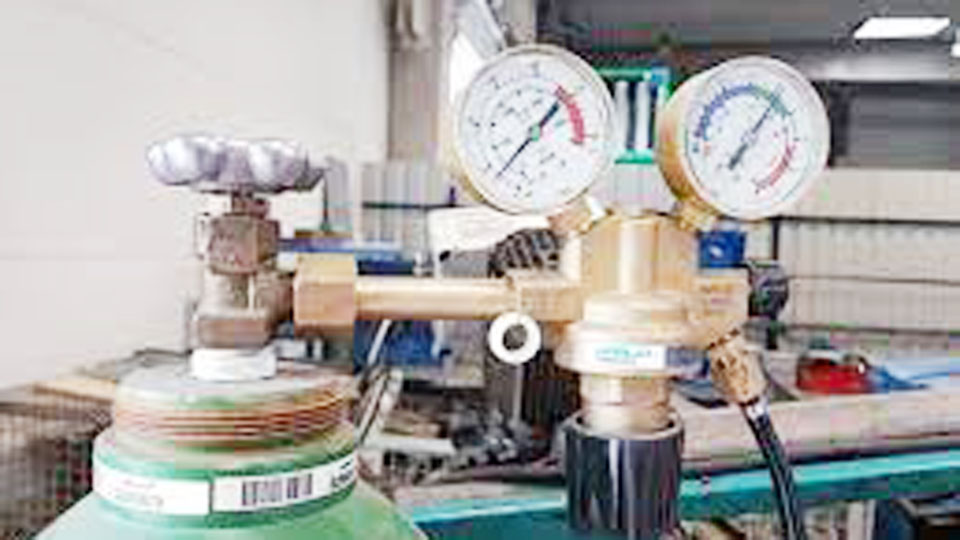
Photo by grecogas
When I first started welding aluminum, I made plenty of mistakes—porous welds, burn-throughs, you name it. A lot of those headaches came down to not understanding the role of shielding gas. Aluminum is sensitive, and the right gas is like a protective blanket that keeps your weld pool clean and free from defects.
I’ll explain the types of shielding gases used for aluminum, why they matter, and how to choose the best one for your project. If you’re a hobbyist in your garage or running a professional shop, I’ve got you covered.
Why Shielding Gas Matters for Aluminum Welding
Shielding gas is a critical part of MIG (Metal Inert Gas) and TIG (Tungsten Inert Gas) welding, which are the most common methods for aluminum. The gas flows out of your torch and surrounds the weld pool, protecting it from the air around it.
Air contains oxygen, nitrogen, and moisture, and all of these can wreak havoc on an aluminum weld. Oxygen can cause oxidation, leading to weak, porous welds. Nitrogen and moisture can create tiny holes or cracks, ruining the strength and appearance of your work.
Aluminum is especially picky because it’s so reactive. Unlike steel, which can tolerate a little bit of atmospheric exposure, aluminum needs a clean, controlled environment to weld properly. The shielding gas creates that environment by pushing away contaminants and stabilizing the arc.
When I first tried welding aluminum without the right gas setup, I ended up with welds that looked like Swiss cheese.
The right shielding gas does a few key things:
- Protects the weld pool: It keeps oxygen and moisture away, preventing defects like porosity.
- Stabilizes the arc: A steady arc means smoother welds and less frustration.
- Controls heat: Some gases affect how hot the arc burns, which is critical for thin aluminum.
- Improves weld appearance: Clean gas means clean welds that look professional.
So, what gases work best for aluminum? Let’s dive into the options.
Common Shielding Gases for Aluminum Welding
When it comes to aluminum welding, not just any gas will do. The most common shielding gases for aluminum are inert gases, meaning they don’t react with the molten metal. Here’s what I’ve learned from years of working with aluminum and the gases that make it shine.
Argon
Argon is the go-to shielding gas for aluminum welding, especially for TIG welding. It’s an inert gas, so it doesn’t react with the aluminum, creating a stable, clean weld pool. I’ve used argon on countless aluminum projects, from thin sheet metal to thicker structural pieces, and it’s never let me down.
Why is argon so popular? It provides excellent arc stability, which is crucial for TIG welding. The arc stays smooth and predictable, making it easier to control your weld. Argon also gives you great cleaning action on aluminum.
Aluminum naturally forms an oxide layer on its surface, which has a higher melting point than the metal itself. Argon, when used with AC (alternating current) TIG welding, helps break up that oxide layer, leaving you with a clean, shiny weld.
Another thing I love about argon is its versatility. It works well for both thin and thick aluminum, and it’s forgiving if you’re still dialing in your technique. The downside? Argon can be a bit pricier than other gases, but in my opinion, it’s worth every penny for the quality you get.
Helium
Helium is another inert gas that’s sometimes used for aluminum welding. Back when I was experimenting with different gases, I tried helium on a few projects, and it definitely has its place.
Helium creates a hotter arc than argon, which can be helpful for welding thicker aluminum pieces—think 1/4 inch or more. The extra heat penetrates deeper, ensuring a strong weld.
However, helium isn’t my first choice for most aluminum jobs. The hotter arc can be tricky to control, especially on thin material. I’ve burned through plenty of thin aluminum sheets before I got the hang of it.
Helium also tends to make the arc less stable, which can lead to spatter or an uneven bead. Plus, helium is more expensive than argon, and it flows faster, so you’ll go through your tank quicker.
Argon-Helium Mixtures
Sometimes, you need the best of both worlds, and that’s where argon-helium mixtures come in. These blends combine the stability of argon with the heat of helium, giving you a balance that works for a wide range of aluminum thicknesses.
I’ve used a 75% argon/25% helium mix on projects like aluminum boat repairs, and it’s a game-changer. The argon keeps the arc smooth, while the helium adds just enough heat to penetrate without burning through.
The most common mixtures are:
- 75% Argon / 25% Helium: Great for general-purpose aluminum welding.
- 50% Argon / 50% Helium: Good for thicker materials or when you need more heat.
- 25% Argon / 75% Helium: Used for very thick aluminum or when deep penetration is critical.
These blends are more expensive than pure argon, but they’re worth it for specific jobs. If you’re welding a mix of thin and thick aluminum, I’d recommend keeping a tank of this blend handy.
Why Not Other Gases?
You might be wondering about other gases, like carbon dioxide or nitrogen. Here’s the deal: those gases are a no-go for aluminum. Carbon dioxide, often used for steel in MIG welding, is reactive and will cause all sorts of problems with aluminum, like porosity and weak welds.
Nitrogen isn’t inert enough and can react with aluminum, leading to defects. Stick with argon or helium-based gases, and you’ll save yourself a lot of trouble.
Choosing the Right Shielding Gas for Your Project
Now that you know the main gases, how do you pick the right one? It depends on a few factors: the welding process, the thickness of the aluminum, and your budget.
| Factor | Argon | Helium | Argon-Helium Mix |
|---|---|---|---|
| Best for | TIG welding, thin to medium aluminum | Thick aluminum, deep penetration | Versatile for various thicknesses |
| Arc Stability | Excellent | Less stable, can cause spatter | Good, depends on mix ratio |
| Heat | Moderate, good for thin materials | Hot, better for thick materials | Adjustable based on helium percentage |
| Cost | Moderate | Expensive, uses more gas | More expensive than pure argon |
| Common Use | General aluminum welding | Heavy-duty aluminum projects | Mixed-thickness projects |
Welding Process
The welding process you’re using is a big factor. For TIG welding, which is my preferred method for aluminum, argon is almost always the best choice. It gives you the control and precision you need for clean welds. For MIG welding, argon or an argon-helium mix works well, depending on the thickness.
I’ve done plenty of MIG welding on aluminum frames, and a 75/25 argon-helium mix has been my go-to for consistent results.
Material Thickness
If you’re welding thin aluminum (1/8 inch or less), stick with pure argon. It keeps the heat manageable and prevents burn-through. For thicker pieces, like aluminum plate or structural components, a helium-heavy mix or even pure helium might be better.
I once welded a 1/2-inch aluminum plate for a custom trailer, and a 50/50 argon-helium mix gave me the penetration I needed without compromising the weld quality.
Budget and Availability
Argon is generally more affordable and widely available than helium or blends. If you’re on a tight budget, start with pure argon. It’s versatile enough for most aluminum projects, and you won’t blow through your wallet as fast. Helium and blends are pricier, so I only use them when the job demands it.
Setting Up Your Shielding Gas Properly
Choosing the right gas is only half the battle. You’ve got to set it up correctly to get good results. Here’s what I’ve learned from years of tweaking my setup.
Gas Flow Rate
The flow rate of your shielding gas matters. Too little, and you won’t get enough coverage, leading to porosity. Too much, and you’ll waste gas and create turbulence, which can pull air into the weld pool. For TIG welding aluminum, I set my flow rate between 15 and 20 cubic feet per hour (CFH). For MIG, I go a bit higher, around 20-30 CFH, because the process uses more gas.
Pro tip: Check your flowmeter regularly. A clogged or faulty regulator can mess with your flow, and you’ll end up with bad welds. I learned this the hard way when I spent an entire afternoon troubleshooting a porous weld, only to realize my regulator was off.
Gas Purity
Aluminum is sensitive to impurities, so you need high-purity gas. Look for welding-grade argon or helium, which is typically 99.9% pure or better. I once tried using a cheaper industrial-grade gas, and the tiny impurities caused all sorts of issues, like inconsistent arcs and dirty welds. Stick with welding-grade gas from a reputable supplier.
Equipment Setup
Make sure your torch, hoses, and fittings are clean and free of leaks. Aluminum welding is unforgiving, and even a small leak can let air into the system, ruining your weld. I always double-check my connections before starting a job. Also, use a dedicated stainless steel wire brush for cleaning aluminum to avoid contamination from other metals.
Common Mistakes to Avoid
Even with the right gas, things can go wrong if you’re not careful. Here are some mistakes I’ve made (so you don’t have to):
Using the wrong gas: I once grabbed a tank of CO2 by mistake, thinking it was argon. The welds were a mess—full of holes and brittle. Always double-check your tank label.
Incorrect flow rate: Too much or too little gas can cause turbulence or insufficient shielding. Dial in the right CFH for your setup.
Dirty material: Aluminum oxide or grease on the surface can react with the gas and cause defects. Clean your aluminum thoroughly with acetone and a stainless steel brush.
Mixing gases improperly: If you’re using a blend, make sure it’s pre-mixed from the supplier. Trying to mix gases yourself is a recipe for inconsistency.
Helpful Suggestions for Aluminum Welding Success
If you’re new to aluminum welding or looking to improve, here are some tips that have helped me over the years:
Practice with argon first: It’s the most forgiving and versatile gas for aluminum. Get comfortable with it before experimenting with helium or blends.
Invest in a good regulator: A reliable flowmeter ensures consistent gas delivery, which is critical for clean welds.
Keep your workspace clean: Aluminum is sensitive to contamination. Store your material properly and clean it before welding.
Start with TIG: If you’re new to aluminum, TIG welding with argon gives you the most control and the best results.
Experiment with blends: Once you’re confident, try an argon-helium mix for thicker materials. It can save time and improve penetration.
Check your equipment: Regularly inspect your torch, hoses, and regulator for leaks or wear. A small issue can ruin a big project.
Conclusion
Welding aluminum can feel like a challenge, but with the right shielding gas, it’s a whole lot easier. Argon is your best friend for most aluminum projects, offering stability and clean welds. Helium or argon-helium mixes are great for thicker materials, but they require a bit more skill to handle.
By understanding your project’s needs—whether it’s the welding process, material thickness, or budget—you can pick the perfect gas and set yourself up for success.
I remember the first time I nailed a perfect aluminum weld. The bead was smooth, shiny, and strong, and it felt like I’d cracked some kind of secret code.
With the right shielding gas and a little practice, you’ll get there too. So, grab your torch, dial in that gas flow, and start welding. You’ve got this!
FAQs
What’s the best shielding gas for TIG welding aluminum?
Argon is the best choice for TIG welding aluminum. It provides excellent arc stability and cleaning action, making it ideal for most aluminum projects.
Can I use helium for thin aluminum?
Helium can be used, but it’s not ideal for thin aluminum because it creates a hotter arc that’s harder to control. Stick with argon for thin materials.
How do I know if my gas flow rate is correct?
For TIG, aim for 15-20 CFH, and for MIG, 20-30 CFH. Watch your welds—if you see porosity, increase the flow slightly. If the arc is turbulent, reduce it.
Is an argon-helium mix worth the extra cost?
For projects involving mixed thicknesses or thicker aluminum, an argon-helium mix can improve penetration and save time. For general welding, pure argon is often enough.
Can I weld aluminum without shielding gas?
No, you need shielding gas for MIG or TIG welding aluminum. Without it, the weld pool will oxidize, leading to weak, porous welds.