
If you’re like me, you’ve probably stood in front of the gas cylinders at your welding supply shop wondering, “Which is better for MIG welding: CO2 or Argon?” I remember the first time I faced that choice. It seemed like such a small detail compared to the machine, the wire, or the metal.
The shielding gas you choose can make a huge difference in your weld quality, your workflow, and even your overall costs.
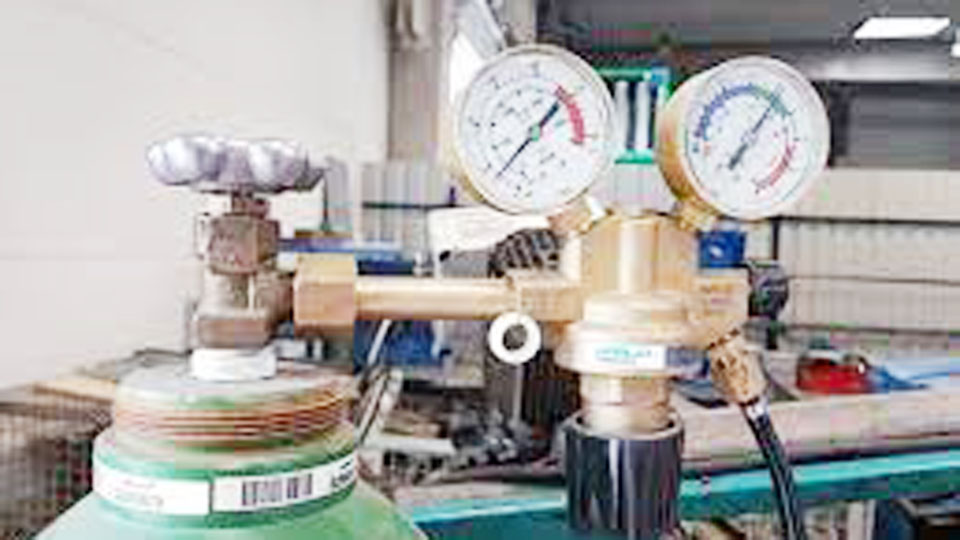
Photo by icxmedia
I’m going to walk you through everything I’ve learned about CO2 and Argon for MIG welding. I’ll explain it like you’re right here in my shop, asking questions while we get our hands dirty.
We’ll talk about the differences, when to use each gas, and how to make the best choice for your project — whether you’re repairing a trailer, building a custom car frame, or setting up your own fabrication business.
Shielding Gases in MIG Welding
Before we get too deep, let’s start with the basics: why do we even need shielding gas when MIG welding?
Shielding gas protects the molten weld pool from contaminants in the air, like oxygen, nitrogen, and hydrogen. If these gases get into your weld, you’ll end up with porosity, cracking, weak spots, and other ugly problems.
The right shielding gas:
- Provides a stable arc
- Controls spatter
- Improves weld penetration
- Affects the weld appearance
Now that we know why shielding gas matters, let’s focus on CO2 and Argon — the two most common options for MIG welding.
What is CO2 (Carbon Dioxide) Used for in MIG Welding?
CO2 is a very popular shielding gas, especially for folks doing structural work, heavy fabrication, or anything that requires deep weld penetration. It’s 100% carbon dioxide, pure and simple.
Advantages of CO2:
- Deep Penetration: Great for thick materials.
- Lower Cost: CO2 is much cheaper than Argon.
- Good for Outdoors: Works well even in windy conditions.
Disadvantages of CO2:
- More Spatter: Expect more cleanup after welding.
- Less Stable Arc: Rougher arc compared to Argon.
- Lower Weld Appearance: The welds might not look as clean or shiny.
I often recommend pure CO2 when budget is tight, or when appearance isn’t a major concern — like welding trailer frames, farm equipment, or heavy machinery.
What is Argon Used for in MIG Welding?
Pure Argon gas is typically reserved for specialized work. In MIG welding steel, we usually use a blend of Argon with a little bit of CO2 — like 75/25 (75% Argon, 25% CO2). Still, it’s important to know what Argon brings to the table.
Advantages of Argon:
- Smooth, Stable Arc: Easier to control.
- Beautiful Weld Appearance: Shiny, smooth weld beads.
- Lower Spatter: Less mess and clean-up.
- Better for Thin Materials: Gentler heat input.
Disadvantages of Argon:
- Higher Cost: Argon is more expensive than CO2.
- Weaker Penetration (Pure Argon): Not ideal for thick carbon steel unless blended with CO2.
When looks matter — like for automotive panels, sculptures, or high-end fabrication — Argon blends are the way to go.
CO2 vs Argon in a Quick Comparison
Here’s a handy table to see the key differences side-by-side:
| Feature | CO2 | Argon (or Argon Mix) |
|---|---|---|
| Cost | Low | High |
| Weld Appearance | Rougher, more spatter | Smooth, shiny |
| Penetration | Deep | Moderate |
| Arc Stability | Harsh, unstable | Smooth, stable |
| Best For | Thick steel, structural welding | Thin steel, clean or cosmetic work |
| Common Use | Heavy machinery, construction | Automotive, light fabrication, art |
Which Gas Should You Use for Different Projects?
Let’s get practical. Here’s how I decide:
- Heavy Structural Welding: Go with CO2. You want that deep penetration, and you’re probably not worried about a little extra spatter.
- Automotive Body Panels: Definitely Argon mix (like 75/25). Thin metal, needs a smooth, clean finish.
- DIY Home Projects: Depends. If you’re building a fence or gate, CO2 is fine. If you’re making decorative pieces, use Argon blend.
- Pipe Welding: Often a mix — deeper penetration but still a cleaner look.
- Outdoor Welding: CO2 handles wind better.
If you’re ever in doubt, start with a 75/25 Argon/CO2 blend — it’s the most versatile and forgiving option for beginners and pros alike.
How Shielding Gas Affects Your Weld Quality
I can’t stress this enough: the shielding gas isn’t just about appearance. It affects how strong, ductile, and corrosion-resistant your weld is.
With CO2:
- You get a hotter, deeper weld.
- The bead is flatter and wider.
- Risk of internal porosity is a bit higher if technique isn’t great.
With Argon Mix:
- The arc is softer and cooler.
- Weld bead is narrower and smoother.
- Better mechanical properties for thin gauge work.
When you’re welding important load-bearing parts, knowing this difference matters more than ever.
Setting Up Your MIG Welder for CO2 vs Argon
Your machine settings will change slightly depending on the gas you use.
When Using CO2:
- Voltage: Slightly higher to maintain a good arc.
- Wire Feed Speed: Increase slightly because CO2 runs hotter.
- Gas Flow Rate: 25–30 CFH (Cubic Feet per Hour).
When Using Argon Mix:
- Voltage: Lower settings work fine.
- Wire Feed Speed: Moderate speed.
- Gas Flow Rate: 20–25 CFH.
Always tune your settings by doing a few test welds on scrap material. That way you’ll hear that perfect sizzling bacon sound — the true sign of a happy MIG weld.
Costs Comparison: CO2 vs Argon
Let’s be real — budget matters, especially when you’re buying your own consumables.
| Gas Type | Typical Price (USA) | Notes |
|---|---|---|
| CO2 | $20–$35 per 20 lb cylinder | Cheapest option |
| 75/25 Argon/CO2 Mix | $40–$70 per 20 cu ft cylinder | Mid-range |
| 100% Argon | $60–$100 per 20 cu ft cylinder | Most expensive |
If you’re running a business that consumes a lot of gas, switching to CO2 might save thousands per year. For hobbyists, the better weld quality of Argon mixes is often worth the extra cash.
Advantages of Using a 75/25 Argon-CO2 Mix
I keep mentioning the 75/25 mix because it really is the best of both worlds. Here’s why:
- Easier starts and smoother welds.
- Better control on thin and medium steel.
- Good penetration without excessive heat.
- Less spatter = less grinding and cleanup.
- Works for a wide range of material thicknesses.
If you’re setting up your first MIG welder, go with the 75/25 — you’ll thank me later.
What Happens if You Use the Wrong Gas?
Mistakes happen. Maybe you grab the wrong tank. Maybe the label fell off. Here’s what you might notice:
- Using 100% Argon on carbon steel? Weak, brittle welds.
- Using 100% CO2 on thin sheet? Tons of burn-through and spatter.
- Wrong flow rate? Porosity and ugly welds.
Always double-check your cylinder and settings before starting. A few seconds of caution saves hours of rework.
My Personal Recommendation Based on Experience
If you’re welding steel, particularly mild steel, I strongly recommend using a 75/25 Argon-CO2 blend for most applications. It’s the most flexible, user-friendly option.
For heavy, industrial applications where cost is critical and aesthetics don’t matter much, pure CO2 is a winner.
At the end of the day, there’s no single “best” choice — only the best choice for your specific project, skill level, and budget.
Final Thoughts
Choosing between CO2 and Argon for MIG welding isn’t a small decision — it has a real impact on your work. After years of hands-on welding experience, my advice is simple:
- For clean, beautiful, easy-to-control welds, choose a 75/25 Argon mix.
- For deep penetration and low cost, choose 100% CO2.
And remember, welding is a craft. The more you practice and experiment, the better you’ll understand how each gas behaves and which one makes your welds shine.
No matter which gas you choose, focus on good preparation, proper machine settings, and steady technique. That’s the real secret to welding like a pro.
Thanks for hanging out with me in the shop today. Now, let’s fire up that welder and lay down some beads!
FAQs About CO2 vs Argon for MIG Welding
Can I MIG weld steel with 100% Argon?
Technically yes, but it’s not recommended. You’ll get weak, brittle welds with poor penetration.
Is CO2 gas good for MIG welding?
Yes, especially for heavy-duty welding where deep penetration is needed and appearance is less important.
Why is Argon more expensive than CO2?
Argon must be extracted from the atmosphere through an energy-intensive process, which makes it pricier.
What is the best gas for MIG welding at home?
A 75/25 Argon/CO2 blend is the most versatile and best choice for home welders.
Does shielding gas affect welding strength?
Yes, different gases can affect weld penetration, mechanical properties, and resistance to defects.


