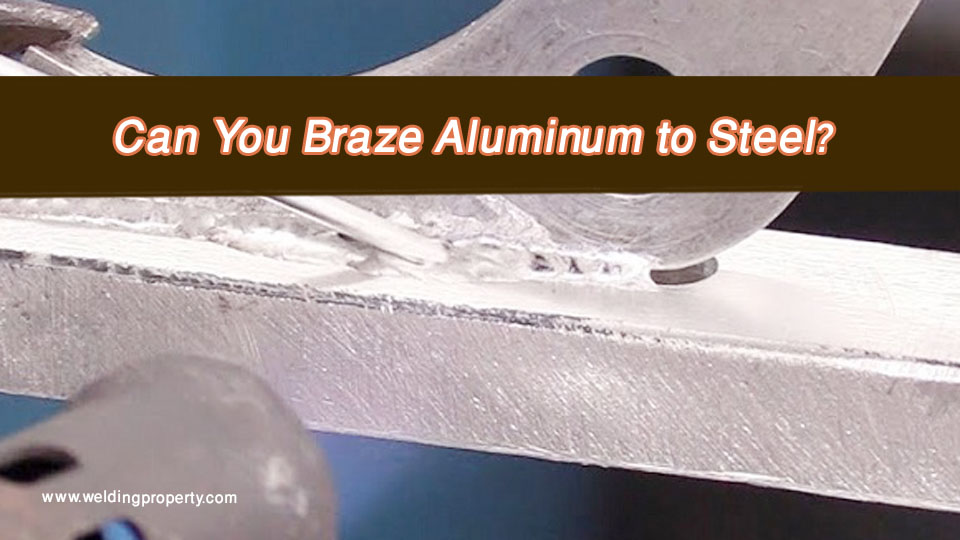
If you’ve ever tried welding aluminum, you probably know exactly how frustrating it can be. I remember the first time I gave it a shot — I thought it would be just like welding steel. I was wrong.
The puddle behaved differently, the metal seemed to melt and disappear in an instant, and I ended up with more burn-through than an actual weld.

Photo by daihen-usa
If you’re sitting here wondering, “Why is aluminum hard to weld?”, you’re not alone. It’s a question that even experienced welders ask.
Let’s break it down together, like you’re right here in my shop. We’ll go through what makes aluminum so tricky, and more importantly, how you can overcome those challenges to weld it like a pro.
Nature of Aluminum
Aluminum is not like steel, and that’s where most of the trouble starts. It’s a soft, lightweight metal with a very unique set of properties that behave differently when you introduce heat.
Here’s what you need to know about aluminum:
- High Thermal Conductivity: It absorbs and spreads heat quickly.
- Low Melting Point: It melts at around 1,221°F, which is much lower than steel.
- Oxide Layer: It forms a tough, invisible oxide layer that melts at 3,700°F — way higher than the base metal.
- Softness: It doesn’t give much visual feedback before it melts through.
- Highly Reactive: It reacts with oxygen instantly when exposed to air.
These basic facts are key to understanding why welding aluminum feels so much harder than welding steel or stainless.
Challenges in Welding Aluminum
Let’s go through each major challenge you’ll face when welding aluminum, and I’ll explain them like I’m teaching my apprentice.
Aluminum’s Rapid Heat Dissipation
One of the biggest headaches is how aluminum pulls heat away from the weld area.
Think about it like this: you’re trying to boil a little pot of water, but every few seconds someone pours cold water into it. That’s what it feels like welding aluminum. As soon as you strike your arc, the heat spreads out fast across the material instead of staying concentrated at the weld.
What this causes:
- Difficulty maintaining a puddle
- Inconsistent penetration
- Longer time to get the base metal to the right temperature
You have to preheat thick sections of aluminum sometimes just to get a good start.
Aluminum Oxide Layer
Aluminum naturally forms a thin layer of aluminum oxide the instant it touches air. This layer is your biggest enemy because:
- It melts at around 3,700°F.
- The base aluminum melts at about 1,221°F.
That means if you don’t clean it off or break it up, the oxide will float around in your weld like little islands of contamination. Worse yet, it can actually cause incomplete fusion.
This is why aluminum needs mechanical cleaning (wire brushing) and the use of AC current in TIG welding to help “clean” the weld surface as you work.
Softness and Fluidity of Aluminum
Welding steel feels solid and controlled. Welding aluminum feels like trying to weld ice cream.
The puddle is extremely fluid. It moves fast, it’s harder to see, and it can easily sag or collapse if you’re not careful.
This makes control and technique super important. You can’t just “wing it” with aluminum.
Lack of Color Change When Heating
Steel gives you visual cues — it turns cherry red, then orange, and you can tell when it’s about to melt.
Aluminum doesn’t change color before it melts. It looks the same until suddenly — boom — it’s a puddle on the floor.
You have to rely more on feel, timing, and a close watch on the puddle formation instead of visual color changes.
Porosity Problems
Aluminum loves to trap hydrogen gas if moisture or oil is present on the surface. That leads to tiny bubbles (porosity) in your welds, which weaken them a lot.
Proper cleaning and gas coverage are critical when welding aluminum, way more so than with steel.
Differences Between Welding Steel and Aluminum
To make it even clearer, here’s a simple table comparing the two:
| Feature | Steel | Aluminum |
|---|---|---|
| Thermal Conductivity | Low | High |
| Melting Point | High (~2,500°F) | Low (~1,221°F) |
| Oxide Layer | Thin, easier to handle | Thick, melts at 3,700°F |
| Weld Pool Behavior | Thick, slow-moving | Thin, very fluid |
| Visual Heat Indicators | Color changes visible | No color change |
| Susceptibility to Porosity | Moderate | High |
Common Methods for Welding Aluminum
There are a few ways to weld aluminum effectively, and picking the right method can make a world of difference.
TIG (GTAW) Welding Aluminum
TIG welding is probably the most popular method for aluminum.
Why?
- Great control over heat and puddle
- Cleaner welds
- Perfect for thin sections
Using AC current is critical because the AC arc alternates between penetration and cleaning. This disrupts the oxide layer and lets you weld fresh metal.
A lot of beginners struggle with TIG on aluminum at first, but once you learn how to balance your cleaning action and heat input, it becomes a beautiful process.
MIG (GMAW) Welding Aluminum
If you need to weld thicker aluminum quickly, MIG is often better.
Pros:
- Faster welding speed
- Less heat buildup (good for thicker materials)
- Easier to automate
However, you need a spool gun or a push-pull system because aluminum wire is so soft that it kinks easily in a regular MIG gun.
Also, pure Argon shielding gas is a must for MIG welding aluminum. CO2 blends will just cause a mess.
Stick Welding Aluminum (SMAW)
Stick welding aluminum exists, but honestly? It’s a last resort. Specialized electrodes like E4045 are required, and the weld quality is usually rough compared to TIG or MIG.
I only recommend it when you have no other choice — like a field repair far from your shop.
Essential Tips for Welding Aluminum Successfully
Over the years, here’s what I’ve learned that really makes aluminum welding easier:
- Clean Thoroughly: Use a stainless steel brush dedicated only to aluminum. Remove oxides and oils before you even think about striking an arc.
- Preheat if Needed: For thick parts (over ¼”), preheat to around 200°F–300°F to help with heat flow.
- Use Correct Gas: Always use 100% Argon for TIG and MIG welding aluminum.
- Use AC Balance Control: Modern TIG machines have this feature to let you adjust between cleaning and penetration.
- Keep Your Hands Steady: Aluminum puddles move fast. Good torch control is critical.
- Watch the Puddle: Not the arc — the puddle tells you what’s really happening.
- Start Small: Practice on scrap before moving onto your real project.
How Equipment Affects Aluminum Welding
Choosing the right machine and accessories is just as important as your technique.
TIG Machines for Aluminum:
- Must have AC output
- High-frequency start is a huge help
- Balance control for cleaning vs penetration
MIG Machines for Aluminum:
- Spool gun highly recommended
- Dedicated aluminum feed rolls and liner
- High amperage capability for thicker aluminum
Torches:
- Water-cooled torches help prevent overheating on big jobs.
Investing in the right gear upfront saves you endless frustration down the line.
Mistakes When Welding Aluminum
Everybody makes mistakes, but here are the big ones to watch out for:
- Skipping Cleaning: Leads to poor fusion and contamination.
- Wrong Gas: Using Argon/CO2 mixes instead of pure Argon.
- Wrong Polarity: Using DC instead of AC when TIG welding.
- Too Slow: Allowing the heat to build up and melt through.
- Bad Filler Rod Choice: Using non-aluminum filler or incompatible alloys.
Catch these before you start, and your chances of a good weld shoot way up.
Why Practice Matters More with Aluminum
Honestly, aluminum welding is like learning to drive a manual transmission. It feels weird, rough, and frustrating at first. But once you practice enough, it becomes second nature.
Set yourself up with some scrap pieces and practice simple bead runs. Focus on consistency rather than rushing to complete a project. Aluminum rewards patience and punishes arrogance.
Final Thoughts
So, why is aluminum hard to weld? It’s a combination of its high thermal conductivity, stubborn oxide layer, super-fluid puddle, lack of visual cues, and extreme sensitivity to contamination. But don’t let that intimidate you.
With the right setup, careful preparation, and steady practice, welding aluminum becomes not only possible but deeply satisfying. There’s nothing quite like laying down a beautiful, clean aluminum weld after mastering all the quirks.
Take your time, practice often, and respect the material. You’ll be surprised at how quickly you can move from frustration to mastery.
Thanks for sitting with me and talking shop today — now let’s go burn some metal!
FAQs About Why Aluminum is Hard to Weld
Why does aluminum need AC welding instead of DC?
AC welding helps break up the aluminum oxide layer while also penetrating the base metal, which DC cannot do effectively.
Can you MIG weld aluminum without a spool gun?
Technically yes, but it’s very difficult. A spool gun prevents the soft aluminum wire from birdnesting.
Why does aluminum weld so easily burn through?
Because it melts at a lower temperature and conducts heat rapidly, making it hard to control the puddle without experience.
Do you need special filler rods for aluminum?
Yes, you should use aluminum-specific filler rods, like 4043 or 5356, depending on your base metal.
How do you tell when aluminum is about to melt?
Unlike steel, aluminum gives no visible color change before melting. You must watch the puddle form carefully and learn the timing.