
Standing in front of three different welders—MIG, TIG, and Stick—can get confusing fast, especially when each one promises clean welds and solid results. You set one up, strike an arc, and suddenly realize it behaves completely differently from the others.
That’s exactly why understanding What’s the Difference Between MIG TIG and Stick Welding matters before you invest time, money, or effort into the wrong process.
In real workshop conditions, each method has its own personality. MIG is fast and beginner-friendly, TIG gives you precision and control, and Stick handles rough, outdoor jobs where other processes struggle.
I’ve switched between all three depending on the job, and choosing the right one often makes the difference between a smooth weld and a frustrating rework.
This isn’t just about preference—it affects weld quality, learning curve, and even how safe and efficient your work is. I’ll break down the key differences in simple, practical terms so you can confidently pick the right welding method for your needs.
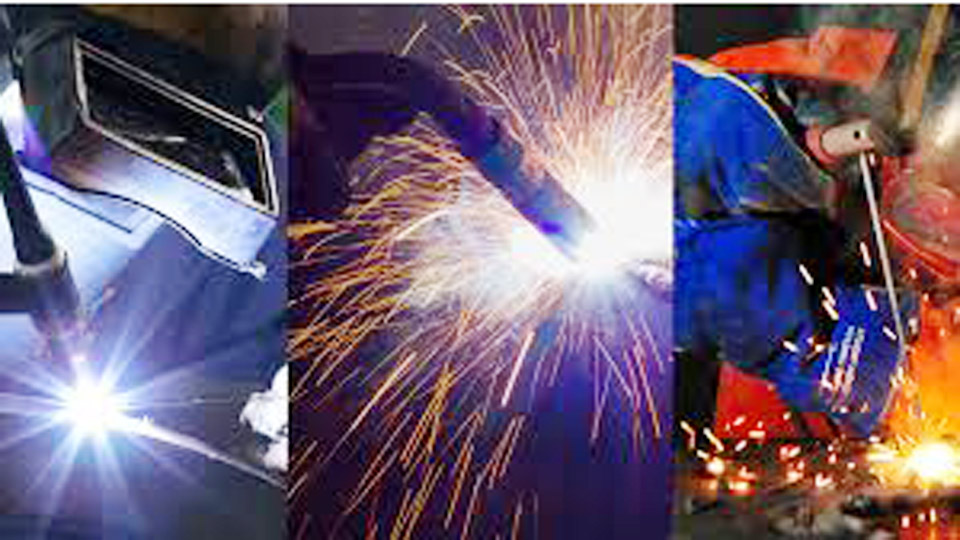
Image by bakersgas
What Is MIG Welding and How Does It Work?
MIG (Metal Inert Gas), or GMAW, feeds a continuous solid wire electrode through a gun while shielding the arc with gas—usually a mix of argon and CO2 for mild steel. The wire melts into the puddle as filler, and the gas keeps oxygen and nitrogen away.
In the shop, you set voltage and wire speed (or use a synergic machine that handles most of it). Pull the trigger, and the wire feeds automatically. It feels like a hot glue gun once you get the hang of it.
I reach for MIG when production speed matters. It’s the go-to for automotive bodywork, farm equipment repairs, or building steel gates and trailers. On clean mild steel from 18 gauge up to about 3/8 inch, it shines. You can run short-circuit transfer for thin stuff to minimize burn-through or spray transfer for thicker plates and faster deposition.
When and Why to Use MIG Welding
Use MIG for indoor jobs on fairly clean metal where you need decent speed and a relatively smooth bead with minimal cleanup. It’s forgiving for beginners because the machine does a lot of the work. Professionals love it for repetitive fillet welds on structural steel or sheet metal fabrication.
It handles mild steel, stainless, and aluminum (with the right gun and gas). But wind kills the gas shield, so save it for the shop or sheltered areas.
Practical MIG Tips from the Shop Floor
Joint prep is everything. Grind or wire-brush rust, mill scale, and paint off the weld area. For thin metal to thick, direct more heat to the thicker side—angle the gun slightly and pause there.
Common beginner mistake: setting voltage too high or wire speed too fast, creating a convex “ropey” bead with poor fusion. Start conservative. For 0.030″ wire on 1/8″ mild steel, try 18-20 volts and 200-300 ipm wire speed on a typical 200-amp machine. Test on scrap.
Another pitfall: poor ground. A weak clamp causes erratic arc and spatter. Clean your ground surface and use a good clamp.
For aluminum, use 100% argon and push the gun at a 10-15° angle to get good cleaning action. Keep the gun moving—dwell too long and you’ll blow holes.
Safety note: MIG produces a lot of spatter and UV. Wear proper gloves, jacket, and a helmet with good shade (11-13). Ventilate well—fumes from zinc-coated steel are nasty.
What Is TIG Welding and How Does It Work?
TIG (Tungsten Inert Gas), or GTAW, uses a non-consumable tungsten electrode to create the arc. You add filler rod by hand if needed. Pure argon (or mixes for some alloys) shields everything.
The torch has a collet holding a sharpened tungsten. High-frequency start gets the arc going without touching the metal. A foot pedal lets you control amperage on the fly—crucial for puddle control.
This process gives you the most precise heat input. The puddle is clear, and you can see exactly what’s happening. It’s slower than MIG or stick, but the results on thin or exotic materials are unmatched.
When and Why to Use TIG Welding
I pull out the TIG machine for aluminum, stainless steel, thin wall tubing, or anything where appearance and quality matter—motorcycle frames, custom exhaust, food-grade stainless, or aerospace-looking repairs. It excels on material from 0.020″ up to about 1/4″ thick without burning through.
TIG handles almost any metal: steel, stainless, aluminum, titanium, even copper. No flux means no slag, so welds are clean and strong with excellent corrosion resistance.
Why not always use it? It’s slow. Learning curve is steep. You need both hands and a foot, plus immaculate cleanliness. One speck of dirt or oil ruins the puddle.
Practical TIG Tips and Settings
Clean everything obsessively. Use acetone or dedicated aluminum cleaner, then stainless steel brush dedicated to that metal only. Contamination causes porosity or black soot.
Tungsten prep matters. For steel and stainless, sharpen to a point. For aluminum, ball the end slightly. Use 2% thoriated or lanthanated—avoid pure if you can.
Amperage example: On 1/16″ aluminum, start around 50-70 amps. For 1/8″ mild steel, 80-110 amps. Use the foot pedal to ramp up at the start and down at the end to avoid crater cracks.
Common mistake: holding the torch too far or too close. Keep the tungsten about 1/8″ from the metal. Travel too fast and you get lack of fusion; too slow and you burn through.
For thin-to-thick joints, tack the pieces, then weld in short segments with copper backing or heat sinks to control distortion.
Safety: TIG produces intense UV and requires good ventilation. Argon is heavier than air—watch for asphyxiation in confined spaces.
What Is Stick Welding and How Does It Work?
Stick welding, or SMAW (Shielded Metal Arc Welding), uses a flux-coated consumable electrode. The arc melts both the rod and the base metal. The flux creates gas shielding and forms slag that protects the cooling weld.
You strike an arc by tapping or scratching the rod on the workpiece. The coating vaporizes to shield the puddle, and you drag or whip the rod along the joint.
It’s the most portable and forgiving process for dirty or rusty metal. No gas bottle to haul around.
When and Why to Use Stick Welding
Stick is king for outdoor work, structural steel, heavy equipment repair, pipeline, or farm fixes. It handles thick material (3/16″ and up) with deep penetration and works in wind or rain.
You can weld mild steel, stainless, cast iron, and some hardfacing with the right rods. It’s inexpensive to run once you have a decent welder—many 200-amp machines handle it fine.
Why not for everything? Slag cleanup takes time. It’s not ideal for thin sheet metal—you’ll burn holes easily. Beads aren’t as pretty as TIG or clean MIG without post-weld grinding.
Practical Stick Welding Tips and Rod Selection
Electrode choice changes everything.
6010 or 6011: Deep penetration, fast-freeze for root passes or vertical/overhead. Good for dirty metal. Run DC+ (reverse polarity).
6013: Easier for beginners, less penetration, works on AC or DC. Great for light fabrication.
7018: Low-hydrogen for high-strength structural welds. Needs to stay dry—store in a rod oven if possible. Run DC+.
Amperage guidelines (adjust based on your machine and position):
- 3/32″ 6013: 70-90 amps
- 1/8″ 6010: 75-125 amps
- 1/8″ 7018: 90-150 amps
- 5/32″ rods: add 30-50 amps
Drag the rod at about 10-15° with a short arc length—about the diameter of the rod. For vertical up, use a whip or weave technique to let the slag fall behind.
Joint prep: You can get away with more dirt than MIG or TIG, but remove heavy rust, grease, and paint. Bevel thick plates for better penetration.
Common mistakes: Running too cold causes lack of fusion and slag inclusions. Running too hot with 7018 makes the puddle runny and causes undercut. Beginners often hold too long an arc, creating spatter and porosity.
Chip the slag completely between passes or you’ll trap inclusions. Grind starts and stops for multi-pass welds.
Direct Comparison: MIG vs TIG vs Stick Welding
Here’s a practical side-by-side that I wish someone had handed me early on.
Speed and Productivity
MIG wins for most production work. Stick is decent for heavy stuff. TIG is slowest but most controlled.
Material Thickness
- Thin (<1/8″): TIG or MIG short-circuit
- Medium (1/8″–3/8″): MIG or stick
- Thick (>3/8″): Stick for penetration and fill rate
Outdoor vs Indoor
Stick handles wind and weather best. MIG needs shelter. TIG hates any breeze.
Cleanliness Required
TIG demands spotless metal. MIG prefers clean but tolerates light contamination. Stick is most forgiving.
Learning Curve
MIG easiest to start. Stick takes practice with arc striking and slag management. TIG hardest—coordination of hands and foot.
Cost
Stick has lowest equipment and consumable cost for occasional use. MIG needs gas and wire. TIG machines and tungsten add expense but filler rod use is minimal.
Weld Appearance and Strength
TIG usually looks best with least defects. MIG can be smooth with good settings. Stick requires cleanup but can be plenty strong.
Distortion and Penetration
TIG gives lowest heat input if done right, minimizing distortion on thin parts. Stick offers deepest penetration on thick material. MIG sits in the middle.
Common Shop Scenarios
- Repairing a rusty trailer frame outdoors: Stick with 6010 root and 7018 cap.
- Building aluminum diamond plate toolboxes: TIG for clean beads.
- Production welding mild steel tubing indoors: MIG for speed.
- Thin auto body panels: MIG short-circuit or TIG if you want perfection.
Safety Considerations Across All Processes
No matter which you choose, arc flash is real. Always wear proper PPE: helmet with correct shade (10-13 depending on process and amperage), safety glasses underneath, flame-resistant jacket or leathers, gloves, and boots.
Fumes matter—especially with galvanized steel or painted surfaces. Weld outside when possible or use strong ventilation and a respirator.
Fire watch is critical. Sparks travel far. Have an extinguisher and a bucket of water or sand handy.
For TIG and MIG, watch gas cylinders—secure them upright. Stick rods can absorb moisture; damp 7018 causes hydrogen cracking.
Step-by-Step Guide: Choosing and Setting Up the Right Process
- Assess the job: Material type and thickness? Indoor or out? Strength or appearance priority?
- Clean the joint appropriately for the process.
- Select machine and consumables. Test settings on scrap.
- Tack the pieces with good fit-up.
- Weld in short segments if distortion is a concern, alternating sides.
- Clean between passes. Inspect for defects.
- Post-weld: grind if needed, check for cracks or undercut.
Common Mistakes Beginners and Pros Still Make
Beginners often ignore joint fit-up, leading to gaps that processes handle differently. They also chase the puddle instead of leading it.
Pros sometimes get complacent with prep on “quick” jobs and pay later with rework. Running the wrong polarity or damp rods on stick causes porosity. In MIG, incorrect inductance or trim settings create spatter. In TIG, contaminated tungsten or filler rod ruins the bead.
Distortion control trips everyone up on long welds—use back-stepping or clamping fixtures.
Material Compatibility and Filler Metal Notes
- Mild Steel: All three work well. MIG with ER70S-6 wire, TIG with ER70S-2, Stick 7018 or 6010.
- Stainless: TIG or MIG with matching filler. Stick with 308 or 316 rods.
- Aluminum: TIG best for control, or MIG with spool gun.
- Cast Iron: Stick with nickel rods, or careful TIG with preheat.
Always match filler strength to base metal or slightly overmatch for structural work.
Real-World Fabrication and Repair Examples
On a recent farm repair, I used stick 7018 on 1/2″ plate for a loader bucket reinforcement—deep penetration, no gas hassle in the wind. For a customer’s custom stainless exhaust, TIG gave the smooth inside beads needed for flow and corrosion resistance. When knocking out 50 linear feet of 1/4″ mild steel angle for brackets, MIG saved hours.
I’ve repaired cracked truck frames with stick for strength and then capped with MIG for speed where accessible.
Reflection and Practical Takeaway
After running all three processes for years, the biggest lesson is this: no single process is “best.” The right one depends on the job, your shop setup, and what you’re comfortable running under pressure.
You now understand how each creates the arc, shields the puddle, and behaves with different thicknesses and conditions. You know why TIG gives beautiful results on aluminum but frustrates on thick rusty steel, why MIG flies on production but struggles outside, and why stick remains the reliable workhorse for heavy or dirty repairs.
You’re better equipped to look at a project—whether it’s a hobby build, student assignment, or professional repair—and pick the process that balances speed, quality, cost, and practicality without guesswork or wasted time.
Here’s one strong pro-level tip I give every trainee: Always weld on scrap first with the exact same material, thickness, and joint type. Dial in settings, practice your technique, then commit to the real piece. Ten minutes on scrap saves hours of grinding or cutting out bad welds.
FAQ
Can I use the same machine for MIG, TIG, and stick welding?
Many multi-process machines handle all three, but dedicated machines often perform better. A good MIG welder might have a stick mode, but TIG usually needs a high-frequency start and foot pedal for best results. Check your machine’s duty cycle and output for each process.
Which process is easiest for beginners?
MIG is generally the most forgiving to learn because the wire feeds automatically and settings are straightforward on modern machines. Stick comes next once you master arc striking. TIG takes the longest because of the coordination required.
What’s better for welding outdoors—stick or MIG?
Stick welding wins outdoors. The flux coating provides its own shielding, so wind doesn’t blow it away like MIG gas. Flux-cored wire is another gasless option if you have a MIG machine.
How do I prevent burn-through on thin metal?
Use the right process—TIG or MIG short-circuit for thin material. Lower amperage or voltage, increase travel speed, and use a backing strip or copper heat sink. Avoid stick on anything under about 1/8″ unless you’re very skilled.
Do I need to clean the metal for stick welding?
You can get away with more dirt than with MIG or TIG, but heavy rust, paint, or oil still causes problems. At minimum, knock off loose scale and brush the joint area. Better prep always means fewer defects and stronger welds.


