
Some welders just feel right in your hands — smooth arc, steady feed, and that satisfying sizzle that tells you the joint’s locked in tight. Others? They fight you every inch of the way. After enough burned tips and wasted wire, I started wondering, Who makes Snap On welders? Because when you’re counting on a machine to deliver consistent, clean welds, knowing who’s really behind the badge matters.
I’ve learned that the brand name on your welder isn’t just about looks — it’s about reliability, parts support, and how well that machine holds up after long shop hours.
In this post, I’ll break down who actually manufactures Snap On welders, how they perform in real-world conditions, and whether they’re worth the price tag. Stick around — this insight might just save you from your next welding headache.
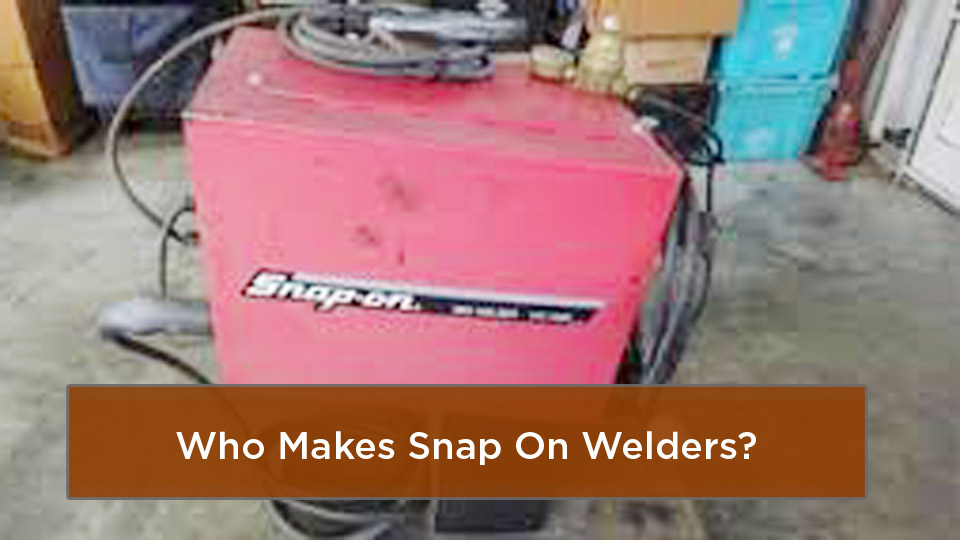
Image by machinerytrader
What Makes Snap-On Welders Stand Out in a Crowded Shop?
It’s a humid afternoon in my old fabrication bay in Ohio, and I’m running a long bead on quarter-inch plate. My Snap-On kicks in smooth as butter—no spitting, no pop-outs, just a steady hum that lets me focus on the fit-up instead of fighting the machine.
That’s the magic of Snap-On welders—they’re built for guys like us who weld for a living or tinker on weekends, blending ruggedness with that “set it and forget it” reliability.
At their core, these machines are MIG-focused heavyweights, though you’ll spot some TIG and stick options in the lineup. They shine in auto body work, light structural fab, and even hobby projects like restoring vintage bikes.
Why? Because they handle flux-core wire like a champ for outdoor jobs where shielding gas isn’t practical, and their wire feeders pull consistent without bird-nesting your spool.
But here’s the practical know-how: Always match your wire diameter to the job—0.030-inch for thinner sheet metal to avoid burn-through, bump to 0.035 for beefier stuff. I learned that the hard way on a trailer hitch repair; too fine a wire, and your penetration goes soft.
Prep tip? Clean your base metal with a grinder or acetone—no rust or oil, or you’ll chase porosity like a bad habit.
One common mistake? Overlooking the duty cycle. Snap-On’s like the Muscle MIG series boast 60% at max amps, meaning you can push 250 amps without overheating on a 10-minute run. For us intermittent welders, that’s gold—keeps the show moving without cooldown breaks that kill momentum.
Who Actually Builds Snap-On Welders Behind the Scenes?
Who makes Snap-On welders? Spoiler—it’s not the Snap-On folks cranking them out in their Kenosha headquarters. These rigs are the brainchild of specialized manufacturers who badge ’em up for the tool truck crowd, ensuring that pro-grade performance without the full-blown factory overhead.
From my chats with old-timers at trade shows and digging through shop lore, the heavy lifting falls to outfits like Systematics out of Cleveland. Yeah, that same crew that’s been forging industrial welders for decades—they handle a big chunk of the Snap-On lineup exclusively.
Think of it like a custom hot rod: Systematics tunes the guts for Snap-On’s specs, from the transformer windings to the drive rolls, so you get that virgin copper heat for buttery arcs.
Don’t sleep on Century either; they handled older models, especially those Blue Point siblings that share Snap-On DNA. And internationally? Cebora pops up for some TIG units, bringing Italian precision to the table—smooth starts that rival any Euro import. I’ve run a Cebora-badged Snap-On on aluminum boat repairs, and man, the puddle control is chef’s kiss.
Why does this matter in the real world? Knowing the maker helps with parts hunting. Systematics units? Easier to source internals from welding supply houses. Century relics? Hit up surplus spots, but watch for dated boards.
When you’re speccing a new rig, ask your Snap-On guy about the OEM—it’s not always listed, but it’ll save you headaches down the line.
I remember swapping a drive motor on a buddy’s Century-era Snap-On; took two days of hunting because the seller swore it was “all original Snap-On.” Lesson learned—transparency on the build keeps your downtime low and welds strong.
A Quick History of Snap-On Welders in American Shops
Snap-On didn’t just wake up one day and decide to sling welders; they’ve been easing into the game since the ’80s, when tool trucks started hauling more than just ratchets. Back then, shops needed portable power for on-site fixes—think fleet mechanics patching exhausts or fab guys mocking up prototypes.
Snap-On partnered with those behind-the-scenes builders to fill the gap, turning out machines that could take the abuse of rolling around in a van without skipping a beat.
Fast-forward to today, and the lineup’s evolved with us. Early models were basic AC sticks for farm repairs; now, it’s inverter tech for lighter, smarter pulls. I’ve got scars from ’90s-era units—clunky but bulletproof—versus the sleek inverters that sip power on generator runs.
What hasn’t changed? That focus on American shop practices. These welders play nice with AWS codes, like D1.1 for structural steel, ensuring your joints pass inspection without drama.
In my experience teaching apprentices, starting with Snap-On history builds appreciation—they’re not gadgets; they’re evolutions of what kept Detroit humming.
Common pitfall: Treating ’em like hobby toys. Overload a vintage unit on DCEN aluminum, and you’ll fry the rectifier. Fix? Upgrade to pulse models for better heat control—saves material and your sanity.
Top Snap-On Welder Models for Every Welder’s Needs
If you’re gearing up, knowing the stable helps. Let’s break down the stars—I’ve tested most in sweat-soaked shifts, so this is straight from the bench.
The MM140SL: Perfect Entry for DIY and Hobby Welders
This little firecracker’s my go-to rec for garage warriors starting out. At 140 amps max, it’s nimble for 18-gauge sheet to quarter-inch plate, weighing in under 40 pounds for easy carting. Flux-core ready, it chews 0.023 to 0.035 wire, and that synergic setup auto-adjusts voltage—fewer knobs to fiddle while your trailer’s waiting.
How it works? Inverter heart pumps stable arc even on dodgy extension cords. Use it for auto panels or bike frames; why? Low spatter means less cleanup, and the fan’s quiet enough not to wake the neighbors at 6 a.m.
Fixed my neighbor’s rusted fender with it last summer—clean bead, no warping. Mistake I see newbies make? Forgetting gas flow at 20-25 CFH; dial it wrong, and you’ve got oxidation city. Tip: Preheat thin stuff to 150°F for zero cracks.
MM250SL Muscle MIG: The Workhorse for Pros and Students
Step up to this 270-amp brute, and you’re in pro territory. Dual-voltage (120/230V), it handles 3/8-inch steel like butter, with 100% duty at 200 amps for all-day fab sessions. Wire feeder’s beefy, pulling 0.025-0.045 without hiccups, and that spot/stitch mode? Gold for tacking long seams.
When to grab it? Heavy fab like trailer builds or shop repairs—I’ve welded full chassis with one, no sweat. Practical know-how: Set inductance low for short arc on dirty metal; high for spray transfer on clean joints.
I once pushed one through a 12-hour rush on structural beams—arc stayed pure, but I blew a breaker ignoring the thermal overload. Fix: Monitor with a clamp meter; keeps you code-compliant and safe.
MM350XL: Beast Mode for Industrial and Fabrication Gigs
For the big leagues, this 350-amp monster rules. 60% duty at full tilt, it’s got spool gun compatibility for aluminum, making it versatile for marine or custom work. Weighs a ton (pun intended), but casters make it shop-friendly.
Why use it? Thick materials demand penetration; this delivers without multiple passes. I’ve used it on pressure vessel mocks—filler compatibility shines with ER70S-6 wire for mild steel.
Common error: Skipping joint prep on bevels; chamfer to 30 degrees for V-grooves, or you’ll fight undercut. Safety note: Ground clamps are non-negotiable—clip to clean metal, or arcs wander like a drunk apprentice.
| Model | Max Amps | Duty Cycle | Weight | Best For | Price Range (Used) |
|---|---|---|---|---|---|
| MM140SL | 140 | 20% @ 140A | 35 lbs | DIY/Auto | $400-600 |
| MM250SL | 270 | 60% @ 250A | 80 lbs | Pro Fab | $800-1200 |
| MM350XL | 350 | 60% @ 350A | 120 lbs | Industrial | $1500-2000 |
Pros and Cons of Investing in Snap-On Welders
Let’s keep it real—no tool’s perfect, and I’ve got the burn marks to prove it. Pros first: Durability’s off the charts; these things shrug off drops and dust better than most. Parts integration? Seamless with common consumables, and that tool-truck support means quick swaps if you’re stateside.
On the flip, they’re pricier upfront—expect 20-30% markup over generics. And while reliable, repairs can sting if you’re chasing OEM bits from overseas partners. I’ve nursed a drive roll issue on a road gig; fixed it with a universal kit, but it cost a day’s wages.
Versus the field? They edge hobby brands on build but lag Miller on finesse for precision TIG. For us roughnecks, though, the trade-off’s worth it—fewer callbacks mean happier customers.
How Do Snap-On Welders Stack Up Against Miller and Lincoln?
I’ve pitted ’em head-to-head more times than I can count—Miller’s Multimatic series versus Snap-On Muscle, Lincoln’s Power MIG against the MM250. Spoiler: It depends on your grind.
Miller wins on tech smarts—auto-set features nail parameters for newbies, and their warranty’s ironclad. But Snap-On? More portable, with that rugged vibe for mobile work. Lincoln’s beasts for heavy DC, but they guzzle power; Snap-On sips on inverters.
In a side-by-side on 1/4-inch mild steel:
- Arc stability: Tie—both deliver puddle control.
- Spatter: Snap-On edges with tuned feeders.
- Cost per bead: Lincoln cheaper long-term on consumables.
Table time:
| Feature | Snap-On | Miller | Lincoln |
|---|---|---|---|
| Portability | Excellent (light inverters) | Good | Fair (heavier) |
| Ease for Beginners | Synergic modes shine | Auto-set king | Steeper curve |
| Durability | Shop-tough | Field-proven | Industrial tank |
| Price | Premium | Mid-high | Value king |
If you’re truck-bound, Snap-On. Shop-stuck? Miller or Lincoln for volume.
Step-by-Step Guide to Setting Up Your Snap-On Welder for First Use
New rig in the box? Don’t just plug and pray—here’s my foolproof rundown, honed from onboarding greenhorns.
- Unbox and Inspect: Check for dents or loose wires. Mount on a stable cart—vibration kills feeders.
- Power and Ground: 230V outlet? Use it for full grunt. Ground to chassis, not extension—I’ve popped breakers ignoring that.
- Gas and Wire Load: CO2/Argon mix at 75/25 for steel. Thread 0.030 wire through tension rollers; too tight, bird’s nest city.
- Initial Settings: For 14-gauge, 18V, 150 IPM wire speed. Trigger test—no arc yet, just flow.
- Test Bead: Scrap plate, clean it. Run a 6-inch pass—adjust voltage up for flatter profile.
- Safety Check: Gloves, hood, FR gear. Clear flammables—sparks fly far.
Mistake fix: If arc stutters, clean drive rolls with a brass brush. Takes five minutes, saves hours.
Common Mistakes with Snap-On Welders and How to Fix Them
We all botch it sometime—me included, like the time I torched a ground clamp on a humid day. Top gaffe? Poor prep: Mill scale eats wire. Fix: Wire wheel to bright metal, then tack.
Another: Over-gassing, leading to turbulence. Dial to 18 CFH max—listen for that whisper, not roar.
Overheating? It’s the thermal cutoff waving hello. Let it cool, check duty—push too hard on flux-core outdoors, and you’ll wait.
Apprentice fried a tip on dirty wire; swapped to knurled rolls for cast iron, problem solved. Always match consumables to process.
Maintenance Tips to Keep Your Snap-On Welder Running Forever
Treat it like your favorite hammer—regular TLC pays dividends. Weekly: Blow out dust with compressed air, focus on fans and boards.
Monthly: Inspect cables for frays; silicone spray liners for smooth feeds. I’ve extended life on a 10-year unit this way—no rebuilds needed.
For storage: Cover from moisture—rust kills windings. Pro move: Run a purge cycle yearly to flush stale gas.
Safety first: Test GFCI monthly; one zap in wet weather, and you’re sidelined.
Choosing the Right Filler Metal for Snap-On Welding Projects
Filler choice is where magic happens—or fizzles. For mild steel, ER70S-6 all-purpose; pairs perfect with Snap-On’s arc for auto or structural.
Aluminum? ER4043 with a spool gun—preheat to 200°F, or cracks galore. Stainless? 308L for food-grade sinks.
Compatibility tip: Match tensile strength—80ksi filler for high-strength base, or your joint fails under load.
I’ve mismatched on exhaust repairs; brittle beads snapped. Now? Always spec to AWS A5.18—keeps it code-legal and tough.
Safety Essentials When Running Snap-On Welders on the Job
Welding’s no joke—UV fries eyes, fumes choke lungs. With Snap-On’s power, double down: Full hood with auto-darken, shade 10-12.
Ventilate: Fume extractor mandatory indoors; outdoors, wind at your back. Gloves? Leather, cuffless to avoid snags.
Real talk: I skipped ear pro once on a noisy site—tinnitus reminder forever. And hydration—sweat plus arc heat equals cramps.
Joint prep ties in: Bevels prevent slag traps, reducing post-weld grind hazards.
Real-World Applications: Snap-On Welders in Auto, Fab, and Beyond
From rust-belt repairs to California custom vans, these machines adapt. Auto body? MM140SL for panels—low heat, no warp.
Fab shops? MM250 for racks; stitch mode tacks fast. Students? Portable for school projects—teaches without overwhelming.
I’ve welded offshore platforms mocks with one—flux-core outdoors, zero issues. Cost efficiency? Fewer defects mean less scrap, stretching dollars.
Troubleshooting Arc Issues on Your Snap-On Welder
Wonky arc? Start simple: Check connections—loose ground’s 80% of woes. Clean contacts with a file.
Spatter fest? Voltage too high; drop 1-2 volts. Porosity? Gas leaks—soap test hoses.
My fix-all: Baseline on clean copper—arc sweet? Problem’s upstream.
Upgrading Your Shop Setup with Snap-On Accessories
Boost with a trolley for mobility, or remote pots for long reaches. Spool gun? Game-changer for alum.
I’ve added a cooler to mine—extends runtime 20%. Budget? Start with better clamps—cheap ones slip, ruining beads.
Why Snap-On Welders Fit US Welding Codes and Practices
AWS D1.1 compliant out the gate—prequalified WPS for common joints. Shop standard: Document settings for repeatability.
In union halls, they’re trusted for consistency—inspectors nod at the badge.
Future of Snap-On Welders: What’s Next for Tech-Savvy Welders
Inverters are king, but watch for app-linked diagnostics—trouble codes on your phone? Coming soon.
For us, it’ll mean less guesswork, more welding.
Wrapping It Up: Your Path to Confident Welding with Snap-On
We’ve covered from who makes Snap-On welders (shoutout to Systematics and crew) to dialing in that flawless bead. Key takeaways? These machines are built tough for real American work, blending reliability with smarts that save time and scrap.
You’re now armed to pick the right model, dodge pitfalls, and weld like a vet—whether patching a fence or framing a monster truck.
Go forth and spark confidently; your next project’s waiting. Keep a weld log—track settings per material, and you’ll shave hours off future jobs. What’s your first run with it? Hit the comments—let’s swap stories.
FAQs
Are Snap-On Welders Made in the USA?
Mostly, yeah—the core builds like Systematics are domestic, with some components overseas. Keeps ’em shop-tough and parts accessible.
How Much Does a Good Snap-On Welder Cost New?
Entry-level like the MM140SL runs $800-1,200; pro models hit $2,000+. Worth it for the duty cycle alone.
Can Beginners Use Snap-On Welders Easily?
Absolutely—synergic controls auto-tune for common setups. Start on scrap, and you’re stacking dimes in a week.
What’s the Best Wire for Snap-On MIG Welders?
ER70S-6 for steel; 0.035-inch diameter covers most fab. Flux-core for no-gas jobs.
Do Snap-On Welders Work Well for Aluminum?
With a spool gun add-on, yes—smooth arcs on 6061 plate. Preheat and clean for pro results.


