I’ve been welding and brazing for over two decades, and I’ve tackled everything from farm equipment to HVAC systems in my shop. One question I get a lot is whether brazing refrigerant lines without nitrogen is a good idea. Let me tell you about the time I tried it early in my career on a residential AC unit—big mistake. The joints looked fine, but a year later, the system clogged, and I had to eat the cost of a redo.
This guide is for DIYers, hobbyists, and pros who want to know if skipping nitrogen is feasible and how to do it right if you must. I’ll share my hard-earned lessons, practical tips, and the risks involved, like we’re troubleshooting together in the shop.
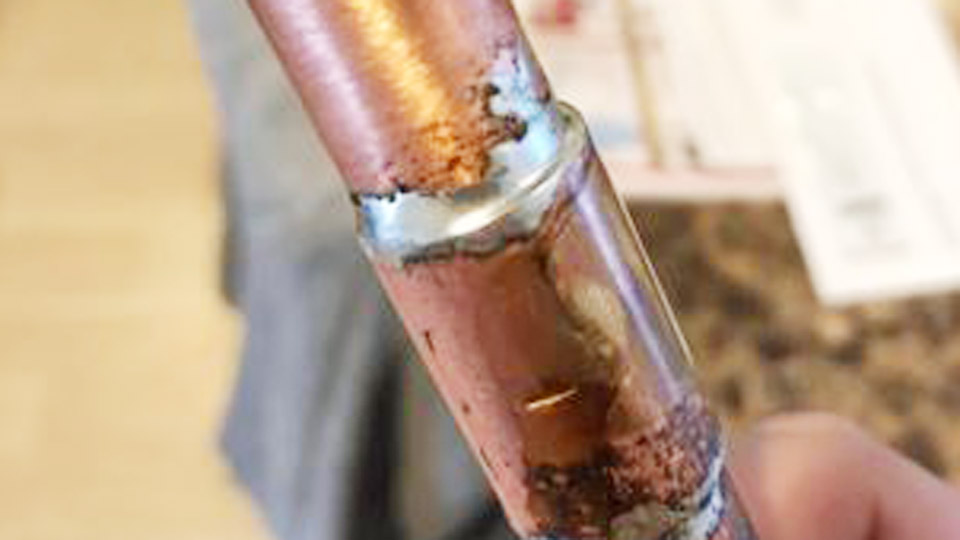
Image by reddit
Brazing refrigerant lines is common in HVAC work, but nitrogen purging is the gold standard to prevent oxidation. Skipping it can lead to problems, but sometimes you’re in a pinch. Let’s dive into the what, why, and how of brazing without nitrogen, with real-world advice for clean, strong joints.
What Is Brazing and Why Nitrogen Is Standard
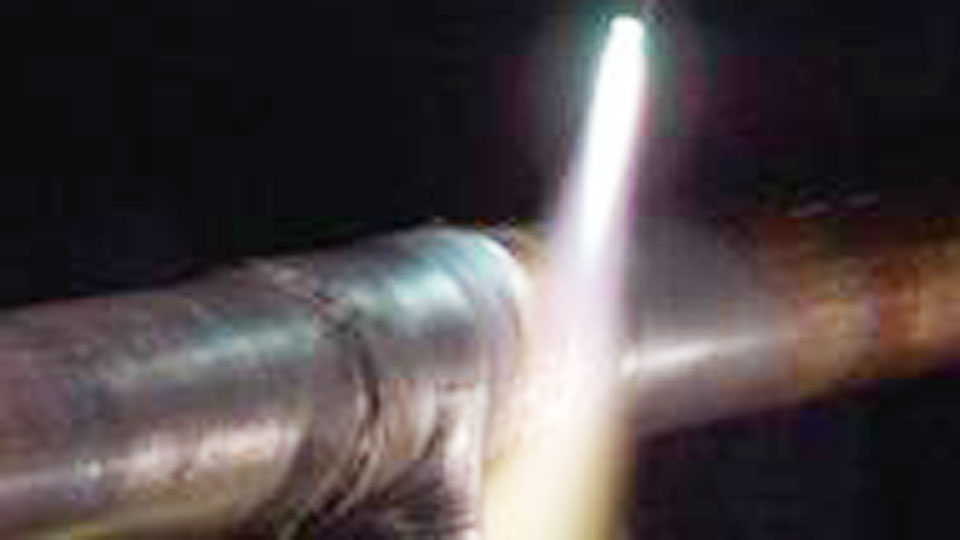
Brazing joins metal pipes using a filler metal (like silver-based alloys) that melts above 840°F but below the base metal’s melting point. In HVAC, it’s used to connect copper refrigerant lines for AC units, heat pumps, or chillers. I’ve brazed countless lines for mini-splits and commercial systems, and it’s all about creating leak-proof, durable joints.
Nitrogen purging is standard because it prevents copper oxide formation inside the pipes. When you heat copper above 900°F, oxygen in the air reacts with it, forming black, flaky oxide scale. This scale can clog filters, valves, or compressors, causing system failure. I learned this the hard way when a client’s AC unit failed due to oxide buildup from a nitrogen-free braze job.
Why Skip Nitrogen?
Sometimes, you don’t have a nitrogen tank or regulator on hand—maybe you’re at a remote site or doing a quick DIY repair. I’ve been there, finishing a mini-split install in a rural area with no nitrogen available. Other times, cost or time constraints push you to skip it. But brazing without nitrogen is riskier, so you need to know the trade-offs and techniques to minimize damage.
Risks of Brazing Without Nitrogen
Brazing without nitrogen isn’t ideal, and I’ve seen the consequences firsthand. Here’s what can go wrong:
Oxide Formation: Without nitrogen, oxygen reacts with hot copper, creating oxide flakes that circulate in the system. I’ve seen these clog TXVs (thermostatic expansion valves) and cause compressor issues.
System Contamination: Oxide and debris reduce efficiency and lead to early failures. A commercial chiller I repaired had a clogged filter drier because the installer skipped nitrogen.
Leaks: Improper brazing can weaken joints, leading to refrigerant leaks. I’ve fixed pinhole leaks from poorly brazed joints.
Warranty Issues: Many HVAC manufacturers require nitrogen purging. Skipping it might void warranties or fail inspections.
If you must braze without nitrogen, extra care and preparation can reduce these risks, but it’s never as safe as using nitrogen.
Tools and Materials You’ll Need
Before brazing, gather the right gear. I’ve had jobs go south because I was missing a tool, so here’s what you need for brazing refrigerant lines:
- Oxy-Acetylene Torch: Provides the high heat (around 1400°F) needed for brazing. I use a Victor J-28 with a rosebud tip for even heating.
- Brazing Rods: 15% silver (like Harris Stay-Silv 15) for strong, leak-proof joints. No flux needed for copper-to-copper.
- Tubing Cutter: For clean, burr-free cuts on copper lines.
- Emery Cloth or Sandpaper: To clean pipes thoroughly.
- Wire Brush: Stainless steel for final cleaning.
- Degreaser: Acetone or alcohol to remove oil and grease.
- Safety Gear: Welding gloves, shade 5-7 goggles, and flame-resistant clothing.
- Filter Drier: Extra driers to catch any oxide debris.
- Vacuum Pump and Micron Gauge: To evacuate the system to 500 microns after brazing.
- Manifold Gauge Set: To pressure-test the system.
Keep a spare filter drier handy—it’s your last line of defense against oxide flakes.
Preparing Refrigerant Lines for Brazing
Preparation is critical when brazing without nitrogen. Here’s how I set up for success.
Clean the Copper Thoroughly
Cleanliness is everything. I use a tubing cutter to get a straight, burr-free cut, then sand the pipe ends with 120-grit emery cloth until they shine. Wipe with acetone to remove grease or oil. I once skipped thorough cleaning on a rush job, and the joint leaked within a month.
Ensure Tight Joint Fits
The gap between pipes should be 0.002-0.005 inches for the brazing alloy to flow properly. I use a swaging tool to flare one pipe end slightly so the other slips in snugly. A loose fit leads to weak joints, and I’ve had to redo sloppy connections because of this.
Minimize Oxygen Exposure
Without nitrogen, you can’t eliminate oxygen, but you can reduce it. Work in a well-ventilated area to disperse fumes, and braze quickly to limit heat exposure. I’ve found that keeping the torch moving and heating only the joint area helps.
| Preparation Step | Purpose | Tools Needed |
|---|---|---|
| Clean Pipes | Removes oxides, grease, and dirt | Emery cloth, acetone, wire brush |
| Cut Pipes | Ensures burr-free, straight edges | Tubing cutter |
| Swage Joints | Creates tight fit for filler flow | Swaging tool |
Best Techniques for Brazing Without Nitrogen
Brazing without nitrogen requires precision to minimize oxide formation. Here’s how I do it, step by step, based on a recent mini-split install where I had no nitrogen.
Step 1: Set Up Your Torch
Use an oxy-acetylene torch with a neutral flame (equal oxygen and acetylene) for even heating. I start with a small flame and adjust to avoid overheating. For 3/8-inch copper lines, I use a #2 tip to focus heat on the joint.
Step 2: Heat the Joint Evenly
Heat the pipe, not the filler rod. I move the flame around the joint in a circular motion, heating both pipes evenly until they glow cherry red (around 1200-1400°F). Overheating causes more oxidation, so I watch the color closely.
Step 3: Apply the Brazing Rod
Once the joint is hot, touch the 15% silver brazing rod to the seam. The rod should melt and flow into the gap by capillary action. I use just enough rod to fill the joint—too much creates messy welds. For a 3/8-inch line, about 2-3 inches of rod is enough.
Step 4: Cool and Inspect
Let the joint cool naturally—don’t quench it with water, as this can cause cracks. Inspect for a smooth, shiny ring of filler metal around the joint. If it’s rough or porous, you may need to re-braze. I’ve caught weak joints by tapping them lightly with a screwdriver.
Step 5: Clean the System
Without nitrogen, some oxide flakes are inevitable. Install an extra filter drier in the liquid line to catch debris. I also flush the lines with a solvent like RX11 to remove loose particles before evacuating the system.
Alternatives to Brazing Without Nitrogen
If you’re avoiding nitrogen, consider these alternatives I’ve used in a pinch:
Stay-Brite 8 Soft Solder
Stay-Brite 8 is a silver-bearing solder with a lower melting point (around 430°F). It’s less durable than brazing but doesn’t require high heat, reducing oxidation. I’ve used it for small repairs on low-pressure systems, but it’s not code-compliant for most HVAC applications due to vibration risks.
SmartLock or ZoomLock Fittings
No-braze fittings like SmartLock or ZoomLock use compression to join pipes. I tried ZoomLock on a commercial chiller repair where flames were prohibited. They’re fast and safe but require special tools and can be pricey. They’ve held up well in my experience, with no leaks after two years.
Flare Fittings
For mini-splits, flare fittings avoid brazing altogether. I’ve installed flare-connected systems for DIYers who didn’t want to braze. They’re reliable if done correctly but require a high-quality flaring tool and precise technique.
| Method | Pros | Cons | Best For |
|---|---|---|---|
| Brazing (No Nitrogen) | Strong joints, widely used | Oxide risk, health hazards | Emergency repairs, small jobs |
| Stay-Brite 8 | Low heat, less oxidation | Weaker, not code-compliant | Low-pressure repairs |
| SmartLock/ZoomLock | No flame, safe, fast | Expensive, needs special tools | Flame-restricted areas |
| Flare Fittings | No heat, DIY-friendly | Risk of leaks if poorly done | Mini-splits, temporary fixes |
Mitigating Oxide Risks Without Nitrogen
Since you’re not using nitrogen, you need to minimize oxide formation and its impact. Here’s how I do it:
Braze Quickly: Limit heat exposure to reduce oxidation. I time my brazing to under 30 seconds per joint.
Use Extra Filter Driers: Install one in the liquid line and, if possible, a temporary one in the suction line. I’ve caught oxide flakes this way on a system I brazed without nitrogen.
Flush the Lines: Use a solvent flush (like RX11) to push out debris before evacuation. I’ve saved systems from clogs by flushing thoroughly.
Evacuate Properly: Pull the system to 500 microns with a vacuum pump to remove moisture and air. I check with a micron gauge to ensure a tight system.
Safety Tips for Brazing Without Nitrogen
Brazing without nitrogen increases fume exposure, so safety is critical. Here’s how I protect myself:
- Wear a Respirator: A P100 filter blocks zinc or copper oxide fumes. I got sick once from fumes and now never skip the respirator.
- Use Proper PPE: Shade 5-7 goggles, welding gloves, and a flame-resistant jacket are musts.
- Ventilate the Area: Work outdoors or use exhaust fans. I’ve used a portable fume extractor for indoor jobs.
- Keep a Fire Extinguisher Nearby: Sparks can ignite debris, especially in attics or near flammable materials.
- Avoid Overheating: Excessive heat increases fumes and oxide formation. Keep the flame focused.
Real-Life Experience: My Nitrogen-Free Mistake
A few years back, I was installing a 4-ton AC unit for a friend’s house. I ran out of nitrogen mid-job and decided to finish brazing without it to meet a deadline. The joints looked solid, and the system ran fine for a few months. But then the TXV clogged, and the compressor started acting up.
I had to replace the filter drier and flush the system, costing me time and money. Since then, I only braze without nitrogen in emergencies, and I always add extra driers and flush the lines to minimize damage.
Common Mistakes and How to Avoid Them
I’ve seen plenty of brazing errors, especially without nitrogen. Here’s how to avoid them:
- Dirty Pipes: Uncleaned pipes lead to weak joints. Always sand and degrease thoroughly.
- Overheating: Too much heat creates more oxides. Use a neutral flame and braze quickly.
- Poor Joint Fit: Loose or tight joints cause leaks. Swage pipes for a 0.002-0.005-inch gap.
- Skipping Evacuation: Without a proper vacuum, moisture and air stay in the system. Always pull to 500 microns.
Practical Tips for Brazing Refrigerant Lines
Here are some tricks I’ve learned over the years:
- Practice on Scrap: Test braze on copper scraps to perfect your technique.
- Use a Mirror: For tight spaces, a small mirror helps you see the joint.
- Mark Joints: Use chalk to mark where to braze for consistency.
- Check for Leaks: Pressure-test with dry air or CO2 before evacuation.
- Keep Tools Clean: A dirty torch tip or clogged regulator can ruin your braze.
These tips have saved me from countless headaches on HVAC jobs.
Brazing Without Nitrogen the Smart Way
Brazing refrigerant lines without nitrogen isn’t the best practice, but sometimes you’re stuck without a tank or in a rush. With careful preparation, quick brazing, and extra steps like flushing and adding filter driers, you can minimize risks and get solid joints.
I’ve learned from my mistakes—like that costly AC repair—and now I know how to handle these situations safely. Whether you’re a DIYer fixing a mini-split or a pro on a commercial job, these techniques will help you braze with confidence.
Can you braze refrigerant lines without nitrogen?
Yes, but it’s risky. Without nitrogen, oxide flakes form inside the pipes, which can clog valves or damage compressors. Use extra filter driers and flush the lines to minimize issues.
What happens if I don’t use nitrogen when brazing?
Oxygen reacts with hot copper, forming oxide scale that can circulate in the system. I’ve seen this clog TXVs and cause system failures. Proper cleaning and evacuation help reduce the damage.
Is Stay-Brite 8 a good alternative to brazing?
Stay-Brite 8 is a low-temperature solder that reduces oxidation, but it’s weaker and not code-compliant for most HVAC systems. I’ve used it for small repairs but prefer brazing for durability.
Are no-braze fittings like SmartLock reliable?
Yes, fittings like SmartLock or ZoomLock are great for flame-restricted areas. I’ve used ZoomLock on a chiller repair with no leaks after two years, but they require special tools.
How do I know if my brazed joints are good?
Inspect for a smooth, shiny ring of filler metal around the joint. Pressure-test the system and evacuate to 500 microns. I’ve caught weak joints by tapping them lightly with a screwdriver.