
If you’ve spent any time in a shop like I have, banging away with a MIG gun or dialing in your stick welder settings, you know joining materials isn’t always about melting metal. Sometimes, it’s about smarter, cleaner ways to get the job done. So, what are adhesives used for? In the world of welding and fabrication, adhesives are game-changers for bonding metals, composites, and more without the heat, sparks, or distortion that come with traditional welding. I’ve used them on everything from trailer frames to custom fab projects, and they can save you time, money, and headaches.
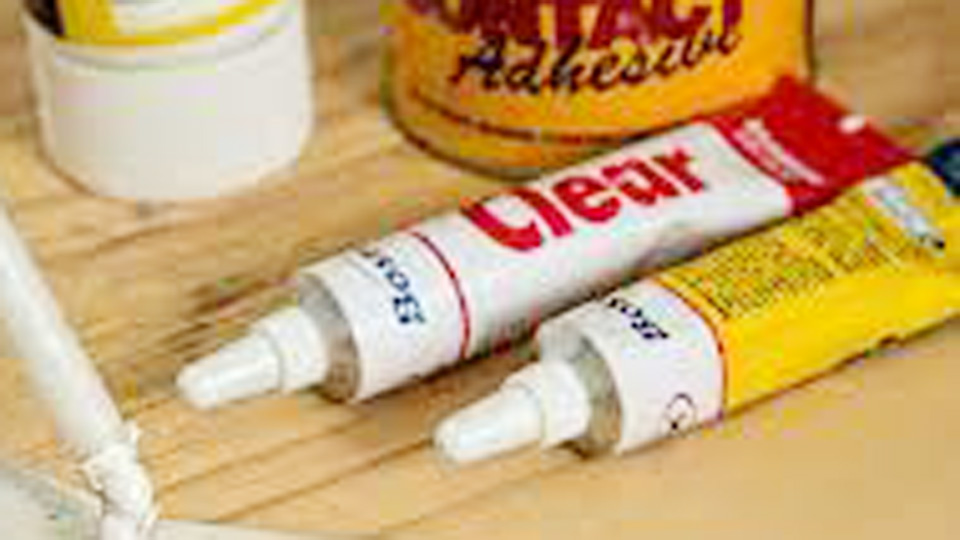
Image by globalspec
Why does this matter in the real world? Safety first—adhesives eliminate the fire hazards of welding near flammable materials. They ensure weld integrity by reducing stress concentrations that can lead to cracks over time. Material compatibility is huge too; you can bond dissimilar metals or metals to plastics without worrying about galvanic corrosion.
And cost efficiency? Adhesives cut down on labor, skip the need for expensive filler rods, and let you lightweight your builds without sacrificing strength. Trust me, after 15 years in the trade, I’ve seen adhesives turn a tricky job into a smooth one more times than I can count.
Understanding Adhesives in the Welding Shop
Let’s break this down like we’re chatting over a workbench. Adhesives aren’t just glue from the hardware store—they’re engineered bonding agents designed for heavy-duty work. In fabrication, we’re talking structural adhesives that hold up under loads, vibrations, and harsh environments.
These come in a few main flavors I’ve relied on. Acrylics, like methyl methacrylates (MMAs), are tough and fast-setting, perfect for metal-to-metal bonds. Epoxies offer killer strength and resist chemicals, great for outdoor gear. Urethanes bring flexibility, absorbing shocks in things like vehicle frames.
How do they work? Basically, you apply the adhesive to clean surfaces, clamp the parts, and let it cure. Chemical reactions create a bond stronger than the materials themselves in some cases. No heat means no warping, which is a lifesaver on thin sheets.
When Should You Reach for Adhesives Over Your Welder?
Picture this: You’re fabbing a aluminum trailer side, and welding it risks burning through or distorting the panel. That’s when adhesives shine. Use them when heat could damage coatings, like on galvanized steel, or when joining metals with different expansion rates.
Why choose adhesives? They’ve got advantages in speed and simplicity. I once had a rush job on a custom gate—adhesives let me bond the frame in minutes without firing up the welder, saving hours.
But they’re not always the answer. If your project needs extreme heat resistance, like exhaust systems, stick with welding. Adhesives top out around 300°F for most types.
Types of Adhesives Every Welder Should Know
Diving deeper, let’s talk specifics. Structural adhesives are your go-tos in the shop.
Acrylics: These two-part mixes cure fast, often in 5-10 minutes. I’ve used them for bonding steel brackets to aluminum—minimal prep, just wipe off oils.
Epoxies: Mix resin and hardener for a rock-solid bond. Ideal for high-stress areas, like repairing cracks in machinery. Pro tip: Warm the parts slightly for better flow.
Urethanes: Flexible and impact-resistant, perfect for vibrating assemblies like truck beds. They handle moisture well, unlike some epoxies.
And don’t forget silicones for sealing— not structural, but handy around welds to prevent leaks.
How Adhesives Compare to Traditional Welding Processes
As a welder, I love my TIG for precision, but adhesives have their place. Let’s compare.
In MIG welding, you melt filler wire into the joint—great for thick steel, but it creates heat-affected zones that weaken metal. Adhesives distribute stress evenly, no weak spots.
Stick welding with rods like 7018 gives strong penetration, but it’s messy with slag. Adhesives? Clean application, no cleanup.
Gas welding is old-school for thin stuff, but adhesives handle it without flames.
Here’s a quick table to visualize:
| Joining Method | Strength | Prep Time | Cost | Heat Involved | Flexibility |
|---|---|---|---|---|---|
| MIG Welding | High | Medium | Medium | Yes | Low |
| Stick Welding | High | Low | Low | Yes | Low |
| Adhesives | High (structural) | Low | Low | No | High |
| Rivets/Fasteners | Medium | Medium | Medium | No | Medium |
Adhesives win on versatility, especially for DIYers without pro welding gear.
Practical Applications of Adhesives in Fabrication
In my shop, adhesives pop up everywhere. For trailer builds, I use them to bond panels to frames— lighter weight, no rust from drill holes.
In automotive fab, they’re huge for body panels. I helped a buddy bond a fiberglass hood to a steel frame; adhesives handled the mismatch perfectly.
Aerospace? High-end stuff, but principles apply to drone frames or RC models—adhesives reduce weight.
Even in construction, like metal roofing, adhesives seal seams better than soldering sometimes.
One anecdote: I was fabbing a custom toolbox. Welding the lid risked warping; adhesives kept it flat and strong.
Step-by-Step Guide to Applying Adhesives in Your Weld Projects
Alright, let’s get hands-on. Here’s how I do it.
Step 1: Assess the materials. Ensure compatibility—test a scrap piece if unsure.
Step 2: Surface prep. Wipe with isopropyl alcohol to remove oils. For metals, abrade lightly with 80-grit for bite.
Step 3: Mix if two-part. Follow ratios exactly; I use a digital scale for precision.
Step 4: Apply evenly. Use a caulk gun for cartridges—spread with a putty knife for flat joints.
Step 5: Clamp. Use bar clamps to hold 50-100 PSI pressure. Glass beads in some adhesives control thickness.
Step 6: Cure. Room temp for most, but heat lamps speed it up. Full strength in 24 hours.
Step 7: Test. Tug or tap to check bond before use.
Machine settings? No welder needed, but if prepping with a grinder, keep RPM low to avoid overheating.
Surface Preparation and Joint Design for Strong Bonds
Prep is key—skip it, and your bond fails. I learned the hard way on a gate project; greasy surfaces led to delamination.
Clean, dry, roughen. For aluminum, etch with acid if possible.
Joint design: Lap joints for shear strength. Avoid butt joints—adhesives hate tension.
Tip: Design with 0.005-0.010 inch gap for adhesive flow. Too thick, strength drops.
In US codes like AWS, adhesives must meet load tests for structural use.
Safety Considerations with Adhesives in the Shop
Safety’s non-negotiable. Adhesives can irritate skin—wear nitrile gloves, not latex.
Vapors? Use in ventilated areas; I keep a fan running.
Fire risk low compared to welding, but some are flammable pre-cure.
Eye protection always, and read the SDS sheet. No eating or smoking near them.
For pros, PPE like respirators for large jobs.
Common Mistakes Welders Make with Adhesives and How to Fix Them
Biggest mistake: Rushing cure time. I once moved a bonded frame too soon—popped apart. Fix: Patience, or use faster-set formulas.
Over-applying: Messy and wasteful. Fix: Practice on scraps.
Ignoring temp: Cold shops slow curing. Fix: Warm parts to 70°F.
Mismatch materials: Epoxy on polyethylene? No go. Fix: Check compatibility charts.
Anecdote: Early in my career, I used wrong adhesive on a humid day—didn’t cure. Switched to moisture-resistant urethane, problem solved.
Integrating Adhesives with Welding Techniques
Sometimes, hybrid is best. Weld the main structure, adhesive for attachments.
For example, weld a frame with 6011 rods for penetration, then adhesive panels to avoid heat distortion.
Equipment: Keep adhesives in a cool, dry cabinet. Shelf life matters—check dates.
Filler compatibility: Adhesives work with painted surfaces, unlike welding which strips paint.
Cost Efficiency and Material Insights for DIY and Pro Welders
Adhesives cut costs—no gas, no rods. A tube of structural adhesive runs $20-50, bonds multiple joints.
For students: Start with epoxies for school projects—easy, safe.
Industry workers: In fabs, adhesives speed lines, reduce rework.
Semantic stuff: Think bonding agents, structural glues, fabrication joiners.
Advanced Tips for Machine Settings and Prep Work
No machines for adhesives, but prep with angle grinder at 5000 RPM for light abrasion.
For clamping, use 20-50 PSI—too much squeezes out adhesive.
In humid US climates like Florida, choose moisture-cure types.
Real-World Examples from US Shops
In Detroit auto fabs, adhesives bond EV battery trays—lightweight, no weld sparks near electronics.
Texas oil rigs use epoxies for repairs—quick, no hot work permits.
My shop in California: Bonded solar panel mounts to metal roofs—durable against earthquakes.
Codes: Follow ASTM standards for adhesive strength testing.
Why Adhesives Boost Weld Integrity and Compatibility
Adhesives fill gaps, reducing voids that cause failures in welds.
Compatibility: Bond steel to composites without corrosion.
Integrity: Even stress distribution means longer life.
Cost: Less energy, no consumables like argon gas.
Wrapping Up: Key Takeaways on Adhesives in Welding
So, we’ve covered a lot— from types and applications to tips and mistakes. Adhesives are used for bonding where welding falls short: no heat, versatile materials, cleaner finishes. You’re now equipped to pick the right one, whether DIYing a gate or pro-fabbing a trailer. Feel confident tackling that next project; adhesives make you more versatile in the shop.
One pro tip: Always do a mock-up bond on scrap—saves grief down the line.
FAQ
Can adhesives really replace welding in structural applications?
Absolutely, in many cases. Structural adhesives like epoxies and MMAs offer shear strengths over 1,000 PSI, comparable to spot welds. I’ve used them on load-bearing frames with no issues, but always check engineering specs for your build.
What’s the best adhesive for bonding metal to plastic in fabrication?
Urethanes are my pick for their flexibility and adhesion to dissimilar materials. Prep surfaces well, apply evenly, and clamp for 24 hours. They handle vibrations better than rigid epoxies.
How do I know if an adhesive is strong enough for my welding project?
Look for “structural” on the label and check lap shear ratings—aim for 2,000+ PSI for heavy duty. Test on samples under load; if it holds like a weld, you’re good.
Are there safety differences between using adhesives and welding?
Yes, adhesives reduce burn and spark risks, but watch for chemical fumes—use ventilation. Welding needs fire gear; adhesives require skin protection. Both demand respect, but adhesives are safer for beginners.
When should I use welding rods instead of adhesives?
Go for rods like 7018 in high-heat or thick-metal scenarios where adhesives might soften. Welding excels in penetration; adhesives in speed and no distortion. Hybrid them for best results.


