MIG welding galvanized steel can be tricky, especially if you’re tackling a repair or DIY project around the home and aren’t sure how to deal with the zinc coating. Just like cleaning stubborn bathroom stains or disinfecting a kitchen surface, proper preparation makes all the difference.
Many homeowners and hobby welders ask, “Is it safe to weld galvanized steel?” or “How do I prevent toxic fumes and weak welds?” The key lies in cleaning the metal first—removing dirt, grease, and that protective zinc layer—much like following reliable cleaning tips for stain removal before a deep scrub.
By taking the right safety steps and using proper techniques, you’ll not only improve weld strength but also avoid health risks. In this guide, we’ll walk through practical, easy-to-follow methods that make MIG welding galvanized steel safer, cleaner, and more effective for any home or workshop project.

Image by mig-welding.co.uk
What Is Galvanized Steel and Why Is It Tricky to Weld?
Galvanized steel is regular steel coated with a layer of zinc to prevent corrosion. You’ll see it in everything from HVAC ducts to outdoor railings and automotive parts. The zinc gives it durability, but when you MIG weld it, that same coating creates challenges. The zinc vaporizes at a lower temperature than steel, producing toxic fumes and causing issues like porosity or spatter in your weld.
I remember my first time welding galvanized steel on a farm gate repair. I didn’t prep the surface properly, and the weld looked like a popcorn ceiling—full of holes and weak spots. The zinc was the culprit, and I learned fast that preparation is everything.
Key Challenges When MIG Welding Galvanized Steel
- Fumes: Zinc vaporizes into toxic fumes that can cause metal fume fever, also called “galv flu.” It’s no joke—headaches, nausea, and chills can knock you out for a day.
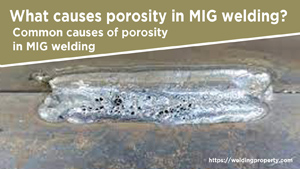
- Porosity: The zinc vapor gets trapped in the weld pool, creating bubbles or voids that weaken the joint.
- Spatter: The vaporizing zinc causes the arc to sputter, leaving messy welds and extra cleanup.
- Arc Instability: The coating can mess with your arc, making it hard to maintain a consistent weld.
Why MIG Welding Works for Galvanized Steel
MIG welding, or Gas Metal Arc Welding (GMAW), is popular for galvanized steel because it’s versatile and relatively easy to control. The continuous wire feed and shielding gas help maintain a stable arc, even with the zinc interference. Plus, MIG is great for both thin and thick galvanized steel, making it ideal for DIYers and pros alike.
Safety First: Protecting Yourself from Zinc Fumes
Let’s talk safety before we dive into the technical stuff. Welding galvanized steel without proper precautions is like playing with fire—literally. The zinc fumes are toxic, and you don’t want to end up curled up with a fever because you skipped a step.
Ventilation Is Non-Negotiable
Always weld in a well-ventilated area. If you’re in a shop, set up exhaust fans or use a fume extractor positioned near the weld. I’ve worked in tight spaces where I thought, “I’ll just hold my breath and power through.” Bad idea. I ended up with a splitting headache by the end of the day. If you’re outdoors, position yourself upwind so the fumes blow away from you.
Personal Protective Equipment (PPE)
Wear a respirator rated for welding fumes, like an N95 or P100. A standard dust mask won’t cut it. Pair that with your usual welding gear: a helmet with a proper shade (10-13 for MIG), flame-resistant gloves, and a welding jacket. Don’t skimp on eye protection either—the arc is brighter on galvanized steel due to the zinc.
Fume Extraction Systems
For professional shops, invest in a fume extraction system. These units suck up fumes right at the source. They’re pricey, but they’re a game-changer for long-term health and compliance with OSHA standards in the U.S.
Preparing Galvanized Steel for MIG Welding
Prep work is where the magic happens. If you skip this, you’re setting yourself up for frustration. The goal is to remove as much zinc as possible from the weld area to minimize fumes and ensure a clean weld.
Step-by-Step Prep Process
- Clean the Surface: Wipe down the steel with a degreaser or acetone to remove dirt, oil, or grease. A clean surface helps the zinc removal process.
- Remove the Zinc Coating: Use a grinder with a flap disc or wire wheel to strip the zinc from the weld area. Focus on a 1-2 inch strip where you’ll lay the bead. Don’t go overboard and remove too much steel—just the shiny zinc layer.
- Check Your Work: The area should look like bare steel, not shiny or silvery. If it’s still glossy, keep grinding.
- Wipe Again: After grinding, clean the area again to remove any zinc dust or debris.
Common Mistake: Skipping Zinc Removal
I’ve seen new welders try to weld right over the zinc, thinking the MIG process will “burn it off.” It doesn’t work that way. You’ll get a weak, porous weld and a cloud of toxic fumes. Take the extra 5 minutes to prep—it’s worth it.
Pro Tip for Prep
If grinding isn’t an option (like on thin sheet metal), you can use a chemical zinc stripper. Apply it carefully, following the manufacturer’s instructions, and rinse thoroughly. I’ve used this on delicate projects like HVAC ductwork, and it works like a charm.
Choosing the Right MIG Welding Equipment
Your MIG welder needs to be up to the task. Most standard MIG welders can handle galvanized steel, but the setup makes a difference.
Welder Types
- Entry-Level MIG Welders: Machines like the Lincoln Electric Weld-Pak or Miller Millermatic 211 are great for DIYers and small shops. They handle thin galvanized steel (like 18-gauge) with ease.
- Industrial MIG Welders: For thicker materials or high-volume work, go for something like the Lincoln Power MIG 260 or ESAB Rebel. These offer better control and higher amperage for structural jobs.
Wire Selection
Use ER70S-6 or ER70S-3 solid wire for MIG welding galvanized steel. The ER70S-6 is my go-to because it flows well and handles minor surface impurities. Stick to 0.035-inch wire for most applications, but drop to 0.030-inch for thinner stock.
Shielding Gas
A mix of 75% argon and 25% CO2 (C25) is standard for galvanized steel. It provides a stable arc and decent penetration. For thinner materials, you can use 100% CO2, but expect more spatter. Make sure your gas flow is set between 15-20 CFH to avoid turbulence.
Common Mistake: Wrong Gas Flow
I once set my gas flow too high (30 CFH) on a windy job site, and the shielding gas got blown away. The weld was a mess—full of porosity. Stick to the 15-20 CFH range and check your regulator before starting.
MIG Welding Settings for Galvanized Steel
Getting your machine settings right is critical. Too hot, and you’ll burn through; too cold, and the weld won’t penetrate. Here’s a starting point based on material thickness.
Suggested Settings Table
| Material Thickness | Wire Diameter | Voltage | Wire Feed Speed | Amperage |
|---|---|---|---|---|
| 24-gauge (0.025″) | 0.030″ | 15-17V | 150-200 IPM | 30-50A |
| 18-gauge (0.048″) | 0.035″ | 17-19V | 200-250 IPM | 50-80A |
| 1/8-inch (0.125″) | 0.035″ | 19-22V | 250-300 IPM | 80-120A |
| 1/4-inch (0.250″) | 0.035″ | 22-25V | 300-350 IPM | 120-150A |
Note: IPM = inches per minute. Adjust based on your machine and joint type.
Fine-Tuning Your Settings
Start with the settings above, then tweak based on your weld. If you’re getting too much spatter, lower the voltage slightly. If the weld isn’t penetrating, bump up the wire feed speed. I always test on a scrap piece of galvanized steel first—it saves time and materials.
Pro Tip for Settings
Keep your stick-out (the distance from the contact tip to the workpiece) at about 3/8 to 1/2 inch. Too long, and you’ll lose arc stability; too short, and you’ll get excessive spatter.
MIG Welding Techniques for Galvanized Steel
Technique matters as much as prep and settings. MIG welding galvanized steel requires a steady hand and some adjustments to account for the zinc.
Push vs. Pull Technique
Use the push technique (pointing the gun forward) for galvanized steel. It gives better shielding gas coverage and reduces spatter. Pulling can drag zinc vapor into the weld pool, causing porosity.
Travel Speed
Move a bit faster than you would on regular steel. The zinc vaporizes quickly, so a slower travel speed can overheat the weld pool and trap gas. Aim for a consistent pace that leaves a smooth, uniform bead.
Joint Preparation
For butt joints, use a slight gap (1/16 inch) to allow zinc vapors to escape. For lap or fillet welds, ensure tight fit-up to avoid burn-through. Bevel edges on thicker stock (1/4 inch or more) for better penetration.
Common Mistake: Ignoring Porosity
If your weld looks like Swiss cheese, you didn’t remove enough zinc or your travel speed was too slow. Stop, grind out the bad weld, and prep the area again. It’s frustrating, but a weak weld isn’t worth the risk.
Anecdote: Learning the Hard Way
On a job welding galvanized guardrails, I rushed the prep and ended up with porous welds that failed inspection. I had to grind out every bead and redo the job—cost me a whole day. Now, I always double-check my prep and test my settings on scrap first.
Comparing MIG Welding to Other Processes for Galvanized Steel
MIG isn’t the only way to weld galvanized steel. Let’s look at how it stacks up against stick and TIG welding.
MIG vs. Stick Welding
- MIG Pros: Faster, cleaner, better for thin materials, less skill required.
- MIG Cons: More spatter on galvanized steel, requires shielding gas.
- Stick Pros: No gas needed, great for outdoor work, handles thicker materials.
- Stick Cons: Slower, messier, harder to control on thin stock.
MIG vs. TIG Welding
- MIG Pros: Faster, easier for beginners, good for production work.
- MIG Cons: Less precise, more spatter.
- TIG Pros: Precise, clean welds, ideal for thin or intricate work.
- TIG Cons: Slow, requires more skill, not practical for large projects.
For most galvanized steel jobs, MIG strikes a balance between speed, quality, and ease of use, especially for DIYers and small shops.
Post-Weld Cleanup and Inspection
After welding, your job isn’t done. Galvanized steel welds need extra attention to ensure quality and durability.
Cleaning the Weld
Use a wire brush or grinder to remove spatter and slag. If the weld is exposed to the elements, apply a zinc-rich paint or cold galvanizing spray to restore corrosion resistance. I’ve used Rust-Oleum’s galvanizing compound on outdoor projects, and it holds up well.
Inspecting for Quality
Check for porosity, cracks, or incomplete fusion. A good weld should be smooth, with consistent penetration and no visible holes. If you’re working to AWS D1.1 standards (common in the U.S.), your welds need to meet specific criteria for structural integrity.
Common Mistake: Ignoring Corrosion
If you don’t recoat the weld area with a zinc-rich product, the bare steel will rust fast. I learned this after welding a galvanized trailer frame and seeing rust spots within a month. Always protect the weld zone.
Real-World Applications of MIG Welding Galvanized Steel
Galvanized steel is everywhere, and MIG welding it is common in these scenarios:
- Automotive Repairs: Fixing galvanized exhaust systems or body panels.
- HVAC Systems: Welding ductwork or fittings.
- Construction: Building guardrails, fencing, or structural supports.
- DIY Projects: Fabricating trailers, gates, or outdoor furniture.
Each application has its quirks. For example, HVAC ductwork is thin, so you’ll need lower settings and a steady hand to avoid burn-through. Structural work, like guardrails, demands deeper penetration and stricter adherence to welding codes.
Conclusion: Weld Smarter, Not Harder
MIG welding galvanized steel isn’t just about striking an arc—it’s about preparation, safety, and technique. By removing the zinc coating, using the right settings, and prioritizing ventilation, you can produce strong, clean welds that stand up to scrutiny.
Whether you’re a hobbyist tinkering in your garage or a pro on a job site, you’re now equipped to tackle galvanized steel with confidence. You’ll avoid common pitfalls like porosity and fumes, saving time, money, and your health.
Always keep a small fan handy to blow fumes away from your face, even with a respirator. It’s a simple trick that makes a big difference in comfort and safety.
FAQ
Can you MIG weld galvanized steel without removing the zinc?
You can, but it’s a bad idea. Welding over zinc produces toxic fumes and porous welds. Always grind or chemically strip the zinc from the weld area for safety and quality.
What’s the best shielding gas for MIG welding galvanized steel?
A 75% argon/25% CO2 mix (C25) is ideal. It provides a stable arc and good penetration. For thinner stock, 100% CO2 works but expect more spatter.
How do I avoid porosity when welding galvanized steel?
Remove the zinc coating completely, use a slight gap in butt joints, and maintain a steady travel speed. Test your settings on scrap to ensure the weld pool isn’t trapping zinc vapors.
Is MIG welding galvanized steel safe?
Yes, if you take precautions. Use a respirator, ensure good ventilation, and remove the zinc coating. Without these steps, you risk metal fume fever from zinc fumes.
What wire is best for MIG welding galvanized steel?
ER70S-6 solid wire (0.035-inch) is the best choice for most galvanized steel projects. It flows well and handles minor surface impurities, ensuring a strong weld.