
Cooking on a stainless steel pan can feel great—right up until the food welds itself to the surface and refuses to move. I’ve scraped eggs, torn fish fillets, and ruined a good sear just because I didn’t understand how to stop food sticking to a stainless steel pan the right way. It’s frustrating, especially when you know stainless is supposed to be one of the best pans in the kitchen.
The truth is, stainless steel isn’t nonstick, but it doesn’t have to be sticky either. Heat control, timing, and a couple of simple habits make all the difference. I learned through plenty of trial and error that most sticking problems come from rushing the pan or adding food at the wrong moment.
If you’re tired of scrubbing burnt-on food or losing perfectly good meals to sticking, there’s a simple method that works every time. Let me walk you through the practical, step-by-step technique that turns stainless steel into a reliable, almost nonstick cooking surface.
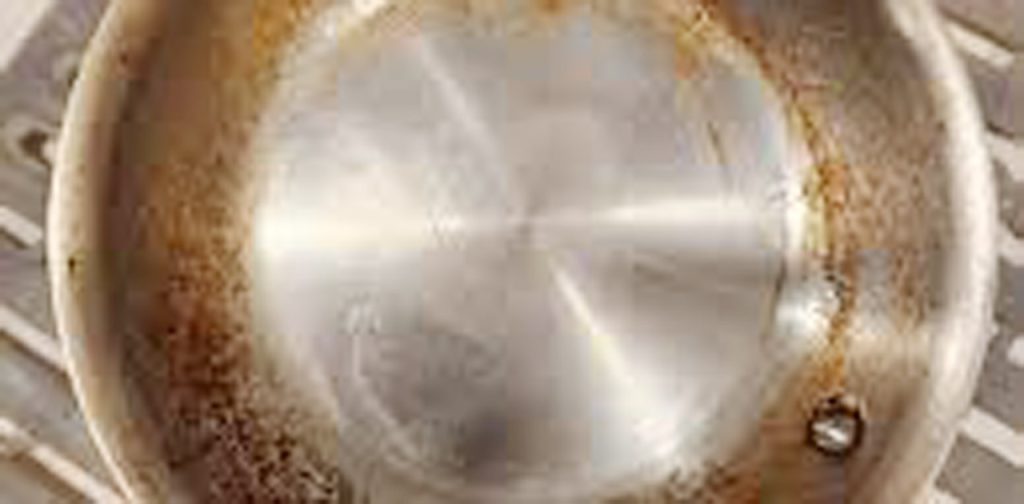
Image by reddit
What Causes Food to Stick in Stainless Steel Pans?
Food sticking starts at the molecular level. Stainless steel, that shiny alloy we welders love for its corrosion resistance, has a surface full of tiny imperfections. When you drop cold food into a lukewarm pan, moisture and proteins bond to those pores, creating a glue-like effect. It’s similar to how improper joint prep in welding leads to poor fusion—everything just doesn’t come together right.
This bonding intensifies with high-moisture foods like eggs or fish, where the water content turns into steam and pushes the food down harder. Starches in potatoes or rice can caramelize too quickly if the heat isn’t even, leaving a crusty mess.
Why use stainless anyway? It’s unbeatable for high-heat searing, deglazing sauces, and durability against metal utensils—qualities that make it a staple in professional kitchens and workshops alike.
You should turn to these pans when you want that perfect Maillard reaction, the browning that gives meat its flavor, without worrying about toxic coatings.
In my shop, we use stainless for food-grade fabrications because it’s safe and long-lasting; the same applies at home. But skip it for super-delicate tasks if you’re a beginner—opt for cast iron instead until you nail the technique.
On the shop floor, I’ve learned to heat stainless gradually to avoid warping. Apply that here: always start with a dry pan. A common tip is to avoid overcrowding—too much food drops the temperature, recreating that sticky scenario. I’ve burned through batches of veggies that way, reminding me of overloading a weld joint and causing undercut.
The Science Behind Preventing Sticking: The Leidenfrost Effect Explained
Ever wondered why a drop of water dances on a hot pan? That’s the Leidenfrost effect, a phenomenon where liquid vaporizes instantly, creating a gas layer that prevents contact. In cooking, it translates to your pan being hot enough that food doesn’t bond to the surface right away.
Here’s how it works: As the pan heats, its pores expand slightly, and when you add oil, it forms a thin, even film. The vapor cushion from the hot surface keeps food floating just enough for searing without adhesion.
This is why preheating is non-negotiable—it’s like setting your welder to the right amperage range for the material thickness to ensure smooth arc control.
Use this when cooking proteins or veggies that tend to stick; it’s ideal for medium-high heat tasks. Why bother? It promotes even cooking, reduces oil use, and builds fond (those browned bits) for killer sauces. In real life, I’ve used this to fry up shop lunches without a mess, saving time on cleanup.
Practical tip: Test with water before oil. If it beads and slides, you’re golden. If it sizzles and evaporates slowly, crank the heat. I’ve scorched a few pans learning this, but now it’s second nature, much like dialing in electrode stick-out for better bead appearance.
How to Preheat Your Stainless Steel Pan Properly
Preheating is your first line of defense. It expands the metal evenly, smoothing out those micro-ridges for better oil adhesion.
Start with an empty pan over medium heat for 2-3 minutes—don’t rush it. This works by allowing the entire surface to reach uniform temperature, preventing hot spots that cause uneven sticking.
Do this every time you cook, especially for searing or sautéing. Why? It sets up that vapor barrier we talked about, making flipping a breeze and avoiding rework like scraping off stuck bits.
Step-by-step guide from my kitchen routine:
- Place the dry pan on the burner and set to medium.
- Wait 2-3 minutes; hover your hand above to feel the rising heat.
- Add a few drops of water—if they form a mercury-like bead and skate around, proceed.
- If not, adjust heat and test again.
- Wipe dry if needed, then add your fat.
In the shop, I’ve seen guys warp stainless by heating too fast; same here—medium heat prevents distortion. A pro tip: For thicker tri-ply pans, common in US brands like All-Clad, it heats quicker, so watch closely to avoid overheating.
Choosing the Right Oil or Fat: What Works Best
Fat is your ally, creating that slippery layer between food and steel. But not all are equal—smoke point matters, as low ones burn and cause more sticking.
High-smoke-point oils like canola or avocado work by withstanding heat without breaking down, maintaining their barrier properties. Butter adds flavor but clarify it first to raise the smoke point.
Use oils for neutral tasks, butter for richness in eggs or veggies. Why? They enhance release and add taste without residue.
Here’s a quick comparison table:
| Oil/Fat | Smoke Point (°F) | Best For | Pros | Cons |
|---|---|---|---|---|
| Canola | 400-450 | Frying, sautéing | Neutral flavor, affordable | Processed, less nutritious |
| Avocado | 520 | High-heat searing | Healthy fats, mild taste | Expensive |
| Butter (clarified) | 450 | Eggs, delicate proteins | Rich flavor | Dairy content, burns easily if not clarified |
| Olive (extra virgin) | 325-375 | Low-medium heat | Heart-healthy, flavorful | Low smoke point, can bitter |
From experience, I stick with canola for everyday—it’s like using a versatile 1/8-inch rod for most jobs. Avoid olive for high heat; I’ve smoked out my kitchen that way more than once.
Step-by-Step Guide to Cooking Without Sticking
Let’s put it all together. This method has turned my stainless pans into reliable workhorses.
It works by combining heat, fat, and patience to let natural release happen.
Use it for daily meals—why? It minimizes waste and frustration, like choosing the right filler metal for compatibility.
Steps:
- Preheat dry pan on medium for 2-3 minutes until water beads.
- Add cold oil or butter, swirl to coat, and heat until shimmering (ripples appear).
- Bring food to room temp—pat dry proteins to remove excess moisture.
- Add food; it should sizzle immediately.
- Don’t poke or flip for 1-2 minutes—let it sear.
- Gently nudge with a spatula; if it slides, flip. If not, wait.
- Cook the other side similarly.
- Deglaze with broth or wine for sauce, scraping fond easily.
I’ve fixed many a sticky disaster by waiting longer—beginners often flip too soon, tearing the food like a bad weld pull-apart.
Handling Tricky Foods: Eggs, Fish, and More
Eggs are notorious stickers because of their proteins. Preheat extra hot, use plenty of butter, and crack them in gently.
For fish, pat dry and score skin to prevent curling. Let it sit undisturbed for crisp skin.
Veggies? High heat, minimal oil, constant stirring after initial sear.
Why these tweaks? Each food has different moisture and protein levels, requiring adjusted techniques for release.
Shop anecdote: After welding stainless fish tanks, I tried pan-searing salmon—stuck horribly until I learned to let it release naturally. Now, it’s foolproof.
Pros of mastering this: Perfect textures without non-stick worries. Cons: Takes practice; initial failures are common.
Common Mistakes and How to Fix Them
Even seasoned cooks (and welders) mess up. Top error: Not preheating enough—food bonds instantly.
Fix: Always use the water test.
Another: Too much heat, burning the oil. Solution: Medium is key; adjust down after adding food.
Overcrowding cools the pan—cook in batches.
Cold food from the fridge? Let it warm 15 minutes.
I’ve made all these, leading to stuck messes requiring heavy scrubbing. Learn from them: Patience fixes most, like fine-tuning amperage to avoid rod burn-off.
Cleaning and Maintaining Your Stainless Steel Pan
Proper care keeps your pan performing. Sticking residue? Soak in warm soapy water, then scrub with a soft sponge.
For tough spots, simmer water with baking soda—its alkalinity loosens grime without scratching.
Why? Residue buildup worsens sticking over time, like slag on a weld bead.
Use Bar Keepers Friend for stains—I’ve restored shop-worn stainless this way.
Avoid steel wool; it scratches, though minor ones don’t affect cooking. Dry thoroughly to prevent water spots.
In my experience, treating pans like welding gear—clean after each use—extends life dramatically.
Advanced Tips for Seasoning Stainless Steel (And When It’s Worth It)
Though not like cast iron, you can “season” stainless by heating oil to smoke point, creating a thin polymer layer.
How: Heat pan, add high-smoke oil, smoke for 2-3 minutes, cool, wipe.
It works by bonding oil molecules to the surface, adding slight slickness.
Use sparingly—it’s temporary, washes off. Why try? For extra sticky-prone pans.
But honestly, technique trumps this; I’ve skipped it for years with great results.
Pros: Minor improvement in release. Cons: Time-consuming, not permanent.
Safety Considerations in the Kitchen with Stainless Steel
Heat management isn’t just for cooking—overheated empty pans can warp or discolor, much like thermal distortion in welding.
Always use oven mitts; handles get hot. Ventilate when smoking oil to avoid respiratory issues.
For welders, this mirrors shop safety: Proper PPE and awareness prevent accidents.
Why care? A damaged pan is costly, like reworking a bad joint.
Real-World Applications: From Shop Lunches to Family Dinners
In fabrication jobs, I’ve whipped up quick meals on portable stoves using stainless skillets—preheat on low, add oil, sear burgers without fuss.
For repairs, like fixing a stainless sink, the same heat principles apply.
At home, these tips handle everything from stir-fries to roasts, saving money on replacements.
One lesson: During a long weld session, I rushed preheating and stuck an entire omelet—taught me patience carries over.
In Conclusion
Reflecting on all this, mastering these techniques transforms stainless steel from a frustration to a favorite. You’re now equipped with the knowledge to handle heat, fat, and timing like a pro, avoiding the pitfalls that waste time and ingredients.
Think of it as optimizing your setup for flawless results, whether in the kitchen or workshop. Always deglaze after cooking—those browned bits make the best sauces, turning potential cleanup into flavor gold.
FAQs
Can You Really Make Stainless Steel Pans Non-Stick Permanently?
No, but with proper preheating and oil, they perform like non-stick for most tasks. Technique is key; coatings wear out anyway.
Why Does My Food Still Stick Even After Adding Oil?
Likely insufficient preheat or cold food. Use the water bead test every time, and let ingredients reach room temp.
What’s the Best Oil for Stainless Steel Pans?
Go for high-smoke-point options like canola or avocado. They withstand heat without burning, ensuring a reliable barrier.
How Do I Clean Stuck-On Food Without Scratching the Pan?
Simmer with baking soda and water, then scrub gently. Avoid abrasives; a wooden spoon loosens bits safely.
Is It Worth Seasoning a Stainless Steel Pan Like Cast Iron?
It’s optional and temporary, but try it for extra slipperiness. Heat oil to smoke, cool, wipe—repeat if needed, but daily technique matters more.


