
Whether you’re a DIY enthusiast tinkering in your garage, a fabrication hobbyist crafting custom projects, a professional welder on a job site, or a student learning the ropes, you’ve probably wondered, “How are stainless steel screws made?” It’s a question that pops up when you’re fastening components, building structures, or welding assemblies that need to hold up under tough conditions.
I can tell you that understanding how these screws are made isn’t just trivia—it’s critical for choosing the right fasteners, ensuring weld integrity, and keeping your projects safe and cost-effective.
Stainless steel screws are the backbone of countless welding applications, from marine environments to heavy machinery. Their corrosion resistance, strength, and versatility make them a go-to choice. But picking the wrong screw or misunderstanding its properties can lead to weak welds, corrosion issues, or even project failures. In this article, I’ll walk you through the manufacturing process, explain why it matters for welders, and share practical tips to help you select and use these fasteners.
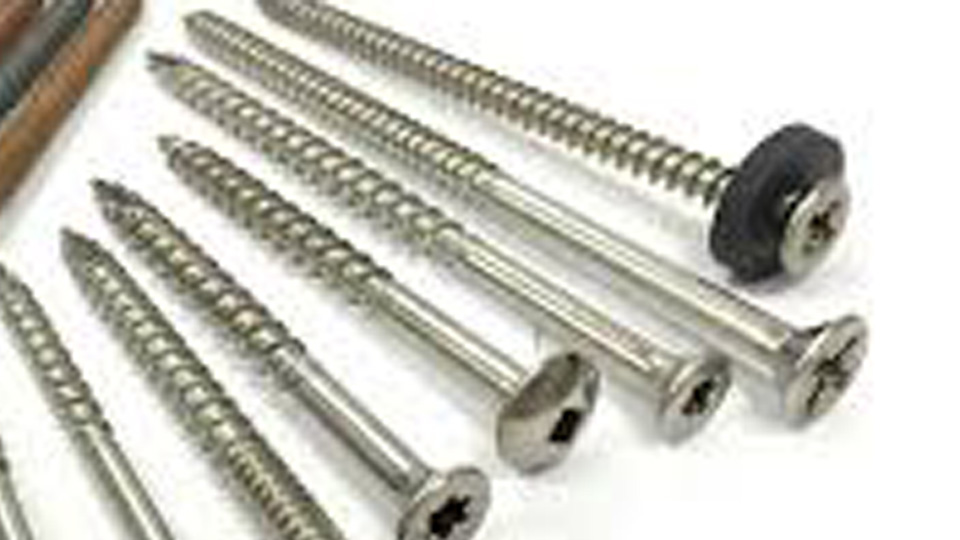
Image by lcnail
Why Stainless Steel Screws Matter in Welding
Let’s talk about why stainless steel screws are such a big deal in our trade. These aren’t just any fasteners—they’re built to withstand harsh environments like saltwater, chemicals, or extreme temperatures. Whether you’re welding a bracket for a boat, assembling a structural frame, or fabricating a custom piece, stainless steel screws provide durability and reliability.
Their corrosion resistance comes from chromium in the alloy, which forms a protective oxide layer. This makes them ideal for projects where rust could compromise safety or aesthetics.
For welders, the stakes are high. A poorly chosen screw can weaken a joint, cause galvanic corrosion when paired with dissimilar metals, or fail under load. I’ve seen DIYers make the mistake of using carbon steel screws in a marine project, only to find rust eating away at their work within months.
Understanding how these screws are made helps you pick the right grade, size, and type for your weld, ensuring your project lasts. Plus, knowing the manufacturing process gives you insight into their strength, weldability, and compatibility with your welding setup.
The Manufacturing Process of Stainless Steel Screws
Let’s break down how stainless steel screws are made, step by step. I’ll keep it straightforward, like I’m explaining it to a buddy in the shop. This process involves precision, heat, and some serious machinery, and it directly impacts the screws you’re welding or fastening.
Step 1: Raw Material Selection
It all starts with raw stainless steel, typically in the form of wire rods or coils. The most common grades for screws are 304 and 316 austenitic stainless steel, thanks to their corrosion resistance and strength. Grade 304 is your everyday workhorse, while 316, with added molybdenum, is better for marine or chemical environments. Manufacturers choose high-quality stainless steel with specific chromium and nickel content to ensure the screws can handle stress and corrosion.
As a welder, you need to know the grade of the screw you’re working with. For example, I once welded a 304 stainless screw to a mild steel plate for a custom bracket. It held up fine in a dry shop environment, but if it was for a coastal job, I’d have gone with 316 to avoid pitting corrosion. Always check the material specs before welding—mismatching can lead to trouble.
Step 2: Wire Drawing and Annealing
The stainless steel wire is drawn through a series of dies to reduce its diameter to the exact size needed for the screw. This cold-working process makes the wire stronger but also harder, which can cause it to become brittle. To fix this, the wire is annealed—heated to a high temperature and slowly cooled—to restore ductility and make it easier to form.
Here’s a tip: If you’re welding stainless steel screws, annealing matters because it affects their weldability. Over-annealed screws can be too soft, leading to burn-through if you’re not careful with your heat settings. I’ve burned through a few screws in my early days by cranking up the TIG welder too high. Start with lower amps and test on scrap first.
Step 3: Cold Heading and Forming
Next comes cold heading, where the wire is cut into short lengths and fed into a machine that shapes the screw head. This is done at room temperature using high-pressure dies to form heads like Phillips, hex, or socket. The process is fast and precise, creating uniform heads that can handle torque without stripping.
For welders, the head style matters. For instance, a hex head screw is great for high-torque applications, like securing heavy machinery parts, because you can use a wrench for extra leverage. I’ve seen hobbyists struggle with Phillips heads stripping during installation—stick to hex or Torx for heavy-duty welds where possible.
Step 4: Thread Rolling
After the head is formed, the screw shank is rolled between two dies to create the threads. This process strengthens the screw by compressing the material, rather than cutting it, which improves fatigue resistance. Thread rolling also ensures precise thread geometry, which is critical for secure fastening.
When welding, the thread type affects how the screw integrates with your assembly. For example, coarse threads are better for softer materials or quick assembly, while fine threads offer stronger holding power in high-vibration environments. I once had a project where fine-threaded screws held up better in a vibrating machine base—coarse threads started loosening after a week.
Step 5: Heat Treatment and Passivation
Some stainless steel screws undergo heat treatment to enhance strength, especially for high-load applications. After that, they’re passivated—a chemical process that removes surface contaminants and enhances the chromium oxide layer for better corrosion resistance. This step is what makes stainless screws so rust-resistant, even in harsh conditions.
Here’s a pro tip: If you’re welding passivated screws, clean the weld area thoroughly first. The passivation layer can sometimes interfere with weld quality if not removed. I use a stainless steel wire brush or a quick grind to prep the surface before TIG welding.
Step 6: Finishing and Quality Control
Finally, the screws are polished, coated (if needed), and inspected for defects. Quality control is rigorous—screws are tested for tensile strength, thread accuracy, and corrosion resistance. Some manufacturers even add coatings like zinc or nickel for extra protection, though this is less common with stainless steel due to its natural corrosion resistance.
As a welder, always inspect your screws before using them. I’ve caught a few bad batches with inconsistent threads or weak heads that would’ve failed under load. A quick visual check and a test fit can save you a headache later.
Why Welders Need to Know This Process
Understanding how stainless steel screws are made isn’t just about satisfying curiosity—it’s about making smart choices in the shop. The manufacturing process affects the screw’s strength, corrosion resistance, and weldability, which directly impact your project’s success.
For example, knowing that cold heading and thread rolling increase strength helps you trust these screws in high-stress applications like structural welds. Recognizing the role of passivation explains why stainless screws hold up in marine or chemical environments.
Plus, this knowledge helps you avoid common pitfalls. I’ve seen welders use the wrong grade of stainless screw, leading to corrosion or cracking under load. By understanding the material and process, you can match the screw to the job, select the right welding technique, and set your machine correctly.
Welding Stainless Steel Screws: Techniques and Tips
Now that you know how stainless steel screws are made, let’s talk about welding them. Stainless steel screws are often welded as studs or fasteners in assemblies, and the process requires care to avoid issues like distortion, burn-through, or weak welds. Here’s a breakdown of the best techniques and practical tips.
Best Welding Processes for Stainless Steel Screws
The two go-to methods for welding stainless steel screws are TIG (Tungsten Inert Gas) and MIG (Metal Inert Gas). Each has its place, depending on your project.
TIG Welding: This is my preferred method for stainless screws because it offers precision and control. TIG uses a non-consumable tungsten electrode and argon shielding gas, producing clean, high-quality welds. It’s ideal for thin screws or applications where appearance matters, like architectural metalwork.
Settings: Use 15–50 amps for small screws, adjusting based on thickness. Keep a tight arc and use a 308 or 316 filler rod for 304 or 316 screws, respectively.
MIG Welding: MIG is faster and better for thicker screws or high-volume production. It uses a wire electrode and shielding gas, making it easier for beginners. However, it can produce more spatter, so cleanup is needed for a polished look. Settings: Start with 80–150 amps, depending on screw size, and use a stainless steel wire like ER308L.
Stick welding is less common for screws due to its higher heat input, which can cause distortion. I’ve used it in a pinch for heavy-duty applications, but TIG or MIG is usually better.
Common Mistakes and Fixes
Welding stainless steel screws can trip you up if you’re not careful. Here are some mistakes I’ve made (or seen) and how to fix them:
Burn-Through: Using too much heat on thin screws can melt them. Fix this by lowering your amps and practicing on scrap. For TIG, try a smaller electrode (1/16 inch) for better control.
Distortion: Stainless steel has high thermal expansion, so it warps easily. Use tack welds to hold the screw in place, and weld in short bursts to minimize heat buildup.
Poor Weld Penetration: If your weld looks good but lacks strength, you might not be cleaning the surface properly. Always degrease and brush the screw and base material to remove oxides or passivation layers.
Cracking: Austenitic stainless steels like 304 can crack if cooled too quickly. Let the weld cool naturally, and avoid quenching in water.
Machine Settings and Prep Work
Before welding, prep is key. Clean the screw and base material with acetone or alcohol to remove oils. Use a stainless steel wire brush (dedicated to stainless to avoid contamination) to scrub the weld area. For TIG, set your machine to DCEN (direct current electrode negative) for stainless steel, and use pure argon as your shielding gas. For MIG, a tri-mix gas (helium, argon, CO2) works well for thicker screws.
Here’s a quick settings guide for welding a 1/4-inch 304 stainless screw:
| Process | Amps | Electrode/Wire | Shielding Gas | Tip |
|---|---|---|---|---|
| TIG | 30–60 | 1/16” tungsten, 308 filler | Pure argon | Keep a 1/8” arc length |
| MIG | 80–120 | ER308L wire | Tri-mix (He/Ar/CO2) | Use push technique for smoother beads |
Always test your settings on a scrap piece of the same material. I learned this the hard way when I ruined a batch of screws by assuming my usual settings would work.
Choosing the Right Stainless Steel Screw for Welding
Not all stainless steel screws are created equal. Picking the right one depends on your project’s environment, load requirements, and welding process. Here’s a breakdown of common grades and their uses:
304 Stainless Steel: The most common grade, great for general-purpose welding in dry or mildly corrosive environments. Use it for indoor projects or non-critical outdoor applications. It’s affordable and easy to weld.
316 Stainless Steel: Contains molybdenum for extra corrosion resistance, making it ideal for marine, chemical, or coastal projects. It’s pricier but worth it for harsh conditions. Use 316 filler for best results.
410 Stainless Steel: A martensitic grade with lower corrosion resistance but higher strength. It’s magnetic and can be heat-treated, making it suitable for high-stress applications. Be cautious, as it’s prone to cracking during welding.
Pros and Cons of Stainless Steel Screws
| Grade | Pros | Cons | Best For |
|---|---|---|---|
| 304 | Affordable, easy to weld, good corrosion resistance | Not ideal for marine or chemical environments | Indoor structures, general fabrication |
| 316 | Excellent corrosion resistance, durable in harsh conditions | More expensive, slightly harder to source | Marine, chemical, coastal projects |
| 410 | High strength, heat-treatable | Lower corrosion resistance, prone to cracking | High-stress, non-corrosive applications |
When choosing screws, consider the base material you’re welding to. For example, welding a 304 screw to mild steel is fine for indoor use, but pairing it with aluminum can cause galvanic corrosion. Always match materials to avoid long-term issues.
Real-World Applications for Welders
Stainless steel screws are used in countless welding projects. Here are a few examples from my experience:
Marine Fabrication: I welded 316 stainless screws to a boat railing for a client. The molybdenum in 316 ensured the screws wouldn’t corrode in saltwater, and TIG welding gave a clean, professional finish.
Structural Welding: For a warehouse frame, I used 304 stainless screws as weld studs to secure brackets. Their strength and corrosion resistance made them perfect for the job, and MIG welding sped up the process.
DIY Projects: A hobbyist friend used 304 screws to build a custom BBQ grill. He welded them to the frame for a sturdy, rust-free setup. He learned the hard way to clean the screws first—his first welds were weak due to surface contamination.
In each case, understanding the screw’s grade and manufacturing process helped me choose the right fastener and welding technique. It’s all about matching the screw to the job and setting up your machine correctly.
Safety Considerations When Welding Stainless Screws
Welding stainless steel screws comes with safety risks, just like any welding job. Here’s what to watch out for:
Fumes: Stainless steel welding produces chromium and nickel fumes, which can be hazardous. Always weld in a well-ventilated area or use a fume extractor. I keep a portable extractor in my shop—it’s a lifesaver.
Heat Sensitivity: Stainless steel conducts heat poorly, so it stays hot longer. Wear proper gloves and let the weld cool naturally to avoid burns.
Eye Protection: Use a welding helmet with at least a shade 10 lens for TIG or MIG. I’ve seen newbies skimp on eye protection and regret it—don’t risk flash burns.
Fire Hazards: Keep a fire extinguisher nearby, especially when welding near flammable materials. I had a close call once when sparks ignited some shop rags—lesson learned.
Always follow OSHA guidelines and your shop’s safety protocols. A safe welder is a productive welder.
Conclusion: Why You’re Ready to Weld with Confidence
Now that you know how stainless steel screws are made, you’re better equipped to choose the right fastener for your welding project. From raw material selection to thread rolling and passivation, each step in the manufacturing process ensures these screws are strong, corrosion-resistant, and weldable.
Whether you’re a DIYer building a backyard project, a student practicing in trade school, or a pro tackling a structural job, this knowledge helps you make informed decisions about grades, welding techniques, and machine settings.
Here’s my pro tip: Always test your weld on a scrap screw first. It’s a small step that saves time, materials, and frustration. With the right prep, settings, and technique, you’ll weld stainless steel screws like a seasoned pro, creating strong, durable assemblies that stand the test of time.
FAQ
What’s the best welding process for stainless steel screws?
TIG welding is ideal for stainless steel screws due to its precision and clean welds, especially for thin screws or aesthetic projects. MIG is faster for thicker screws or production work. Use 308 or 316 filler for 304 or 316 screws, respectively, and keep heat low to avoid burn-through.
Can I weld 304 stainless screws to mild steel?
Yes, but it’s best for indoor or dry environments. Use a 309 filler rod to bridge the dissimilar metals and prevent cracking. Clean both surfaces thoroughly to ensure a strong weld. For outdoor use, consider 316 screws to avoid corrosion issues.
Why do my stainless steel screw welds crack?
Cracking often happens due to rapid cooling or improper filler selection. Let the weld cool naturally, and use a matching filler (e.g., 308 for 304 screws). Preheating the screw slightly can also reduce stress and prevent cracks.
Are stainless steel screws magnetic?
Some are, some aren’t. Austenitic grades like 304 and 316 are non-magnetic in their raw form but can become slightly magnetic after cold working during manufacturing. Martensitic grades like 410 are magnetic. Don’t rely on magnetism to judge quality—check the grade instead.
How do I prevent corrosion when welding stainless screws?
Clean the screw and base material to remove contaminants, and use a matching filler rod. Avoid pairing stainless screws with dissimilar metals like aluminum in wet environments, as this can cause galvanic corrosion. For marine projects, use 316 screws for maximum resistance.


