
Yes, JB Weld can work on plastic to metal, but with some important limitations. Since JB Weld is an epoxy adhesive, it bonds best to rough, clean surfaces. On metal, it creates a very strong hold, but on plastic, the strength depends on the type of plastic.
For example, it works fairly well on rigid plastics like ABS or PVC if you sand, clean, and degrease the surface before applying. JB Weld struggles with smooth, flexible, or oily plastics (like polyethylene or polypropylene), which don’t allow epoxy to stick properly.
Think of it like cleaning tips—using the right stain removal method gives excellent results, but the wrong product on the wrong surface doesn’t work well. If you need a durable fix, JB Weld is great for light-duty repairs, sealing, or attaching small components where plastic meets metal. But for high-stress or load-bearing applications, a specialized plastic-to-metal adhesive may perform better.
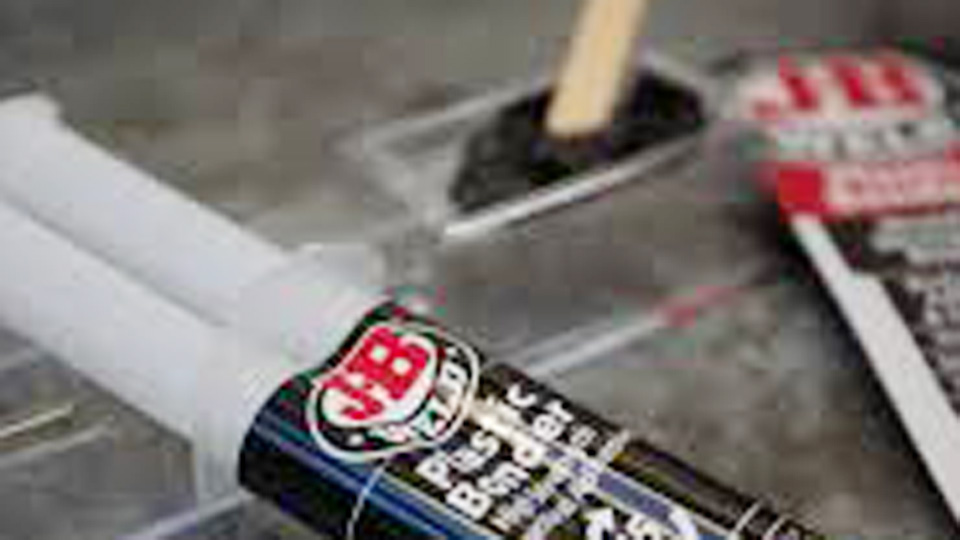
Image by nzperformancecar
JB Weld as a Bonding Solution
JB Weld is essentially a two-part epoxy resin system, often called a “cold weld” because it creates a strong bond without heat. It mixes a resin and hardener that react chemically to form a durable, hardened material. I’ve used it on everything from engine blocks to custom tool handles, and it’s a staple in many US shops because it’s versatile and reliable.
How does it work? When you mix the two components, they start a curing process that builds molecular links between surfaces. For plastic to metal bonds, the epoxy fills microscopic pores and creates a mechanical grip, plus a chemical adhesion where possible. It’s not a true metallurgical weld like MIG or TIG, but for non-structural repairs, it’s often stronger than the original material.
Why use it in the welding world? Well, not every job calls for melting metal. If you’re a DIY welder fixing a plastic housing on a metal frame, or a pro dealing with hybrid materials in fabrication, JB Weld bridges that gap. It matters for safety too—avoiding heat distortion on plastics keeps things from weakening over time. Plus, it’s cost-effective; a tube might run you under twenty bucks versus hundreds for new parts.
In my experience, it’s perfect for scenarios where traditional welding could cause issues, like thermal expansion differences leading to cracks. Think about repairing a cracked plastic fuel tank mount on a metal chassis—JB Weld handles that without risking fire or fumes.
Does JB Weld Effectively Bond Plastic to Metal?
Absolutely, it does—in the right conditions. From what I’ve seen in my own repairs and heard from fellow welders, JB Weld excels at bonding rigid plastics to metals like steel, aluminum, or even coated surfaces. Products like PlasticWeld or Plastic Bonder are formulated for this, creating bonds that can withstand up to 3900 PSI of tensile strength. That’s tough enough for most hobbyist or light professional uses.
But let’s be real: it depends on the plastic type. It works great on thermosets, thermoplastics like PVC or ABS, and composites. I’ve bonded ABS plastic brackets to steel frames on custom jigs, and they’ve held for years under shop abuse.
However, if you’re dealing with polyethylene or polypropylene—like those slippery milk jugs or flexible bumpers—JB Weld won’t stick well without special primers. Those materials are too non-porous.
Why does it matter for integrity? A poor bond could shear off under load, leading to equipment failure or injury. In fabrication, I’ve seen guys try it on incompatible plastics and end up with delamination after a few months. Test a small area first if you’re unsure.
One anecdote: I once fixed a broken plastic handle on a metal pry bar using Plastic Bonder. It was a quick mix, clamp, and cure—held up through prying open stuck crates without a hitch. That’s the kind of real-world reliability that keeps it in my toolbox.
Choosing the Right JB Weld Product for Your Project
With so many options, picking the right one is key. For plastic to metal, I always recommend starting with PlasticWeld or Plastic Bonder. Let’s compare them quickly.
| Product | Cure Time | Strength (PSI) | Color When Cured | Best For |
|---|---|---|---|---|
| PlasticWeld | Sets in 5 minutes, full cure in 1 hour | 3900 | Translucent yellow | Quick repairs on plastics, composites, and metals; great for automotive or DIY fixes |
| Plastic Bonder | Sets in 15 minutes, full cure in 30 minutes | 3770 | Black | Strong bonds on thermoplastics, coated metals; ideal for visible repairs or gap-filling |
| Original JB Weld | Sets in 4-6 hours, full cure in 15-24 hours | 5020 | Dark grey | General metal repairs, but can work on rigid plastics to metal with good prep |
PlasticWeld is my go-to for fast jobs, like patching a cracked plastic cover on a metal welder housing. It’s water and oil resistant, perfect for shop environments. Plastic Bonder, on the other hand, is urethane-based for a bit more flexibility, which helps with vibration in fabrication setups.
When to use each? If speed is priority, grab PlasticWeld. For darker surfaces or higher impact resistance, Plastic Bonder wins. Avoid the original formula for plastics unless you’re reinforcing with mesh—it’s more rigid and better for metal-on-metal.
In student training sessions I’ve led, I emphasize matching the product to the stress level. High-vibration areas need something with give, like Plastic Bonder, to prevent brittle failure.
Step-by-Step Guide to Applying JB Weld on Plastic to Metal
Alright, let’s get hands-on. I’ll walk you through this like I’m showing a new trainee in the shop. Always work in a ventilated area—epoxy fumes aren’t fun.
First, gather your tools: JB Weld product, mixing tray (often included), stir stick, sandpaper (180-220 grit), isopropyl alcohol or acetone, clamps, and gloves.
Step 1: Assess the damage. Clean both surfaces thoroughly. Wipe away grease, oil, or old adhesives with alcohol. For metal, remove rust with a wire brush.
Step 2: Roughen the surfaces. Sand the plastic and metal to create texture—this is crucial for adhesion. I’ve skipped this once and watched the bond fail under light pressure. Aim for a matte finish.
Step 3: Mix the epoxy. Squeeze equal parts resin and hardener onto the tray. Stir vigorously for 30-60 seconds until uniform. Don’t rush; incomplete mixing leads to weak spots.
Step 4: Apply generously. Spread the mix on both surfaces, then press them together. For gaps, build up the epoxy like a fillet weld. Use clamps to hold in place—light pressure, not crushing.
Step 5: Let it cure. Follow the product’s times: 5-15 minutes to set, then full cure. Keep it above 40°F; colder temps slow things down. I like to leave it overnight for max strength.
Step 6: Finish up. Sand any excess, paint if needed. Test the bond gently before full use.
Pro tip: For extra strength on larger areas, embed fiberglass mesh in the epoxy layers. I’ve done this on plastic-to-metal mounts for heavy tools, and it turns a simple fix into something bombproof.
Preparing Your Surfaces: The Key to a Strong Bond
Prep work is where most folks trip up, but it’s what separates a temporary patch from a lasting repair. In my years fabricating, I’ve learned that 80% of bond success is in the prep.
Start with degreasing. Metal often has oils from manufacturing; plastics can have mold release agents. Use acetone—it’s aggressive and evaporates clean. I’ve used it to prep aluminum sheets bonding to PVC pipes for custom fixtures.
Next, abrasion. Scuff with sandpaper to increase surface area. For plastics, go light to avoid melting; for metals, hit it harder to expose fresh material.
Dry fit everything first. Ensure alignment—epoxy sets fast, no time for adjustments.
Common mistake: Skipping drying time after cleaning. Moisture weakens the cure. Let surfaces air dry or use compressed air.
For tricky plastics, a primer like those for automotive paints can help, but test it. In one job, I bonded HDPE to steel using a specialty primer first—JB Weld alone wouldn’t cut it.
This prep ensures compatibility, preventing peel-off under stress. It’s all about that mechanical interlock for weld-like integrity without the arc.
Common Mistakes When Using JB Weld and How to Fix Them
Even pros mess up sometimes. One biggie: Overmixing or undermixing. Too much stirring introduces air bubbles that weaken the bond; too little leaves unmixed spots. Fix? Stir steadily for the recommended time, then tap the tray to release bubbles.
Another: Applying in cold or humid conditions. Below 50°F, curing slows, leading to soft spots. I’ve had this happen on outdoor repairs—solution: Use a heat lamp or bring it inside.
Clamping too tight squeezes out epoxy, starving the joint. Use spacers for even pressure.
If the bond fails later, it’s often poor prep. Scrape off old epoxy with a chisel, reprep, and reapply thicker.
Anecdote: I once JB Welded a plastic cap to a metal tank, but forgot to roughen—popped off after a week. Lesson learned: Always abrade.
For DIYers, don’t rush use post-cure. Give it 24 hours, even if it feels hard. Patience pays off in durability.
Pros and Cons of JB Weld Compared to Traditional Welding
JB Weld shines where welding falters, but it’s not always the winner. Let’s weigh it out.
Pros:
- No heat needed: Perfect for heat-sensitive plastics, avoiding warps or burns.
- Easy for beginners: No welder required, just mix and apply.
- Cost-effective: Tubes are cheap, no gas or rods.
- Versatile: Bonds dissimilar materials seamlessly.
Cons:
- Lower strength for heavy loads: Not for structural welds; stick to TIG for that.
- Longer cure time: Can’t use immediately like a quick weld.
- Not flexible: Brittle on vibrating parts without reinforcement.
- Cleanup mess: Sticky until cured.
Compared to MIG welding metal to metal, JB Weld is quicker for small fixes but lacks the fusion depth. For plastic-metal, welding isn’t viable anyway—plastics melt at low temps. I’ve used JB Weld to supplement welds, like sealing joints on hybrid fabrications.
In hobbyist terms, it’s a game-changer for garage projects where firing up the welder isn’t practical.
Real-World Applications for DIY and Professional Welders
In the field, JB Weld is a lifesaver. For DIY welders, think repairing cracked plastic guards on metal grinders or bonding handles to tools. I’ve fixed a plastic fuel line clip on a metal ATV frame—held through rough trails.
Fabrication hobbyists love it for prototypes: Bonding plastic inserts to metal chassis without permanent commits. Students in welding classes use it to practice joint prep on mixed materials.
Pros in industry? Automotive repairs like patching radiator housings to metal brackets. Or in construction, securing plastic conduits to steel beams temporarily.
One application: Custom jigs. I bonded PVC guides to steel bases for repeatable cuts—durable and adjustable.
For cost efficiency, it’s ideal for extending part life, reducing downtime in shops.
Safety note: In critical apps like machinery, verify bond strength with tests.
Safety Tips When Working with Epoxies Like JB Weld
Safety first—I’ve seen skin irritations from careless handling. Always wear nitrile gloves; epoxy bonds to skin too!
Ventilate your space. Fumes can cause headaches; use a fan or respirator for big jobs.
Eye protection: Splashes hurt. Keep eyewash nearby.
For metal prep, watch for sharp edges—file them down.
If mixing large amounts, exothermic reactions get hot—mix in small batches.
In US shops, follow OSHA guidelines: No eating near epoxies, wash hands after.
Personal story: Early on, I got epoxy on my jeans—ruined them. Now, I suit up properly.
Alternatives to JB Weld for Bonding Plastic to Metal
Sometimes JB Weld isn’t ideal. For flexible bonds, try E6000—it’s more elastic for vibrating parts. I’ve used it on plastic bumpers to metal frames.
For high-heat areas, high-temp epoxies like those from Devcon work better.
Mechanical fasteners: Screws or rivets with adhesives for hybrid strength.
If welding is possible, consider ultrasonic welding for plastics, but that’s pro gear.
In fabrication, two-part urethanes offer similar bonds with faster cures.
Test alternatives on scraps—compatibility varies.
Pros of alternatives: Some are clearer or more paintable. Cons: Often pricier or less available.
Wrapping It Up: Empowering Your Next Repair
So, there you have it—JB Weld does work on plastic to metal, and now you’re equipped to make it happen right. Key takeaways: Prep is everything, choose the product for your needs, and don’t skip the cure time for rock-solid bonds. Whether you’re a DIYer patching a tool or a pro fabricating custom pieces, this knowledge boosts your efficiency, saves cash, and keeps things safe. You’re more prepared because you understand the why behind the how—no more guesswork leading to failures.
Go ahead, grab that epoxy and fix what’s broken. You’ll feel that satisfaction of a job well done. Always keep a heat gun handy to gently warm surfaces pre-application—it improves flow without speeding cure too much.
Can JB Weld be used on flexible plastics?
Not recommended for highly flexible ones like polyethylene. Stick to rigid thermoplastics for best results, or use a flexible adhesive alternative.
How long does JB Weld take to fully cure?
It sets in 5-15 minutes depending on the product, but full cure takes 1-24 hours. Factors like temperature affect it—warmer speeds things up.
Is JB Weld waterproof once cured?
Yes, most formulations are water-resistant, making them great for outdoor or automotive repairs. Just ensure proper application for maximum seal.
What if JB Weld doesn’t bond well?
Check compatibility and prep. If it fails, clean off residue and retry with rougher surfaces or a different product like Plastic Bonder for better adhesion.
Can I sand or paint over JB Weld?
Absolutely—once cured, it’s sandable and paintable. Use fine grit for smooth finishes on visible repairs.
(Word count: 2,856)


