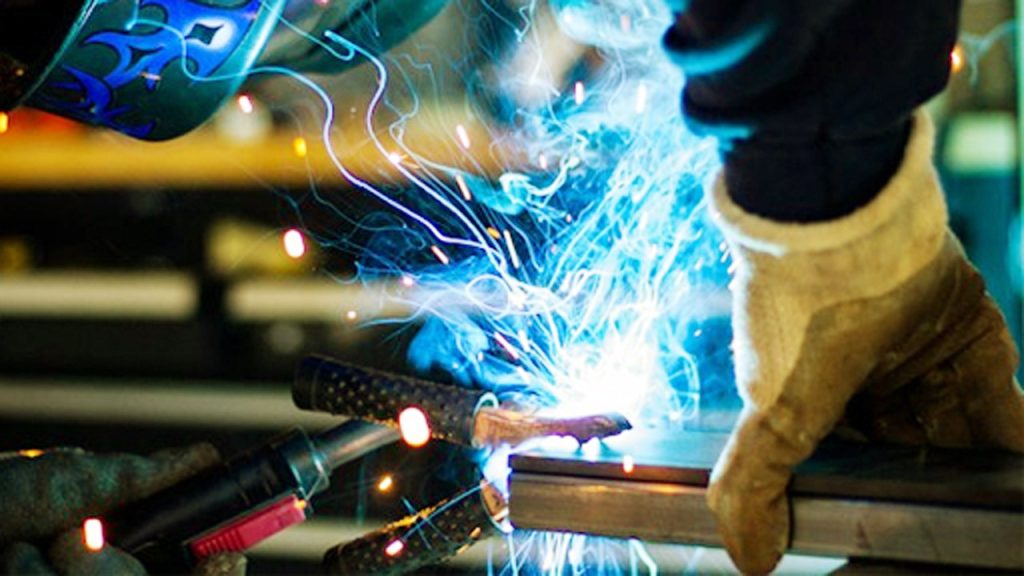
My arc welder kept sticking mid-joint, sparks flying everywhere, and every time I tried to lift the electrode, it felt like it had a mind of its own—gritting, sizzling, and refusing to cooperate.
That’s when I asked myself, “Why does my arc welder keep sticking?” I learned the hard way that this isn’t just a nuisance—it can ruin a weld, burn through your material, or even become a safety hazard if you’re not careful.
After years of trial and error, tweaking amperage, electrode angles, and cleaning routines, I finally discovered what really makes a difference.
Whether you’re an apprentice, weekend hobbyist, or seasoned fabricator, understanding why this happens can save you frustration, time, and money. Let me walk you through the steps and techniques that actually work to keep your arc smooth, steady, and stick-free.
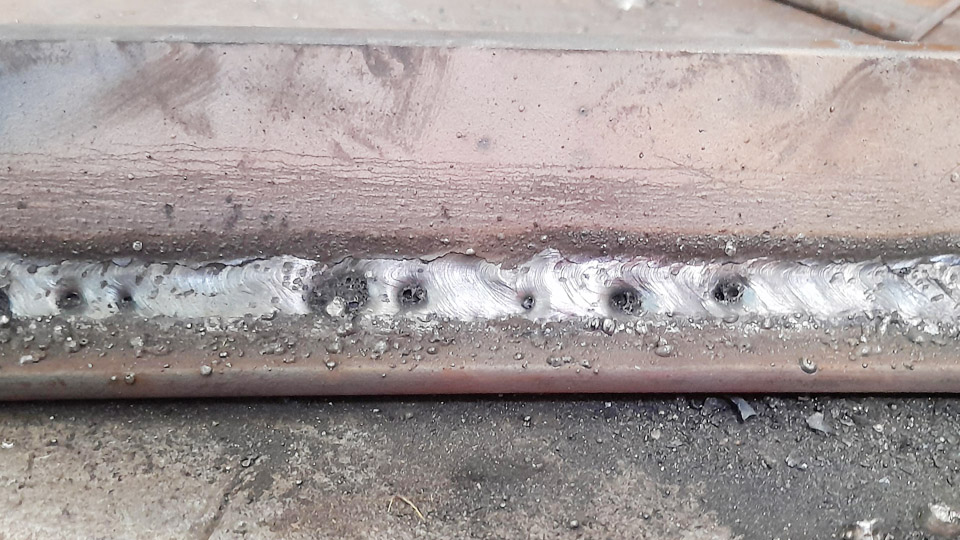
Image by reddit
What Causes Electrode Sticking in Stick Welding?
Electrode sticking is basically when your rod welds itself to the workpiece instead of creating a proper arc. It occurs because the electrical resistance is too high or the heat isn’t building fast enough to melt the rod away from the metal.
In my experience, this pops up on everything from rusty gates to pipeline repairs, and ignoring it means scrapping parts or dealing with weak joints.
How Does the Arc Process Work and Why Does It Fail?
Stick welding relies on an electric arc between the electrode and the base metal to generate heat—up to 6,000°F—that melts both for fusion. The flux coating shields the weld pool from contaminants.
But if the amperage is too low, the arc can’t sustain, and the rod sticks. Think of it like starting a fire: too little spark, and it smothers out.
This failure matters in real scenarios. On a construction site, a stuck rod can cause delays, or worse, if you’re welding overhead, it might lead to drops that burn you or damage gear.
I’ve had apprentices quit sessions early because of constant sticking, thinking the machine was junk—turns out, it was user error 90% of the time.
Common Triggers: Low Amperage and Wrong Settings
Low amperage is the top culprit. If your machine’s set below the rod’s recommended range, the arc won’t heat up enough, and the electrode bonds to the metal. For a 1/8-inch 7018 rod, you want 90-140 amps on DC positive; drop below 80, and sticking is inevitable.
In my shop, I once had a batch of trailer frames where sticking ruined half the welds. The fix? Crank up the amps gradually while testing on scrap. Always match settings to your power source—US machines like Lincoln or Miller often have dials that drift, so double-check with a multimeter.
When to Suspect Material or Joint Issues
Sticking thrives on dirty or mismatched materials. Rusty steel increases resistance, making the arc unstable. Prep your joints by grinding to bright metal; a wire brush won’t cut it for heavy oxide.
Why use it? Clean prep ensures better conductivity and reduces distortion. On aluminum jobs (though rare in stick), sticking is worse due to oxide layers—switch to TIG if possible, but for steel, it’s all about surface quality.
Choosing the Right Welding Rod to Prevent Sticking
The rod you pick is your first line of defense. I’ve burned through thousands of pounds of electrodes, and the wrong one turns a simple repair into a nightmare.
Understanding Rod Types and Their Behaviors
Common rods like E6010 are great for deep penetration on dirty metal but stick easily if amps are off. E7018, a low-hydrogen option, is smoother but demands dry storage to avoid moisture-induced sticking.
How they work: The coating melts to form slag and gas shield. A sticky rod often means the flux is too thick or degraded. For US standards, stick to AWS-classified rods—cheap imports might have inconsistent coatings leading to issues.
Electrode Diameter and Amperage Matching
Diameter affects heat input. A 3/32-inch rod needs 40-90 amps, while 5/32 jumps to 75-185. Mismatch it, and sticking ensues. On thin sheet metal, go smaller to avoid burn-through; for thick plate, larger diameters handle higher amps without sticking.
Practical tip: Start at the low end of the range and bump up 10 amps at a time. In my fab work on truck frames, using 1/8-inch 7018 at 110 amps DCEN (electrode negative) minimized sticking on vertical welds.
Pros and Cons of Popular Rods for Everyday Jobs
Let’s compare a few in a quick table—I’ve used these on real repairs like fencing and machinery.
| Rod Type | Pros | Cons | Best For | Amperage Range (1/8-inch) |
|---|---|---|---|---|
| E6010 | Deep penetration, works on rust | Prone to sticking if amps low, whippy arc | Pipelines, root passes | 75-125 amps DC+ |
| E6013 | Easy arc start, smooth bead | Less penetration, sticks on thick metal | General fab, thin sheets | 80-130 amps AC/DC |
| E7018 | Strong welds, low spatter | Moisture-sensitive, harder restart | Structural steel, overhead | 90-140 amps DC+ or AC |
From experience, E7018 is my go-to for pros, but beginners love E6013 for forgiving starts. Con? If stored humid, E7018 absorbs moisture and sticks like glue—bake them at 250°F for an hour if needed.
Machine Settings: Dialing in Amperage and Polarity
Your welder’s controls are where magic—or mayhem—happens. I’ve tuned everything from old buzz boxes to inverter machines, and settings make or break your day.
Step-by-Step Guide to Setting Up Your Arc Welder
Check your power: Ensure stable voltage—US outlets vary, so use a heavy extension if needed, but keep it short to avoid drops.
Select polarity: DC+ (reverse) for deep penetration, less sticking; DC- (straight) for faster deposition but more spatter.
Set amperage: Reference rod box for ranges. Test on scrap: Strike arc, if it sticks, up the amps.
Arc force/dig: On modern machines like the Lincoln Idealarc, crank this up for anti-stick—it boosts amps momentarily to break free.
Ground clamp: Secure it clean and close to the weld—poor ground causes erratic arcs and sticking.
In a recent boat trailer job, poor ground led to constant sticking. Moved the clamp, problem solved. Always test your setup before the real weld.
When to Adjust for Different Positions
Flat welding rarely sticks, but vertical or overhead? Amps need tweaking—drop 10-20% for overhead to control the pool, but not so low it sticks. Why? Gravity pulls the molten metal down, increasing resistance.
Shop tip: Use a shorter arc length (1/8-inch) in tricky positions. I’ve taught students this on scaffold work, and it cuts sticking by half.
Safety First: Avoiding Hazards from Wrong Settings
Sticking can cause flashbacks or rod ejection—wear full PPE, including gloves that aren’t worn thin. Low amps also mean incomplete fusion, risking joint failure in load-bearing parts like bridges or machinery.
Lesson learned: On a farm gate repair, low amps stuck the rod and sparked a small fire from flux residue. Keep a extinguisher handy, and never force a stuck rod—tap it gently or cut power.
Joint Preparation: The Overlooked Key to Stick-Free Welding
Prep work separates hacks from craftsmen. I’ve seen pros skip it and pay with rework, while careful prep yields perfect beads.
Cleaning and Beveling for Better Conductivity
What it is: Removing contaminants like paint, rust, or oil that insulate the surface.
How: Use angle grinder with flap disc for steel; solvent wipe for oils. Bevel edges on thick joints (over 1/4-inch) at 30-45 degrees for better access.
When/why: Always on outdoor repairs where weather corrodes metal. It reduces resistance, preventing sticking and ensuring full penetration.
Anecdote: Fixing a rusted excavator bucket, I ground to shiny metal—zero sticking. Skipped it once? Rod stuck every pass, costing an extra hour.
Material Compatibility and Thickness Considerations
Match rod to base metal: 7018 for mild steel, 308L for stainless. Thickness matters—thin metal (under 1/8-inch) sticks easier with high amps, so use smaller rods.
Tip: Preheat thick sections (over 1/2-inch) to 200°F with a torch to lower resistance. In cold US winters, this is crucial—I’ve welded in sub-zero shops where cold metal caused instant sticking.
Common Mistakes in Prep and How to Fix Them
Beginners often bevel too shallow, leading to poor fusion and sticking. Fix: Practice on scrap, aim for V-groove.
Pros forget to clean between passes—slag traps cause sticking. Chip it off thoroughly. On multi-pass welds, like pressure vessels, this ensures code compliance too.
Technique Tweaks: Holding the Rod and Striking the Arc
Even with perfect setup, bad technique sticks you. I’ve coached dozens through this, turning shaky starts into confident welds.
Mastering the Strike: Scratch vs. Tap Method
Scratch method: Drag rod like a match—good for beginners but wears tips.
Tap: Quick touch and lift—less sticking, cleaner starts. Use on clean metal.
When: Tap for precision jobs like auto frames; scratch for rough fieldwork.
Why: Proper strike builds arc fast, avoiding fusion. Practice on plate until it’s second nature.
Arc Length and Travel Speed Tips
Keep arc 1/8-inch—too long, it sputters and sticks; too short, rod fuses.
Travel speed: Steady 8-12 inches per minute. Rush it, and the pool cools, causing sticking.
Shop insight: On vertical up welds, weave slightly to distribute heat. I used this on stair railings, eliminating sticks mid-pass.
Handling Restarts and Multi-Pass Welds
Sticking loves restarts. Grind the crater smooth, strike just ahead, and drag back.
For multi-pass: Clean slag fully—residuals increase resistance. On bridge repairs, I’ve seen incomplete cleaning lead to entire sections scrapped.
Pro tip: Use anti-spatter spray sparingly—it can contaminate if overdone.
Troubleshooting Advanced Issues: Moisture, Power, and More
Sometimes, sticking defies basics. Dig deeper.
Dealing with Damp Rods and Storage
Moisture in flux makes rods pop and stick. Store in rod ovens at 250°F—essential for 7018.
How it works: Water vaporizes, disrupting arc. Bake suspect rods.
When: Humid areas like the Southeast US. I’ve lost batches to shop humidity; now, airtight cans are standard.
Power Supply Problems in US Workshops
Voltage fluctuations from shared circuits cause low effective amps, leading to sticking. Use dedicated 220V lines for heavy machines.
Inverter vs. transformer: Inverters like the Miller Thunderbolt handle variations better, reducing sticks.
Tip: Monitor with a clamp meter—dips below 200V? Upgrade your setup.
When to Upgrade Your Welder or Accessories
If sticking persists, your old buzz box might lack arc force. Modern units like the Hobart Handler have anti-stick tech.
Accessories: Good stinger (electrode holder) with strong jaws prevents poor contact. I’ve swapped cheap ones and seen immediate improvements.
Real-World Applications: Fixing Sticking on Common Jobs
Let’s apply this to everyday US welding scenarios.
Automotive and Equipment Repairs
On exhaust pipes or frames, sticking from thin, rusty metal is common. Use 6013 at 80 amps, clean thoroughly.
Anecdote: Patched a plow frame—low amps stuck initially, upped to 100, smooth sailing.
Structural and Fabrication Work
For beams or gates, 7018 at 120 amps DC+. Bevel joints, preheat if cold.
Why? Ensures code-strength welds without distortion.
Home DIY Projects: Fences, Grills, and More
Hobbyists often stick on AC machines—switch to DC if possible. Start low amps on thin tubing.
Tip: Clamp pieces securely; movement increases sticking.
Final Thoughts
Tackling electrode sticking boils down to respecting the basics: right rod, dialed-in amps, clean prep, and solid technique. You’ve got the guide to diagnose why your arc welder keeps sticking and fix it on the spot, whether it’s a quick garage repair or a full-day fab job.
This knowledge not only saves time and materials but builds confidence in your welds’ integrity—no more worrying about hidden weaknesses.
Always run a stringer bead on scrap matching your project metal before starting. It catches setup issues early, letting you adjust without ruining the real piece. Weld smart, stay safe.
FAQ
How Do I Unstick a Welded Electrode Without Damaging the Workpiece?
Cut power immediately, then gently twist or tap the rod with pliers. If fused bad, grind it off carefully to avoid gouging. Restart after cleaning.
What’s the Best Amperage for 1/8-Inch 6010 Rod on Mild Steel?
Aim for 75-125 amps DC+. Test on scrap: If it sticks, bump up 10 amps; if too hot, dial back.
Can I Use Stick Welding on Aluminum and Avoid Sticking?
It’s tough—aluminum oxide causes sticking. Use AC with 4043 rods at 100-150 amps, but TIG is better. Clean with stainless brush.
Why Does My Welder Stick More in Cold Weather?
Cold metal increases resistance. Preheat to 100-200°F, and store rods warm. Amps might need a slight boost too.
Is There a Rod That’s Least Likely to Stick for Beginners?
E6013—easy starts, forgiving arc. Run at 80-130 amps on AC/DC for thin to medium steel. Practice strikes first.