TIG welding always looks clean and precise, but the first time I got serious with it, I underestimated the risks. The intense arc, blinding sparks, and super-hot tungsten can catch you off guard in a heartbeat.
That’s why TIG welding safety isn’t just “nice to have”—it’s what keeps your hands, eyes, and lungs intact while still letting you make strong, reliable welds.
I’ve learned the hard way that skipping gloves, helmets, or proper ventilation leads to more than just burns or headaches—it slows your learning, ruins materials, and can cost a lot in medical bills.
I’ve found practical ways to stay protected without slowing down my work. Let me walk you through the safety habits and setups that actually make TIG welding both effective and risk-free.

Image by bakersgas
What Gear Do I Really Need for TIG Welding Safety?
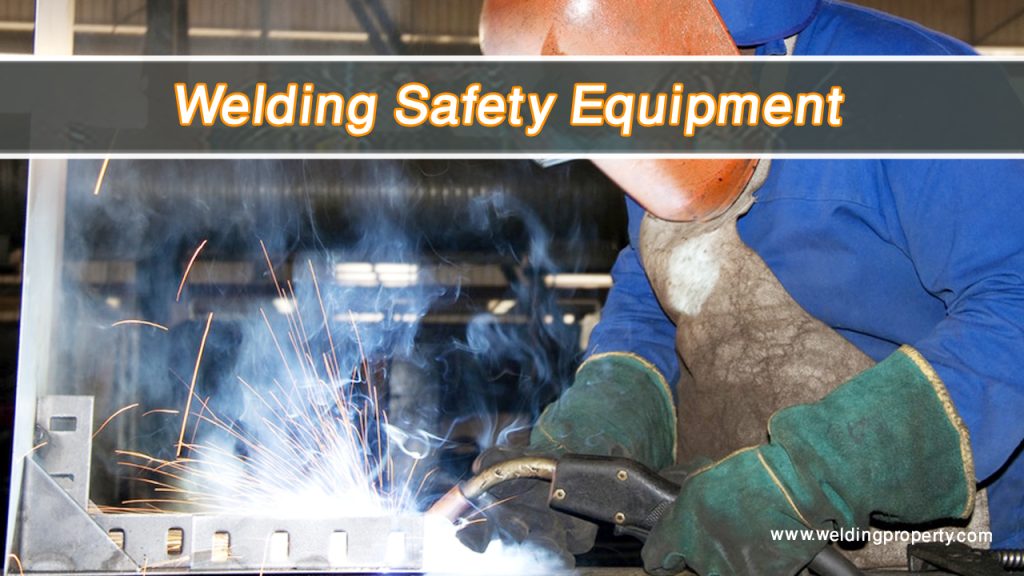
Let’s start with the basics: personal protective equipment, or PPE, tailored for TIG. This isn’t about grabbing whatever’s handy; it’s about gear that fits the unique risks of TIG, like intense UV light and ozone exposure.
First off, TIG produces a bright arc that can cause “welder’s flash”—that painful eye burn from UV rays. I’ve had it once early on, and it felt like sand in my eyes for days. So, your helmet is non-negotiable. Go for an auto-darkening one with a shade range of 9-13 for TIG’s lower amps.
I prefer models with true-color lenses; they let you see the puddle better without straining. Make sure it’s ANSI Z87.1 certified— that’s the U.S. standard for impact resistance.
Gloves come next. TIG requires dexterity for feeding filler rod, so thin, leather gloves like tig-specific ones from brands common in American shops work best.
They protect against heat and sparks without bulky seams that snag. I’ve burned through cheap cotton gloves in minutes; invest in flame-resistant ones rated for welding.
Don’t forget clothing. Long-sleeve shirts and pants in natural fibers like cotton or wool—synthetics melt and stick to skin. I always wear leather aprons or jackets for extra coverage during overhead work, where sparks rain down. And boots? Steel-toed with metatarsal guards if you’re in a pro shop, to handle dropped tools or hot metal.
Respiratory protection is huge too. TIG with aluminum or stainless creates fumes loaded with hexavalent chromium or ozone.
A half-mask respirator with P100 filters does the trick for most hobbyists, but in tight spaces, I switch to a powered air-purifying respirator (PAPR). Check OSHA guidelines; they’re strict on ventilation for U.S. workplaces.
Practical tip: Inspect your gear before every session. Cracked lenses or torn gloves? Replace them. I’ve seen pros skip this and pay with blisters. For students, practice donning PPE quickly— it builds habit without slowing you down on real jobs.
How Do I Set Up My Workspace to Avoid TIG Hazards?
A safe TIG setup starts with your shop layout. Clutter leads to trips, and poor organization means fumbling for tools mid-weld, risking burns.
Clear a dedicated zone: At least 10 feet around your machine, free of flammable materials like rags or solvents. I once had a spark ignite oily paper towels—lesson learned. Ground your workpiece properly to prevent stray arcs, and use non-conductive mats if you’re on concrete floors to avoid electrical shocks.
Lighting matters. TIG’s arc is bright, but shadows hide hazards. Overhead LEDs help spot leaks or cords. Position your machine away from drafts that disrupt shielding gas flow, causing porosity and unsafe spatter.
Electrical safety is critical. TIG machines use high-frequency starts that can interfere with electronics, so keep pacemakers or sensitive devices clear. Plug into GFCI outlets—standard in U.S. codes—to trip on faults.
I’ve tested amps on various setups; for a 200-amp inverter like those from Lincoln or Miller, ensure your circuit handles 30-50 amps without overloading.
Ventilation setup: Exhaust fans pulling fumes away, or local extraction arms right at the arc. In my shop, we use downdraft tables for bench work—it sucks ozone and particles down, keeping air clean. For DIYers, a simple box fan aimed out a window works, but monitor CO2 levels with a detector.
Shop tip: Label everything. Gas cylinders chained upright, regulators checked for leaks with soapy water. Common mistake? Mixing argon and CO2 tanks—argon for TIG purity, but wrong gas leads to unstable arcs and health risks from impure shielding.
What’s the Deal with Shielding Gas in TIG Welding Safety?
Shielding gas protects your weld pool from atmospheric contamination, but mishandling it poses risks like asphyxiation or fires.
Argon is king for TIG—pure or mixed with helium for thicker materials. It displaces oxygen, preventing oxidation, but in enclosed spaces, it builds up and displaces breathable air. I’ve felt dizzy from poor venting; always use monitors in confined areas.
Flow rates: 15-20 CFH for most jobs. Too low, and you get porous welds; too high, turbulence causes spatter. I adjust based on material—higher for aluminum to cool the torch.
Cylinder safety: Secure them vertically, caps on when stored. Regulators should be TIG-specific, with flowmeters. Leak test connections daily— a hissing sound means trouble.
Why it matters: Improper gas leads to weak welds that fail under load, endangering structures. In repairs, like auto frames, bad penetration from contaminated gas could cause accidents.
Tip for pros: Use gas lenses on your torch for better coverage, reducing spatter and fume exposure. Beginners, start with standard collets but upgrade as you gain control.
How Do I Choose the Right Tungsten Electrode Without Risking Problems?
Tungsten electrodes are the heart of TIG—non-consumable, but wrong choice leads to contamination, poor starts, or health hazards from thorium if using old types.
Diameters: 1/16-inch for low amps (up to 150A), 3/32 for mid-range, 1/8 for heavy stuff. Too thin overheats and spits particles; too thick won’t arc easily.
Types: Pure tungsten for AC aluminum, but I prefer 2% lanthanated—versatile for DC and AC, less radioactive than thoriated (avoid those per EPA guidelines). Grind to a point for DC steel, balled end for AC.
Grinding safety: Use a dedicated grinder with exhaust to capture tungsten dust—it’s toxic if inhaled. I wear a mask and grind longitudinally to avoid contamination.
When to use: Sharp point for thin sheet metal penetration, truncated for high amps to prevent melting.
Mistake fix: If your electrode contaminates the weld (dips in puddle), cut it back and regrind. I’ve salvaged jobs by switching to rarer earth tungstens for better stability.
Common Tungsten Types Comparison
| Type | Color Code | Best For | Pros | Cons |
|---|---|---|---|---|
| 2% Lanthanated | Blue | DC/AC, steel/aluminum | Stable arc, long life | Slightly pricier |
| 2% Ceriated | Orange | DC/AC, thin materials | Easy starts, low amp | Less heat resistant |
| Pure | Green | AC aluminum | Inexpensive | Splits easily |
| Zirconiated | Brown | AC, high amps | Good balling | Not for DC |
This setup has saved me time on mixed-material jobs.
What Amperage Settings Keep TIG Welding Safe and Effective?
Amperage controls heat input—too high warps metal, too low lacks fusion. Safety-wise, high amps increase burn risk and fume output.
Ranges: For 1/16 tungsten, 50-150A on steel; lower for aluminum due to conductivity. I start at 70A for 1/8-inch mild steel, pulsing if needed to control heat.
Machine tips: Inverters like Everlast or AHP offer foot pedals for real-time control—safer than fixed settings, reducing overheat. Balance AC for aluminum: 60-70% electrode negative for penetration.
Joint prep: Bevel edges for thick stock, clean with acetone to avoid fumes from contaminants. Poor prep leads to undercut, weakening welds.
Real job example: Fixing a trailer frame—100A DC, straight polarity, ER70S filler. Too hot? Distortion pulls the joint apart.
Common error: Ignoring polarity. DCEN for most metals, DCEP for cleaning action on aluminum oxides.
Pro tip: Use a heat sink like copper backing to dissipate heat, preventing burns and warps.
How Can I Prevent Electrical Shocks in TIG Welding?
TIG’s high voltage for arc starts makes shocks a real threat, especially in damp shops.
Insulate everything: Dry gloves, rubber-soled shoes, and no standing water. Ground clamps tight on clean metal—loose ones arc unpredictably.
Machine maintenance: Check cables for frays; I’ve replaced worn ones after a minor zap. Use HF start only when needed—it’s electromagnetic, so warn nearby workers with implants.
In U.S. shops, follow NEC codes: Dedicated circuits, no daisy-chaining extensions.
Fix: If shocked, shut off power immediately. Train on lockout/tagout for repairs.
Early in my career, wet floors caused a tingle—now I mop up spills first.
What About Fume and Ventilation Hazards in TIG?
Fumes from base metals and fillers contain metals like manganese, linked to neurological issues.
Extract at source: Hoods or arms capturing 90% of fumes. In my fab shop, we use velocity checks—aim for 100-150 fpm at the arc.
Materials matter: Stainless produces chrome; limit exposure with breaks. OSHA PELs guide this.
Tip: Weld outdoors when possible, or use low-fume fillers.
Mistake: Ignoring symptoms like headaches—get fresh air, see a doc.
How Do I Handle Hot Metal and Burn Prevention?
Post-weld, metal stays hot long after—I’ve grabbed “cool” pieces too soon.
Quench in water for small parts, but avoid on high-carbon steels to prevent cracking. Use tongs always.
Shop rule: Mark hot zones with signs. For hobbyists, a cooling rack keeps pieces isolated.
Burn fix: Cool under running water, apply aloe—no butter, that’s a myth.
What’s the Best Way to Prep Joints for Safe TIG Welds?
Clean joints mean less spatter and fumes. Wire brush or grind oxides off; for aluminum, stainless brush only.
Bevel for full penetration on thick plates—45 degrees typical. Tack weld first to hold alignment.
Tip: Preheat if needed for cast iron, but monitor temps to avoid cracks.
Error: Dirty joints cause porosity—reweld after grinding out.
When Should I Use Filler Rods in TIG, and How Safely?
Filler adds material for strength. Match to base: ER308 for stainless, ER4043 for aluminum.
Diameters: 1/16 for thin, 3/32 for general. Feed steadily to avoid burn-off.
Safety: Store rods dry to prevent hydrogen cracking. Handle with clean gloves—oils contaminate.
Pros: Better control than MIG. Cons: Slower for production.
Example: Bike frame repair—ER70S at 90A, smooth feed for bead.
How Do I Avoid Eye and Skin Damage from TIG Arc?
UV/IR rays cause burns. Full coverage: Helmets, sleeves, collars.
Shade selection: DIN 10-12 for 100A.
Tip: Side shields on glasses for helpers.
Mistake: Peeking without helmet—flash burn remedy is dark room rest.
What Emergency Procedures Should Every TIG Welder Know?
Fire extinguisher nearby—Class C for electrical. First aid kit with burn gel, eye wash.
Train on stops: Kill switch locations. In groups, designate a spotter.
Anecdote: Spark fire quenched fast thanks to prep.
Comparing TIG Safety to Other Processes Like MIG or Stick
TIG vs. MIG: Less spatter in TIG, but more UV. MIG’s wire feed reduces hand exposure.
Vs. Stick (SMAW): Stick has slag, TIG cleaner but gas-dependent.
Process Safety Comparison
| Process | Key Hazards | Mitigation | Suitability |
|---|---|---|---|
| TIG | UV, fumes, electrical | Ventilation, PPE, grounding | Precision work |
| MIG | Spatter, wire pinch | Shields, gloves | Production |
| Stick | Slag chips, smoke | Chipping hammer, respirator | Outdoor |
TIG shines for quality, but demands vigilance.
Practical Tips for TIG Safety on Common Jobs
Auto repair: Shield interiors from sparks. Furniture fab: Clamp securely to avoid slips.
Hobbyist: Start small—practice on scrap.
Pro: Log settings for repeatability.
Wrapping Up
After reading this guide, it’s clear that TIG welding safety boils down to respect for the process. You’ve got the rundown on gear, setups, gases, electrodes, amps, and hazard prevention—enough to dodge common pitfalls like contaminated welds or electrical zaps.
With these shop-tested tips, you’re set to tackle projects with confidence, whether it’s a custom exhaust or structural repair.
You’ll save on rework, stay healthy, and produce beads that hold up. Always double-check your gas flow before striking—it’s the silent guardian that prevents a world of trouble. Weld safe, folks.
FAQs
Can I TIG Weld Without a Respirator?
Not recommended for prolonged sessions, especially on chrome-heavy metals. Short garage jobs? Good ventilation might suffice, but grab a N95 at minimum. I’ve skipped it on quick tacks and regretted the cough—better safe.
What’s the Safest Tungsten for Beginners?
Go with 2% lanthanated—easy to sharpen, stable arc, no thorium worries. Grind to 20-30 degree taper for starters. Pros switch based on job, but this one’s forgiving.
How Do I Fix a Porous TIG Weld Safely?
Grind out the bad section wearing PPE—dust is nasty. Reclean the joint, up your gas flow if low, and reweld at slightly higher amps for better fusion. Test on scrap first to avoid repeats.
Is TIG Safer Than Stick for Indoor Work?
Yes, less smoke and slag, but TIG’s gases need venting. Stick’s portable but messier. For shops, TIG with extraction is cleaner overall.
What Amperage Causes the Most Safety Issues?
Over 200A on thin stock—warps and burns fast. Start low, ramp up. Pulse mode helps control heat input safely.