
Removing JB Weld from a pipe can feel like a tough job, especially if you want to avoid damaging the pipe itself. JB Weld is a popular epoxy that bonds metal surfaces tightly, which is great for repairs but makes removal difficult.
Whether you made a mistake during repair, need to replace the pipe, or want a clean surface for a new fix, learning how to remove JB Weld safely and fully is important.
This guide covers everything you need to know, including the best methods, tools, safety tips, and how to avoid common mistakes. You’ll also find practical insights that most beginners miss, so you can get the job done with confidence.
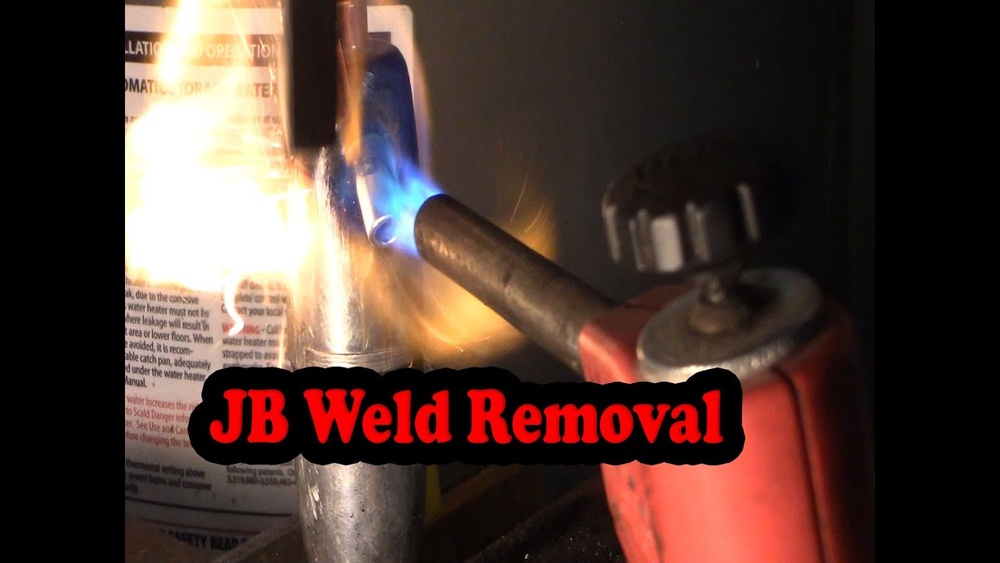
Understanding Jb Weld And Its Bond
JB Weld is a two-part epoxy adhesive. When mixed, it forms a strong bond that can resist water, heat, and chemicals. It’s used on pipes because it works on metal, PVC, and even ceramic.
However, its strength is also its challenge—it’s not meant to be easily removed. JB Weld can resist temperatures up to 550°F (287°C) and withstands pressures common in home plumbing.
If you try to remove it without a plan, you might scratch or dent the pipe, or even make the bond stronger by spreading the epoxy. That’s why using the right method is important.
Why Is It So Hard To Remove?
- High mechanical strength: Once cured, JB Weld is as hard as steel.
- Chemical resistance: Most household solvents won’t affect it.
- Heat tolerance: Even boiling water doesn’t soften it much.
Beginners often try to scrape it off right away, but this can damage the pipe or make cleanup harder. Instead, softening the epoxy first is key.
Preparing For Safe Removal
Before you start, it’s important to prepare your workspace and tools. Removing JB Weld can involve heat, chemicals, or sharp tools, so safety matters.
Essential Tools And Materials
- Protective gloves (nitrile or latex)
- Eye protection
- Respirator or mask (if using chemicals)
- Heat gun or hair dryer
- Razor blade or utility knife
- Wire brush
- Acetone or commercial epoxy remover
- Sandpaper (medium and fine grit)
- Clean rags
- Bucket of water (for cooling)
Setting Up Your Workspace
- Work in a well-ventilated area to avoid inhaling fumes.
- Protect nearby surfaces with old towels or drop cloths.
- Keep a fire extinguisher nearby if using heat tools.
- Remove any flammable materials from the area.
Methods To Remove Jb Weld From Pipe
There are several ways to remove JB Weld from a pipe. The right method depends on the pipe’s material, size, and the amount of epoxy. Often, using two or three methods together gives the best results.
1. Mechanical Removal (scraping And Sanding)
This method uses physical force to break or scrape off the epoxy. It’s best for metal pipes, but care is needed with PVC or copper to avoid scratches.
Steps:
- Score the epoxy: Use a razor blade to cut into the JB Weld. This breaks the surface tension and lets heat or chemicals work better.
- Scrape gently: Use the razor or a putty knife to lift the epoxy. Work slowly to avoid damaging the pipe.
- Wire brush: After removing as much as possible, use a wire brush to scrub the area.
- Sand smooth: Finish with medium then fine sandpaper to remove residue.
Tip: Always scrape in the direction of the pipe, not against it, to avoid gouges.
2. Heat Application
JB Weld softens at high temperatures. Applying heat makes the epoxy brittle or soft, so it breaks away easier.
Steps:
- Heat the epoxy: Use a heat gun set to 250-300°F (120-150°C). Move it back and forth, heating the JB Weld evenly.
- Test softness: After 2-3 minutes, press the epoxy with a gloved hand or tool. If it’s soft, proceed.
- Scrape off: Use a scraper while the epoxy is warm.
- Repeat if needed: Large or thick areas may need several cycles.
Caution: Don’t overheat PVC or copper pipes. Excess heat can melt or deform them.
3. Chemical Removal
Some solvents can weaken or dissolve JB Weld, especially before it fully cures (within 24 hours). After curing, only strong solvents or commercial epoxy removers are effective.
Steps:
- Apply solvent: Soak a rag in acetone or epoxy remover. Press it against the JB Weld for 20-30 minutes.
- Test the bond: Try scraping the epoxy. If it’s still hard, reapply solvent.
- Scrub and clean: Use a wire brush to scrub softened epoxy.
Note: Always check the solvent’s compatibility with the pipe material. For example, acetone can damage PVC.
4. Combination Methods
Often, the most effective way is to combine heat and chemical removal. Heat the epoxy first, then apply solvent, or vice versa. This can break down even the toughest bonds.
Non-obvious insight: Many people forget to score or scratch the JB Weld before applying heat or chemicals. Creating small cuts lets heat and solvent penetrate deeper, speeding up removal.
Comparing Removal Methods
Here’s a quick comparison to help you choose the right approach for your pipe:
| Method | Best For | Pros | Cons |
|---|---|---|---|
| Mechanical | Metal pipes | Precise, no chemicals | Risk of scratches |
| Heat | All metals | Quick softening | Pipe damage if overheated |
| Chemical | Most materials | Less risk to pipe | Fumes, long wait time |
| Combined | Stubborn epoxy | Most effective | Requires care and patience |
Step-by-step Guide: Removing Jb Weld From Pipe
Now, let’s walk through a practical, detailed process that works for most pipes. This method combines heat and mechanical removal for best results.
Step 1: Assess The Pipe And Jb Weld
Before starting, check the pipe’s material (metal, PVC, copper) and the thickness of the JB Weld. If the pipe is old or thin, use gentler methods. For thick or steel pipes, more force can be applied.
Step 2: Score The Jb Weld
Use a sharp utility knife to make several cuts across the epoxy surface. This allows heat and chemicals to penetrate and weakens the bond.
Step 3: Apply Heat
Set your heat gun to medium (about 250°F/120°C). Hold it 2-4 inches from the JB Weld and heat for 2-3 minutes. Move the gun continuously to avoid overheating one spot.
Tip: For PVC pipes, use a hair dryer instead of a heat gun to prevent melting.
Step 4: Scrape Off The Softened Epoxy
Once the JB Weld feels softer, use a plastic or metal scraper to lift it away from the pipe. Work in small sections. If it’s not coming off, reapply heat.
Step 5: Apply Solvent (if Needed)
If residue remains, soak a rag in acetone or commercial epoxy remover. Wrap it around the area for 20-30 minutes. This helps remove stubborn patches.
Step 6: Clean And Sand
After scraping, use a wire brush to scrub off any last bits. Finish with medium, then fine sandpaper to smooth the pipe’s surface.
Step 7: Inspect And Rinse
Check the pipe for any remaining JB Weld. Wipe with a damp rag to remove dust and solvent. Let dry fully before making new repairs or reusing the pipe.
How Long Does It Take?
The time required depends on the method and thickness of the JB Weld. Here’s a general guide:
| Method | Thin Layer (mins) | Thick Layer (mins) |
|---|---|---|
| Mechanical | 10-20 | 30-45 |
| Heat | 8-15 | 20-30 |
| Chemical | 30-45 | 60+ |
| Combined | 15-25 | 30-50 |
Non-obvious insight: Most people underestimate drying time after using solvents. Always wait until the pipe is fully dry before applying new adhesive or using the pipe.
Pipe Material Matters: Special Tips
Different pipe materials require different care. Here’s how to adjust your method:
Metal Pipes
- Can handle more heat and force.
- Use a metal scraper and wire brush.
Copper Pipes
- Use medium heat only.
- Avoid harsh chemicals that may react with copper.
Pvc Pipes
- Use low heat (hair dryer).
- Avoid acetone—it can soften or melt PVC.
- Try a plastic scraper to avoid scratching.
Galvanized Pipes
- Watch for flaking or peeling.
- Use a wire brush, but avoid deep sanding that removes the protective zinc layer.
What Not To Do
Many DIYers make mistakes that damage their pipes or make removal harder. Here’s what to avoid:
- Don’t use open flames: A torch can overheat and warp pipes, or cause a fire.
- Don’t chip with hammers: This can dent or crack the pipe, especially PVC or copper.
- Don’t mix chemicals: Never use two solvents together. This can create dangerous fumes.
- Don’t rush: Trying to remove JB Weld before it’s softened can scratch or weaken the pipe.
- Don’t use sandblasters or grinders: These remove too much material and can make pipes leak.
After Removal: Cleaning And Preparing The Pipe
Once the JB Weld is gone, it’s important to get the pipe ready for whatever comes next—whether a new repair or returning it to service.
Cleaning
- Wipe the area with a clean, damp rag.
- Use a small amount of dish soap to remove any oily residue.
- Dry completely with a towel.
Inspecting
- Check for scratches, dents, or weak spots.
- If the pipe is damaged, consider replacing it instead of repairing.
Preparing For New Repairs
- Sand the area lightly to remove any last residue.
- Wipe with isopropyl alcohol for a clean, oil-free surface.
- Let dry before applying new adhesive or sealant.
When To Call A Professional
Most JB Weld removal jobs can be done at home, but sometimes it’s best to get help:
- Old or corroded pipes: These may crack or break during removal.
- Large industrial pipes: May need special equipment or permits.
- If you smell gas or see leaks: Stop immediately and call a plumber.
Safety Precautions
Removing JB Weld is usually safe, but always follow these steps:
- Wear gloves and eye protection.
- Ventilate the area if using chemicals or heat.
- Keep water nearby to cool overheated pipes.
- Dispose of rags and chemicals according to local rules.
Alternatives To Jb Weld Removal
Sometimes, you don’t need to remove all the JB Weld. Here are a few options:
- Sand and reapply: For small leaks, sand the old epoxy and add a new layer on top.
- Pipe sleeves: Use a pipe repair sleeve to cover the area instead of removing epoxy.
- Replace the pipe: If removal is too hard, replacing the pipe may save time and hassle.
Real-world Example
Anna, a homeowner, tried to fix a leaking copper pipe with JB Weld but used too much. Later, she needed to solder a joint nearby. She used a heat gun and plastic scraper, but the epoxy didn’t budge. After scoring the JB Weld and applying a commercial epoxy remover, she waited 30 minutes.
The epoxy then softened, and she could scrape it off without damaging the copper. She finished by sanding and cleaning the pipe, then soldered the new fitting with no issues.
Takeaway: Scoring and patience are just as important as the tools you use.
Common Questions And Mistakes
- Can I reuse a pipe after removing JB Weld?
- Yes, if it’s not damaged and is cleaned well.
- Is it safe to use chemicals indoors?
- Only in well-ventilated spaces. Wear a mask.
- Can I remove JB Weld from a leaking pipe?
- Turn off water first. Don’t try to remove epoxy while the pipe is wet.
- Why won’t the epoxy come off?
- It may not be fully softened. Try more heat or solvent, or score deeper.
- Does vinegar work?
- No, vinegar is too weak for cured epoxy.
Comparison: Jb Weld Vs Other Epoxies
To understand why JB Weld is tough to remove, compare it to other common epoxies:
| Epoxy Type | Bond Strength (psi) | Heat Resistance (°F) | Removal Difficulty |
|---|---|---|---|
| JB Weld | 3960 | 550 | Hard |
| Quick Epoxy | 2500 | 250 | Moderate |
| Plumber’s Putty | 700 | 150 | Easy |
| Super Glue | 1000 | 180 | Easy |
JB Weld’s high strength and heat resistance are why it needs special removal steps.
Final Thoughts
Removing JB Weld from a pipe is a task that needs patience and the right approach. By following these steps and tips, you’ll get the pipe clean and ready for its next job—without unnecessary stress or damage.
Frequently Asked Questions
How Long Does Jb Weld Take To Cure Before Removal Is Impossible?
JB Weld starts to harden in 4-6 hours and cures fully in 15-24 hours. It’s easiest to remove before 24 hours. After that, removal is much harder and usually needs heat or chemicals.
Can I Use A Dremel Or Rotary Tool To Remove Jb Weld?
Yes, but only with care. Use a sanding or grinding attachment on low speed. Keep the tool moving to avoid overheating or gouging the pipe. This works best for thick, uneven epoxy.
Will Removing Jb Weld Damage My Pipe?
If you use the right method for your pipe material, damage is unlikely. Avoid heavy scraping on plastic pipes. Always clean and check the pipe after removal.
Are There Safer Alternatives To Acetone?
Yes. Commercial epoxy removers designed for plumbing are often less aggressive than acetone. Citrus-based removers are safer but slower. Test on a small area first.
Is It Necessary To Remove All Traces Of Jb Weld Before Making A New Repair?
Yes, for most repairs. Any leftover epoxy can weaken the new bond or cause leaks. Clean and sand the area until all residue is gone before applying new adhesive.


