
Gas pressure welding (GPW) is a fascinating technique that’s been around for quite some time, and it continues to play a significant role in various industries.
If you’re curious about how it works or when it’s most beneficial to use, I’d love to explain it to you in a way that’s easy to understand. It’s not as complex as it sounds, and once you get the hang of the basics, you’ll see why it’s such a valuable method.
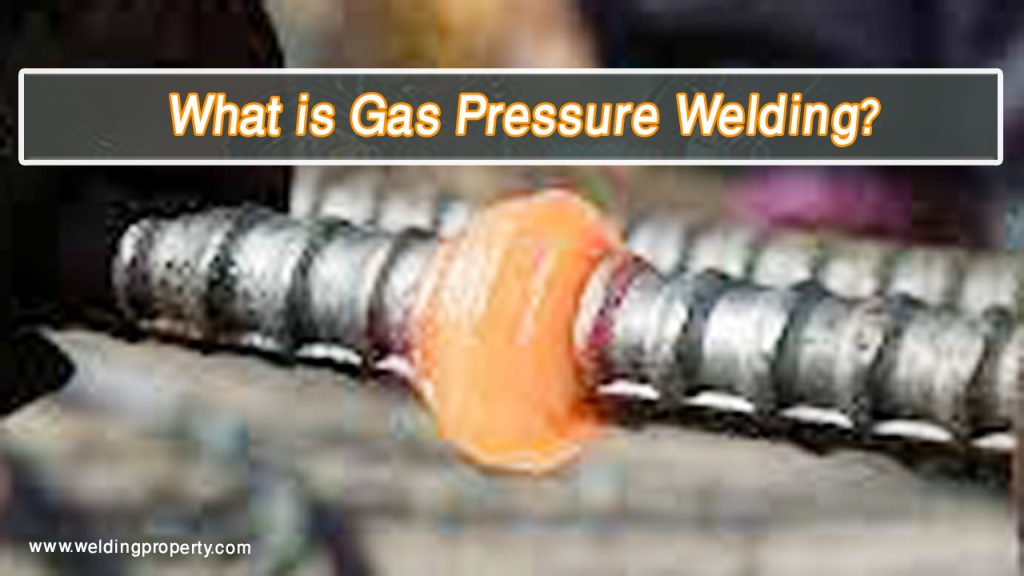
Image by keyence
Gas Pressure Welding
At its core, gas pressure welding is a solid-state welding process. This means that it doesn’t involve melting the base materials like traditional fusion welding methods. Instead, the process relies on pressure and heat to join two pieces of metal together. Here’s how it typically works:
The metal parts to be welded are heated using an oxy-acetylene gas flame until they reach a plastic state, which means they become soft but not liquid.
Once the metal is in this state, pressure is applied to push the parts together, and the combined force causes the materials to fuse. The result is a strong, solid joint without the need for additional filler materials.
Gas pressure welding is particularly popular in the railroad industry for joining steel rails, but it can also be used for other applications where strong, solid joints are needed.
How Does Gas Pressure Welding Work?
You might be wondering what makes gas pressure welding different from other welding techniques. Well, the key is in how the heat and pressure are applied to achieve a solid connection. Let me explain the steps in the process:
Preparation of the Workpieces
The first step in gas pressure welding is to prepare the metal surfaces that need to be joined. The ends are usually cleaned to remove any rust, dirt, or other contaminants that could interfere with the welding process. In some cases, the ends might be machined or shaped to ensure a better fit.
Heating the Workpieces
The metal parts are then heated using an oxy-acetylene flame. The flame is directed at the joint area until the metal reaches a plastic state. This heating process is crucial because it softens the metal, making it easier to weld under pressure. It’s important not to overheat the metal, as that could cause defects in the weld.
Applying Pressure
Once the metal is heated to the right temperature, pressure is applied to force the pieces together. This can be done manually or with specialized equipment, depending on the size and type of materials being welded. The applied pressure causes the softened metal to fuse at the joint, creating a strong bond.
Cooling and Finishing
After the joint is formed, the welded area is allowed to cool down. During the cooling process, the bond solidifies, resulting in a strong and durable connection. In some cases, the weld may be further finished or cleaned to improve its appearance.
Advantages of Gas Pressure Welding
Gas pressure welding has several benefits that make it an attractive option for specific applications. Let me share some of these advantages with you:
Strong Weld Joints
Because gas pressure welding involves solid-state bonding, it produces very strong welds. The resulting joints are often as strong as or even stronger than the base materials themselves. This is why it’s a popular choice for welding steel rails and other structural components.
No Filler Material Needed
One of the biggest advantages of gas pressure welding is that it doesn’t require any filler materials. This can be a cost-effective choice because you’re not buying extra consumables, and the welding process is simpler without needing to add anything else to the joint.
High-Quality Welds with Minimal Defects
Since there’s no melting of the base materials, the chances of welding defects like porosity, cracking, or inclusions are significantly reduced. The process is more controlled, which helps achieve a cleaner, more consistent weld.
Efficient and Cost-Effective for Specific Applications
In industries where gas pressure welding is commonly used, like railroad construction, it’s very efficient. The process allows for quick repairs and joining of rails without needing extensive setup or equipment.
Disadvantages of Gas Pressure Welding
Of course, like any welding method, gas pressure welding has its downsides. Here are a few limitations you should be aware of:
Limited to Specific Materials
Gas pressure welding is mostly suitable for ferrous metals, such as steel and iron. If you’re dealing with non-ferrous metals like aluminum or copper, this technique might not be the best choice.
Equipment and Skill Requirements
The equipment used for gas pressure welding is specialized, and operators need to be trained in using it correctly. The heating and pressure application must be carefully controlled, which requires a certain level of expertise.
Not Ideal for Thin Materials
If you’re working with very thin metals, gas pressure welding might not be the most suitable option. The heat and pressure involved in the process could lead to distortion or damage to thinner materials.
Comparison of Gas Pressure Welding vs Traditional Fusion Welding
Let’s take a moment to compare gas pressure welding with more conventional welding methods, such as arc welding, to help you understand when GPW might be more advantageous.
| Feature | Gas Pressure Welding | Traditional Fusion Welding (Arc Welding) |
|---|---|---|
| Heat Application | Uses a gas flame to heat the metal | Uses an electric arc to melt the metal |
| Pressure Requirement | Requires pressure to form the weld | No pressure needed; relies on melting |
| Filler Material | No filler material needed | Often requires filler material |
| Weld Quality | Produces strong, solid-state welds | Can have defects like porosity or cracks |
| Suitability for Thin Materials | Not ideal for very thin metals | Suitable for a wide range of thicknesses |
| Material Compatibility | Best for ferrous metals (steel, iron) | Can weld a variety of metals |
| Skill Level | Requires specialized skills | Widely used, easier to learn for beginners |
Applications of Gas Pressure Welding
Gas pressure welding has some very specific applications where it shines due to its ability to create high-quality, durable joints without the need for filler material. Here’s where you’re most likely to encounter it:
Railroad Track Welding
One of the most common uses for gas pressure welding is in joining steel rails in the railroad industry. The process is efficient for field welding because it allows for repairs and installation without needing extensive machinery. The welded joints are strong and durable, which is critical for the safety and longevity of railroad tracks.
Automotive and Aerospace Components
In some cases, gas pressure welding is used in the automotive and aerospace industries for joining parts where high strength and reliability are required. It’s particularly useful for components that are made of steel or other ferrous materials.
Structural Welding
Gas pressure welding can also be used in construction and structural applications, where it’s important to have welds that can handle heavy loads and stresses. It’s often employed in the assembly of steel frames or other structural elements.
Why Choose Gas Pressure Welding?
If you’re trying to decide whether gas pressure welding is right for your project, there are a few factors to consider. This method is a great choice when you need strong welds for ferrous materials and want to avoid using filler materials. It’s especially useful in environments where you need a welding process that can be performed on-site, like railroad repairs.
However, if you’re working with non-ferrous metals or materials that are very thin, you might want to look into other welding options like TIG or MIG welding, which might offer better results for those specific applications.
Tips for Successful Gas Pressure Welding
To get the best results with gas pressure welding, keep these tips in mind:
Properly Prepare the Workpieces: Cleaning the metal surfaces thoroughly is essential to avoid contaminants that can affect the weld quality.
Control the Heating Temperature: Avoid overheating the workpieces. Heating them to the correct plastic state ensures that you’ll get a strong, solid weld without compromising the material’s properties.
Apply Consistent Pressure: The amount of pressure you use during welding plays a crucial role in the quality of the joint. Make sure the pressure is applied evenly to avoid weak spots in the weld.
Use the Right Equipment: Make sure your oxy-acetylene setup is well-maintained and calibrated for the type of materials you’re working with.
Common Issues and How to Avoid Them
Just like with any welding method, there can be challenges in gas pressure welding. Here are some common problems and how to avoid them:
Overheating: If you heat the workpieces too much, you risk weakening the metal or creating defects in the weld. Make sure to monitor the temperature closely.
Inconsistent Pressure: Uneven pressure can lead to weak joints or incomplete welds. Make sure the pressure is applied steadily and evenly across the entire joint.
Contaminants on the Metal Surface: Dirt, rust, or oil can interfere with the welding process. Always clean the metal thoroughly before welding.
Final Thoughts
Gas pressure welding is an incredibly useful technique, especially for specific applications like railroad track repairs or welding structural steel components.
It offers the advantages of strong welds without the need for filler materials, making it a cost-effective and efficient option in the right situations.
If you’re working with thicker ferrous metals and want a reliable welding process that delivers consistent results, gas pressure welding might just be the right choice for your project. Understanding its advantages and limitations can help you make the best decision for your welding needs.


