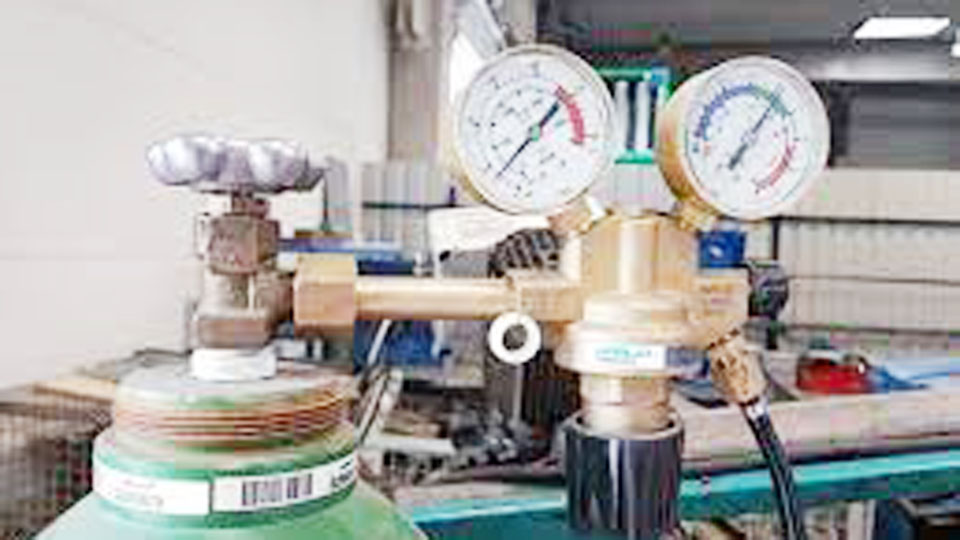
I’ve been in the welding game long enough to know that running out of shielding gas mid-bead is one of those frustrating moments that wastes time, ruins good work, and can lead to porosity or weak welds you’ll have to grind out later.
Whether you’re a weekend fabricator tinkering in your garage or a pro on a job site, knowing how to tell if a CO2 tank is empty saves headaches, protects your material, and keeps your projects moving.
CO2 is a go-to for MIG welding carbon steel because it delivers solid penetration and costs less than mixes in many cases. But unlike argon blends, CO2 behaves differently inside the cylinder—as a liquid under pressure—so the pressure gauge doesn’t drop linearly like you’d expect.
That difference trips up plenty of beginners and even some experienced hands. In this guide, I’ll walk you through reliable ways to check your tank, backed by what actually works in real shops across the US.
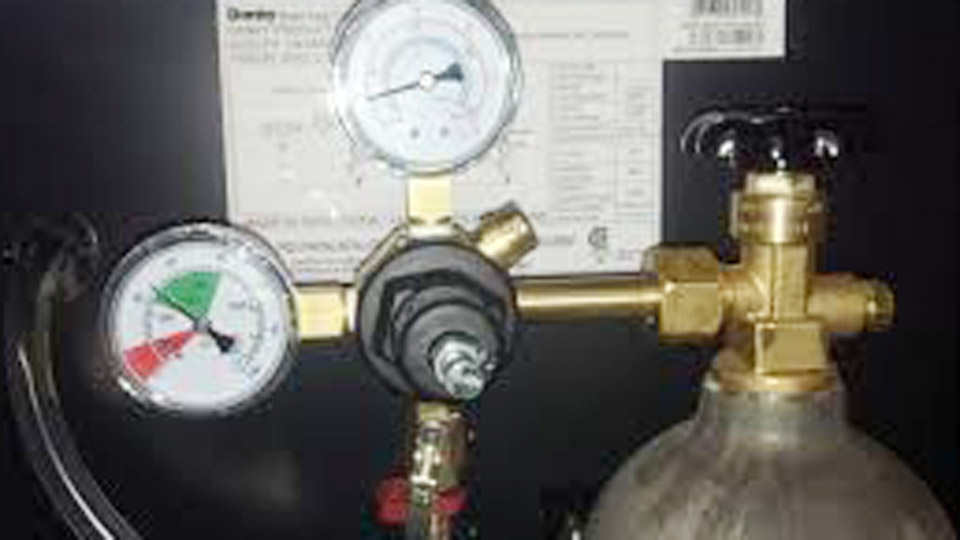
Image by homebrewtalk
Why Accurate Gas Checks Matter in Real Welding
A sudden loss of shielding gas doesn’t just stop your wire from feeding right. You get heavy spatter, ugly bead profiles, and porosity that hides under the surface. On structural repairs or pressure vessels, that can mean rework, failed inspections, or worse—compromised safety.
I’ve seen guys push a tank too far and end up with contaminated welds because air and moisture snuck in once pressure dropped low. On the flip side, swapping tanks too early wastes money and time running to the supplier. Getting this right keeps your amperage settings effective, your joints clean, and your costs under control.
Understanding CO2 Cylinders for MIG Welding
What makes CO2 cylinders different?
CO2 is stored as liquid in the tank, which turns to gas as you draw it off. That’s why the pressure gauge often hovers around 700-900 psi at room temperature even when you’re down to the last couple pounds. Temperature swings in your shop or truck can make readings even less reliable.
Common sizes in US shops include 20 lb, 50 lb, and larger industrial ones. A typical 20-50 lb CO2 cylinder might hold 10-20+ pounds of actual product when full, depending on fill.
How the system works on your MIG setup
Your regulator reduces high cylinder pressure to a workable flow rate, usually 15-25 CFH for most MIG work on mild steel. The gas flows through your gun to shield the molten puddle from oxygen and nitrogen in the air.
When the liquid CO2 level drops low, you start seeing inconsistent flow, more spatter, and that telltale change in arc sound.
Primary Method: Weighing the Tank (Most Reliable)
This is the gold standard for pure CO2, and it’s what I teach every new welder who walks into the shop.
Step-by-step guide to weighing your CO2 tank
- Safety first: Close the cylinder valve completely. Release pressure from the regulator and hoses.
- Remove the regulator and protective cap. Tare weight is stamped without them.
- Find the tare weight (TW). It’s usually stamped near the neck or shoulder—something like “TW 24.5 lb” or similar. This is the empty cylinder weight.
- Place the tank on a reliable scale (bathroom scale works in a pinch, but a calibrated shop scale is better).
- Subtract tare from current weight. The difference is pounds of CO2 left.
Practical example
Say your tank shows TW 32.8 lb on the stamp. If it weighs 40 lb on the scale, you’ve got about 7.2 lb of CO2 remaining. For a 50 lb cylinder, that’s still decent runtime depending on your flow rate and duty cycle.
Tips from the shop floor
- Weigh your tank when you first get it full and note the number. Over time you’ll develop a feel for how many good welding hours each pound gives you.
- Account for temperature. Cold tanks weigh the same but pressure reads lower.
- Keep a spare tank. Nothing kills momentum like a dead bottle on a Saturday afternoon fab session.
Using the Pressure Gauge Effectively
While not as precise for CO2 as for argon mixes, the gauge still gives clues.
What normal pressures look like
- Full CO2 tank: Often 800-1000 psi at typical shop temps (around 70°F).
- As it empties: Pressure stays relatively stable until very low, then drops more noticeably.
- Below 200-300 psi: Time to swap or refill soon. Running to zero risks pulling in contaminants.
When to trust (or ignore) the gauge
For 75/25 argon/CO2 mixes, pressure drops more predictably. Pure CO2? Weigh it. Many guys run mixes for cleaner welds on thinner material and reserve straight CO2 for thicker plate or where cost rules.
Common mistake I see all the time
New welders watch the gauge obsessively and think they have plenty left at 700 psi. Then the flow drops mid-pass and they get burned by spatter.
Spotting Low Gas Through Weld Quality and Arc Behavior
Your eyes and ears are excellent secondary indicators once you know what to watch for.
Signs your CO2 is running low during welding
- Increased spatter and a “ragged” arc sound instead of that smooth crackle.
- Dull, porous-looking beads instead of shiny, stacked dimes.
- Wire burns back toward the tip more often.
- Flowmeter ball drops or flutters even at steady settings.
- Sudden porosity in the weld (tiny holes visible after grinding or with dye penetrant).
Real-world test
Run a short bead on scrap. If the arc feels unstable and you’re getting more smoke and sparks than usual, stop and check the tank.
Quick Field Checks Without Tools
- Hiss test: Crack the valve briefly (away from flame or sparks). Strong, steady hiss means decent pressure. Weak or sputtering? Low.
- Lift test: Experienced hands can sometimes judge by weight, but this is imprecise—combine with other methods.
- Frost on regulator: Can indicate high flow or rapid expansion, but also signals the tank is still delivering gas.
Safety Considerations When Handling CO2 Tanks
CO2 displaces oxygen, so ventilation matters. Never weld in confined spaces without fresh air. Store cylinders upright, chained, away from heat, and cap them when not in use.
Always treat “empty” tanks as if they have residual pressure. Mark them clearly and store separately from full ones to avoid mix-ups.
US shop best practices
Follow OSHA and AWS guidelines. Hydrostatic testing dates on the cylinder shoulder tell you when the tank needs recertification. Don’t use out-of-date bottles.
Comparing CO2 to Other Shielding Gases
Pure CO2 vs. mixes
- 100% CO2: Cheaper, deeper penetration, good for thicker mild steel. More spatter, rougher beads.
- 75/25 Ar/CO2: Smoother arc, less spatter, better for thinner material and out-of-position welding.
- C25 or similar: My go-to for most general fab work.
Choose based on material thickness, position, and finish requirements. Always match your wire—ER70S-6 handles CO2 well.
Setting Up Your MIG Welder for Reliable CO2 Performance
Recommended parameters (mild steel example)
- 0.030″ wire: 80-180 amps depending on thickness.
- 0.035″ wire: 150-250+ amps for heavier plate.
- Voltage: Tune to get a steady arc without popping.
- Flow rate: 20-30 CFH indoors; higher outdoors or in drafty shops.
- Polarity: DCEP (reverse) for gas-shielded MIG.
Joint prep tips
Clean metal thoroughly—no rust, oil, or mill scale. Bevel thicker plates for good penetration. Use proper fit-up to avoid gaps that suck in air.
Material notes
CO2 works great on A36 plate, 1018, and similar. For stainless or aluminum, switch gases and processes.
Common Beginner and Pro Mistakes with CO2 Tanks
- Relying only on the pressure gauge for pure CO2.
- Running tanks to zero and contaminating them.
- Forgetting to check for leaks at connections (use soapy water).
- Storing tanks horizontally or in direct sun.
- Not having a backup plan on big jobs.
Pros keep logs of tank weights and hours used. They also inspect regulators regularly for wear.
Step-by-Step: Changing Out an Empty CO2 Tank Safely
- Shut off welder and gas at cylinder.
- Purge lines.
- Disconnect regulator carefully.
- Install on new/full tank.
- Check for leaks with soapy solution.
- Set flow and test on scrap.
Comparison Table: Gas Checking Methods
Method | Accuracy for CO2 | Tools Needed | Best For
| Weighing | Highest | Scale | Regular monitoring |
| Pressure gauge | Moderate | Built-in | Quick checks, mixes |
| Weld quality observation | Good indicator | None | During actual welding |
| Hiss test | Basic | None | Field quick check |
Extending Tank Life and Getting Consistent Results
Use flowmeters instead of basic regulators for better control. Minimize hose length and leaks. Weld efficiently—longer runs per tank. Keep tanks at stable shop temperatures.
For hobbyists on a budget, a small 20 lb tank is perfect for learning. Scale up as projects grow.
Advanced Tips for Professional Welders
On dual-shield flux core or high-volume production, monitor consumption closely. Some shops use manifold systems with multiple cylinders. Always have at least one spare ready to go.
Pay attention to seasonal changes—colder garages mean different pressure behavior.
Maintaining your equipment
Inspect hoses for cracks, clean gun liners, and replace tips regularly. A well-maintained setup uses gas more efficiently.
Reflection on Smarter Gas Management
After years of welding everything from farm repairs to custom fabrication, I’ve learned that paying attention to your CO2 tank isn’t just about avoiding inconvenience—it’s about producing quality work consistently and running a safer, more efficient shop.
You now understand the unique behavior of CO2 cylinders, the most reliable checking methods, warning signs in your welds, and practical setup tips tailored to common US machines and materials. No more guessing or ruined beads from surprise empty tanks.
Weigh every new tank when full, record it, and develop your own consumption chart based on your typical work. That simple habit separates guys who fight their equipment from those who stay ahead of problems. Keep your tanks upright, your metal clean, and your eyes on the puddle—you’ll make stronger welds and fewer trips to the gas supplier.