Thin automotive sheet metal can humble even experienced welders. One second the bead looks decent, and the next you’ve blown a hole straight through the panel or warped the surrounding metal from too much heat.
That’s why learning How To Weld Body Panels Using Flux Core? takes more than just pulling the trigger and hoping for a clean seam.
Flux core welding on body panels comes with a unique set of challenges. The wire runs hotter, creates more spatter, and can quickly distort thin metal if your settings or technique are off even slightly.
I’ve seen small patch jobs turn into hours of grinding and rework simply because the welds were rushed or overheated.
Still, when done carefully, flux core can absolutely handle certain body panel repairs—especially for DIY projects or garage setups without shielding gas. The key is knowing how to control heat, space your tack welds, and prep the metal correctly.
I’ll walk through the practical techniques that help you avoid burn-through, reduce warping, and get cleaner results on automotive panels.
Image by adamsgas
What Makes TIG Welding Different from MIG or Stick
TIG uses a non-consumable tungsten electrode to create the arc. You add filler rod by hand if needed. The process shines on thin materials, aluminum, stainless, and anywhere appearance and strength matter without heavy cleanup.
Unlike MIG, where the wire carries current and the gas can be somewhat active, TIG exposes that delicate tungsten directly to the shielding gas the entire time the arc is on.
In MIG, CO2 or argon/CO2 mixes work great on carbon steel because the process tolerates some reactivity. The gas helps with penetration and arc characteristics while the wire melts into the pool. In TIG, any reactivity attacks the tungsten and contaminates the puddle.
Why CO2 Destroys TIG Welds: The Chemistry and Reality
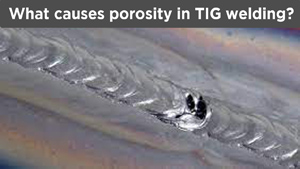
CO2 breaks down under the intense heat of the TIG arc into carbon monoxide and oxygen. That free oxygen oxidizes the tungsten electrode almost instantly. You’ll see the tip turn black or erode, the arc wander like crazy, and heavy spatter or porosity show up in the weld.
On aluminum, it’s even worse. Molten aluminum loves grabbing oxygen from the CO2, leading to oxide inclusions, weak fusion, and ugly, porous beads. On stainless, you risk carbon pickup that can mess with corrosion resistance.
I’ve seen guys try it once on a Miller or Lincoln TIG rig. The tungsten balls up or melts back in seconds, and the weld looks like it was done with a grinder instead of a torch. It’s not just theory—it’s shop reality that costs time and materials.
Common beginner mistake: Grabbing the MIG tank because “gas is gas.” It might work for flux-cored or short-circuit MIG, but it fails hard in TIG.
Proper Shielding Gases for TIG Welding
Stick with inert gases that don’t react:
100% Argon: The go-to for most jobs. Excellent arc stability, good cleaning on AC aluminum, affordable, and widely available at any welding supply in the US.
Argon/Helium mixes: 75/25 or 50/50 for thicker materials needing more heat and penetration. Helium runs hotter, lets you travel faster on aluminum or copper.
Pure Helium: For really thick sections or when you need maximum heat input, but it’s pricier and arc starts can be trickier.
Specialized mixes like argon/hydrogen for certain stainless applications (improves bead profile but requires caution with porosity).
Never use oxygen, CO2, or standard MIG mixes in TIG. Even small percentages will contaminate the electrode.
When and Why to Choose Specific Gases
For most hobby and repair work on steel or stainless up to 1/4 inch, pure argon is perfect. It gives a focused arc that’s easy to control, especially when you’re laying down clean beads on visible repairs.
Switch to argon/helium when you’re welding aluminum thicker than 1/8 inch or need to move faster without losing penetration. I’ve used 75% argon/25% helium on truck frames and boat parts—noticeably better puddle fluidity and less heat-affected zone distortion.
On very thin sheet metal (under 1/16 inch), pure argon with lower flow prevents burn-through while maintaining coverage.
Practical Gas Flow Rates and Machine Settings
Set your flowmeter to 15-20 CFH for most work. Too low and you suck in air. Too high (over 25-30) creates turbulence that pulls contaminants right into the pool. I usually start at 18 CFH and adjust based on cup size and draft conditions.
Cup size matters: #5 or #6 ceramic for general work, #7-8 for bigger puddles or aluminum. Use gas lenses for better coverage on critical joints—they smooth the flow and let you run slightly lower rates.
On US machines like Miller Dynasty or Lincoln Square Wave:
- DC for steel/stainless: 1/16″ tungsten at 50-120 amps depending on thickness.
- AC for aluminum: Balance around 70-80%, frequency 100-150 Hz for tighter beads.
Always purge the lines before starting, especially if switching tanks.
Step-by-Step: Setting Up for a Clean TIG Weld
- Joint prep: Clean everything thoroughly—stainless steel brush or dedicated grinder for aluminum, solvent wipe for oils. Contamination plus bad gas is a double failure.
- Tungsten selection: 2% thoriated or lanthanated for DC, pure or zirconiated for AC. Grind a point for DC, ball it slightly for AC.
- Gas selection: Pure argon for starters.
- Torch setup: Install gas lens if possible, proper collet and cup.
- Flow rate: 15-20 CFH.
- Arc start: High frequency or lift start. Keep the torch at 10-15° push angle.
- Filler addition: Dip rod into the leading edge of the puddle, not the arc.
Watch your puddle color and fluidity. With proper argon, it stays shiny and controllable. With CO2 contamination, it turns dull, boils, or oxidizes.
Material-Specific Tips from the Shop Floor
Carbon Steel: Pure argon works fine, but many pros prefer it over MIG for root passes on pipe because of superior control. Amperage: 1 amp per 0.001″ thickness as a rough guide.
Stainless Steel: Argon keeps the bead clean and prevents sugaring on the back side. Use back purging with argon on tanks or pipes.
Aluminum: AC with pure argon. Clean with a dedicated stainless brush immediately before welding. Helium mixes help on thicker sections to avoid lack of fusion.
Titanium and exotic metals: 100% argon, extra care with trailing shields or purge chambers. Any oxygen contamination shows as discoloration and weakens the weld dramatically.
Pros and Cons Comparison: Gases in TIG
Pure Argon
- Pros: Stable arc, easy starts, affordable, versatile, excellent for thin materials.
- Cons: Less heat on very thick sections.
Argon/Helium
- Pros: Hotter puddle, deeper penetration, faster travel speeds.
- Cons: Higher cost, slightly less stable arc starts, higher flow needed.
CO2 or Mixes
- Pros: Cheap, good for MIG.
- Cons: Ruins tungsten, unstable arc, oxidation, porosity, poor appearance. Not suitable for TIG.
Common Mistakes and How to Fix Them
Beginners often crank the gas way up thinking more is better. It creates turbulence. Pros run the minimum effective flow.
Another big one: forgetting post-flow. Set 10-15 seconds of post-flow to protect the tungsten as it cools. Without it, the tip oxidizes and cracks easier next time.
Dirty base metal or filler rod introduces hydrogen or oxides that even perfect gas can’t overcome. Grind or wire brush until it shines.
Using the wrong tungsten type for AC/DC leads to poor arc performance that people sometimes blame on gas.
Wind or drafts in the shop? Build a simple screen or move indoors. Even light breeze can destroy coverage.
Safety Considerations Every Welder Needs
Proper gas means less fume issues and cleaner welds, but always use ventilation. Argon is heavier than air—watch for asphyxiation in trenches or tanks.
Wear proper PPE: helmet with good lens (I like 9-13 auto-darkening), gloves, jacket. Tungsten particles from grinding are nasty—use a dedicated station with dust collection.
Store cylinders upright, chained, away from heat.
Real-World Repair Examples
On a rusty motorcycle frame repair, pure argon with 1/16″ lanthanated tungsten at 70-90 amps gave me beautiful, strong beads without distortion. Trying a leftover MIG mix would have destroyed the thin tubes.
Fabricating aluminum diamond plate toolboxes: Argon/helium mix let me run hotter and faster, reducing warping compared to pure argon on thicker corners.
Stainless exhaust work: Back-purging with argon prevents ugly sugaring inside the pipe, keeping corrosion resistance intact.
Advanced Techniques: Gas and Beyond
For precision on thin stainless, some use argon with a small hydrogen addition for better wetting. Requires experience and proper setup.
Pulsing the machine combined with good gas coverage gives stacked dimes appearance with minimal heat input—great for food-grade or visible welds.
Building Better Habits in Your Shop
Invest in a dedicated TIG gas setup if you switch processes often. Separate regulators prevent mix-ups. Label tanks clearly.
Keep a log of settings that worked for different jobs. Thickness, material, gas type, amps, travel speed. It speeds up future work dramatically.
Key Takeaways for Better TIG Welding
Understanding why CO2 fails in TIG helps you respect the need for true inert shielding. Pure argon covers 90% of jobs reliably. Match gas to material thickness and type, dial in flow rates carefully, and prioritize cleanliness. Avoid the MIG tank temptation—it’s a shortcut that costs more in ruined electrodes and rework.
With these practices, you’ll produce welds that look professional, hold strong, and require minimal cleanup. That’s the real satisfaction in TIG.
Slow down on the torch movement and let the puddle tell you what’s happening. Good gas coverage shows as a bright, fluid pool with clean edges. When it looks right, the mechanical properties follow. Rushing with marginal gas is how pros turn into frustrated hobbyists.
FAQ
Can I use 75/25 argon/CO2 for TIG welding steel?
No. Even small amounts of CO2 will oxidize the tungsten and cause arc instability plus weld contamination. Stick to 100% argon.
What happens if I accidentally use MIG gas in my TIG torch?
Expect a black, eroded tungsten tip within seconds, erratic arc, and porous, ugly welds. Stop immediately, change the gas, re-grind or replace the electrode, and clean the torch.
Is there any situation where CO2 works in TIG?
Practically none for quality work. Some experimental or very old references might exist, but in modern shops it’s avoided entirely due to electrode damage and poor results.
How do I know if my gas coverage is good during welding?
The puddle stays shiny and silver (on steel/stainless) or clean and fluid (aluminum) without graying or oxidation. The arc stays steady without wandering.
What’s the best gas for TIG welding aluminum on a budget?
Pure argon. It’s the standard for a reason—reliable, cleans well on AC, and performs great on most thicknesses hobbyists and pros encounter. Save helium mixes for when you really need the extra heat.