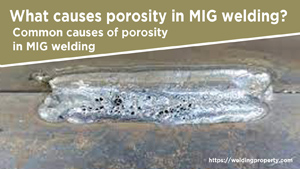
A MIG bead can look perfect on the outside, but the moment you see porosity or a rough, pitted surface, the first thing that usually gets questioned is the shielding gas. Too much flow and you’re wasting gas while causing turbulence.
Too little and the weld pool gets exposed to contamination. That balance is exactly why How to Set Gas Flow on a MIG Welder is something every welder needs to get right early on.
In real shop conditions, gas flow isn’t just a number on the regulator—it directly affects weld quality, spatter levels, and even how stable your arc feels while running a bead. I’ve seen solid welders struggle for hours with bad settings, only to realize the issue was as simple as improper gas flow.
Getting it right means cleaner welds, fewer defects, and less rework. In this guide, I’ll walk you through how to dial in the correct gas flow, what affects it in real use, and how to avoid the common mistakes that lead to weak or contaminated welds.

Image by westairgases
Why Gas Flow Matters More Than Most Beginners Realize
Shielding gas creates an invisible blanket around your weld puddle. Without it, the molten metal reacts with air, forming oxides and nitrides that cause porosity, weak fusion, and brittle welds.
Too little flow leaves the puddle exposed, especially at the edges or during longer runs. Too much flow creates turbulence that sucks air right into the shield, causing the same problems plus wasting expensive gas.
In a busy shop or windy garage, the difference between 15 CFH and 35 CFH can separate clean X-ray quality welds from ones that fail a simple bend test.
I’ve seen hobbyists blow through a full cylinder in a weekend by cranking the flow to 40+ CFH thinking “more is better.” Pros learn to run leaner and smarter.
Understanding Your MIG Gas Regulator and Gauges
Most regulators on USA machines like Millermatic, Lincoln, or Hobart have two gauges. The high-pressure gauge shows cylinder contents in PSI. The low-pressure or flow gauge reads in cubic feet per hour (CFH) — this is what you adjust.
Some cheaper setups use a simple pressure gauge marked in PSI, but true flow meters are more accurate because they account for the actual volume delivered through the torch.
Pro tip from the shop floor: Always trigger the gun while setting flow. Static readings often differ from dynamic ones once gas flows through the hose and nozzle.
Step-by-Step: How to Set Gas Flow on Your MIG Welder
Here’s the exact routine I use every time I set up a machine:
- Secure the cylinder upright and crack the valve briefly to clear debris.
- Install the regulator properly — don’t overtighten.
- Open the cylinder valve fully.
- With the machine on and trigger pulled (or purge button if equipped), adjust the flow knob until the gauge reads your target CFH.
- Release the trigger and check for leaks at all connections with soapy water.
- Test on scrap with your actual voltage, wire speed, and travel speed.
Start at 15-20 CFH indoors with no drafts for most mild steel work. Watch the bead. If you see porosity or a fuzzy, oxidized look on the bead surface, increase slightly. If the arc sounds erratic or you get excessive spatter, you may have turbulence from too much flow.
Recommended Gas Flow Rates by Application
Flow needs vary with nozzle size, material, joint type, and environment. Here’s what works in real shops:
Mild Steel (Most Common)
- Indoor, no draft: 10-20 CFH
- Light breeze or larger nozzle: 20-30 CFH
- Outdoor or fan nearby: Up to 35 CFH max before turbulence
Aluminum
Aluminum needs excellent coverage because it oxidizes fast. Start at 20-30 CFH and use a larger nozzle. Pure argon or argon-helium mixes perform best.
Stainless Steel
Tri-mix gases (argon/helium/CO2) often run nicely at 15-25 CFH. Stainless is less forgiving of contamination than mild steel.
Nozzle Size Considerations
- 3/8″ nozzle: Max around 30 CFH
- 1/2″ nozzle: Up to 40 CFH
- 5/8″ nozzle: Up to 55 CFH in demanding conditions
I keep a small chart taped inside my toolbox for quick reference. Conditions change — open garage door, overhead fan, welding in a corner — so treat these as starting points.
Choosing the Right Shielding Gas Mixture
Gas type affects optimal flow and weld characteristics as much as the flow rate itself.
For mild steel, 75% argon / 25% CO2 (C25) gives nice wetting, low spatter, and good penetration on machines common in the US. Straight CO2 penetrates deeper and costs less but produces more spatter and a harsher arc. Many fabricators keep both available.
Aluminum almost always calls for 100% argon. Stainless benefits from specialized tri-mixes that balance arc stability and corrosion resistance.
Match your wire to the gas. ER70S-6 wire loves C25. Some self-shielded flux-cored wires need no gas, but when using gas-shielded flux core, follow the manufacturer’s flow recommendations closely.
Common Gas Flow Mistakes and How to Avoid Them
Mistake 1: Cranking it to maximum
New welders often set 40-50 CFH thinking it provides better protection. This creates turbulence at the nozzle that pulls in air. Result: porosity despite high gas usage. I’ve fixed more “mystery porosity” issues by lowering flow than raising it.
Mistake 2: Ignoring wind and drafts
Even a light breeze destroys shielding. Use screens, move the workpiece, or increase flow modestly while staying under turbulence thresholds.
Mistake 3: Forgetting to check for leaks
A hissing hose or loose fitting can waste half your cylinder before you notice. Check every setup.
Mistake 4: Wrong stick-out or nozzle angle
Holding the gun too far from the work stretches the gas column thin. Keep 3/8″ to 1/2″ stick-out and a 10-15° push angle for best coverage.
Mistake 5: Not purging the line
After changing cylinders, trigger the gun for several seconds to push out air trapped in the hose.
Joint Preparation and Material Factors That Affect Gas Settings
Clean metal makes gas flow easier to manage. Grind or wire brush mill scale, rust, paint, and oil. On thicker material or repair jobs, a good bevel helps the gas blanket the puddle effectively.
Thicker plate or deeper grooves may need slightly higher flow or adjusted travel speed. Thin sheet metal forgives less — too much flow can blow the puddle away entirely.
Position matters too. Overhead welding often requires tighter parameters and careful flow to keep gas where it belongs rather than rising away.
MIG Welder Settings Beyond Gas: The Full Picture
Gas flow works with voltage, wire speed (amperage), and travel speed. On many home/shop machines like the Millermatic 211 or similar, charts on the machine give starting points. Fine-tune while watching the arc.
For short-circuit transfer on thin material: lower voltage, moderate wire speed, 15-20 CFH.
Spray transfer on thicker steel: higher settings and potentially more flow.
Listen to the arc. A steady sizzle or bacon-frying sound usually means good parameters. Popping and spattering signal imbalance.
Safety Considerations When Handling Shielding Gas
Always chain cylinders upright. Use regulators designed for the gas — never swap oxygen regulators onto CO2 or argon mixes. Ventilate your workspace; shielding gases displace oxygen and can create hazards in confined spaces.
Wear proper PPE: helmet with correct shade, gloves, jacket, and safety glasses. Gas-related issues like porosity can hide cracks that fail later under load.
Troubleshooting Gas Flow Problems in the Shop
Porosity in the bead: Check flow (too low or too high), leaks, dirty metal, or wind.
Excessive spatter: Could be flow-related turbulence, wrong gas mix, or voltage too high.
Weak or inconsistent arc: Low gas, empty cylinder, or restrictions in the torch.
Gas cylinder empties too fast: Leaks or excessively high flow settings.
I carry a small mirror or use my phone camera to inspect the back side of the nozzle during a test trigger — you should see smooth, even flow without violent swirling.
Comparing Gas Types: Pros, Cons, and When to Switch
C25 (75/25 Argon/CO2):
Pros: Excellent arc stability, low spatter, good bead appearance.
Cons: More expensive than straight CO2.
Best for: Most fabrication and automotive work.
100% CO2:
Pros: Deep penetration, cheaper.
Cons: More spatter, harsher arc, more cleanup.
Best for: Thick plate where appearance is secondary.
Pure Argon:
Pros: Clean for aluminum.
Cons: Not ideal for steel (poor penetration on mild steel).
Tri-mixes for stainless give the best results but cost more. Experiment on scrap when switching materials.
Real-World Examples from the Shop
On a recent trailer repair job with 1/4″ mild steel, I ran 0.035″ wire, C25 gas at 18 CFH indoors, and achieved beautiful flat beads with almost no post-weld cleanup. When the same job moved outside with a breeze, I bumped to 25-28 CFH and used a wind screen.
For aluminum diamond plate on a custom truck box, 100% argon at 25 CFH with a 5/8″ nozzle and push technique gave shiny, contamination-free fillets.
These small adjustments separate hobby welds from professional ones.
Advanced Tips for Consistent Results
- Use a gas saver kit or pre/post-flow timers on better machines to reduce waste at starts and stops.
- Keep nozzles clean — spatter buildup narrows effective flow and creates turbulence.
- For long hoses, slightly higher initial settings may be needed to compensate for pressure drop.
- In cold shops, gas density changes slightly — test and adjust.
Track what works for your common jobs. Many pros develop “favorite” settings for 1/8″ steel, 11-gauge auto body, etc.
Final Takeaway
Learning how to set gas flow on a MIG welder properly will immediately improve your weld quality, reduce defects, and save money on gas and wire. It’s one of those fundamentals that separates frustrated beginners from confident fabricators who produce reliable work.
The next time you fire up the welder, take those extra 30 seconds to dial it in while triggering the gun. Watch the bead, listen to the arc, and adjust. Over time you’ll develop the feel that makes welding enjoyable instead of a constant battle against porosity and spatter.
When in doubt, start conservative with flow, weld on scrap, and tweak based on actual results rather than what the gauge says in theory. Your eyes and ears on the puddle never lie.
FAQ
What is the ideal gas flow rate for MIG welding mild steel?
Indoors with no drafts, 15-20 CFH is a solid starting point for most 0.030″ or 0.035″ wire work. Increase to 20-30 CFH if you see porosity or when conditions are less than perfect. Always fine-tune on scrap.
Can gas flow be too high on a MIG welder?
Yes. Anything over roughly 35-40 CFH on standard nozzles often creates turbulence that pulls air into the shield, causing porosity and wasted gas. Many experienced welders stay under 25 CFH when possible.
How do I know if my gas flow is correct without a flow meter?
You can’t reliably. Invest in a good regulator with a flow gauge. Watch for signs like excessive spatter, gray/bead oxidation, or porosity in the finished weld — these often point to incorrect flow or coverage.
Does wind affect MIG gas settings?
Absolutely. Even a light breeze can destroy shielding. Use screens, reposition, or modestly increase flow while staying below turbulence limits. For serious outdoor work, consider flux-cored wire instead.
What gas and flow should I use for aluminum MIG welding?
100% argon at 20-30 CFH with a larger nozzle. Aluminum demands clean metal and good coverage. Push technique and slightly higher flow than steel usually gives the best results.