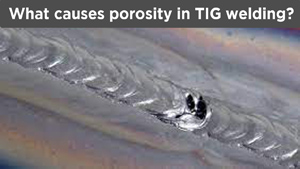
Running a clean weld on thin stainless or aluminum can get frustrating fast when the heat starts spreading too much or the bead turns rough and inconsistent.
Some welding methods are great for speed, but when precision matters, small mistakes become obvious immediately. That’s usually when welders start asking Why Is TIG Welding Better compared to other common welding processes.
In real fabrication work, TIG welding stands out because of the control it gives you over the arc, heat input, and filler material. You can create cleaner welds with less spatter, better appearance, and stronger results on delicate metals that are easy to ruin with excessive heat.
But it’s not just about looks—the added precision can reduce rework, improve durability, and make a big difference on critical projects.
That’s why this topic matters for both beginners and experienced welders. Choosing the right welding process affects everything from weld quality to material waste and long-term performance.
I’ll break down the real advantages of TIG welding, where it outperforms other methods, and why so many professionals rely on it for precision work.
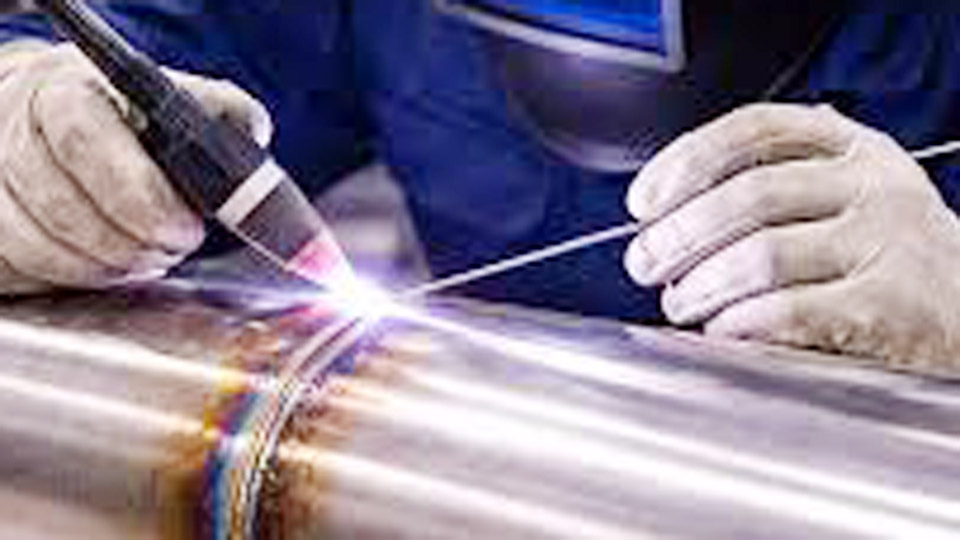
Image by kongfangmetal
What Makes TIG Welding Different from MIG, Stick, and Flux-Cored?
TIG uses a non-consumable tungsten electrode to create the arc while you manually add filler rod (or not at all for autogenous welds). Pure argon or argon mixes shield the weld, keeping it clean without flux or heavy spatter.
How it works in practice: You hold the torch in one hand and feed filler with the other. A foot pedal or fingertip control lets you ramp amperage up and down on the fly. This independence of heat and filler is the game-changer.
When and why to choose it: Use TIG when you need beautiful, low-distortion welds on thin stock, when welding aluminum or stainless, or when the job demands X-ray quality or food-safe surfaces. It’s slower than MIG, but you waste less time on cleanup and rework.
In my experience, beginners often chase speed with MIG on projects where TIG would save headaches later. For a DIY exhaust repair or aluminum tank, TIG’s precision prevents burn-through and cracking that MIG might cause on thin walls.
Key Advantages of TIG Welding in Real Fabrication and Repair
TIG shines in precision and versatility. You get excellent penetration control, minimal distortion, and welds that look like jewelry when done right. It handles a wider range of metals and thicknesses than most processes, including very thin materials down to 0.020″ without blowing holes.
No spatter means almost zero post-weld cleanup. The inert gas shield produces clean, slag-free beads ideal for visible or sanitary applications. You also control the puddle better, leading to superior fusion and fewer defects like porosity or lack of fusion.
Practical shop benefits I’ve seen:
- Less distortion on stainless kitchen equipment or thin auto body panels.
- Stronger root passes on pipe or tubing.
- Ability to weld dissimilar metals with the right filler.
- Environmentally cleaner with fewer fumes compared to stick or flux-cored.
It’s not always “better” for thick plate or high-volume production—MIG wins there for speed. But for quality-critical work, TIG is often the superior choice.
TIG vs MIG: When Precision Beats Speed
MIG (GMAW) is faster and more forgiving for dirty metal or thicker sections. It deposits filler quickly via continuous wire. But it produces more spatter, heat, and distortion.
TIG wins for thin materials (under 1/8″), aluminum, stainless, and anywhere aesthetics or low heat input matter. With TIG, you add filler only when needed and exactly where needed. MIG’s spray or short-circuit transfer can overwhelm thin stock.
Real example: Welding 0.060″ aluminum sheet for a custom radiator. MIG risks burn-through and requires more post-work. TIG lets you feather the heat with the pedal and build a perfect bead.
Pros and Cons Comparison:
| Aspect | TIG | MIG | Stick (SMAW) |
|---|---|---|---|
| Precision/Control | Excellent | Good | Fair |
| Speed | Slow | Fast | Medium |
| Cleanup | Minimal | Moderate (spatter) | High (slag) |
| Thin Materials | Best | Good (with care) | Poor |
| Aluminum/Stainless | Excellent | Good | Limited |
| Skill Level | High | Medium | Lower |
| Portability/Outdoors | Fair (gas sensitive) | Good | Best |
TIG vs Stick Welding: Cleanliness and Control
Stick is rugged, portable, and great for outdoor or dirty jobs. But it leaves slag, produces more spatter, and offers less heat control. TIG produces superior bead appearance and mechanical properties with far less post-processing.
I reach for stick on farm equipment repairs in the field. In the shop on stainless or aluminum, TIG is better every time.
Materials TIG Handles Best
Aluminum: TIG is king. AC balance cleans the oxide layer while you weld. Use pure argon, 2% thoriated or ceriated tungsten, and ER4043 or ER5356 filler depending on alloy.
Stainless Steel: DCEN polarity with argon. Low heat input prevents carbide precipitation and distortion. Perfect for food-grade or high-purity work.
Mild Steel and Chromoly: Excellent for tubing and thin plate where appearance and strength matter, like roll cages or bike frames.
Other metals: Copper, titanium, nickel alloys—TIG handles exotics better than most processes.
Practical TIG Machine Settings and Amperage Guidance
Rule of thumb for DC steel/stainless: About 1 amp per 0.001″ of thickness. Start low and adjust.
Approximate Amperage Ranges (DCEN for Steel/Stainless):
- 0.020–0.040″: 15–45A
- 1/16″ (0.0625″): 50–80A
- 1/8″ (0.125″): 80–130A
- 3/16″: 130–190A
Aluminum (AC): Often needs 20-50% more amps due to conductivity. Use balance control (more cleaning on dirty material, more penetration on thicker).
Tungsten selection: 3/32″ for most shop work up to 150-200A. Grind to a point for DC, ball slightly for AC aluminum. Use gas lens for better coverage.
US machines like Miller Dynasty or Lincoln Square Wave series make this easy with presets, pulse, and AC balance. Set pre-flow 0.5-1 sec, post-flow 10-15 sec or more for hot tungsten.
Step-by-Step: How to Set Up and Run a TIG Weld
- Safety first: Helmet (shade 9-13), gloves, leathers, good ventilation. Argon displaces oxygen—be aware in confined spaces.
- Joint prep: Clean thoroughly. Stainless: dedicated wire brush or grinder. Aluminum: acetone then stainless brush. Remove mill scale on steel.
- Tack your pieces: Small TIG tacks prevent movement.
- Torch angle: 10-20° push angle. Tungsten 1/16–1/8″ from work.
- Start the arc: High frequency start. Ramp amps with pedal.
- Weld: Establish puddle, add filler by dipping (not stirring). Keep consistent travel speed.
- End: Reduce amps gradually to fill crater, maintain post-flow.
Common Beginner and Pro Mistakes (and How to Avoid Them)
- Dirty metal or tungsten: Contamination causes porosity or inclusions. Clean everything religiously.
- Too long an arc: Leads to oxidation and weak welds. Keep it tight.
- Wrong tungsten prep: Grind longitudinally. Dedicated wheel only.
- Poor gas coverage: Use 15-20 CFH, gas lens, and check for leaks. Too little post-flow oxidizes the tungsten.
- Rushing heat control: Use pulse or foot pedal on thin stuff to manage puddle.
- Bad filler technique: Add rod to the puddle edge, not directly in the arc.
Pros sometimes get sloppy with prep on “easy” jobs and pay for it with rework.
Joint Preparation and Filler Metal Tips
Bevel thicker material (over 1/4″) for good penetration. Leave a small land. Fit-up should be tight for TIG—gaps are harder to bridge than with MIG.
Filler compatibility examples:
- Mild steel: ER70S-2 or ER70S-6
- 304 Stainless: ER308L
- 6061 Aluminum: ER4043 (general) or ER5356 (stronger)
Match chemistry and consider dilution.
Safety Considerations Every Welder Needs
UV radiation is intense—cover skin completely. Wear proper PPE. Argon is heavier than air; ventilate well. Hot tungsten can cause burns. Watch for arc flash to bystanders.
In US shops, follow OSHA and AWS guidelines. Proper grounding prevents shocks.
When TIG Might Not Be the Best Choice
Thick sections over 1/2″ where multiple passes slow you down. Very dirty outdoor jobs. High-production runs where MIG’s speed wins. Budget setups—good TIG machines and gas cost more upfront.
Real-World Applications Where TIG Excels
- Custom motorcycle or auto fabrication (chromoly frames, aluminum tanks).
- Food and beverage equipment (sanitary stainless welds).
- Aerospace and high-performance parts.
- Artistic metalwork and visible architectural features.
- Precision repairs on thin exhaust or body panels.
I’ve used it to repair cracked aluminum wheels and fabricate stainless headers—jobs where failure isn’t an option.
Practical Takeaways and Pro-Level Advice
After running hundreds of TIG beads, the biggest lesson is patience with setup and cleanliness. Master heat control with the pedal, and you’ll weld materials others struggle with. Practice on scrap until your beads are consistent in width, height, and penetration.
On stainless or aluminum, always use a dedicated set of tools and wire brush. Cross-contamination from carbon steel tools ruins your weld quality faster than anything else. Slow down, stay clean, and let the process do the work. Your welds will speak for themselves.
FAQ
Is TIG welding stronger than MIG?
It can be, due to better fusion and fewer defects when done correctly. Strength depends more on proper technique and joint design than the process alone, but TIG often produces higher quality welds with superior properties on critical applications.
What’s the best TIG machine for a home shop or hobbyist?
Look for AC/DC inverter machines with pulse and foot pedal capability, like 200-300A units from reputable US brands. They handle steel, stainless, and aluminum well for most DIY and light fab work.
How do I prevent tungsten contamination?
Keep the tungsten off the puddle and base metal. Use high-frequency start. Grind properly and use the right gas flow. If it touches, stop, regrind, and clean the area.
Can beginners learn TIG effectively?
Yes, but expect a learning curve. Start with DC steel on flat plate, focus on bead running, then add filler. Short sessions with good instruction pay off faster than forcing long practice.
Why does my TIG weld on aluminum look dirty?
Usually poor cleaning, wrong AC balance, or insufficient gas coverage. Brush with stainless wire right before welding, set proper balance (more EN for penetration, EP for cleaning), and ensure good torch angle/gas flow.