A heating system or gas setup can look perfectly fine on the outside—until it refuses to light, keeps shutting off, or behaves unpredictably under load. In many cases, the real issue isn’t the burner or ignition at all. It’s a failing safety component that quietly stops doing its job.
That’s why knowing How to Test Whether a Gas Safety Valve Is Faulty becomes so important when troubleshooting gas equipment.
In real maintenance work, a weak or stuck safety valve can cause inconsistent gas flow, poor ignition, or complete system shutdowns.
The tricky part is that these faults don’t always show obvious signs right away, which can lead to wasted time replacing parts that aren’t actually the problem. I’ve seen systems stripped down and rebuilt, only to find the valve was the hidden cause all along.
Identifying a faulty safety valve early can prevent downtime, improve safety, and avoid unnecessary repairs. In this guide, I’ll walk through practical testing methods and real-world signs that help you pinpoint the issue before it turns into a bigger problem.
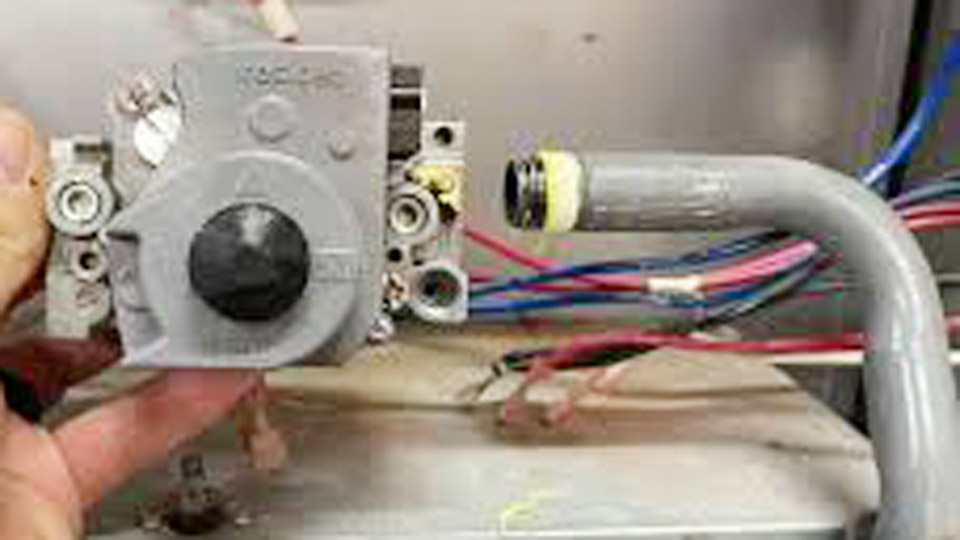
Image by grandhomeservicesllc
Why Gas Safety Valves Matter in Welding
Gas safety valves and relief devices on regulators protect against over-pressurization, reverse flow, and contamination. In oxy-fuel welding and cutting, the regulator’s built-in relief valve (or safety disc) vents excess pressure before it damages the low-pressure gauge or hose. Check valves and flashback arrestors prevent dangerous mixtures from traveling back to the cylinder.
A faulty valve shows up as creeping pressure on the gauge, hissing leaks, erratic flame, or no flow when you need it. I’ve seen beginners chase arc problems only to discover the real issue was upstream in the gas delivery. Pros ignore early warning signs and end up with popped diaphragms or contaminated shielding gas that ruins stainless or aluminum welds.
Real consequence: One bad afternoon with a creeping acetylene regulator can empty a tank overnight or create a fire hazard. Testing takes minutes and prevents hours of frustration.
Understanding Gas Safety Valves in Common Welding Processes
What They Are and How They Work
In oxy-acetylene setups (SMAW isn’t gas-dependent, but many shops use O/A for cutting and heating), the regulator has two stages: high-pressure and low-pressure sides. The safety relief valve is usually a spring-loaded device or a frangible disc on the low-pressure chamber. It opens if pressure exceeds safe limits (often around 30-40 psi for acetylene side safety).
Flashback arrestors and check valves act as one-way gates. Gas flow keeps them open; reverse pressure or sudden drop snaps them shut.
In MIG/TIG, solenoid valves or flowmeters control shielding gas (argon, CO2 mixes). Faulty solenoids or inline check valves cause porosity from poor shielding or over-consumption.
They work on simple physics: pressure differentials, springs, and diaphragms. Wear, dirt, old O-rings, or damage from drops change that behavior.
When and Why to Test Them
Test before every major job, after dropping equipment, when you notice pressure creep, hissing, or weird flame behavior. Always test new regulators or after long storage. In humid shop environments common in the South or coastal areas, corrosion hits faster.
Why? Consistent gas flow means stable flame or arc. Faulty valves cause:
- Unstable cutting flames that wander
- Porosity in MIG welds on mild steel
- Tungsten contamination in TIG
- Wasted gas costing $20–50 per tank refill
Step-by-Step: How to Test a Gas Safety Valve on Oxy-Acetylene Regulators
Grab your regulator, full cylinders, soapy water solution, and safety gear. Work in a well-ventilated area away from ignition sources.
Step 1: Visual Inspection
Look for cracks, dents, corrosion on the relief valve port, or oil/grease (especially dangerous on oxygen). Check the gauge faces for fogging or needle issues. If the relief valve has vented before, you might see residue or a deformed disc.
Step 2: Static Pressure Test for Creep
- Close torch valves.
- Slowly open cylinder valves (oxygen fully, acetylene no more than 1.5 turns).
- Set regulator to normal working pressure (5-10 psi acetylene, 20-40 psi oxygen for most jobs).
- Close cylinder valve.
- Watch gauges for 5-10 minutes. Pressure should hold steady. Drop means leak downstream. Rise (creep) points to faulty regulator seat or relief valve not holding.
Step 3: Leak Detection with Soap Solution
Brush soapy water on all connections, diaphragm housing, relief valve outlet, and hose fittings. Bubbles = leak. Tighten gently or replace fittings. Never use oil on oxygen regulators.
Step 4: Functional Test of Relief/Safety Valve
This is trickier and not always DIY-recommended for high-pressure systems. Many pros simulate by carefully raising pressure slightly above normal (with torch valve closed) and observing if the relief activates at the rated point. If it doesn’t vent when it should or vents constantly, replace the regulator. Safety discs are often one-time; once blown, swap the unit.
Step 5: Check Valve and Flashback Arrestor Test
- Disconnect torch.
- Blow through the check valve in the normal flow direction—it should pass air easily.
- Reverse direction—it should block completely.
- For arrestors, listen for proper click or resistance on reverse.
I’ve had check valves stick open after years of use, allowing minor reverse flow that contaminates hoses.
Common Signs of a Faulty Gas Safety Valve
- Pressure creep: Gauge needle slowly climbs after shutting off cylinder.
- Hissing or constant venting: Even at low pressure.
- No flow or low flow: Despite full tanks and open valves.
- Erratic flame: Popping, soot, or inability to hold a neutral flame.
- Gauge damage: Bent needles or shattered lenses from sudden pressure spikes.
Beginners often overtighten fittings and crack seats. Pros sometimes bypass reliefs thinking they’re annoying—don’t do it.
Testing in MIG/TIG Shielding Gas Systems
MIG machines like Millermatic or Lincoln Power MIG use solenoids. Test by:
- Power on, trigger gun without wire—listen for solenoid click and feel gas at nozzle.
- Use a flowmeter; it should read steady 15-25 CFH depending on joint and material.
- Check inline filters for debris blocking flow.
- For dual-gas setups, verify purge settings.
Faulty solenoid valves stick open (wasting gas) or closed (porosity city). Replace if no audible click or measurable flow.
Tools and Shop Practices for Reliable Testing
Keep a dedicated leak test bottle in your cart. Digital pressure gauges help spot small creeps pros miss on analog. Annual professional calibration for shop regulators is cheap insurance.
For US machines: Victor, Harris, and Smith regulators dominate. Their relief designs vary slightly—know your model.
Joint prep note: Even perfect gas won’t save a dirty joint. Grind mill scale, wipe oils, and use proper filler (ER70S-6 for MIG mild steel, E6010/E7018 for stick).
Amperage tie-in: Unstable gas affects heat input. A neutral O/A flame needs balanced pressures; test valves first before tweaking ratios.
Comparison: Good vs. Faulty Regulator Behavior
| Symptom | Good Regulator | Faulty Safety/Relief Valve | Fix Recommendation |
|---|---|---|---|
| Pressure after shutoff | Holds steady | Creeps up or drops | Replace regulator |
| Leak test (soap) | No bubbles | Bubbles at relief or body | Tighten or replace |
| Flame stability | Consistent neutral | Popping, carburizing, oxidizing | Full system test & clean |
| Flow (MIG) | Steady CFH | Intermittent or zero | Solenoid or hose check |
| Relief activation | Only on overpressure | Constant vent or never activates | Regulator replacement |
Safety Considerations Every Welder Must Follow
Always treat oxygen as the oxidizer it is—keep it away from oil. Acetylene above 15 psi is unstable. Wear proper PPE, secure cylinders upright, and have fire extinguishers rated for gas fires nearby.
Never force a relief valve or remove it. If it activated once, the regulator has seen abuse—inspect thoroughly.
Common mistake: Storing regulators with pressure still on the diaphragm. Always back off adjusting screws after use.
Practical Tips from the Shop Floor
- Test in this order: visual → static hold → soap → function.
- Replace hoses every 5-10 years or at first sign of cracking.
- For field repairs, carry a spare torch with built-in arrestors.
- On aluminum TIG, even minor argon flow issues cause dirty beads—test daily.
- Train apprentices: “If the gauge moves when it shouldn’t, stop.”
Material handling: Keep cylinders out of direct sun to avoid pressure spikes that test your safety valves the hard way.
Real-World Examples from Fabrication and Repair Jobs
On a structural repair job in Texas, a creeping acetylene regulator caused a small fire when residual gas ignited during hot work. We traced it to a worn relief seat after a cylinder swap. Testing every morning became shop policy.
In a hobbyist garage building a custom chopper frame, inconsistent MIG gas led to porous welds that failed inspection. A stuck solenoid valve was the culprit—simple trigger test would have caught it early.
Taking It Further: Maintenance Schedule
- Daily: Visual and quick leak check.
- Weekly: Full pressure hold test.
- Annually: Professional overhaul or replacement for heavy-use shops.
- After incidents: Complete disassembly inspection if possible.
Key Takeaways for Better Welding Gas Control
You’ve now got the hands-on process for testing whether a gas safety valve is faulty, plus context on how it affects real welds across stick, MIG, TIG, and oxy-fuel. Consistent pressure, no leaks, and proper flow directly improve bead appearance, penetration, and safety while cutting costs on gas and rework.
The best pros I know treat gas equipment with the same respect as their power source. They test routinely, document weird behavior, and replace proactively instead of waiting for failure mid-job.
When you suspect a problem, isolate it—test the cylinder valve alone, then regulator, then hoses, then torch. Never assume the whole system is bad. This systematic approach saves time and prevents unnecessary part swaps.
FAQ
How do I know if my oxy regulator relief valve is bad without specialized tools?
Watch for creeping outlet pressure after closing the cylinder valve with the torch off. Soap test for venting at the relief port. If pressure rises above set point without cause, replace the regulator.
Can a faulty gas safety valve cause porosity in MIG welds?
Yes. Inconsistent or low flow from a sticking solenoid or check valve lets air into the shielding, causing porosity. Test by purging and measuring flow at the nozzle with a meter.
What’s the safe way to test for leaks on acetylene equipment?
Use soapy water only. Never use open flame. Pressurize system, apply solution to all joints and relief areas, and look for bubbles.
How often should I replace welding gas regulators?
Every 5-10 years or after any major pressure incident, visible damage, or repeated creep issues. Heavy daily use in fab shops shortens this.
My gauges show pressure but no gas comes out at the torch—what’s likely?
Blocked hose, closed torch valve, faulty downstream check valve, or frozen regulator internals from moisture. Isolate section by section.