Watching sparks burn underwater for the first time messes with your head. Steel is melting, bubbles are racing past your hood, and everything you know about welding on dry land suddenly feels different. I got curious about how underwater welding works after talking with divers who weld in conditions where one bad move can cost a lot more than a failed bead.
This process matters because underwater welds often hold together pipelines, ship hulls, and offshore structures under constant pressure and corrosion.
It’s not just about striking an arc—it’s about electricity, water displacement, specialized equipment, and serious safety discipline. I learned pretty quickly that techniques, rods, and risks change the moment you leave dry ground.
If you’ve ever wondered how welders manage stable arcs underwater and still produce strong joints, stick with me. I’ll break down the process, the equipment involved, and the real-world challenges that most people never see—step by step, without the fluff.

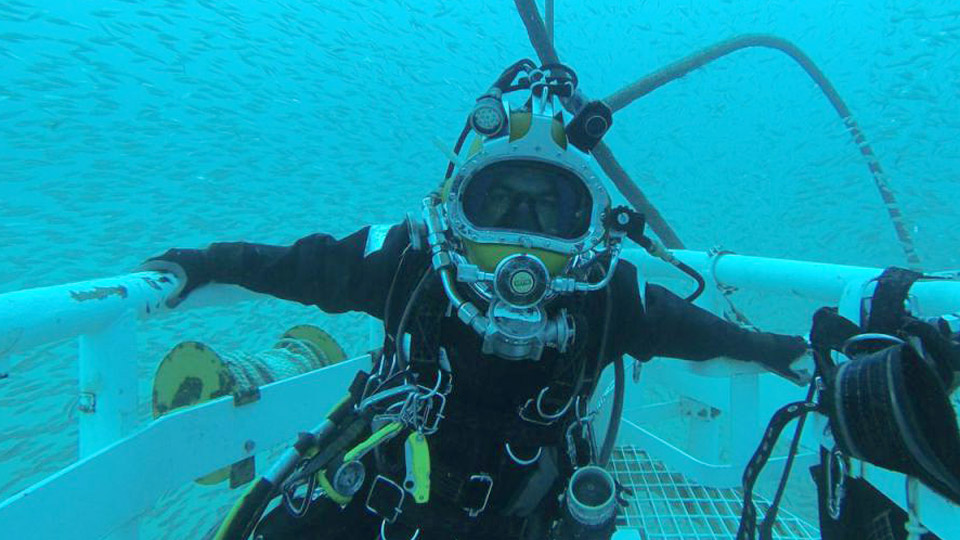
Image by ergo edu pl
What Exactly Is Underwater Welding?
Underwater welding is essentially joining metals below the surface, but with the added chaos of water, pressure, and limited visibility. It’s not like grabbing your stick welder in the garage; everything’s amplified.
In my early days, I thought it was just welding with a mask on—boy, was I wrong. It’s a specialized field where welders double as commercial divers, fixing everything from bridges to nuclear power plants.
At its core, it’s hyperbaric welding, meaning it happens under elevated pressure. The water conducts electricity, cools things too fast, and introduces gases that can weaken your bead. But when done right, it saves millions in downtime.
Use it for emergency repairs on submerged structures where dry-docking isn’t feasible, like on oil platforms or dams. Why bother? Because halting operations for a topside fix could cost a fortune in lost production.
From my experience, pros turn to it for structural integrity in harsh environments. Beginners? Stick to land until you’ve got the certs—diving uncertified is a fast way to end up in the ER.
The Two Main Types of Underwater Welding
Diving into the types, we’ve got wet and dry methods. Each has its place based on depth, quality needs, and budget. I’ve used both on jobs, and trust me, choosing wrong can mean redoing the whole thing.
Wet Underwater Welding: Diving Right In
Wet welding happens fully submerged, no barriers between you and the water. It’s like SMAW (shielded metal arc welding) on steroids, using waterproof electrodes to strike an arc that vaporizes water into a protective bubble. That bubble shields the molten pool from contamination.
How it works: You dive down, prep the joint, and crank up the amps—usually 300-400—to overcome water’s cooling effect. The electrode melts, filler metal transfers, and the weld solidifies quicker than on land. I’ve seen guys burn through rods faster because the water pulls heat away, so you adjust for shorter burn-off times.
Use it when speed trumps perfection, like patching a leaking hull mid-voyage. Why? It’s portable and cheap—no massive setups. But in real situations, it’s for shallower depths, say up to 100 feet, where decompression isn’t brutal.
Practice on land with wet electrodes first. I once had a trainee ignore that and ended up with porous welds from improper striking—fix it by angling your rod at 15-20 degrees to maintain the bubble.
Dry Underwater Welding: Creating a Bubble of Safety
Dry welding, or hyperbaric, seals off the area in a chamber pumped full of heliox (helium-oxygen mix) to push out water. It’s like welding in a pressurized room underwater.
The process: Lower the habitat, seal it around the work site, evacuate water, and pressurize to match depth. Then, weld like normal—GTAW, GMAW, whatever fits. Heat control is better, so you get deeper penetration without distortion.
This is for high-quality needs, like pipeline tie-ins where leaks aren’t an option. Why choose it? Superior strength and less rework. On a North Sea job, we used it to avoid hydrogen embrittlement that plagues wet welds.
Monitor gas levels obsessively—too much oxygen, and you risk fire. I learned that the hard way when a chamber mix went off, causing a delay. Always double-check seals before diving in.
How Does Wet Underwater Welding Work Step by Step?
Alright, let’s break this down like I’m walking you through your first dive weld. Wet welding is the go-to for quick fixes, but it demands respect for the elements.
First, suit up: Full dive gear, including a helmet with comms, because visibility is trash—maybe 1-2 feet on a good day. Check your umbilical for power and air; it’s your lifeline.
Prep the site: Clean the joint with grinders or brushes. Water hides corrosion, so scrape deep. For a butt joint on steel pipe, bevel edges at 30 degrees for better fusion.
Select your electrode: Use waterproof ones like Broco’s Soft-Touch—1/8″ or 5/32″ diameter for most jobs. They’re coated to insulate and produce that gas shield.
Strike the arc: Dive to position, ground the clamp securely (water conducts, so no loose connections). Start at 300 amps DC, positive polarity to heat fast. The arc boils water, creating a steam bubble that protects the weld pool.
Lay the bead: Drag the rod steadily, watching for undercut from fast cooling. Pause if the bubble bursts—re-strike quick. For vertical welds, weave slightly to build up.
Cool and inspect: Water quenches it instantly, so no post-heat needed, but check for cracks. If it’s porous, grind out and redo with lower amps.
Common mistake: Rushing the strike leads to sticking. Fix by practicing taps on scrap. In my shop, we simulate with a bucket—sounds silly, but it saves dives.
Setting Up Equipment for Underwater Welding Success
Equipment makes or breaks it. I’ve jury-rigged setups on remote jobs, but here’s what you need for reliability.
Power source: US brands like Lincoln Electric or Miller for DC welders, rated 400+ amps. Water cools cables faster, so use heavy-duty ones.
Electrodes: Diameter matters—3/32″ for thin plates, 3/16″ for thick. Amperage range: 150-250 for small rods, up to 400 for big. Match to material; E7018 for carbon steel to fight hydrogen.
Diving rig: Kirby Morgan helmets for visibility, with hot water suits for cold depths. Tools like hydraulic grinders for prep.
Tip: Calibrate amps higher than land—water steals heat. On a rig repair, I bumped to 350 amps on a 5/32″ rod for proper penetration without burn-through.
For dry setups, add chamber controls. Pros: Better arc stability. Cons: Setup time eats hours.
Safety Hazards Every Underwater Welder Faces
Safety isn’t optional—it’s survival. Underwater, electricity, pressure, and darkness conspire against you.
Electric shock: Water conducts, but the bubble insulates. Still, use insulated holders; I’ve seen shorts zap guys. Ground close to the weld.
Decompression sickness: “The bends” from nitrogen bubbles. Dive tables are law—ascend slow.
Explosions: Hydrogen from arc electrolysis can ignite. Ventilate and monitor gases.
Visibility and currents: Murky water hides hazards; strong flows drag you. Tie off always.
On a lake job, current pulled my rod mid-weld, causing spatter burns. Lesson: Secure everything, wear full PPE.
Fix bad setups: If amps are too high, rods burn off uneven—dial down 20 amps and test.
Training and Certification: Your Ticket to the Depths
Becoming an underwater welder starts with commercial diving school, then welding certs. In the US, places like The Ocean Corporation teach both.
Basics: Get your ADCI card for diving, AWS for welding. Practice SMAW underwater in pools.
Why? Untrained folks make fatal errors, like ignoring depth limits.
Tip: Shadow pros—my first mentor saved me from a chamber lockout by drilling procedures.
Real-World Applications Where Underwater Welding Shines
Think oil rigs: Welding risers at 200 feet prevents spills. Ships: Hull patches keep fleets afloat.
Dams and bridges: Reinforce underwater without draining.
Nuclear: Dry weld containment vessels safely.
Example: Post-Hurricane Katrina, wet welds fixed levees fast, saving communities.
Pros and Cons of Wet vs. Dry Underwater Welding
Let’s compare in a table for clarity:
| Aspect | Wet Welding | Dry Welding |
|---|---|---|
| Cost | Low—minimal setup | High—chamber and gas expenses |
| Speed | Fast for quick repairs | Slower due to habitat deployment |
| Quality | Good for temporary fixes; prone to porosity | Excellent; allows heat treatment |
| Depth Limit | Shallower (up to 100-200 ft) | Deeper with saturation diving |
| Safety | Higher shock risk, but mobile | Safer environment, decompression issues |
| Processes | Mostly SMAW | SMAW, GTAW, FCAW |
From experience, wet for emergencies, dry for permanence.
Common Mistakes Beginners Make Underwater
Rookies often over-amp, causing undercut. Fix: Start low, build up.
Poor prep: Algae hides rust—grind thoroughly.
Ignoring fatigue: Dives tire you; rest or botch the bead.
Pro tip: Log every weld—patterns show issues, like inconsistent rods.
Tips for Strong Welds Below the Surface
Joint prep: Bevel wider underwater for fusion.
Amperage: 20-30% higher than land; test on coupons.
Filler compatibility: Match to base—stainless for corrosion-prone areas.
Handle materials: Preheat if possible in dry; avoid in wet to prevent quench cracks.
Final Thoughts
I’ve clocked thousands of hours welding, from backyard fixes to ocean depths, and underwater work sharpens you like nothing else. You now know the ins and outs—types, steps, safety—so you’re equipped to tackle or understand these jobs without the guesswork.
Remember, it’s about precision under pressure, not rushing. Always visualize the arc bubble before striking; it keeps your weld shielded and your head clear, turning potential disasters into solid repairs.
FAQ’s
Can You Really Weld Underwater Without Getting Shocked?
Absolutely, but it’s all in the setup. The gas bubble from the arc insulates you, and using DC positive polarity minimizes conduction. I’ve done hundreds without issues—key is insulated tools and grounding near the weld. If shocked, check cable integrity immediately.
What’s the Best Electrode Size for Underwater SMAW?
Start with 1/8″ for most repairs—balances control and deposition. For thicker steel, go 5/32″. Amperage 250-350 amps. Test burn-off on land first; water shortens it, so stock extras.
How Do You Fix Porosity in an Underwater Weld?
Grind out the bad section, clean thoroughly, and reweld with drier electrodes. Lower amps 10-20 to reduce gas entrapment. In dry chambers, add post-heat to drive out hydrogen.
Is Underwater Welding Worth the Risks for the Pay?
If you’re trained, yes—top earners hit $100k+ annually in the US. But factor in dangers like bends. I love the adrenaline, but prioritize safety certs over quick cash.
What’s a Common Amperage Range for Wet Welding Steel Pipes?
300-400 amps for 5/32″ rods on carbon steel. Adjust down for thinner walls to avoid burn-through. Monitor rod consumption—faster underwater, so weave slower for even beads.