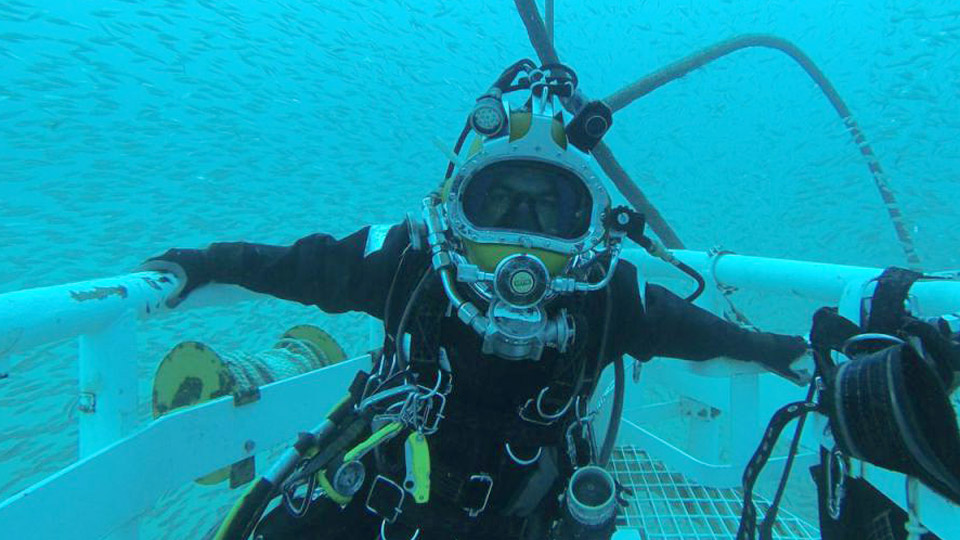
Working above ground is challenging enough, but welding underwater adds pressure in every sense of the word. Between limited visibility, heavy gear, and the need to stay calm in deep water, it’s a career that demands far more than just knowing how to run a good bead.
That’s why many people eventually ask what do you need to become an underwater welder before deciding if the trade is really for them.
In real job conditions, underwater welding combines commercial diving skills with solid welding experience. You need physical endurance, proper certifications, safety training, and the ability to work in environments where mistakes can become dangerous very quickly.
I’ve talked with welders who were surprised by how much preparation goes into the career long before anyone even touches a torch underwater.
I’ll break down the training, certifications, equipment, and practical skills you need to start a career in underwater welding—and what to expect once you get there.
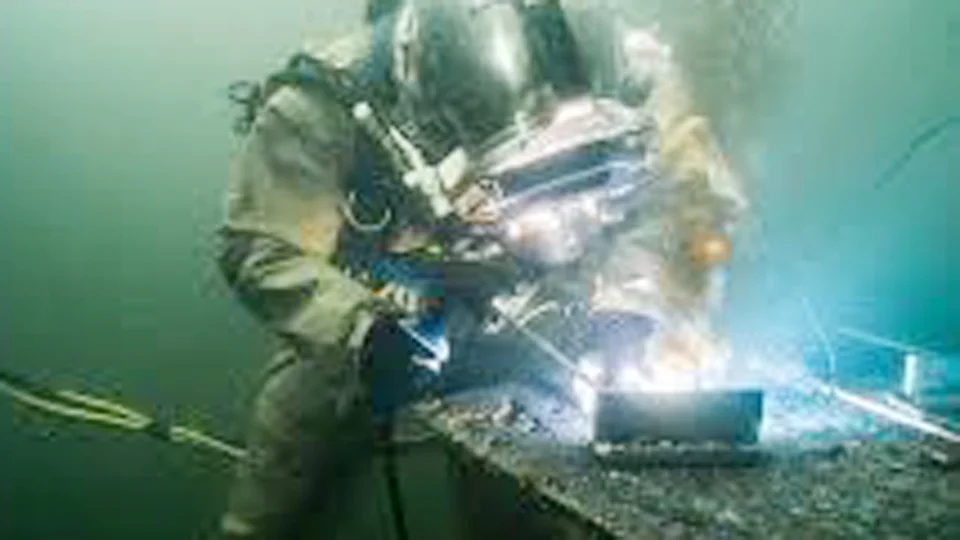
Image by midsouthsupply
Why Underwater Welding Matters in Real Jobs
Most land-based welders never deal with water conductivity turning your arc into a hazard or hydrogen bubbles creating explosion risks. Underwater work combines diving physiology with precision fabrication. One bad call can mean the difference between a clean repair and a costly rework—or worse.
That’s why employers demand proven credentials in both welding and diving. The job isn’t glamorous, but it’s essential for infrastructure, shipping, oil and gas, and marine salvage across the US.
Core Requirements: Education and Physical Foundation
Start with the basics. You need a high school diploma or GED. Most vocational welding programs and commercial diving schools won’t accept you without it. Why? Because you’ll be reading complex dive tables, interpreting blueprints underwater, and making split-second decisions that affect safety and weld quality.
Physical condition separates dreamers from professionals. You must pass a thorough medical exam, often including tests for lung capacity, cardiovascular health, and fitness for pressurized environments.
Expect swimming tests, strength evaluations, and checks for claustrophobia. If you’re out of shape or have untreated conditions like asthma or ear problems, this path closes quickly.
Practical Tip: Get in the water regularly. Recreational scuba helps build comfort, but it’s no substitute for commercial training. Start building stamina now with weighted swims and breath-hold exercises under supervision.
Welding Skills: Your Dry-Land Foundation
You can’t weld underwater without mastering it topside first. Most successful underwater welders hold AWS certifications in structural steel or pipe welding before touching a commercial dive program.
Focus on SMAW (stick welding) because it’s the workhorse for wet welding. Learn proper arc control, bead placement, and how different electrodes behave. Practice on carbon steel plates in all positions—flat, horizontal, vertical, and overhead. These translate directly when you’re horizontal on a muddy seabed.
Common Beginner Mistake: Rushing into fancy processes before nailing fundamentals. I’ve seen guys with shiny TIG certs struggle with basic stick because they never developed the hand feel needed in low-visibility water.
Recommended Settings for Practice (Carbon Steel, Typical US Machines):
- Electrode: E6013 or E7014 for learning, then move to waterproofed E7014 or specialized wet electrodes
- Amperage: 90-140A depending on diameter and position
- Polarity: DC electrode positive (DCEP) for most underwater work
Joint prep remains critical. Clean to bright metal, proper bevel angles (usually 20-30 degrees), and good fit-up save hours of grinding later.
Commercial Diving Certification: The Non-Negotiable Step
This is where paths diverge from regular welding. You need formal commercial diver training from an accredited school. Programs in the US typically run 6-7 months and cost $15,000-$30,000, but they deliver the credentials employers require.
Top schools include Divers Institute of Technology (Seattle), The Ocean Corporation (Houston), Florida Commercial Diving Institute, and others. Look for programs offering ADCI (Association of Diving Contractors International) or similar international recognition.
What you’ll learn:
- Surface-supplied diving systems
- Dive planning and decompression tables
- Underwater tools and rigging
- Emergency procedures
- Basic salvage and inspection
When to Use Certain Techniques:
- Wet welding: For temporary repairs or where dry habitats aren’t feasible. Faster but generally lower quality.
- Dry (habitat) welding: Produces code-quality welds in a controlled environment. Preferred for critical structural repairs.
Specialized Underwater Welding Training and Certifications
After commercial diving basics, seek specific underwater welding quals. AWS D3.6M covers underwater welding specifications with different classes (A, B, etc.) based on quality requirements.
Many schools integrate wet welding modules. Expect to practice with waterproof electrodes in dive tanks. You’ll learn drag technique, oscillation, and step-back methods to maintain arc stability while managing visibility and water movement.
Electrode Choices for Underwater:
- Waterproof flux-coated rods designed specifically for wet environments
- Diameters: 1/8″ and 5/32″ most common
- Storage: Keep them dry until use—moisture kills performance fast
Safety Considerations: What Pros Actually Worry About
Safety isn’t a checkbox here. Electric shock tops the list because water conducts current. Use DC machines with proper grounding, knife switches, and insulated stingers. Never weld without a tender monitoring the surface setup.
Decompression sickness (“the bends”) comes from improper ascent rates. Learn your tables cold. Hypothermia sneaks up in cold US waters—Great Lakes jobs in winter test your limits.
Other hazards:
- Explosions from hydrogen/oxygen gas pockets
- Limited visibility and strong currents
- Marine life encounters
- Equipment failure leading to drowning
Pro Tip from the Field: Treat every dive like your first. Double-check equipment, communicate clearly with your team, and know when to call the job. The guys who last longest respect the water more than they chase the paycheck.
Step-by-Step Path to Your First Underwater Welding Job
- High School/GED – Complete this foundation.
- Welding Training – Attend a reputable program (6-12 months) and earn AWS certs.
- Gain Topsides Experience – Work as a structural or pipe welder for 1-2 years. This builds real judgment.
- Commercial Diving School – Enroll full-time. Graduate with entry-level diver credentials.
- Underwater Welding Modules – Complete specialized training and testing.
- Entry-Level Work – Start as a diver/tender or welder-diver assistant. Build hours.
- Advanced Certifications – Pursue higher ADCI levels or saturation diving for deeper, higher-paying work.
Equipment You’ll Use Every Day
Diving side: Helmet (often Kirby Morgan), dry suit or wet suit, weight belt, harness, bail-out bottle, communications.
Welding side: Waterproof electrodes, DC welding machine rated for underwater use, stinger with extra insulation, ground clamp setup.
Material Notes: Most work involves carbon steel on ships, bridges, platforms, and pipelines. Know how salinity affects arc (saltwater conducts more), and adjust techniques for freshwater vs. seawater.
Pros and Cons of the Career
Pros:
- High earning potential: Entry around $40k-$60k, experienced $80k-$150k+ with overtime and hazard pay
- Travel and variety
- Pride in repairing critical infrastructure
- Constant learning
Cons:
- Physically demanding and dangerous
- Irregular schedules and time away from home
- High training investment
- Health wear over time (joints, hearing, lungs)
Common Mistakes That Cost Jobs or Worse
- Skipping proper joint cleaning underwater (visibility makes it tempting)
- Poor communication with surface team
- Ignoring minor equipment issues
- Pushing physical limits on long dives
- Neglecting continuing education on new techniques and safety standards
I’ve watched solid welders wash out of dive programs because they underestimated the mental side—staying calm when everything feels heavy and slow.
Building a Long-Term Career
Once established, many move into inspection, ROV operation, supervision, or hyperbaric welding. Some specialize in nuclear plant work or offshore wind farms. Unions like those affiliated with pile drivers can offer strong paths with benefits.
Stay current with AWS updates and ADCI standards. Physical maintenance becomes non-negotiable after 35-40. Smart welders cross-train in NDT (non-destructive testing) for steadier work as they age.
Real-World Job Examples
Repairing a damaged dock in the Gulf after a storm. Cutting and welding new braces on an oil platform in the Pacific. Salvaging a sunken vessel in the Great Lakes. Each job brings different water conditions, visibility, and material challenges that test every skill you built.
Final Thoughts
If you’re serious, start with your welding fundamentals today, get in shape, and research accredited dive schools near you. The water’s waiting, but it doesn’t forgive shortcuts.
Never trust a weld you can’t see clearly and inspect properly. Take the extra minute to clean, position, and verify. Your life and the structure depend on it.
FAQ: Answering the Questions Welders Actually Ask
How long does it take to become an underwater welder?
Realistically 2-4 years. Welding training (6-18 months) + commercial diving program (6-7 months) + experience building. Rushing leads to failure or injury.
Is underwater welding dangerous?
Yes. The combination of electricity, pressure, and water creates serious hazards. Proper training, equipment, and team support make it manageable, but it will never be low-risk.
What’s the salary like in the US?
Entry-level often $40,000-$70,000 depending on location and hours. Experienced commercial diver-welders frequently clear six figures with overtime, especially on offshore or emergency response jobs.
Do I need to be a certified diver first?
Absolutely. Welding skills alone won’t get you hired. Commercial diving certification is the gateway.
Can I start with just recreational scuba experience?
It helps with comfort in water, but no. Recreational certifications don’t teach the surface-supplied systems, decompression protocols, or heavy work required for commercial jobs.