You hook up a propane tank, open the valve, and expect everything to work normally—but the flame is weak, the appliance struggles to stay lit, or gas flow seems unusually restricted. Before assuming the tank is empty or something is broken, there’s a good chance the built-in safety device has been triggered.
That’s why many people look for How to Reset Safety Valve on Propane Tank when their equipment suddenly stops performing the way it should.
Propane tanks are designed with safety features that automatically restrict gas flow if they detect a potential problem, such as a rapid pressure surge or an improperly opened valve.
While these systems help prevent accidents, they can also be confusing when they activate unexpectedly and leave you troubleshooting what seems like a bigger issue.
Knowing how to identify and reset a triggered safety valve can save time, prevent unnecessary part replacements, and get your propane-powered equipment running properly again.
I’ll walk through the process step by step, explain why the safety mechanism activates, and share practical tips to help prevent the problem from happening in the future.
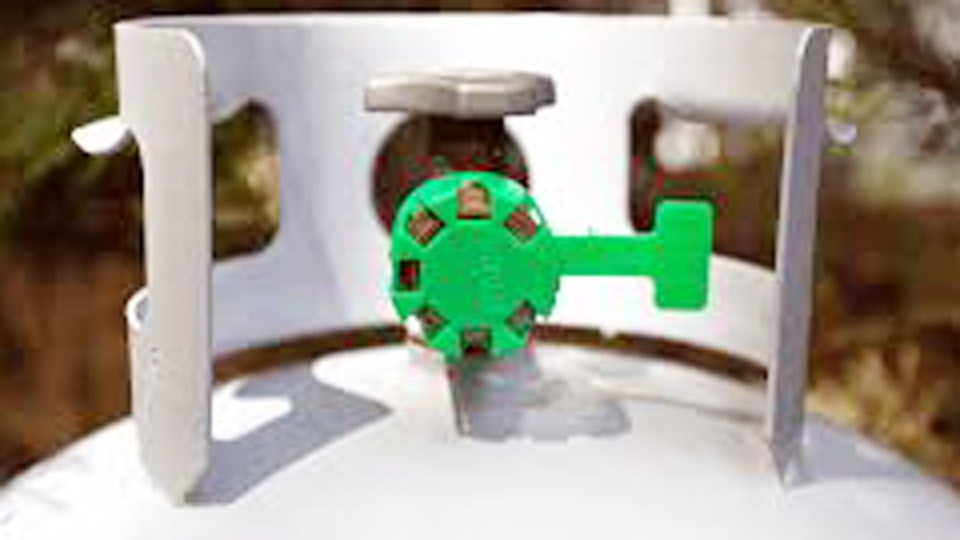
Image by technorv
Propane Tank Safety Valves in Welding Applications
The safety valve on modern propane tanks is primarily the Overfill Protection Device (OPD) combined with an excess flow valve. These are mandatory on tanks 4 pounds and larger in the US since the early 2000s. The OPD prevents overfilling, which could lead to liquid propane expansion and rupture in heat.
The excess flow valve slams shut if it detects sudden high flow, like a hose rupture or opening the valve too aggressively.
In welding, we deal with this constantly because our regulators and torches pull vapor at rates that can trigger these valves. Unlike a backyard grill sipping gas slowly, an oxy-propane torch for cutting 1/2-inch plate needs steady, high-volume flow.
When the valve trips, you get a whisper of propane instead of the strong blue flame you need for proper preheat or cutting.
How it works mechanically: Inside the tank valve, a spring-loaded poppet or float mechanism senses flow or pressure. If it exceeds safe limits, it restricts output dramatically—often to 10-30% of normal capacity. This protects you but stops your work dead.
Use it when you notice weak flame, hissing at the connection, or the torch won’t stay lit under load. It’s especially common after swapping tanks mid-job, transporting tanks horizontally (which can shift liquid), or on cold mornings when pressure is lower and you crank the valve open fast.
Why This Matters for Welders and Fabricators
In my experience, ignoring or mishandling propane safety valves leads to more downtime than bad electrodes or dirty metal. For oxy-propane cutting, you need consistent BTU delivery. A restricted valve gives you a lazy, carburizing flame that causes rough cuts, excessive slag, and poor edge quality.
On preheat for SMAW or MIG on thick material, it means uneven expansion, more distortion, and potential cracking.
Safety first: Propane is heavier than air. Leaks pool in low spots—your shop floor, under the workbench, or in the bed of your truck. A properly functioning safety system prevents catastrophe, but knowing how to reset it safely keeps you productive without taking stupid risks.
Common mistake I see from beginners: Yanking the tank valve wide open with the torch valves already cracked. Pros know to open slowly and methodically.
Step-by-Step: How to Reset Safety Valve on Propane Tank
Here’s the exact procedure I teach every new welder in the shop. Do this outside or in a well-ventilated area, away from ignition sources.
Step 1: Shut everything down safely.
Close the tank valve completely—clockwise until it stops. Turn off your torch valves, oxygen, and any regulators. Disconnect the regulator hose from the tank if possible. This relieves pressure on the internal mechanisms.
Step 2: Wait it out.
Give it a full minute. This lets the excess flow valve reset naturally as trapped pressure equalizes. Don’t rush—patience here prevents repeat trips.
Step 3: The gentle reopen.
Reconnect the hose snugly. Open the tank valve very slowly—one quarter turn at a time over 10-15 seconds. Listen for the click or change in flow. Crack your torch propane valve slightly first to allow controlled flow.
Step 4: Test the flame.
Light the torch properly (propane first, then oxygen). Adjust for a neutral flame. If flow is still weak, disconnect again and repeat.
For stubborn cases, I’ve had success gently depressing the pin in the tank outlet with a small screwdriver or the tip of a wrench (tank valve closed, pointed away from you). You might hear a brief hiss as it resets. Wear gloves and eye protection—cold propane can freeze skin.
Never slam the tank down or overfill as a “fix.” That’s asking for trouble with certification and safety.
Propane Tank Setup for Oxy-Fuel Welding and Cutting
Proper setup prevents valve trips in the first place. I prefer 40-100 lb tanks for serious cutting work over small BBQ-style ones because they maintain better vapor pressure under load. Smaller tanks with OPD valves struggle with high-demand torches.
Regulator tips: Use a dedicated propane regulator—not an acetylene one. Propane eats certain rubbers, and acetylene regulators often deliver too much pressure. Set delivery pressure based on tip size: typically 5-15 psi for propane on most cutting torches.
Hose and torch prep: Inspect hoses for cracks. Use flashback arrestors. Purge lines before lighting. For joint prep on repairs, clean metal to bright and preheat evenly to avoid hydrogen issues or cracking.
Material compatibility: Propane works great for cutting mild steel up to 6-8 inches thick with the right tip, but it’s slower than acetylene on very thick stuff. Excellent for brazing, heating for bending, or loosening rusted bolts on heavy equipment.
Common Mistakes and How to Avoid Them
Beginners often open the tank valve like they’re starting a lawnmower—full blast. This instantly trips the excess flow. Pros open it one turn max initially.
Another error: Leaving the tank valve open when not in use. Temperature swings can cause pressure buildup and nuisance trips. Close it when you’re done for the day.
Transporting tanks on their side is a killer. Liquid propane can get into the valve, causing weird behavior when upright. Always secure upright.
I’ve seen pros strip threads by over-tightening POL fittings. Hand tight plus a quarter turn is plenty. Use proper thread sealant rated for propane if needed, but most modern connections don’t require it.
Troubleshooting Low Flow in the Welding Shop
If resetting doesn’t work:
- Check for ice on the regulator (common in humid conditions—thaw gently).
- Verify tank isn’t near empty (liquid level low means poor vaporization).
- Test with a different regulator.
- Inspect the tank valve outlet for debris.
On big jobs, I keep a spare tank ready. Swapping mid-cut wastes time, but it’s better than fighting a finicky valve.
For students: Practice on scrap first. Learn to recognize a neutral flame versus oxidizing or carburizing. A tripped valve often gives you the latter, leading to bad cuts and bad habits.
Safety Considerations Every Welder Must Know
Always wear proper PPE: flame-resistant clothing, safety glasses with shade 5 for cutting, gloves. Have a fire extinguisher rated for gas fires nearby.
Never use propane indoors without excellent ventilation and gas detection. Store tanks outside in shaded, secure cages.
Pressure relief valves (the ones that vent if pressure gets extreme) are not user-resettable in most cases. If one pops, get the tank inspected and serviced by a certified propane professional. Don’t weld on or modify tank valves yourself.
In hot shop environments or summer jobs, keep tanks cool. Direct sun can spike pressure.
Comparing Propane to Acetylene for Welding Tasks
Propane is cheaper and more available, with higher BTU per volume but lower flame temperature (around 5,300°F vs acetylene’s 6,300°F). It’s safer in some ways—no shock sensitivity like acetylene cylinders.
Pros of propane: Lower cost, stable storage, good for heating/brazing.
Cons: Slower cutting speeds on thick material, requires larger tips, more preheat time.
I use propane for 70% of my heating and cutting work now. Once you dial in the reset procedure and proper settings, it’s reliable.
| Task | Propane Recommendation | Typical Pressure Settings | Tip Size Example |
|---|---|---|---|
| Cutting 1/4″ mild steel | Excellent | 5-10 psi propane, 30-40 psi O2 | #3 or #5 |
| Brazing copper | Preferred | 3-5 psi | Rosebud |
| Heavy preheat for repair | Good with care | 8-12 psi | Multi-hole |
| Thin sheet cutting | Acceptable | Lower settings | #00-#1 |
Joint Preparation and Material Notes for Oxy-Propane Work
Clean metal is non-negotiable. Grind or wire brush to remove mill scale, rust, paint, and oil. For repairs on farm equipment or structural steel, preheat to 200-400°F depending on thickness to reduce cracking risk.
Filler rods: Use silicon bronze for brazing on mild steel or cast iron. Match base metal for fusion if welding.
Amperage doesn’t apply directly to oxy-fuel, but when combining with stick welding post-cut, remember 1/8″ 7018 rods run nicely at 90-120 amps on most US machines like Lincoln or Miller.
Real-World Job Examples
On a recent trailer repair job, the propane valve tripped after bouncing around in the truck. Five minutes following the reset steps and I was back cutting out rusted crossmembers. Without this knowledge, I’d have lost an hour running to the gas supplier.
In training classes, I simulate the trip by having students open valves too fast. They learn fast that slow and steady wins.
Advanced Tips from the Shop Floor
- Mark your tanks: One for “welding only” if you have older non-OPD valves (legal for certain commercial uses).
- Keep a small screwdriver dedicated for pin resets in your torch kit.
- In winter, store tanks in a heated area or use tank warmers for better vaporization.
- Rotate tanks—don’t let one sit half-full for months.
For professional welders: If you’re doing high-volume production cutting, consider larger manifold systems or vapor draw setups to minimize OPD issues.
Final Takeaway
After handling hundreds of propane tanks in real fabrication environments, mastering the safety valve reset keeps your projects moving safely.
You’ve got the steps for reliable flow, the understanding of why it happens, and the shop wisdom to avoid common pitfalls with regulators, torches, and joint prep.
The one pro-level tip I’d give any welder: Treat every propane connection like it could bite you. Open valves slowly, purge lines, and verify neutral flame every single time. That discipline separates the pros from the guys who fight their equipment all day.
FAQ: Propane Tank Safety Valve Issues for Welders
Why does my propane tank stop flowing mid-cut?
Usually the excess flow valve tripped from sudden demand or quick valve opening. Close everything, disconnect the hose, wait a minute, and reopen slowly. Check your torch valves weren’t left cracked.
Can I permanently disable or remove the OPD valve?
No. It’s illegal and dangerous on consumer tanks. Use larger commercial tanks designed for higher flow if needed for heavy cutting. Stick with proper reset procedures.
Is propane safe for all welding processes?
Great for oxy-fuel cutting, heating, and brazing. Not suitable for direct welding like TIG or MIG without specific setups. Always match gas to process.
How often should I inspect my propane setup?
Before every use. Check hoses, regulators, and tank condition. Have tanks recertified every 5-12 years depending on type.
What if the relief valve is venting continuously?
Stop using the tank immediately. This indicates overpressure or damage. Contact a certified propane service—do not attempt DIY fixes on the relief mechanism.