
Leaving metal outside for just a few weeks can be enough to see that familiar orange layer start creeping in. Rain, humidity, and even morning dew slowly eat away at unprotected surfaces, turning a clean piece of steel into something rough and flaky.
That’s exactly why learning How to Keep Metal from Rusting Outside is something every fabricator, DIYer, or homeowner eventually deals with.
In real workshop and outdoor projects, rust doesn’t just ruin appearance—it weakens the metal and shortens the life of whatever you’ve built.
I’ve seen outdoor frames, gates, and even freshly welded projects start corroding earlier than expected simply because the protection step was rushed or skipped.
Preventing rust isn’t complicated, but it does require the right combination of surface prep, coatings, and maintenance.
I’ll walk through practical, real-world methods to protect metal outdoors so it stays strong, clean, and usable for years instead of deteriorating after a single season.
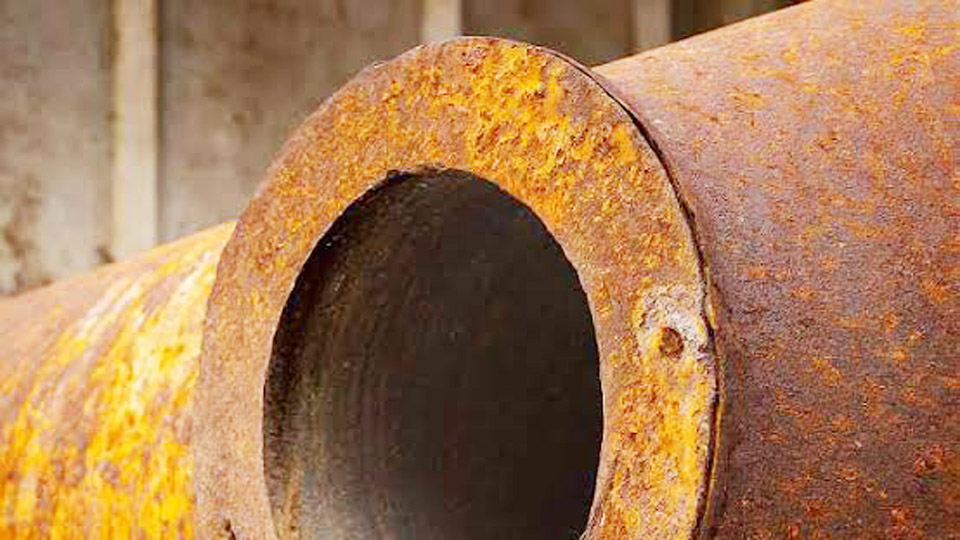
Image by metaltek
Why Rust Hits Welded Outdoor Projects So Hard
Rust forms when iron in steel reacts with oxygen and water. Welds make it worse because the heat-affected zone (HAZ) can alter the metal’s microstructure, making it more susceptible. Overlapping joints trap moisture like a sponge. Mill scale on raw stock hides future problems until it flakes off.
In my experience, beginners often slap a weld on bare steel, call it done, and park the piece outside. Six months later they’re back grinding rust out of crevices. Pros know better: rust prevention starts before the arc strikes and continues long after the project leaves the shop.
Common triggers for outdoor rust include:
- Poor joint design that traps water
- Inadequate cleaning before and after welding
- Wrong filler or process for the environment
- Skipping primer or topcoat entirely
Choosing the Right Base Metal and Welding Process for Outdoor Durability
Start smart with material selection. Mild steel (A36) is cheap and weldable but rusts aggressively outdoors. For better longevity, consider galvanized steel, weathering steel (like COR-TEN), or stainless where budget allows.
When to use what:
- Mild steel for cost-sensitive projects with good coating plans.
- Galvanized for fences, railings, or anything touching ground or salt spray. Watch for zinc fumes—ventilate heavily and grind coating back from weld zones.
- Stainless for high-end or marine environments. It costs more but needs far less maintenance.
For processes, SMAW (stick) works great for field repairs but leaves slag that must be fully removed. MIG is cleaner for shop work on thinner material. TIG gives the best control on stainless or precise joints.
Amperage and electrode tips I’ve learned the hard way:
- For 1/8″ mild steel with 6010 or 7018 rods: 90-140 amps depending on position and thickness. 7018 runs smoother but is moisture-sensitive—store in a rod oven.
- 6011 for dirty or rusty repair work outdoors; it penetrates better through scale.
- Always match electrode diameter to material: 3/32″ for thin stuff, 1/8″ for most structural.
Clean the joint thoroughly. Grind mill scale 1-2 inches back from the weld area. Use a dedicated stainless wire brush if switching materials to avoid contamination.
Joint Design That Prevents Rust Traps
Bad joint design is a silent killer. Overlapping plates without seal welds create perfect rust pockets.
Practical fixes:
- Prefer butt joints over laps when possible for outdoor work.
- If you must overlap, run seal beads on all accessible edges to close the gap.
- Use weld-through primer on faying surfaces before assembly.
- Caulk or seal any remaining crevices with flexible outdoor-rated sealant after painting.
I’ve rebuilt trailer hitches where water pooled in the channel and ate the welds from the inside. A simple bevel and full penetration weld changed that.
Pre-Weld and Immediate Post-Weld Cleaning Routines
Never weld dirty metal. Oil, paint, rust, or dirt will contaminate the puddle and weaken the joint while accelerating future corrosion.
My shop routine:
- Degrease with acetone or brake cleaner.
- Grind or wire wheel to bright metal.
- Wipe again right before striking the arc.
- After welding, chip slag immediately, then wire brush or grind the bead and surrounding area.
- Remove spatter—those tiny bits become rust starters.
For repairs on already rusted metal, grind back to sound metal plus extra. Treat any remaining light rust with a converter like those oil-based penetrants before priming.
Painting Systems That Actually Last Outdoors
Painting remains the most accessible and effective method for most welders. A good system beats fancy clear coats that fail after a year.
Proven multi-layer approach:
- Etch primer or zinc-rich primer directly on clean metal. It bonds chemically and provides sacrificial protection.
- Intermediate coat for build and corrosion barrier.
- Topcoat with high-quality polyurethane or enamel rated for exterior use. Two or three thin coats beat one thick one.
I like oil-based paints for toughness. Spray or brush—whatever gives even coverage. Pay special attention to welds, edges, and corners where paint pulls thin.
Comparison of Common Coating Options:
| Coating Type | Durability | Ease of Application | Cost | Best For | Drawbacks |
|---|---|---|---|---|---|
| Zinc-Rich Primer + Paint | Excellent | Moderate | Medium | Structural steel, trailers | Requires good prep |
| Powder Coating | Outstanding | Needs equipment | Higher | Shop work, gates | Not field-repair friendly |
| Galvanizing (Hot Dip) | Superior | Professional job | Higher upfront | Fences, posts | Weld zones need touch-up |
| Oil/Wax (Penetrol, etc.) | Good short-term | Very easy | Low | Patina looks, tools | Needs reapplication |
| Clear Coats | Fair | Easy | Low | Decorative | Often fails in UV/moisture |
Powder coating gives the toughest finish if you have access to a booth, but for one-offs, spray painting with proper primers is reliable.
Alternative Rust Prevention Methods for Welders
Sometimes paint isn’t practical—bolts, moving parts, or aesthetic raw looks need other solutions.
Oil and wax treatments: A light coat of motor oil, WD-40 specialist, or beeswax works for temporary protection or tools. For a more permanent patina seal, products like Flood Penetrol soak in and stabilize light surface rust while leaving a dark, natural look. Brush it on, let it penetrate, and top with spar urethane for outdoors.
Bluing or chemical conversion: Hot bluing creates a thin oxide layer that holds oil well. Great for small parts and hardware.
VCI (Vapor Corrosion Inhibitors): Useful for stored parts or shipping. Not a long-term outdoor solution but handy in the workflow.
Galvanizing touch-ups: For repaired galvanized pieces, cold galvanizing spray (zinc-rich) restores protection.
Avoid relying on clear coats alone for serious outdoor exposure—they chalk and peel faster than pigmented paints in my experience.
Maintenance Practices That Extend Life Dramatically
Prevention doesn’t stop when the project leaves the shop. Annual inspections catch problems early.
What I tell customers and students:
- Wash off road salt and dirt regularly with fresh water.
- Touch up scratches immediately—rust spreads fast from damage.
- Reapply topcoat every 3-5 years depending on environment.
- For ground-contact posts, use concrete footings and keep steel above grade.
On farm equipment or trailers, I recommend parking under cover when possible and using rust converter on any emerging spots before they deepen.
Common Mistakes That Lead to Early Failure
- Skipping thorough cleaning—flux and slag hold moisture.
- Painting over mill scale or light rust.
- Using interior-rated paints outdoors.
- Ignoring drainage in design (flat surfaces that collect water).
- Welding through coatings without proper prep, causing porosity.
- Overheating thin metal, which warps and creates stress points for corrosion.
I’ve seen beautiful gates ruined because someone painted over dirty welds. The paint looked good for a month, then bubbled everywhere.
Step-by-Step Guide: Protecting a Typical Outdoor Weldment
Here’s how I handle a standard steel gate or rack:
- Design and cut with drainage in mind—avoid flat pockets.
- Clean all surfaces and joints aggressively.
- Weld with appropriate process and settings. For 1/4″ material, 7018 at 110-130 amps flat.
- Post-weld clean completely: grind, brush, wipe.
- Prime with zinc-rich or etch primer. Let cure fully.
- Paint 2-3 coats of exterior enamel, sanding lightly between coats.
- Inspect edges and welds extra carefully.
- Finish with a light wax or protectant if desired for extra shine.
For high-wear areas, add an extra primer coat.
Material Compatibility and Filler Metal Notes
Always match filler to base metal. ER70S-6 wire for MIG on mild steel gives good ductility. For stainless-to-mild transitions, use 309 filler to handle the different expansion rates and reduce cracking.
In outdoor repairs, 7018 is forgiving but keep rods dry. 6010/6011 for root passes on dirty field work.
Safety Considerations in Rust Prevention Work
Wear proper PPE when grinding and welding—zinc fumes from galvanized are nasty. Use respirators when spraying paints or solvents. Ensure good ventilation. When working with acids or converters for rust treatment, gloves and eye protection are non-negotiable.
Real-World Examples from the Shop
One project was a custom snowmobile rack welded from raw tube steel. We prepped, welded, primed with zinc, and applied two coats of tough enamel. Two winters later, it still looks nearly new despite constant exposure.
Another time, a customer brought back a gate that failed because they used cheap spray paint over minimal prep. We stripped, redid it properly, and it’s been solid for years.
Taking Your Outdoor Welds to the Next Level
Mastering how to keep metal from rusting outside transforms your work from temporary to legacy pieces. Good joint design, thorough cleaning, compatible materials, proper amperage and electrodes, and layered protective coatings make all the difference.
You’ve got the knowledge now to tackle projects with confidence—whether it’s a backyard smoker, trailer, or structural repair. The key is treating rust prevention as part of the fabrication process, not an afterthought.
Always design for maintenance. Make sure every weld and joint can be inspected and touched up without major disassembly. That single mindset shift saves more headaches than any fancy coating ever will.
FAQ: Answering Common Outdoor Rust Questions
How long does painted mild steel last outside?
With proper zinc primer and exterior topcoats, 10-20+ years is realistic in moderate climates. Harsh coastal or road salt areas cut that in half without extra care. Reapply topcoat proactively.
Can I weld on rusty metal and then prevent future rust?
Yes, but grind to clean, sound metal first. Use 6011 rods for better penetration on contaminated surfaces. Clean thoroughly after, then follow full priming and painting. Light surface rust converters can help but aren’t a substitute for mechanical cleaning.
What’s better for outdoor projects: powder coating or paint?
Powder coating wins for durability and chip resistance if you have access. For larger or field work, a high-quality paint system with zinc primer is very close and more practical. Many shops do both—powder small parts, paint assemblies.
Do clear coats work well on welded outdoor metal?
They can for decorative pieces under cover, but pigmented paints with UV inhibitors hold up far better in full exposure. Many clear coats fail within a season or two due to UV degradation.
How do I protect welds specifically in overlapping joints?
Seal weld all edges, use weld-through primer beforehand, ensure full penetration where possible, and apply extra primer/paint in those areas. Avoid creating crevices whenever you can.


