
If you’ve ever dealt with piping systems, you know how essential fittings are for creating connections that are strong, efficient, and reliable. Among the many fittings available, a weldolet stands out as a versatile and commonly used solution for creating branch connections. But what exactly is a weldolet, and how does it work?
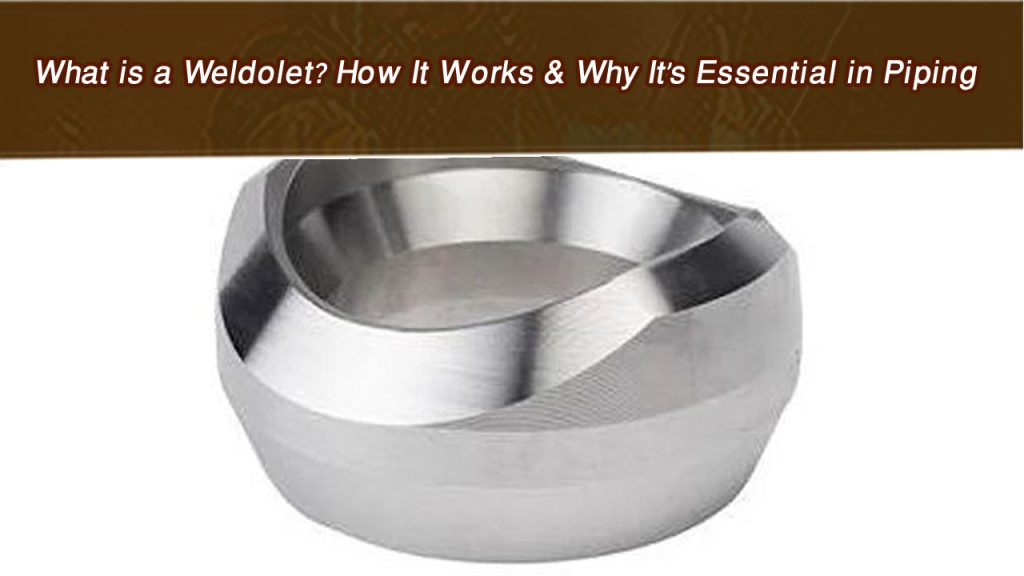
Image by jfeindia
I’ve spent quite some time working with piping systems and have come to appreciate the ingenuity behind the weldolet.
I’ll explain everything you need to know, from what a weldolet is to how it’s used in various applications. If you’re a beginner in the field or someone looking to refresh your knowledge, this guide will help you understand weldolets in a clear and approachable way.
What is a Weldolet?
A weldolet is a type of pipe fitting used to create a branch connection between a main pipe (often called the run pipe) and a smaller branch pipe. It’s designed to ensure a smooth and robust connection while minimizing stress at the joint.
Weldolets are part of a broader category of fittings known as branch connections, which are critical for distributing fluid or gas to different sections of a piping system.
Here’s why weldolets are so popular:
- They provide a strong, welded connection.
- Their design reduces stress concentrations.
- They’re compatible with various pipe sizes and schedules.
In simple terms, a weldolet acts as a bridge between two pipes, ensuring a seamless and durable connection.
Features of a Weldolet
Weldolets are designed with precision to handle high-pressure applications. Here are some key features that make them stand out:
- Welded Connection: As the name suggests, weldolets are welded to the main pipe, offering a secure and leak-free joint.
- Shape: The fitting has a contoured base that matches the curvature of the main pipe for a snug fit.
- Material: Weldolets are typically made from materials like carbon steel, stainless steel, or alloy steel, depending on the application.
- Versatility: They’re available in different sizes and schedules to match various piping requirements.
How Does a Weldolet Work?
The primary purpose of a weldolet is to create a branch connection without compromising the strength or integrity of the main pipe. Here’s how it works:
Preparation
The main pipe is prepped by marking the location where the branch connection is needed. A hole is then cut into the main pipe at this spot.
Positioning
The weldolet is positioned over the hole, with its base perfectly aligned to match the curvature of the main pipe.
Welding
The weldolet is welded to the main pipe around its circumference. The branch pipe is then welded to the other end of the weldolet.
Stress Distribution
The tapered design of the weldolet helps distribute stress evenly across the connection, reducing the risk of fatigue or failure.
Types of Weldolets
Weldolets come in a variety of types to suit different applications. Let’s take a closer look at the main types:
Standard Weldolet
This is the most common type, designed for a 90-degree branch connection. It’s used in applications where the branch pipe is perpendicular to the main pipe.
Threaded Weldolet
Instead of being welded to the branch pipe, a threaded weldolet has threads on the branch connection side. This allows for a screw-in connection, which is useful for low-pressure systems.
Socket Weld Weldolet
This type features a socket where the branch pipe is inserted before welding. It’s often used in small-diameter piping systems.
Custom Weldolet
For unique or complex applications, custom weldolets can be manufactured to specific requirements.
Advantages of Using Weldolets
Weldolets offer several benefits that make them a preferred choice for branch connections in piping systems:
- Strong Connection: The welded joint ensures high strength and durability.
- Versatility: They’re compatible with a wide range of pipe sizes and materials.
- Reduced Stress: The contoured design helps distribute stress evenly, reducing the likelihood of failure.
- Compact Design: Weldolets take up less space compared to other types of fittings.
- Ease of Installation: Their simple design and straightforward installation process save time and effort.
Applications of Weldolets
Weldolets are used in a variety of industries and applications where reliable branch connections are needed. Some common examples include:
- Oil and Gas: Weldolets are commonly used in pipelines for transporting crude oil, natural gas, and refined products.
- Petrochemical Plants: They’re essential for creating branch connections in complex piping networks.
- Power Plants: Weldolets are used in high-pressure steam and water systems.
- Industrial Manufacturing: They’re found in systems that handle chemicals, gases, or other process materials.
How to Install a Weldolet
Installing a weldolet may seem intimidating at first, but it’s a straightforward process if you follow the steps carefully.
Tools and Materials Needed
- Weldolet fitting
- Main pipe and branch pipe
- Welding machine and equipment
- Measuring tools
- Safety gear
Steps for Installation
Preparation: Clean the main pipe and branch pipe to remove any dirt, oil, or debris. Mark the location for the branch connection on the main pipe.
Cutting the Hole: Use a hole saw or cutting tool to create an opening in the main pipe. Ensure the hole matches the size of the weldolet base.
Positioning the Weldolet: Align the weldolet over the hole, ensuring it sits flush against the main pipe.
Tack Welding: Apply tack welds to hold the weldolet in place.
Full Welding: Complete the weld around the circumference of the weldolet, ensuring a strong and even joint.
Connecting the Branch Pipe: Weld the branch pipe to the top of the weldolet.
Inspection: Check the welds for any defects or inconsistencies.
Some Mistakes to Avoid When Using Weldolets
Even though weldolets are easy to work with, there are some common mistakes that can compromise the connection:
- Incorrect Hole Size: Ensure the hole in the main pipe matches the weldolet base for a proper fit.
- Poor Alignment: Misaligned fittings can lead to stress concentrations and joint failure.
- Inadequate Welding: Always use proper welding techniques to ensure a strong and leak-free joint.
- Skipping Inspection: Never skip the final inspection, as small defects can lead to big problems down the line.
Comparison of Weldolets with Other Branch Connections
Here’s a quick comparison to help you understand how weldolets stack up against other types of branch connections:
| Feature | Weldolet | Sockolet | Threadolet |
|---|---|---|---|
| Connection Type | Welded | Socket Welded | Threaded |
| Strength | High | Medium | Low to Medium |
| Applications | High-pressure | Low to Medium-pressure | Low-pressure |
| Ease of Installation | Moderate | Easy | Very Easy |
Maintenance and Inspection of Weldolet Connections
To ensure the longevity and reliability of weldolet connections, regular maintenance and inspection are crucial.
Maintenance Tips
- Inspect Welds: Look for cracks, corrosion, or other signs of wear.
- Clean Regularly: Remove dirt and debris from the fittings to prevent corrosion.
- Monitor Pressure: Keep an eye on the system pressure to avoid overloading the connection.
Inspection Methods
- Visual Inspection: Check for visible defects.
- Non-Destructive Testing (NDT): Use ultrasonic or radiographic testing to detect hidden flaws.
- Hydrostatic Testing: Test the system under pressure to ensure there are no leaks.
Conclusion
Weldolets are an essential component in the world of piping systems. Their ability to provide strong, durable, and stress-resistant connections makes them a go-to choice for many industries.
If you’re working on a high-pressure pipeline or a simple branching application, weldolets offer a reliable and versatile solution.
Understanding how weldolets work, their advantages, and the correct installation process can save you time, money, and potential headaches. If you’re planning a project that requires branch connections, consider using weldolets for a job well done.
FAQs
What is a weldolet used for?
A weldolet is used to create a branch connection between a main pipe and a smaller branch pipe.
What materials are weldolets made from?
Weldolets are commonly made from carbon steel, stainless steel, or alloy steel, depending on the application.
How is a weldolet different from a threadolet?
A weldolet is welded to the branch pipe, while a threadolet has threads for a screw-in connection.
Can weldolets handle high-pressure applications?
Yes, weldolets are designed to handle high-pressure systems due to their strong welded connection.
What is the ideal angle for a weldolet connection?
Weldolets are typically designed for a 90-degree connection, but custom angles can be manufactured if needed.


