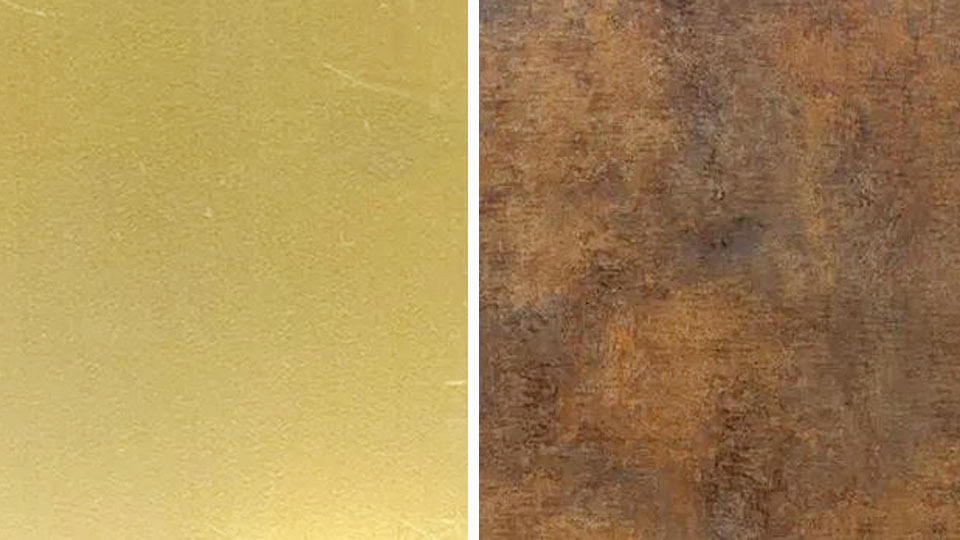
Heating brass and steel in the same joint can be tricky. I’ve watched filler metal bead up and refuse to flow simply because the heat wasn’t balanced between the two metals.
That’s why learning How to Braze Brass to Steel properly is important if you want a clean, strong joint without damaging either material.
Brass and steel react to heat differently, and that difference can make brazing frustrating if you don’t control temperature and surface preparation.
When done correctly, brazing creates a solid bond that’s strong enough for many mechanical, plumbing, and fabrication applications—without melting the base metals.
I’ll walk through the practical steps that make the process work: proper cleaning, choosing the right filler and flux, and managing heat so the filler flows smoothly between the brass and steel. With the right approach, you can produce a durable joint that looks clean and holds up under real-world use.

Image by thepipingmart
Why Would You Want to Braze Brass to Steel Anyway?
You’re restoring an old motorcycle tank, and you’ve got a brass filler neck that needs to attach to the steel body. Welding might seem like the go-to, but brass melts at around 1,700°F while steel holds out until 2,500°F or more—that mismatch can warp the brass or create brittle spots.
That’s where brazing shines. It’s a process that uses a filler metal with a lower melting point, typically between 840°F and 1,800°F, to flow into the joint without melting the base metals. The result? A strong, ductile connection that handles thermal expansion differences better than a weld.
In my shop, I’ve used brazing for jobs like attaching brass valves to steel hydraulic lines or repairing antique radiators. It matters because it minimizes distortion—crucial when you’re dealing with thin materials that could buckle under high heat.
Plus, it’s cost-effective: no need for fancy shielding gases like in TIG welding, and rework is rare if you prep right. Safety-wise, it reduces the risk of rod burn-off or spatter that could ignite nearby grease or rags.
And let’s not forget about penetration; brazing relies on capillary action to pull the filler deep into the joint, creating bonds that hold up to vibration in machinery or pressure in fluid systems.
What Makes Brass and Steel Play Nice—or Not?
Brass is a copper-zinc alloy, soft and corrosion-resistant, but that zinc can vaporize if you overheat it, leading to porous joints. Steel, on the other hand, is iron-based and tougher, but it oxidizes quickly at brazing temps.
The key is compatibility: Red brass (higher copper content) bonds better to mild steel than yellow brass (more zinc), as it expands similarly and resists cracking.
From experience, I’ve seen pros skip material checks and end up with galvanic corrosion—where the metals eat at each other in moist environments like outdoor fixtures. To avoid that, use a filler that bridges the gap, like one with silver content for added strength.
Always test on scrap: Heat a small piece and see if the joint holds when you bend it. If it snaps, your materials aren’t meshing.
What Tools and Gear Do You Really Need?
Don’t overcomplicate it—brazing brass to steel doesn’t require a full-blown weld shop. Start with a good oxy-acetylene torch; it’s versatile for controlling heat, unlike a basic propane setup that might not reach the filler’s melting point evenly. I prefer a #3 tip for most jobs, giving a neutral flame that’s hot but not aggressive.
You’ll need safety gear: Leather gloves to handle hot parts, shaded goggles (number 5 lens for brazing), and a respirator if fumes build up—zinc oxide from brass can give you metal fever, that nasty flu-like feeling.
For materials, grab wire brushes, emery cloth, and acetone for cleaning. And don’t forget clamps or jigs to hold pieces steady; movement during cooling can crack the joint.
Picking the Best Filler Metal for the Job
Filler choice is where many trips happen. Silicon bronze (like ERCuSi-A) is my go-to for brass-to-steel; it flows smooth at around 1,600°F, resists corrosion, and doesn’t require flux on copper-based stuff, though I add it anyway for steel.
Low-fuming bronze (AWS A5.8) cuts down on fumes, great for indoor work, and phosphor bronze adds wear resistance for moving parts.
Silver-based fillers, like BAg-1 or 45% silver, melt lower (around 1,145°F) and give stronger joints—up to 70,000 psi tensile—but they’re pricier. Avoid phosphorus-heavy ones on steel; they form brittle compounds that fail under stress. Here’s a quick comparison:
| Filler Type | Melting Range (°F) | Strength (psi) | Best For | Pros | Cons |
|---|---|---|---|---|---|
| Silicon Bronze (ERCuSi-A) | 1,600–1,800 | 50,000–60,000 | General repairs, corrosion-prone areas | Good flow, ductile, affordable | Higher heat needed |
| Low-Fuming Bronze | 1,500–1,700 | 45,000–55,000 | Indoor, health-conscious shops | Reduced fumes, easy to use | Slightly less strong |
| Phosphor Bronze | 1,300–1,600 | 55,000–65,000 | Wear-resistant joints | Anti-corrosive, tough | Avoid on high-tensile steel |
| 45% Silver (BAg-1) | 1,145–1,400 | 60,000–70,000 | High-strength needs | Low temp, excellent penetration | Expensive, fuming risk |
I once used silicon bronze on a steel-brass manifold for a grill; it held for years outdoors without rusting. Match the rod diameter to joint size—1/16″ for thin stuff, 1/8″ for beefier parts.
Why Flux Matters More Than You Think
Flux isn’t optional; it’s what cleans oxides and lets filler wet the surfaces. Borax-based pastes work well for brass-steel, melting at 1,200°F to form a glassy shield.
Apply it thick on steel to combat oxidation, thinner on brass. I’ve learned to reapply if the heat cycle drags—exhausted flux leads to black, sooty joints that won’t hold.
For low-temp silver fillers, use a fluoride-based flux to handle the zinc in brass. Always clean residue post-braze with hot water and a brush; leftover flux corrodes over time.
How Do You Stay Safe While Brazing?
Safety isn’t a checklist—it’s habit. I’ve seen guys skip ventilation and end up with headaches from zinc fumes; always work in a well-aired space or use an exhaust fan. Wear flame-resistant clothing—no synthetics that melt to your skin. Keep a fire extinguisher handy; sparks can ignite oily rags.
Handle cylinders right: Chain them upright, check for leaks with soapy water. Never braze near flammables, and purge lines before lighting to avoid flashbacks. Post-braze, let parts cool naturally—quenching shocks the joint. And inspect your torch daily; a leaky hose once singed my boot, teaching me to replace worn parts immediately.
Prepping the Joint: Where Most Failures Start
A dirty joint is a weak joint. Brass oxidizes subtly, steel rusts fast—both kill adhesion. Start by degreasing with acetone, then wire-brush or sand to shiny metal. For stubborn oxide, dip in a mild acid pickle, but rinse thoroughly.
Joint design matters: Aim for 0.002–0.006″ clearance at brazing temp. Brass expands more than steel, so account for that—too tight, and filler won’t flow; too loose, and it’s brittle. Bevel edges on thicker parts for better penetration. I’ve fixed bad preps by reheating with fresh flux, but prevention beats cure.
Cleaning Tricks That Save Time
Use a stainless steel brush on brass to avoid contamination—iron particles embed and corrode. For steel, emery cloth at 220 grit does wonders. If parts are oily from machining, ultrasonic cleaners speed it up, but a rag and solvent works in a pinch.
Fit-Up Hacks for Tricky Angles
For tube-to-plate joints, like brass tubing to steel sheet, use a simple jig from scrap angle iron. Wire parts together if clamping isn’t feasible. Practice dry runs: Heat without filler to check expansion and adjust gaps.
Step-by-Step: Brazing Brass to Steel Like a Pro
Alright, let’s get hands-on. Assume mild steel and red brass, silicon bronze filler, oxy-acetylene torch.
- Gather and Prep: Clean parts, apply flux to joint areas. Clamp securely.
- Set Up Torch: Neutral flame—equal oxygen/acetylene for clean heat. Amperage? Not applicable here, but torch size matches part thickness.
- Heat Evenly: Start on steel (higher melting point), circle the joint to red-hot (around 1,400°F). Flux will bubble and clear.
- Apply Filler: Touch rod to joint, not flame—it melts and flows via capillary. Feed steadily, building a fillet for strength.
- Cool Down: Remove heat, let air-cool. No water—cracks form.
- Clean and Inspect: Brush off slag, check for voids by tapping or dye penetrant. Bend-test on scrap if unsure.
In a real job, like brazing a brass elbow to steel pipe, I heat the pipe first to draw filler in, avoiding brass melt. Takes 5–10 minutes per joint.
What Goes Wrong Most Often?
Beginners overheat, vaporizing zinc and creating pinholes. Pros forget flux, getting incomplete penetration. Uneven heat warps thin steel; fix by preheating broadly. Wrong filler? Brittle breaks—switch to silver for high-vibe spots.
I’ve botched joints by rushing cooling; now I let them sit overnight. If filler balls up instead of flowing, surfaces weren’t clean—re-prep and try again.
Troubleshooting a Bad Braze: Fixes That Work
Weak joint? Likely poor fit—grind and re-braze. Cracks? Overheating; use lower temp filler next time. Porosity from gas entrapment? Vent joints better. I’ve salvaged by reheating with flux, adding filler to fill gaps, but prevention is key.
Brazing vs. Welding or Soldering: Weighing the Options
Brazing pros: Lower heat, no base melt, joins dissimilar metals easily. Cons: Weaker than welds (though plenty for most), needs clean fits.
Welding (TIG) gives ultimate strength but risks distortion. Soldering? Low temp but weak—fine for electrics, not structural. For brass-steel, brazing wins for repairs.
| Method | Heat (°F) | Strength | Best Use | Pros | Cons |
|---|---|---|---|---|---|
| Brazing | 840–1,800 | Medium-High | Repairs, fittings | Versatile, low distortion | Needs flux, precise gaps |
| TIG Welding | 2,000+ | High | Structural | Deep penetration | High skill, warps brass |
| Soldering | <840 | Low | Non-load | Easy, cheap | Weak, leaks under pressure |
Wrapping Up
Mastering how to braze brass to steel isn’t just about technique—it’s about understanding why joints fail and building confidence to tackle real projects. You’ve got the complete guide to choose fillers wisely, prep like a pro, and avoid those costly do-overs that eat into shop time.
Next time you’re facing a mismatched metal job, you’ll know brazing delivers reliability without the headaches of welding. Remember, practice on scrap builds intuition; soon, you’ll spot issues before they happen.
FAQs
Can You Braze Brass to Steel Without Flux?
Not recommended—flux prevents oxidation that blocks filler flow. I’ve tried it on clean copper, but steel always needs it. Skip it, and you’ll get weak, sooty joints.
What’s the Ideal Temperature for Brazing Brass to Steel?
Aim for 1,400–1,600°F, just above your filler’s melt point. Use temp sticks or an infrared thermometer; overheating boils zinc, creating voids.
How Do You Fix a Leaky Brass-to-Steel Braze?
Clean the area, reheat with flux, and add filler to seal. If severe, grind out and start over. Prevention: Ensure full penetration during the initial braze.
Is TIG Brazing Better Than Torch for Brass and Steel?
TIG offers precise control for thin materials, but torch is simpler for most. Use silicon bronze rod with TIG; I’ve switched for intricate jobs to avoid overheating.
Why Does My Braze Crack After Cooling?
Thermal stress from uneven cooling or poor fit. Let cool slowly, and design joints with expansion in mind—brass moves more than steel.