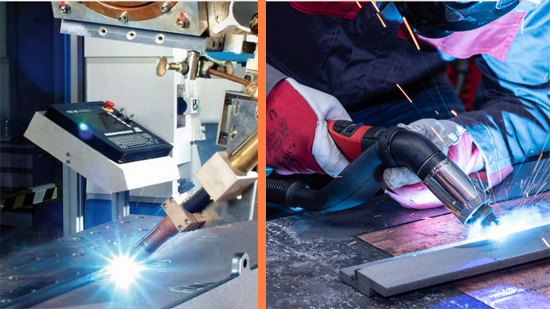
Laser welding is one of the most advanced and precise welding techniques used today. It offers unmatched accuracy, speed, and strength compared to traditional welding methods.
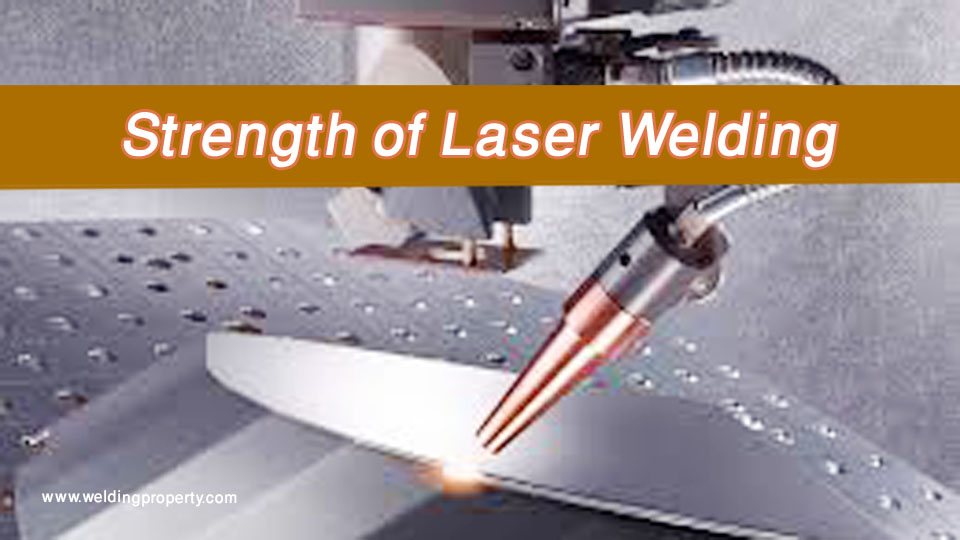
Image by thefabricator
But what makes laser welding so strong? If you’re curious about how it works, what factors influence its strength, and why it’s preferred in industries like aerospace, automotive, and medical manufacturing, let’s dive deep into the strength of laser welding.
Why Is Laser Welding Strong?
Laser welding creates a deep, narrow, and highly concentrated weld, leading to superior strength. Unlike traditional welding methods, which use an electric arc or gas flame, laser welding melts and fuses materials using an intense beam of light.
This process produces minimal distortion and a strong metallurgical bond. The strength of a laser-welded joint depends on factors like heat input, material compatibility, and joint design.
Factors That Influence the Strength of Laser Welding
Several factors determine how strong a laser-welded joint will be. Here are the most important ones:
Material Type and Thickness
The type of material being welded plays a huge role in the final strength. Laser welding is effective for metals like stainless steel, aluminum, titanium, and even dissimilar metals. Thicker materials may require multiple passes or higher power lasers to ensure a strong bond.
Power and Energy Input
The power level of the laser determines how deeply it penetrates the material. A higher power laser generates more heat, allowing for deeper welds and stronger joints. The energy input must be carefully controlled to avoid excessive melting or material weakening.
Weld Penetration Depth
The deeper the laser penetrates, the stronger the joint will be. Deeper welds create a better bond between the materials, making them more resistant to mechanical stress. Shallow welds may look good on the surface but lack internal strength.
Joint Design and Fit-Up
A well-prepared joint is key to a strong weld. If the materials fit together properly and the joint is designed for laser welding, the weld strength will be significantly improved. Gaps or misalignment can weaken the bond.
Cooling Rate and Heat Affected Zone (HAZ)
One of the biggest advantages of laser welding is its small heat-affected zone. Less heat exposure reduces the chances of warping, cracking, or structural weaknesses. Fast cooling rates also help maintain the material’s original properties, contributing to a stronger weld.
Shielding Gas Usage
Using the right shielding gas, such as argon or helium, protects the molten weld pool from contamination and oxidation. This ensures a cleaner, stronger weld with fewer defects.
Comparing Laser Welding Strength to Other Welding Methods
To understand how strong laser welding is, let’s compare it with other common welding techniques:
| Welding Method | Strength | Heat Affected Zone | Speed | Precision |
|---|---|---|---|---|
| Laser Welding | Very High | Small | Very Fast | Extremely Precise |
| TIG Welding | High | Medium | Slow | Very Precise |
| MIG Welding | Moderate | Large | Fast | Less Precise |
| Stick Welding | Moderate | Large | Slow | Less Precise |
| Spot Welding | High (for thin materials) | Small | Fast | Limited to small areas |
Laser welding stands out due to its combination of strength, precision, and minimal heat impact. While other welding methods can produce strong joints, they often introduce more heat distortion and require additional post-processing.
Applications That Require High-Strength Laser Welds
Because of its strength, laser welding is used in industries where durability and precision are critical. Here are some common applications:
Aerospace Industry
Airplanes and spacecraft require lightweight yet strong materials. Laser welding is used to create high-strength joints in aluminum and titanium components, reducing overall weight while maintaining durability.
Automotive Manufacturing
Laser welding is widely used in car body construction, especially for lightweight aluminum frames and battery packs in electric vehicles. It provides strong, clean welds that enhance structural integrity and crash resistance.
Medical Devices
Precision is everything in medical equipment. Laser welding is used for surgical instruments, implants, and pacemakers, ensuring strong, contamination-free welds that meet strict health regulations.
Electronics and Battery Technology
From smartphones to electric vehicle batteries, laser welding ensures secure, low-heat welds that maintain electrical conductivity and mechanical strength.
Jewelry and Watchmaking
The high precision and strength of laser welding allow jewelers to create durable, seamless repairs and connections without damaging delicate materials.
Advantages of Strong Laser Welds
The strength of laser welding provides several advantages over other welding techniques:
- Minimal Distortion: The focused heat minimizes warping and deformation.
- Deep Weld Penetration: Allows for strong, high-quality welds, even in thick materials.
- High Speed and Efficiency: Faster welding speeds increase production rates while maintaining quality.
- Low Heat Input: Protects surrounding material and reduces post-weld processing.
- Superior Aesthetic Quality: Produces clean, smooth welds that require little to no finishing work.
Challenges in Achieving Maximum Strength in Laser Welding
While laser welding is highly effective, there are challenges that must be managed to maintain maximum strength:
- Material Compatibility: Some materials, like highly reflective metals, can be difficult to weld with lasers.
- Power Settings: Too much heat can weaken the material, while too little heat may not create a strong enough bond.
- Joint Preparation: Poorly prepared joints can lead to weak welds or defects.
- Equipment Cost: Laser welding machines are expensive compared to traditional welding equipment.
Improving Laser Weld Strength for Better Performance
To ensure the strongest possible welds, manufacturers follow best practices like:
- Using the Right Laser Type: Fiber lasers, CO2 lasers, and Nd:YAG lasers each have different strengths for various applications.
- Optimizing Welding Parameters: Adjusting power, speed, and focus settings for the specific material.
- Controlling the Environment: Using shielding gases and clean workspaces to prevent contamination.
- Preheating Certain Metals: Preheating can reduce cracking in materials like aluminum and titanium.
Final Thoughts
Laser welding is one of the strongest and most precise welding methods available today. Its ability to create deep, narrow, high-strength welds makes it essential in industries where durability matters most.
With minimal heat distortion, fast processing speeds, and superior aesthetics, laser welding continues to be the go-to choice for advanced manufacturing.
If you’re considering laser welding for your projects, understanding the factors that influence its strength will help you achieve the best results.
If you’re working with aerospace components, automotive frames, or delicate medical devices, laser welding delivers the strength and precision you need.
Frequently Asked Questions
Is laser welding stronger than TIG welding?
Yes, laser welding is often stronger due to its deeper penetration and smaller heat-affected zone, which preserves the material’s original properties better than TIG welding.
Can laser welding be used for thick materials?
Yes, but it depends on the laser power. High-power lasers can weld thick materials, but multiple passes may be needed.
Does laser welding require filler material?
Not always. Many laser welding applications use autogenous welding (no filler), but fillers can be added for specific needs.
What metals are best for laser welding?
Laser welding works well with stainless steel, aluminum, titanium, nickel alloys, and even some dissimilar metal combinations.
Is laser welding expensive?
The initial cost of laser welding equipment is high, but its speed, precision, and minimal post-processing often make it cost-effective in the long run.
Laser welding is a game-changer in modern manufacturing. If you need strength, speed, and accuracy, it’s hard to beat.