Welding cast iron can be tricky, and finding the best flux core wire for cast iron makes all the difference. If you’ve ever tried welding cast iron, you know it’s nothing like welding mild steel.
Cast iron is brittle, full of carbon, and prone to cracking if not handled carefully. It doesn’t react well to excessive heat, and it doesn’t flex like steel, which makes the welding process a challenge.

I’ve worked on various cast iron repairs, from engine blocks to old machinery parts, and I know how important choosing the right flux core wire is.
Not all wires work well with cast iron, and most standard flux core wires are designed for steel, not cast iron. That’s why it’s crucial to pick a wire that can handle the unique properties of cast iron while still providing a strong, reliable weld.
If you’re looking for the best flux core wire for cast iron, this guide will help you understand what to look for, the best options available, and how to get the best results when welding cast iron.
Can You Use Flux Core Wire to Weld Cast Iron?
Yes, but it’s not the ideal method. Cast iron is best welded with nickel-based rods or specialized TIG and stick electrodes, but if you only have a flux core welder, you can make it work with proper technique and wire selection.
Flux core welding runs hotter than other methods, which means you have to control the heat carefully. The biggest challenge is preventing cracks since cast iron expands and contracts differently than steel. The right wire choice can make a huge difference in ensuring a successful weld.
What to Look for in a Flux Core Wire for Cast Iron
Not all flux core wires are suitable for cast iron. Here are some key factors to consider when choosing the best wire:
Composition: Nickel-based flux core wires work best for cast iron because they provide flexibility and crack resistance. Mild steel wires can work for temporary repairs but are not ideal.
Heat Control: Flux core wires that produce excessive heat can cause the cast iron to crack. Look for wires that allow lower voltage settings.
Penetration: Cast iron can be porous and brittle, so you want a wire that provides moderate penetration without overheating the material.
Flux Coating: The flux material in the wire helps clean impurities and prevents oxidation, which is especially important for cast iron.
Strength and Ductility: Since cast iron is not flexible, the weld needs to be strong but also able to handle some stress without cracking.
Best Flux Core Wires for Cast Iron
There aren’t many flux core wires specifically designed for cast iron, but some can still work well depending on the application. Here’s a comparison of the best options:
| Flux Core Wire | Composition | Best For | Strength |
|---|---|---|---|
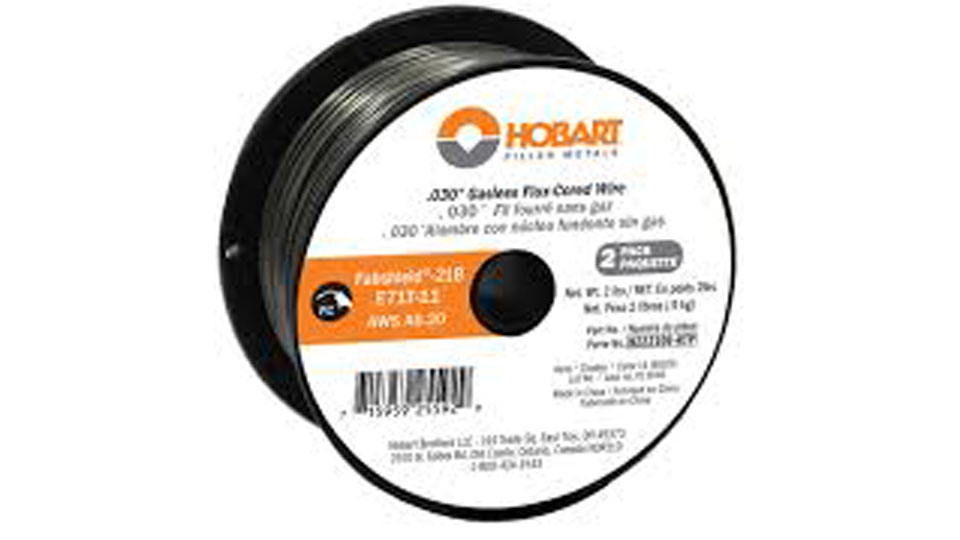
| Hobart Fabshield 21B | Mild steel | Low-stress cast iron repairs | Medium |
| Blue Demon E71TGS | Mild steel | Thin cast iron parts | Medium |
| Lincoln Electric NR-211-MP | Self-shielded steel | General-purpose repairs | Medium |
| Nickel-Based Flux Core Wire | High nickel content | Strongest and most crack-resistant | High |
While mild steel flux core wires can work on cast iron, they are not the best choice for long-term strength. Nickel-based flux core wires are rare, but if you can find one, it’s your best bet for a durable weld.
Prepping Cast Iron for Flux Core Welding
Proper preparation is key when welding cast iron with flux core wire. Without it, your weld will fail. Here’s how to get the best results:
- Clean the Surface: Remove all dirt, grease, and old paint using a wire brush, grinder, or degreaser. Cast iron is porous, so contaminants can seep into the weld and weaken it.
- Preheat the Metal: Slowly heat the cast iron to around 500°F to 1200°F before welding. A propane torch or oven works well. Preheating reduces stress and helps prevent cracks.
- Bevel the Edges: If you’re repairing a crack, grind a V-groove into it. This helps with penetration and bonding.
- Drill Stop Holes: If welding a crack, drill small holes at each end to stop it from spreading.
Skipping these steps will almost guarantee weld failure, so take the time to do it right.
Best Welding Settings for Cast Iron with Flux Core
Welding cast iron requires careful control of heat. Here’s a general guide to flux core settings for cast iron:
| Setting | Recommended Value |
|---|---|
| Voltage | Low to medium (18-22V) |
| Wire Speed | Medium, adjusted to avoid overheating |
| Polarity | DCEN (Direct Current Electrode Negative) |
| Travel Speed | Slow and steady to control heat input |
Since flux core runs hotter than other welding methods, you need to keep the heat as low as possible while still getting good fusion.
How to Weld Cast Iron with Flux Core
Once you have the right wire and settings, follow these steps for a successful cast iron weld:
- Set Up Your Welder – Choose the correct voltage and wire speed.
- Preheat the Metal – Bring the cast iron to at least 500°F to prevent cracking.
- Use a Stitch Welding Technique – Weld short sections (1 inch at a time) and let them cool slightly before continuing.
- Peen the Weld – Use a small hammer to tap the weld while it’s cooling to relieve stress.
- Slow Cool the Weld – Cover the part with a welding blanket, sand, or an insulating material to allow gradual cooling.
If you rush the cooling process, your weld will crack.
Post-Weld Treatment for Cast Iron
Once the welding is done, you need to cool it down slowly. Here’s how:
- Wrap the Welded Part in a welding blanket or cover it with sand.
- Keep It Insulated for several hours before letting it return to room temperature.
- Inspect for Cracks once fully cooled.
If done correctly, the weld will be strong and long-lasting.
Conclusion
Welding cast iron with flux core wire is challenging, but not impossible. The key is choosing the right wire, controlling heat, and following proper welding techniques. While nickel-based flux core wire is best, mild steel flux core wire can work for low-stress repairs if handled properly.
The most important thing is to preheat the metal, use a controlled welding technique, and let it cool slowly. If you rush the process or use the wrong wire, your weld will crack and fail.
If you’re serious about welding cast iron, investing in the right flux core wire and taking your time will save you from frustration and rework.
Frequently Asked Questions
Can I weld cast iron with regular flux core wire?
Yes, but it’s not ideal. Mild steel flux core wire can work for temporary or low-stress repairs, but for strong welds, nickel-based wire is better.
Why does cast iron crack after welding?
Cast iron cracks because of rapid cooling and high carbon content. To prevent this, preheat the metal before welding and slow cool it after welding.
What’s the best flux core wire for strong cast iron repairs?
Nickel-based flux core wire is the best for strong, crack-resistant welds. If unavailable, use a mild steel wire but expect lower strength.
Do I need to preheat cast iron before welding?
Yes! Preheating is crucial. It reduces thermal stress and prevents cracking. Heat it to at least 500°F before welding.
How can I make my flux core welds stronger on cast iron?
Use short welds, peen the welds, preheat the metal, and slow cool the piece after welding. These steps help prevent cracking and ensure a strong bond.