If you’ve just picked up a MIG welder and are wondering how to get started, I’ve got you covered. When I first began MIG welding, it felt a bit intimidating. There were wires, gas, and lots of things to keep track of. But with time, patience, and practice, I learned a lot of valuable tricks that made everything much smoother—and safer too.

Photo by inthegaragemedia
MIG welding, or Metal Inert Gas welding, is one of the most beginner-friendly welding methods out there. It’s widely used in auto repair, home DIY projects, and fabrication work. You’ll get cleaner welds, faster work, and less frustration once you understand how to use your machine properly.
I want to share everything I’ve learned from my own experience. If you’re welding in your garage or planning to become a pro, these tips will help you get started the right way.
Let’s dive into some helpful and beginner-friendly MIG welding tips and tricks that I wish I knew when I first started.
How MIG Welding Works
Before we get into the hands-on part, let’s talk a bit about what MIG welding really is. It uses a wire that acts as both the electrode and filler material.
That wire is fed through a welding gun, and as you press the trigger, it melts and joins the base metal. At the same time, shielding gas flows out of the nozzle to protect the weld from contaminants in the air.
This process is relatively clean, fast, and doesn’t require you to constantly strike an arc like stick welding. But just because it’s beginner-friendly doesn’t mean you can skip the basics. Knowing how the machine works is half the battle.
Choose the Right MIG Welder for Your Needs
Your machine makes a big difference. For beginners, I always recommend starting with a 120V MIG welder. These machines plug into standard home outlets and are perfect for light-duty tasks like fixing fences, auto body panels, or small fabrication jobs.
If you plan to weld thicker materials, you might want to look into a 240V model. Just remember, higher voltage usually means you’ll need a dedicated outlet.
A few things to check before buying:
- Does the machine come with a regulator and gas hose?
- Is it capable of both gas and flux-core welding?
- Are settings easy to adjust?
These small details can make a big difference in your learning experience.
Safety First: Always Wear Proper Gear
Let’s not skip this one. Welding can be dangerous if you’re not prepared. I always suit up with the following gear before even turning the machine on:
- Auto-darkening welding helmet (with adjustable sensitivity)
- Flame-resistant welding jacket or long-sleeve shirt
- Heavy-duty gloves
- Safety glasses underneath my helmet
- Welding boots or leather shoes
I tried welding with a short-sleeved shirt and got a nasty sunburn on my arm. That was all it took for me to always wear long sleeves. So trust me on this—safety gear is not optional.
Get Your Workspace Ready
A clean and organized workspace makes all the difference. Remove flammable materials from the area. Keep a fire extinguisher close by. Make sure your surface is metal or at least grounded properly.
Good ventilation is a must. MIG welding produces fumes, and you don’t want to breathe those in. I use a fan to pull fumes away from my face and always crack a door or window in my garage.
If you’re working outside, make sure the wind doesn’t blow away your shielding gas. Even a little breeze can mess up your weld quality.
Learn to Set Your MIG Machine Correctly
Most beginner welders struggle here, but it’s easier than it looks. You’ll need to set three key things on your machine:
- Wire feed speed
- Voltage
- Shielding gas flow rate
Here’s a general rule:
- Thin metal needs lower voltage and slower wire speed.
- Thicker metal needs more power and faster wire feed.
Most machines come with a settings chart under the hood. It’ll suggest values based on your metal thickness and wire size. Use it. I still check mine before starting a new weld.
For gas flow, 20 to 25 cubic feet per hour (CFH) works for most jobs. If you’re outdoors, you might bump that up slightly.
Use the Right Shielding Gas
Shielding gas protects your weld from contamination, but not all gases are the same. Here are a few combinations:
| Shielding Gas | Best Use Case | Comments |
|---|---|---|
| 100% CO₂ | Deep penetration | More spatter |
| 75% Argon / 25% CO₂ | All-purpose | Cleaner welds, smooth arc |
| 90% Argon / 10% CO₂ | Thinner metals | Low spatter, precise |
I personally use the 75/25 mix (also called C25 gas) for almost everything. It gives me clean, smooth welds and minimal cleanup.
Pick the Right Wire for the Job
You’ll mostly be using ER70S-6 solid wire for mild steel. For beginners, start with .030-inch wire. It’s forgiving and works on a wide range of materials.
If you’re working outside or don’t want to deal with gas, you can use flux-core wire (like E71T-11). But keep in mind, it produces more smoke and spatter. You’ll also need a different drive roller and might have to reverse polarity on your machine.
Clean the Metal Before You Weld
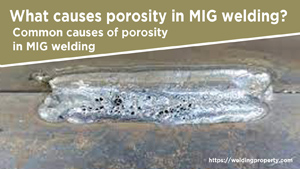
One of the easiest ways to ruin a weld is by trying to weld dirty metal. Rust, oil, paint, and even fingerprints can create porosity and weak welds. I always use a wire brush or grinder to clean the area before welding.
If you’re welding galvanized metal, it’s especially important to grind off the coating—it releases toxic fumes when heated.
Clean metal gives you stronger and better-looking welds, plain and simple.
Practice Your Technique First
Before jumping into a real project, practice on scrap metal. Focus on keeping a steady hand and consistent travel speed. I still grab some scraps when I’m trying a new setting or technique.
Keep the wire stick-out around 3/8 inch. That’s the sweet spot. Too long, and you’ll lose arc stability. Too short, and you might get spatter and a dirty tip.
Maintain a 10 to 15-degree push angle when welding. I always tell beginners: “Push, don’t pull” when MIG welding. It gives you better gas coverage and a cleaner weld bead.
Listen to the Sound of the Arc
One thing I didn’t expect was how much I’d rely on the sound of the arc. A good MIG weld should sound like sizzling bacon. If it’s popping or crackling loudly, your settings might be off.
A steady, smooth buzz usually means you’re on the right track. Don’t just look at the weld—listen to it too.
Control Your Travel Speed
Going too fast? You’ll end up with weak welds that don’t penetrate. Going too slow? You’ll pile up too much metal and create a high crown.
I usually aim for a travel speed that lets me keep a consistent bead with just a bit of a ripple pattern behind the weld. Watching that puddle as you move is key. You’ll get a feel for it with practice.
Learn to Spot a Good Weld
A good weld should look like a stack of dimes—smooth, even ripples with good fusion into the base metal. No holes, undercuts, or excessive spatter.
Once I learned what a quality weld looked like, it became easier to correct mistakes. Don’t be afraid to stop and check your work. Quality over speed, especially in the beginning.
Keep Your Gun in Good Shape
I clean my welding gun regularly. Spatter build-up can block gas flow and mess with your arc. Replace tips and nozzles when they wear out. Keep an eye on your liner too—it can get dirty or kinked.
A little maintenance goes a long way. It’s frustrating when something simple like a worn-out tip ruins your welds.
Troubleshooting Common MIG Welding Issues
Here are a few problems I ran into when I was starting out—and how I fixed them:
| Problem | Cause | Fix |
|---|---|---|
| Porosity (holes in weld) | Dirty metal or poor gas coverage | Clean surface, check gas flow |
| Spatter | Incorrect settings or dirty wire | Adjust voltage, clean wire |
| Wire won’t feed | Liner issue or drive roller problem | Check liner, adjust tension |
| Burn-through | Too much heat on thin metal | Lower voltage and wire speed |
Don’t get discouraged by mistakes. Each bad weld teaches you something.
Keep Practicing and Be Patient
You won’t become a welding expert overnight. When I first started, I made a lot of ugly welds. But each time I adjusted my technique, I got a little better. Welding is a skill built over time, not something you master in a weekend.
Work on small projects. Weld scrap metal. Practice your angles, hand movements, and consistency. The more time you spend with your machine, the more comfortable you’ll get.
Conclusion
Learning MIG welding as a beginner is all about patience, practice, and preparation. I’ve burned through a lot of wire and ruined my fair share of metal before getting the hang of it. Once you understand the basics and build confidence, it becomes a truly enjoyable and useful skill.
Remember to stay safe, keep your equipment in good shape, and never stop learning. Every weld is a step forward. If you’re fixing something around the house or chasing a career in welding, you’re already on the right path just by getting started.
Frequently Asked Questions
What is the best wire size for beginners in MIG welding?
For most beginners, .030-inch solid wire is a great all-around choice. It works well on a variety of metal thicknesses and is easy to control.
Can I MIG weld without gas?
Yes, you can use flux-core wire which doesn’t need external shielding gas. It’s great for outdoor work but creates more spatter and smoke than gas MIG welding.
Why is my MIG welder making a popping sound?
That usually means your wire feed speed or voltage is off. Try adjusting both until you get a steady, smooth arc that sounds like sizzling bacon.
How do I prevent weld spatter?
Use the correct voltage and wire speed, clean your metal well, and keep your stick-out consistent. You can also apply anti-spatter spray to your nozzle.
Do I push or pull the MIG welding torch?
For MIG welding, it’s usually better to push the torch. This gives you better gas coverage and a cleaner weld.
How long should I practice before taking on real projects?
As long as it takes to feel comfortable. I practiced on scrap metal for several weeks before welding anything structural. Quality and safety come first.