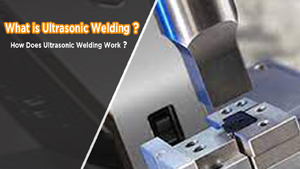
Are you looking for a reliable and efficient method to join plastic to metal? Look no further than ultrasonic welding. This groundbreaking technology has revolutionized the manufacturing industry by providing a seamless and permanent bond between plastic and metal components.
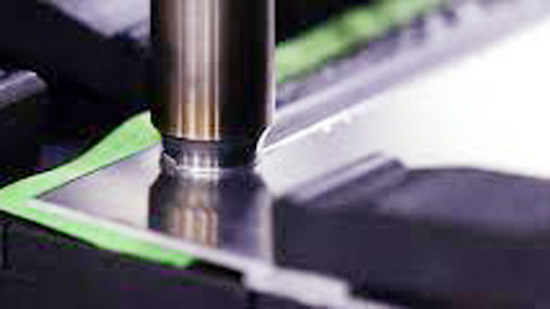
Photo by news.engin.umich.edu
Ultrasonic welding utilizes high-frequency vibrations to generate heat that melts the plastic, creating a strong molecular bond with the metal. Unlike traditional methods such as adhesive bonding or mechanical fastening, ultrasonic welding offers numerous advantages.
It produces airtight and watertight seals, eliminates the need for additional adhesives or fasteners, and ensures a faster and more cost-effective production process.
How does ultrasonic welding work?
Ultrasonic welding works by converting high-frequency electrical energy into high-frequency mechanical vibrations. These vibrations are then transferred to the plastic and metal parts to be joined, creating friction and generating heat at the interface.
The heat softens the plastic, allowing it to flow and bond with the metal. Once the vibrations stop, the plastic solidifies, creating a strong and durable joint.
The process involves three main components: the ultrasonic generator, the transducer, and the horn. The ultrasonic generator converts electrical energy into high-frequency vibrations, which are then transmitted to the transducer.
The transducer amplifies these vibrations and transfers them to the horn, which applies the vibrations to the plastic and metal parts.
Advantages of ultrasonic welding
Ultrasonic welding offers several advantages over traditional bonding methods for joining plastic to metal. Firstly, it produces airtight and watertight seals, making it ideal for applications where leak prevention is critical, such as in automotive fuel systems or medical devices.
The molecular bond formed through ultrasonic welding ensures a strong and permanent joint that can withstand high levels of stress and vibration.
Another significant advantage is the elimination of additional adhesives or fasteners. This not only reduces material costs but also simplifies the production process and eliminates the risk of adhesive failure or loosening of fasteners over time.
Additionally, ultrasonic welding provides a faster and more efficient bonding method, allowing for increased production rates and reduced assembly time.
Applications of ultrasonic welding in plastic and metal industries
The versatility of ultrasonic welding makes it suitable for a wide range of industries where plastic and metal components are used.
In the automotive industry, ultrasonic welding is commonly used for joining plastic interior and exterior parts, such as dashboards, bumpers, and door panels, to metal frames or structures. The resulting bond is strong and durable, ensuring the longevity and safety of the vehicle.
In the electronics industry, ultrasonic welding is widely employed for connecting plastic and metal components in devices such as smartphones, laptops, and household appliances.
The precise control and consistent results of ultrasonic welding make it ideal for delicate electronic components, ensuring proper functionality and reliability.
The medical industry also benefits greatly from ultrasonic welding. It is commonly used for joining plastic and metal components in medical devices and equipment, such as syringes, catheters, and surgical instruments.
The airtight and watertight seals provided by ultrasonic welding are crucial for maintaining sterility and preventing contamination.
Choosing the right materials for ultrasonic welding
To achieve successful ultrasonic welding, it is essential to select the appropriate materials for bonding. Both the plastic and metal components must be compatible and capable of forming a strong molecular bond. Factors such as melting temperature, molecular structure, and surface characteristics play a crucial role in the welding process.
For plastic components, materials such as polypropylene (PP), polyethylene (PE), polycarbonate (PC), and acrylonitrile butadiene styrene (ABS) are commonly used due to their excellent thermal properties and compatibility with ultrasonic welding. These plastics have low melting points and good flow characteristics, making them suitable for the welding process.
When it comes to metal components, materials such as aluminum, steel, and copper are commonly used in ultrasonic welding. The surface of the metal should be clean and free from contaminants to ensure proper bonding.
In some cases, surface treatments such as roughening or applying a thin layer of adhesive can improve the bond strength between the plastic and metal.
Factors to consider before ultrasonic welding plastic to metal
Before embarking on the ultrasonic welding process for joining plastic to metal, several factors need to be considered to ensure successful results. One crucial factor is the design of the joint. The joint should be designed to allow proper energy transfer between the ultrasonic horn and the plastic and metal components.
The geometry of the joint, including the thickness and shape of the parts, affects the efficiency of energy transfer and the strength of the bond.
Another factor to consider is the amplitude and frequency of the ultrasonic vibrations. The amplitude determines the amount of energy transferred to the joint, while the frequency affects the penetration depth and the melting characteristics of the plastic. Optimal amplitude and frequency settings are crucial to achieving a strong and reliable bond.
The welding time and pressure applied during the process must be carefully controlled. The welding time should be sufficient to allow proper melting and bonding of the plastic, but not excessive to avoid degradation or damage to the components.
The applied pressure should be enough to ensure intimate contact between the plastic and metal surfaces, promoting molecular bonding.
Steps involved in ultrasonic welding plastic to metal
The process of ultrasonic welding plastic to metal typically involves several steps to ensure a successful bond. Firstly, the plastic and metal components to be joined are carefully prepared.
The surfaces are cleaned and free from contaminants to promote good bonding. If necessary, surface treatments such as roughening or applying adhesives are performed to enhance the bond strength.
Next, the components are positioned in the ultrasonic welding machine. The ultrasonic horn is aligned over the joint area, ensuring proper contact with both the plastic and metal parts.
The machine settings, including the amplitude, frequency, welding time, and pressure, are adjusted according to the specific materials and joint design.
Once everything is set, the ultrasonic welding process begins. The ultrasonic generator converts electrical energy into high-frequency vibrations, which are transmitted to the transducer and amplified by the horn.
The vibrations are applied to the joint area, creating friction and generating heat that melts the plastic. The plastic flows and bonds with the metal, forming a strong and durable joint.
After the welding process is complete, the joint is allowed to cool and solidify. The cooling time depends on the specific materials used and the size of the joint. Once cooled, the joint is inspected for quality and strength. Any necessary adjustments or rework are performed to ensure the desired bond integrity.
Troubleshooting common issues in ultrasonic welding
While ultrasonic welding is a reliable and efficient bonding method, certain issues may arise during the process. One common issue is incomplete melting or bonding of the plastic.
This can be caused by factors such as incorrect machine settings, insufficient pressure, or improper joint design. Adjusting the machine settings, increasing the pressure, or modifying the joint design can help resolve this issue.
Another common issue is flash formation, which occurs when excess plastic is forced out of the joint area during the welding process. This can be caused by excessive pressure or incorrect joint design.
Adjusting the pressure or modifying the joint design to allow for proper plastic flow can help prevent flash formation.
Other potential issues include weak bond strength, inconsistent bond quality, or damage to the components. These issues can be caused by factors such as improper material selection, inadequate machine settings, or poor joint design.
Addressing these factors through proper material selection, adjusting machine settings, or improving joint design can help resolve these issues and ensure successful ultrasonic welding.
Maintenance and safety considerations in ultrasonic welding
To maintain optimal performance and prolong the lifespan of ultrasonic welding equipment, regular maintenance is essential.
This includes cleaning the machine components, inspecting and replacing worn-out or damaged parts, and ensuring proper lubrication of moving parts. Regular calibration and testing of the machine settings are also important to ensure consistent and reliable results.
Safety considerations are of utmost importance when working with ultrasonic welding equipment. Operators should be trained in the proper operation and use of the equipment, as well as the necessary safety precautions. Personal protective equipment, such as gloves and eye protection, should be worn to prevent injury.
Proper ventilation should be provided to minimize exposure to fumes or odors generated during the welding process.
Future of ultrasonic welding technology
Ultrasonic welding has revolutionized the manufacturing industry by providing a reliable and efficient method to join plastic to metal. The advantages of ultrasonic welding, including airtight and watertight seals, elimination of adhesives or fasteners, and faster production processes, make it an invaluable technique for various industries.
As technology continues to evolve, so does ultrasonic welding. Innovations in machine design and control systems allow for greater precision and control over the welding process. New materials and surface treatments are being developed to expand the range of applications for ultrasonic welding.
Stay ahead of the competition and explore the possibilities of ultrasonic welding to achieve superior bonding and exceptional product performance.
By incorporating this cutting-edge technology into your manufacturing process, you can enhance product durability, improve overall quality, and reduce production time and costs.
Discover the potential of ultrasonic welding in your industry and unlock new possibilities for your products. Embrace the future of manufacturing with ultrasonic welding technology.