If you’ve ever heard of ultrasonic welding, you know it’s a fast, precise, and efficient method for joining thermoplastic parts. One of the critical components in this process is something called the “energy director.” The energy director plays a pivotal role in ensuring that parts fuse correctly, producing strong and durable welds.

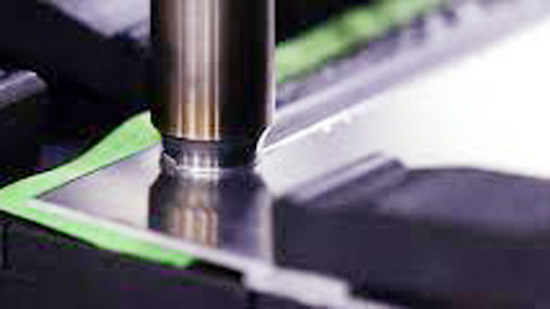
Image by sciencedirect
But what exactly is an energy director, and how does it work? I have taken a deep dive into ultrasonic welding, and I’m here to break down everything you need to know about this tiny yet crucial component.
Ultrasonic Welding Basics
Before we get into energy directors, let’s quickly cover the basics of ultrasonic welding. Ultrasonic welding is a process that uses high-frequency ultrasonic vibrations to generate heat and bond two thermoplastic parts.
This technique is popular in various industries, including automotive, medical devices, electronics, and packaging, thanks to its speed, accuracy, and ability to create strong bonds without needing adhesives or additional materials.
What Exactly is an Energy Director?
In ultrasonic welding, an energy director is a small, triangular feature molded into the surface of one of the thermoplastic parts to be joined. This feature is typically a raised ridge or point, strategically placed along the welding surface.
When ultrasonic energy is applied, the energy director focuses the heat generated at this specific point, causing it to melt rapidly. The melted material then flows and bonds with the other part, forming a strong weld.
The energy director is like a targeted heat generator, ensuring that the welding energy is concentrated exactly where it’s needed to create a solid bond. Without this tiny feature, the weld might be inconsistent, weak, or prone to failure, especially in applications requiring a high level of durability.
Why Energy Directors Are Important in Ultrasonic Welding
The role of an energy director might seem small, but it’s essential in achieving a quality weld. Here’s why:
Focused Energy Transfer
By concentrating the ultrasonic vibrations, the energy director ensures rapid melting and bonding. This leads to a more reliable and consistent weld.
Improved Weld Strength
The precise melting and flow of material create a stronger weld. This is critical for products that undergo stress, like medical devices or automotive components.
Controlled Melting Process
Energy directors control the melting process, reducing the chance of excessive or uneven melting that could affect the final product’s appearance or functionality.
Types of Energy Directors and Their Designs
The design and type of energy director can vary depending on the application, material, and part geometry. Let’s look at some common types:
Single Point Energy Director
- A single, raised triangular point along the weld surface.
- Ideal for small, simple welds or parts that need a quick and controlled bond.
- This design is efficient but typically used when there’s a limited area for welding.
Continuous Ridge Energy Director
- A continuous triangular ridge that runs along the entire weld joint.
- Offers even heat distribution and melting along the entire weld line.
- Commonly used in larger parts where a strong, uniform bond is required.
Multi-Point Energy Director
- Multiple triangular points placed strategically along the weld surface.
- Provides flexibility and control, particularly for irregularly shaped parts or complex designs.
- Useful for applications needing precise control over where melting occurs.
Each type of energy director serves a unique purpose and is chosen based on the specific requirements of the part being welded. For example, a continuous ridge may be ideal for long, straight joints, while multi-point directors can handle complex shapes more effectively.
How an Energy Director Improves Welding Consistency
In ultrasonic welding, consistency is crucial. Even minor inconsistencies can weaken the weld and lead to product failures. Here’s how energy directors help maintain quality and consistency:
Ensures Controlled Melting: The shape and location of the energy director focus the ultrasonic energy, ensuring controlled melting and reducing the risk of overheating.
Reduces Part Variations: Energy directors help accommodate minor variations in part dimensions, leading to uniform melting and bonding across parts.
Minimizes Material Waste: By concentrating the energy, an energy director minimizes the material needed for a solid weld, reducing waste and enhancing overall efficiency.
Think of it as a guide for the ultrasonic energy, directing it exactly where it’s needed to form a reliable bond.
Material Considerations for Energy Directors
Energy directors are most effective with thermoplastics, which soften and melt when exposed to heat. Different thermoplastics require different energy director designs. For example:
Polypropylene and Polyethylene: Require sharper, more pronounced energy directors because they are softer materials.
Acrylic and Polycarbonate: Harder plastics that may need a lower profile energy director for optimal melting.
Using the right energy director design for your material type is essential to avoid issues like incomplete welds or part damage.
Energy Director Placement: Getting it Right
Proper placement of the energy director is key to achieving a strong weld. Here are some factors that affect placement:
- Weld Surface Geometry: The energy director must align with the weld surface to ensure even melting.
- Part Complexity: Complex shapes may need multiple energy directors to ensure a uniform bond across the entire surface.
- Part Size: Larger parts may need a continuous or multi-point energy director design for adequate coverage.
Engineers often work with ultrasonic welding equipment specialists to determine the best placement for energy directors, which can mean the difference between a weak weld and a durable bond.
Energy Director vs No Energy Director
Let’s take a look at the differences between using an energy director and not using one.
| Aspect | With Energy Director | Without Energy Director |
|---|---|---|
| Weld Quality | High-quality, consistent, and strong | Often weaker, less consistent weld |
| Efficiency | Faster melting, quicker welding process | Slower melting, uneven bonding |
| Material Use | Minimal waste due to focused energy | Higher waste due to uncontrolled energy spread |
| Error Rate | Lower error rate due to controlled melting | Higher error rate and potential for weak bonds |
| Suitability | Ideal for precision applications | Limited to low-demand, less precision applications |
As you can see, energy directors provide much-needed control over the welding process, especially for applications where precision and strength are non-negotiable.
Benefits of Using an Energy Director in Ultrasonic Welding
Energy directors offer multiple advantages in ultrasonic welding that are worth noting:
Consistency Across Batches: Energy directors help maintain quality across high-volume production runs, making them essential in mass manufacturing.
Reduced Cycle Time: Focusing energy at the weld point results in quicker cycles, increasing production efficiency.
Better Aesthetic Quality: A controlled weld produces a cleaner joint with less visible distortion, enhancing the product’s appearance.
Material Cost Savings: By minimizing excess melting and reducing material waste, energy directors contribute to cost savings.
Common Questions About Energy Directors in Ultrasonic Welding
Can ultrasonic welding be done without an energy director?
Yes, it’s possible, but the weld quality may be inconsistent. Without an energy director, the heat distribution is harder to control, which often leads to weaker welds.
What materials are compatible with energy directors?
Energy directors are typically used with thermoplastics. Different types of plastics may require specific designs for optimal results, so it’s essential to choose the right type of energy director based on the material.
How is the size of the energy director determined?
The size and shape depend on factors like material thickness, weld strength requirements, and part geometry. Engineers typically design the energy director to match the specific needs of each welding application.
Can energy directors be used in non-thermoplastic welding?
Energy directors are most effective with thermoplastics because they rely on the material’s ability to melt and fuse. They’re not typically used in non-thermoplastic welding applications.
Final Thoughts on Energy Directors in Ultrasonic Welding
The energy director may be a small feature, but it plays a massive role in the success of ultrasonic welding. By focusing the energy exactly where it’s needed, energy directors ensure stronger, more consistent welds, making them essential for applications requiring precision and durability.
If you’re working in automotive, medical devices, or consumer electronics, understanding and properly designing energy directors can make a big difference in product quality and production efficiency.