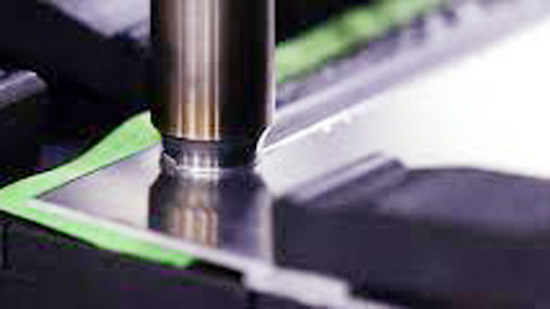
The first time I saw ultrasonic welding in action, I was skeptical. I’m used to handling MIG and TIG, worrying about arc control, joint prep, and picking the right filler rods for different metal thicknesses. But with ultrasonic welding, there are no sparks, no flames—just high-frequency vibrations that fuse materials together. At first, it felt almost like magic, and I had to really understand how it works to trust it for delicate assemblies or stainless welding in tight spots.
Learning this technique made me appreciate how it can save time, reduce material waste, and produce clean, strong joints where traditional welding isn’t practical. If you’ve ever wondered how ultrasonic welding really works and when to use it in real-world projects, I’ll break it down from my hands-on experience in the shop.

Image by kaijo co
What Is Ultrasonic Welding?
To start off, ultrasonic welding is a technique that joins two materials, usually plastics or thin metals, using high-frequency sound vibrations. These vibrations create enough heat through friction to melt the materials at the point of contact and fuse them together. It’s known for being fast, clean, and efficient. The process doesn’t require any adhesives, solvents, or additional materials, making it a popular choice for various applications.
Why Use Ultrasonic Welding?
Before diving into the mechanics, let’s talk a bit about why you might choose ultrasonic welding over other methods. The main reason is speed. The process can be completed in less than a second, which is ideal for high-volume production.
It’s a clean process—no messy glues or dangerous fumes to worry about. It’s also eco-friendly because it doesn’t involve chemicals or produce a lot of waste. Plus, the welds can be just as strong as the base material.
Components of an Ultrasonic Welding Machine
To understand how ultrasonic welding works, you need to know the different parts of the machine and what they do. Here’s a simple breakdown:
Transducer
The transducer is the component that converts electrical energy into mechanical vibrations. It’s like the heart of the ultrasonic welding machine. The transducer produces high-frequency vibrations, usually in the range of 20,000 to 40,000 Hz.
Booster
The booster acts as an amplifier, increasing the amplitude of the vibrations produced by the transducer. It essentially boosts the energy before it reaches the next component, allowing for more effective welding.
Horn (Sonotrode)
The horn, also known as the sonotrode, is the part that comes into direct contact with the material being welded. It delivers the vibrations to the surface and focuses the energy onto the weld area. The shape and design of the horn can vary depending on the material and type of weld.
Anvil
The anvil is where the lower part of the material rests during the welding process. It helps to hold the workpieces in place and provides support to ensure even pressure is applied.
Welding Fixture
The welding fixture is used to hold the materials in the correct position during the process. It keeps everything aligned to ensure a consistent and precise weld.
How Does the Ultrasonic Welding Process Work?
Alright, now that we know the machine’s components, let’s walk through how the process actually happens.
Step 1: Positioning the Materials
First, the two materials to be welded are placed in the welding fixture. One piece rests on the anvil, and the other is placed on top. It’s important that the surfaces being joined are clean and fit together well.
Step 2: Applying Pressure
The ultrasonic welding machine’s horn presses down on the materials, applying pressure. This step ensures that the vibrations are transferred effectively to the joint area.
Step 3: Generating Ultrasonic Vibrations
Once the materials are clamped in place, the machine generates ultrasonic vibrations through the horn. These vibrations are typically at a frequency of 20,000 Hz or higher—much higher than the range of human hearing. The vibrations travel through the horn and into the materials, creating rapid friction at the interface where they meet.
Step 4: Creating Heat Through Friction
The friction generated by the high-frequency vibrations causes localized heating at the joint area. This heat is sufficient to soften or partially melt the material, allowing it to flow and bond at a molecular level.
Step 5: Holding the Materials Together
The vibrations stop once the desired welding time is reached, but the pressure is maintained for a brief period to allow the joint to cool and solidify. The result is a strong, durable weld.
Step 6: Releasing the Pressure
After the joint has cooled and solidified, the horn lifts off, and the pressure is released. The welded part is then removed from the fixture.
What Materials Can Be Ultrasonically Welded?
Ultrasonic welding works best with certain types of materials, mainly thermoplastics and some thin metals. Here’s a look at what works and what doesn’t.
Plastics
Thermoplastics are the most commonly welded materials in ultrasonic welding. These plastics can soften and reform upon heating, making them ideal for this process. Some common examples include ABS, acrylic, polyethylene, and polycarbonate. Each plastic type responds differently to ultrasonic vibrations, so the welding settings often need to be adjusted based on the specific material.
Metals
Ultrasonic welding can also be used for certain metals, especially thin foils or sheets. However, it’s generally not suitable for thicker metals because the vibrations may not penetrate deeply enough to create a strong weld. Metals like aluminum, copper, and nickel can be ultrasonically welded if they are thin enough.
Non-Suitable Materials
Materials that do not respond well to ultrasonic welding include hard metals and non-thermoplastic materials like glass or ceramics. These materials don’t soften under ultrasonic vibrations and therefore can’t form a proper weld.
Ultrasonic Welding vs Other Welding Methods
When comparing ultrasonic welding to other methods like arc welding or laser welding, there are some key differences to note. Let’s take a look.
| Feature | Ultrasonic Welding | Traditional Welding (Arc, MIG, TIG) | Laser Welding |
|---|---|---|---|
| Heat Generation | Minimal, localized frictional heat | High heat from electric arc or flame | Uses a laser to produce high heat |
| Material Suitability | Best for plastics and thin metals | Suitable for most metals | Works well for metals and some plastics |
| Speed | Very fast, typically under a second | Slower, especially for thicker materials | Fast, but requires precise setup |
| Additional Materials Needed | No fillers or adhesives required | Often requires filler rods or fluxes | May require additional gases or filler materials |
| Environmental Impact | Low, no harmful fumes or solvents | Potential for fumes, fluxes may be hazardous | Moderate, depending on laser power requirements |
| Equipment Cost | High initial cost | Varies, can be more affordable | Expensive setup |
Advantages of Ultrasonic Welding
Here are some reasons why ultrasonic welding is often the preferred choice for specific applications:
Quick Cycle Time: Ultrasonic welding is a fast process, making it suitable for high-speed production lines. Each weld can be completed in a fraction of a second.
No Need for Additional Materials: The process doesn’t involve adhesives, filler materials, or solder, reducing material costs and eliminating any residue.
Strong and Reliable Joints: When welded properly, the joint is often as strong as the base materials themselves.
Minimal Heat: There’s little chance of damaging surrounding materials, as the heat is localized to the weld area.
Eco-Friendly: The process is clean, doesn’t produce fumes or chemical waste, and has a lower energy consumption compared to some other methods.
Disadvantages of Ultrasonic Welding
It’s not all perfect; ultrasonic welding does have some limitations.
Limited Material Compatibility: Not all materials can be ultrasonically welded, particularly thick metals or materials that don’t soften under frictional heat.
High Equipment Costs: While the long-term savings are significant, the initial investment can be a hurdle for smaller operations.
Not Suitable for Large Parts: The size of the parts to be welded can be a limiting factor because the ultrasonic energy is difficult to distribute evenly over large areas.
Requires Skilled Operators: Properly setting up and running an ultrasonic welding machine requires training and experience.
Tips for Successful Ultrasonic Welding
To get the best results, follow these tips:
Choose Compatible Materials: Make sure the materials you’re welding are suitable for ultrasonic welding. Plastics with similar melting points tend to work better together.
Set Correct Amplitude and Pressure: Different materials and thicknesses may require adjustments in amplitude and pressure for optimal welding.
Regular Maintenance: The horn and other components should be kept in good condition to ensure consistent weld quality. Damaged or worn-out parts can affect performance.
Common Problems and Troubleshooting
Like any process, ultrasonic welding can have its hiccups. Here’s how to troubleshoot some common issues:
Weak Welds: This could be due to incompatible materials, incorrect pressure, or low amplitude. Double-check the machine settings and material properties.
Excessive Flash: If you notice too much material squeezing out of the joint, try reducing the amplitude or welding time.
Horn Damage: If the horn becomes damaged, replace it to avoid inconsistencies in the weld.
Conclusion
Ultrasonic welding is a versatile and efficient technique for joining materials, especially plastics and thin metals. It’s fast, environmentally friendly, and doesn’t require any additional materials like adhesives or solder. While there are some limitations regarding the types of materials and part sizes that can be welded, the benefits often outweigh the downsides. If you’re in automotive, medical, or electronics manufacturing, ultrasonic welding could be the ideal solution for your production needs.