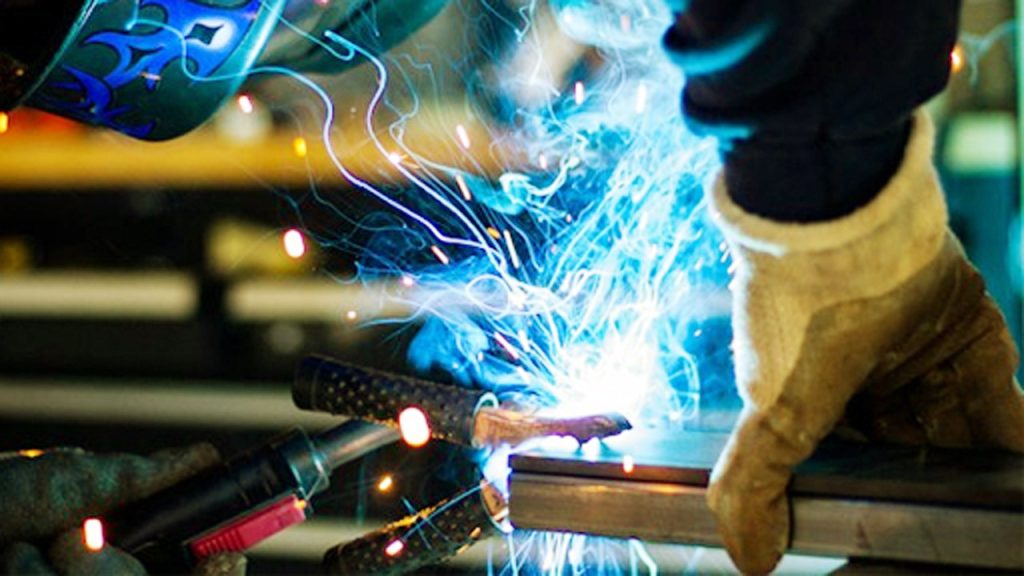
If you’ve ever welded before, you know how frustrating welding spatter can be. It’s one of those things that can turn a clean job into a messy one, and if left unchecked, it can lead to extra work, wasted materials, and even safety hazards.
I’ve had my fair share of dealing with spatter, and I’ve learned some effective ways to minimize it. Spatter happens when molten metal droplets fly off the weld and stick to the surrounding surfaces.
While some spatter is inevitable, too much of it means something isn’t right—whether it’s your settings, technique, or materials. Let’s dive into the best ways to reduce welding spatter so you can get smoother, cleaner welds with less cleanup.

Image by reddit
What Causes Welding Spatter?
Before we fix the problem, it helps to understand why it happens in the first place. Spatter is caused by:
- Incorrect voltage and amperage – If your welding parameters are off, the arc can become unstable, creating more spatter.
- Improper wire feed speed – Too much or too little wire can result in excess molten metal being expelled.
- Poor shielding gas coverage – Without proper gas protection, oxidation and turbulence can create spatter.
- Dirty or contaminated materials – Rust, oil, or paint on the metal can cause the weld to sputter.
- Wrong electrode or filler metal – Using the wrong type of electrode or wire can lead to more spatter.
- Bad welding technique – Holding the torch at the wrong angle or moving too fast can lead to excessive spatter.
Once you understand the causes, it becomes easier to control and prevent spatter before it becomes a problem.
Choosing the Right Welding Parameters
One of the biggest reasons for spatter is incorrect voltage, amperage, or wire feed speed. These need to be properly set for the material and process you’re using.
- Voltage too low – Can cause a short arc, leading to more spatter.
- Voltage too high – Can create an unstable arc and excessive spatter.
- Wire feed speed too high – Leads to excess filler material being expelled.
- Wire feed speed too low – Can cause an erratic arc and more spatter.
Finding the right balance is key. If you’re using MIG welding, you’ll need to adjust the voltage and wire feed speed to match the thickness of the material and the type of wire being used.
If you’re using stick welding, choosing the correct amperage for the electrode size will make a big difference.
Using the Right Shielding Gas
The shielding gas you use plays a huge role in preventing spatter. Without proper gas coverage, the weld pool becomes unstable, and you’ll see more spatter.
For MIG welding, using the right gas mixture is crucial:
- 100% CO₂ – Produces more spatter but gives deeper penetration.
- 75% Argon / 25% CO₂ – Reduces spatter while maintaining good weld quality.
- 90% Argon / 10% CO₂ – Provides even smoother welds with minimal spatter.
If you’re getting too much spatter, check your gas flow rate. Too little gas won’t protect the weld, while too much can create turbulence, drawing in oxygen and increasing spatter. Make sure your gas nozzle is clean and free from blockages.
Keeping the Workpiece Clean
One of the simplest but most effective ways to avoid spatter is to clean your metal before welding. If your workpiece has rust, oil, paint, or dirt, it will cause contaminants to enter the weld pool, leading to more spatter.
Always:
- Use a wire brush to remove rust or oxidation.
- Wipe down the metal with acetone or another degreaser before welding.
- Grind off old paint or coatings to expose bare metal.
A clean surface makes a huge difference in the amount of spatter you’ll see.
Adjusting Your Welding Technique
The way you weld also plays a big role in how much spatter you get. Here are some tips to improve your technique:
- Maintain the right angle – Keep your torch at around 10-15 degrees from vertical to maintain good arc stability.
- Use a steady hand – Erratic movements or sudden stops can lead to spatter. Try to maintain a smooth and even motion.
- Keep the correct stick-out – If you’re using MIG welding, keep about ⅜ to ½ inch of wire extending from the nozzle. Too much stick-out can cause excess spatter.
- Don’t drag too much – In processes like stick welding, dragging the electrode too far can create an unstable arc and increase spatter.
A few small adjustments in your technique can make a big difference in reducing unwanted spatter.
Choosing the Right Filler Material
Using the wrong type of filler metal can contribute to spatter. If you’re using MIG welding, make sure the wire type and diameter match your material. If you’re using stick welding, selecting the right electrode type can help reduce spatter.
For example:
- ER70S-6 wire works well with mild steel and provides a smooth arc with minimal spatter.
- 6013 electrodes create less spatter than 6010 or 6011 rods.
The cleaner and higher quality your filler material, the better your welds will be.
Using Anti-Spatter Spray
If you’ve tried everything and still get spatter, anti-spatter spray can help. This spray prevents molten metal from sticking to nearby surfaces.
Simply:
- Spray a light coat on your welding nozzle and surrounding area.
- Let it dry before welding.
- After welding, wipe off any excess residue.
While this won’t prevent spatter at the source, it makes cleanup much easier and helps keep your work area clean.
Comparing Welding Spatter Prevention Methods
| Method | Effectiveness | Best For |
|---|---|---|
| Adjusting voltage & amperage | Very effective | Reducing arc instability |
| Using proper shielding gas | Highly effective | MIG welding |
| Cleaning the workpiece | Essential | Any welding process |
| Improving technique | Very effective | All welding types |
| Choosing the right filler material | Effective | MIG and stick welding |
| Using anti-spatter spray | Moderately effective | Reducing cleanup time |
What to Do If You Still Have Spatter
Even if you follow all these tips, some spatter may still occur. If you need to remove it, try:
- A chipping hammer for larger spatter balls.
- A wire brush to scrape off light spatter.
- Grinding or sanding for stubborn spatter.
But the best way to deal with spatter is to prevent it in the first place. A few small adjustments can save you a lot of time and effort in post-weld cleanup.
Conclusion
Welding spatter can be frustrating, but with the right approach, it’s something you can control. By setting your welding parameters correctly, using clean materials, choosing the right gas and filler metal, and improving your technique, you can significantly reduce spatter.
Not only will this save you time on cleanup, but it will also improve the quality of your welds. Spatter is a sign that something is off, so if you notice a lot of it, take a step back and adjust your settings or technique.
The key to clean welding is prevention, and with these tips, you’ll get smoother, stronger welds with minimal mess.
FAQs
What is the main cause of welding spatter?
Incorrect voltage, amperage, wire feed speed, or poor shielding gas coverage can cause excessive spatter.
Can anti-spatter spray completely prevent spatter?
No, but it makes cleanup easier by preventing spatter from sticking to surfaces.
Does using the wrong gas cause more spatter?
Yes, improper gas mixtures or low gas flow can create an unstable arc and increase spatter.
What’s the best way to clean metal before welding?
Use a wire brush, acetone, or grinding to remove rust, oil, and paint.
Can welding technique reduce spatter?
Yes, maintaining a steady hand, proper torch angle, and correct stick-out can minimize spatter.
With these tips, you’ll be well on your way to welding with less mess and more precision.