If you’re getting into MIG welding, one of the biggest questions you’ll face is how much argon you need. Argon plays a critical role in shielding the weld from contamination and ensuring a smooth, strong weld. But too much or too little argon can lead to poor weld quality, increased costs, and wasted gas.
I’ve spent years working with different gas mixtures in MIG welding, and I can tell you that getting the right flow rate is key. It depends on metal type, welding conditions, and nozzle size. Some welders set the gas too high, thinking it will improve coverage, while others use too little and end up with porous, weak welds.

Image by theminiforum
Why Is Argon Important in MIG Welding?
Before we dive into numbers, let’s talk about why argon is used in MIG welding. MIG stands for Metal Inert Gas welding, and the gas we use is essential for:
- Shielding the weld pool from oxygen and moisture
- Reducing spatter and improving arc stability
- Enhancing penetration and bead appearance
- Ensuring strong, defect-free welds
In its pure form, argon is commonly used for welding aluminum, stainless steel, and non-ferrous metals. But when welding mild steel, we usually mix it with carbon dioxide (CO₂) to balance penetration, weld strength, and cost.
How Much Argon Do You Need for MIG Welding?
The amount of argon needed in MIG welding is measured in cubic feet per hour (CFH). The typical flow rate for MIG welding ranges from 15 to 25 CFH, but this can vary based on:
- Metal type and thickness
- Welding environment (indoor vs. outdoor)
- Nozzle size and gas coverage needed
Here’s a general guide for argon flow rates based on different welding scenarios:
| Material | Argon Flow Rate (CFH) | Gas Mixture Recommendation |
|---|---|---|
| Mild Steel | 15-25 | 75% Argon / 25% CO₂ |
| Stainless Steel | 20-25 | 98% Argon / 2% CO₂ or Tri-Mix |
| Aluminum | 20-30 | 100% Argon |
| Thin Sheet Metal | 12-18 | 75% Argon / 25% CO₂ |
| Thick Steel (1/4” or more) | 25-30 | 90% Argon / 10% CO₂ |
These numbers provide a good starting point, but you should always adjust based on your welding conditions.
Factors That Affect Argon Flow Rate
A lot of things can impact how much argon you actually need. Here’s what to keep in mind:
Nozzle Size
The size of your MIG gun nozzle affects gas flow. Larger nozzles require higher CFH to provide full coverage, while smaller nozzles need less.
Welding Indoors vs Outdoors
- Indoor welding allows for lower flow rates (15-20 CFH).
- Outdoor welding requires higher flow rates (25-30 CFH) to compensate for wind that might blow the gas away.
Material Thickness
- Thin metals (like 18-gauge sheet metal) need lower flow rates (12-18 CFH) to avoid turbulence.
- Thicker metals need higher flow rates (25-30 CFH) to get full penetration.
Weld Position
- Overhead and vertical welds sometimes need slightly more gas (20-25 CFH) to ensure proper shielding.
Gas Quality and Mixture
Using pure argon vs. an argon/CO₂ mix affects how much flow is needed. CO₂ increases penetration, so you might be able to reduce your argon usage slightly.
How to Set the Correct Argon Flow Rate
Setting up the correct argon flow rate is simple if you follow these steps:
- Check Your Regulator: Make sure your gas cylinder is properly connected, and the regulator is functioning correctly.
- Set Initial Flow: Start with 15-20 CFH and adjust as needed.
- Test the Gas Flow: Place your hand near the nozzle and feel the gas flow. It should be steady but not excessive.
- Check the Weld: If you see excessive spatter, porosity, or weak penetration, adjust the gas flow.
- Fine-Tune: Increase or decrease by 2-3 CFH at a time until you find the sweet spot.
How Long Will a Tank of Argon Last?
A common concern is how long your argon tank will last. This depends on tank size and flow rate. Here’s a rough estimate:
| Tank Size (Cubic Feet) | Flow Rate (CFH) | Approx. Welding Time (Hours) |
|---|---|---|
| 40 CF | 20 CFH | 2 hours |
| 80 CF | 20 CFH | 4 hours |
| 125 CF | 20 CFH | 6-7 hours |
| 250 CF | 20 CFH | 12-13 hours |
If you weld for an hour a day, a 125 CF tank will last about a week before needing a refill.
Signs You’re Using Too Much or Too Little Argon
Too Much Argon:
- Wasted gas, increased cost
- Turbulence in the weld pool
- Unstable arc
- Blow-through on thin materials
Too Little Argon:
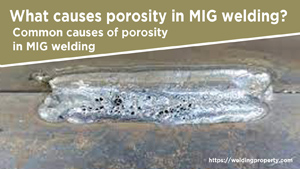
- Porosity (holes in the weld)
- Weak, brittle welds
- Excessive spatter
- Contaminated welds (oxidation and discoloration)
If you see porosity or weak welds, slightly increase your gas flow. If you notice turbulence or wasted gas, turn it down.
Tips to Save Argon and Reduce Waste
Argon isn’t cheap, so it’s important to use it efficiently. Here’s how:
- Turn off the gas when not in use – Don’t let it run between welds.
- Use the correct nozzle size – Bigger nozzles require more gas.
- Check for leaks – Use a soapy water test on hoses and fittings.
- Store tanks properly – Keep cylinders upright in a dry, cool place.
- Use a gas-saving device – Some regulators help reduce gas waste.
Conclusion
Knowing how much argon to use for MIG welding is crucial for strong, clean welds and cost efficiency. Most welders stick to 15-25 CFH, but this varies based on metal type, environment, and welding technique. If you’re welding indoors on thin metal, start at 15-18 CFH.
For thicker metals or outdoor welding, go up to 25-30 CFH. Always adjust based on weld quality, and don’t waste gas by setting it too high. With the right settings, you’ll get better welds, less spatter, and more efficient gas use—saving you time and money in the long run.
FAQs
Can I use 100% argon for MIG welding steel?
It’s not recommended. Pure argon doesn’t provide enough penetration for steel. Use 75% Argon / 25% CO₂ instead.
How do I know if my argon tank is leaking?
Spray soapy water on the fittings and look for bubbles.
Is it bad to use too much argon?
Yes, it can cause turbulence in the weld pool, waste gas, and increase costs.
What happens if I weld without argon?
You’ll get porous, weak, and contaminated welds.
How do I extend my argon tank life?
Set the flow rate correctly, check for leaks, and turn off the gas when not in use.