
I’ve spent a good amount of time around metal roofs—on homes, barns, sheds, and even small industrial buildings.
One question I get asked often is: what is the best paint for metal roofs? It sounds like a simple question, but when you really look into it, the answer depends on the type of roof, the weather conditions in your area, and what kind of finish or durability you’re after.
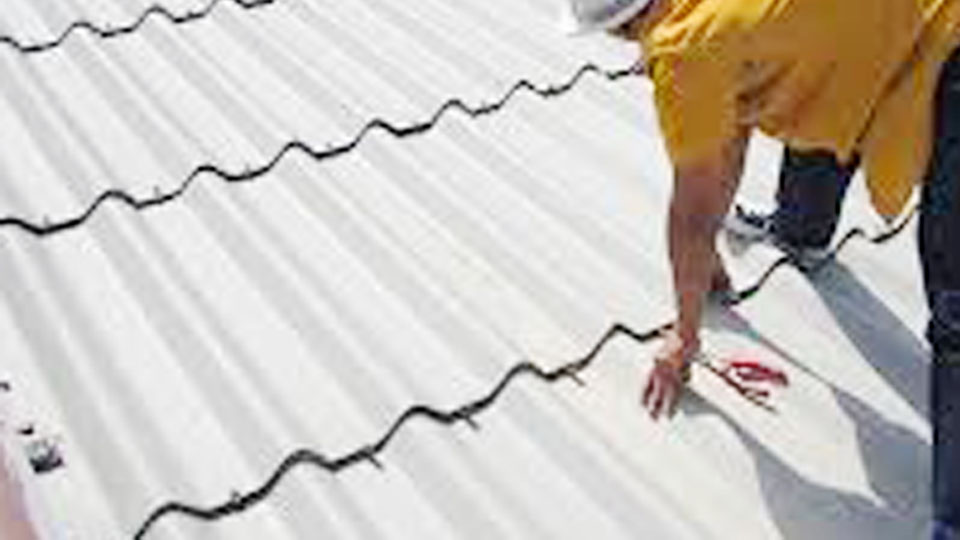
Photos by colonyroofers
I’ve worked with a wide range of paints and coatings over the years, and in this article, I’m going to walk you through everything I’ve learned.
This is a guide I wish someone gave me when I first started painting metal roofs. Let’s talk like two friends sitting side by side, figuring out the best solution for your metal roof.
Why You Should Paint a Metal Roof
Before we get into what type of paint is best, let’s quickly cover why painting a metal roof is even necessary. Some folks assume metal roofs are maintenance-free. While they are low-maintenance compared to others, painting adds important protection and longevity.
When you paint a metal roof:
- You improve its resistance to rust and corrosion
- It reflects sunlight better, reducing your cooling costs
- You enhance the appearance of your property
- It extends the life of the roof itself
- You protect against harsh weather conditions
Without proper paint, the metal can degrade over time. Sun, rain, snow, and wind all work against it. So yes, painting is a smart investment, especially if you’re living somewhere in the U.S. where the weather can be unpredictable.
Factors to Consider Before Choosing Paint
When deciding what kind of paint to use on a metal roof, don’t just grab the first can you see at the hardware store. Here are a few important things to keep in mind:
Type of Metal
Steel, aluminum, and galvanized metal may require different primers or treatments.
Existing Coating or Paint
Is it brand new metal? Or has it already been painted before?
Climate
Hot, humid, snowy, or salty air near coastal regions all affect how paint performs.
UV Exposure
Sunlight can break down paint over time. You’ll need a formula that resists fading.
Budget
Some paints are more expensive upfront, but they last longer and save you money in the long run.
Types of Paints for Metal Roofs
Let’s talk about the types of paint available. Not all paints are created equal—especially when it comes to metal. Here’s a breakdown of the most popular options and how they compare:
| Paint Type | Durability | UV Resistance | Rust Protection | Cost | Common Use |
|---|---|---|---|---|---|
| Acrylic Paint | Moderate | High | Moderate | Low | Residential roofs |
| Polyurethane Paint | High | High | High | High | Industrial/commercial use |
| Silicone Paint | Very High | Excellent | High | High | Extreme climates |
| Alkyd Paint | Moderate | Moderate | Moderate | Moderate | Older metal roofs |
| Elastomeric Coating | High | High | Moderate | Moderate | Flat/sloped roofs needing flexibility |
Let’s walk through each of them so you can make a better choice.
Acrylic Paint for Metal Roofs
Acrylic latex paint is one of the most commonly used and affordable options. It’s water-based, which makes it easier to clean and apply.
What I like most about acrylic paint is that it has excellent UV resistance. That’s important if your roof gets a lot of sun exposure.
This paint dries quickly and is eco-friendly. It doesn’t give off a strong odor, which is helpful if you’re painting in a residential area. It’s best suited for mild climates and metal roofs that are already primed.
If you’re on a tighter budget or just want a refresh on an old roof, acrylic paint is a good starting point.
Polyurethane Paint for Metal Roofs
If you’re looking for something tougher, go with polyurethane-based paint. I’ve used this paint on metal roofs that needed to stand up to heavy rain, snow, and even foot traffic. It forms a solid, durable layer that resists chipping, peeling, and fading.
Polyurethane paint is ideal for those who live in areas with harsh winters or heavy rain. It can be a bit more expensive and trickier to apply, but you get what you pay for. It’s definitely worth it if you’re looking for long-term performance.
Make sure to use a compatible primer first—usually epoxy-based—to help the paint bond better to the metal.
Silicone Paint for Extreme Conditions
I recommend silicone coatings for metal roofs in hot or very wet climates. Think Florida summers or Pacific Northwest rain. Silicone paint is extremely water-resistant, and it also reflects heat incredibly well.
This means you’ll likely save on energy bills during the hot summer months. And you won’t need to worry about mildew or ponding water.
Silicone paint does come at a higher price point, and it’s not easy to recoat. But the upside? It lasts for years without much maintenance.
Alkyd Paint for Older Metal Roofs
If you’ve got an older roof, especially one that’s been painted before, alkyd paint can be a safe bet. It’s oil-based and bonds well to previously painted surfaces. It also performs decently in protecting against rust.
This paint type is not as eco-friendly as water-based ones, and the cleanup can be messy. But if your roof has seen better days and you’re just trying to extend its life for a few more years, alkyd paint can do the trick.
Elastomeric Coating for Flexibility
Now here’s a favorite of mine for metal roofs with expansion and contraction issues. Elastomeric coating is more like a flexible membrane than traditional paint. It stretches with the roof as it heats and cools, which prevents cracks from forming.
It’s also great for sealing small leaks and preventing water infiltration. Elastomeric coatings are ideal for flat or slightly sloped roofs and work well in areas with extreme temperature swings.
Best Paint Based on Roof Condition
Here’s how I usually guide people based on the roof’s current state:
| Roof Condition | Best Paint Type |
|---|---|
| New, unpainted metal | Acrylic or Polyurethane |
| Older, previously painted | Alkyd or Acrylic |
| Roof in extreme heat or rain | Silicone |
| Roof with expansion issues | Elastomeric Coating |
Choosing the right paint depends not just on climate or material but also on how your roof is holding up.
Prepping a Metal Roof Before Painting
This step is super important. Even the best paint in the world won’t stick properly if you don’t prepare the surface right. I’ve seen so many people skip this part and regret it later.
Here’s what I always do before painting:
Clean the Roof Thoroughly
Use a pressure washer to remove dirt, mold, algae, or old peeling paint. A clean surface helps paint stick better.
Remove Rust
Sand down rusted areas. You can use a wire brush or even a grinder for large spots. Always wear safety gear.
Apply a Primer
Choose a primer that matches your paint type. For bare metal, a rust-inhibitive primer is a must.
Seal Gaps or Cracks
Use roofing sealant to patch any leaks or holes before painting.
If you skip these steps, your paint may start to peel or bubble within months.
Best Paint Brands for Metal Roofs in the USA
Over the years, I’ve tried multiple paint brands. Some were better than others. Here are a few trusted names that work well for metal roofs in the U.S.:
- Sherwin-Williams – Their metal roofing paint line is highly reliable and durable.
- Rust-Oleum – Especially good for rusty or older roofs.
- Kool Seal – Great for silicone coatings and elastomeric paints.
- BEHR Premium – Offers solid acrylic options for residential roofs.
- PPG Paints – Known for weather-resistant formulas for commercial roofs.
Make sure to pick the version labeled for metal roofing. Not all exterior paints are designed for metal.
How to Apply Paint on a Metal Roof
You can apply paint by spray, brush, or roller. Sprayers give a smooth finish and are faster, but you’ll need some skill to avoid overspray. Rollers are great for control, and brushes help in tight corners or seams.
Make sure you:
- Paint when temperatures are between 50°F and 85°F
- Avoid painting in direct, harsh sunlight
- Choose a dry day—no rain for at least 24–48 hours
- Apply two coats for the best results
Wear non-slip shoes and safety gear if you’re working on the roof yourself. Or hire a professional if the slope is too steep.
How Long Does Paint Last on a Metal Roof?
On average, a good quality paint job can last:
- Acrylic – 5 to 10 years
- Polyurethane – 10 to 15 years
- Silicone – 15 to 20 years
- Alkyd – 5 to 7 years
- Elastomeric – 10 to 15 years
Of course, this depends on your environment and how well the surface was prepared before painting. But a good paint choice pays off in fewer maintenance cycles and better performance.
Conclusion
If you’ve been wondering what is the best paint for metal roofs, I hope this guide has cleared things up. The best paint for your roof depends on your climate, budget, and the condition of your metal surface.
I lean toward silicone coatings or high-end polyurethane paints for long-term performance. But even acrylic can work wonders when applied correctly.
Don’t rush the process. Take the time to prep the surface, pick the right type of paint, and apply it under the right conditions. Your roof will thank you with years of protection, better energy savings, and a fresh, clean look.
If you’re painting a barn in Texas, a shed in Ohio, or a home in Florida, making the right paint choice is a small decision that makes a big impact.
FAQs
What is the most durable paint for a metal roof?
Silicone and polyurethane paints are among the most durable options. They resist UV rays, moisture, and temperature swings very well.
Can I paint over old metal roof paint?
Yes, but the surface needs to be cleaned and sanded. Use a primer if the old paint is flaking or peeling.
Is it necessary to prime a metal roof before painting?
Yes, especially if the metal is bare or previously rusted. A primer helps the paint adhere better and prevents corrosion.
Can I use regular house paint on a metal roof?
No, regular house paint isn’t designed to bond with metal or withstand the outdoor elements metal roofs face.
How often should a metal roof be repainted?
It depends on the paint type and weather, but typically every 10–15 years for most high-quality coatings.
Will painting a metal roof help with energy efficiency?
Absolutely. Lighter colors and reflective paints reduce heat absorption, lowering cooling costs in hot climates.
If you have any more questions, feel free to ask. I’m happy to share what I’ve learned from years of working on roofs just like yours.


