I’ve been welding for years, and one question that pops up a lot is whether ceriated tungsten is a good choice for aluminum TIG welding. It’s a solid option, and I’m excited to share what I’ve learned from my own experience in the shop. Aluminum can be tricky to weld, but choosing the right tungsten electrode makes all the difference.
I’ll explain why ceriated tungsten works well for aluminum, how to use it effectively, and what to watch out for. Whether you’re a beginner or a seasoned welder, let’s dive into the world of ceriated tungsten and see how it can help you nail those aluminum welds!
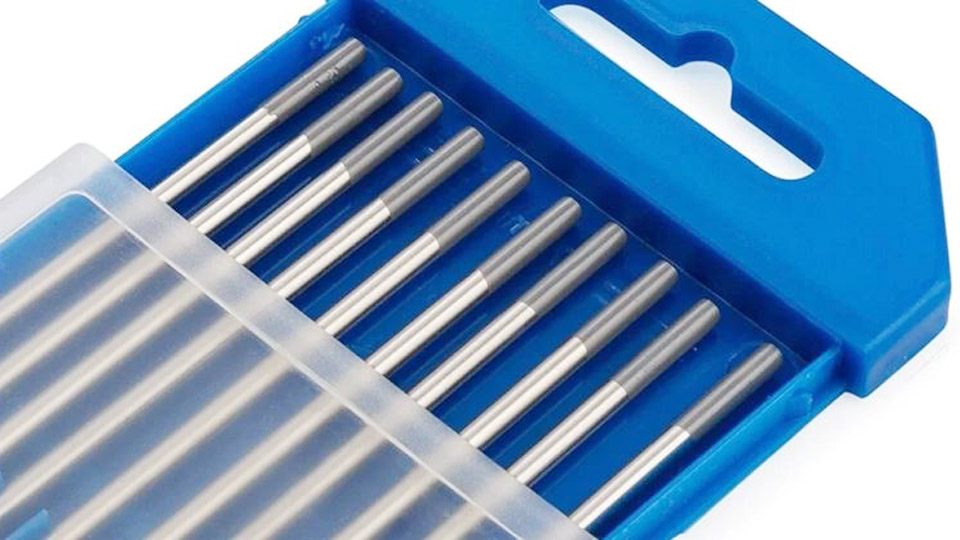
Photo by weldfabworld
What Is Ceriated Tungsten?
Ceriated tungsten, often called 2% ceriated or grey tungsten, is a non-consumable electrode used in TIG (Gas Tungsten Arc Welding) welding. It’s made of at least 97.3% pure tungsten mixed with 1.8% to 2.2% cerium oxide, which gives it some unique properties.
The cerium oxide boosts the electrode’s ability to handle heat and carry current, making it a versatile choice for many welding jobs. I first tried ceriated tungsten when I was looking for a safer alternative to thoriated tungsten, which has a slight radioactive hazard.
Ceriated tungsten caught my attention because it’s non-radioactive and performs well across a range of materials, including aluminum. It’s classified as EWCe-2 by the American Welding Society (AWS), and you’ll spot it by the grey stripe on one end.
Why Use Ceriated Tungsten for Aluminum?
Aluminum TIG welding usually requires alternating current (AC) to break through the oxide layer on the metal’s surface while providing good penetration. Ceriated tungsten shines here for a few reasons:
Easy Arc Starts
Ceriated tungsten is known for striking an arc at lower amperages, which is great for thin aluminum sheets where you don’t want to burn through.
Stable Arc
It produces a steady arc, which helps you maintain control and create clean, consistent welds.
Versatility
It works well for both AC and DC welding, so you can use it for aluminum one day and steel the next without swapping electrodes.
Non-Radioactive
Unlike thoriated tungsten, ceriated is safe to handle and grind without worrying about radiation risks.
Good for Inverter Machines
If you’re using a modern inverter-based TIG welder, ceriated tungsten performs exceptionally well, holding a sharp point longer than pure tungsten.
I’ve welded everything from thin aluminum panels to thicker plates with ceriated tungsten, and it’s never let me down. It’s especially handy when you’re working on delicate projects that need precision.
How Ceriated Tungsten Compares to Other Electrodes
To understand why ceriated tungsten is a great pick, let’s compare it to other common electrodes used for aluminum welding:
| Electrode Type | Best For | Pros | Cons |
|---|---|---|---|
| Ceriated (Grey) | AC/DC, aluminum, steel, titanium | Easy arc starts, stable arc, non-radioactive | Not ideal for very high amperages |
| Pure Tungsten (Green) | AC, aluminum, magnesium | Inexpensive, forms a balled tip for AC | Burns up faster, less stable arc |
| Zirconiated (White) | AC, aluminum, magnesium | High current capacity, resists contamination | Not suitable for DC, harder to sharpen |
| Lanthanated (Blue/Gold) | AC/DC, aluminum, steel, titanium | Versatile, stable arc, non-radioactive | Slightly less effective at low amperages |
| Thoriated (Red) | DC, steel, stainless steel | Durable, high current capacity | Radioactive, not ideal for AC aluminum |
Pure tungsten and zirconiated tungsten are traditional choices for aluminum on older transformer-based machines, where the electrode forms a balled tip.
Ceriated tungsten is better for inverter machines because it can be sharpened to a point, giving you a more focused arc. I switched to ceriated after struggling with pure tungsten’s tendency to burn up quickly on thin aluminum.
Preparing Ceriated Tungsten for Aluminum Welding
Getting your ceriated tungsten ready is crucial for a good weld. Here’s how I do it:
Choose the Right Size
For aluminum, 3/32-inch or 1/8-inch diameter electrodes are common. Use 3/32-inch for thinner materials (up to 1/8-inch thick) and 1/8-inch for thicker plates. A smaller electrode works for low amperage, while a larger one handles higher currents.
Sharpen the Tip
For AC welding on an inverter machine, grind the tungsten to a sharp point, like a pencil. I use a dedicated tungsten grinder to get a clean, consistent point. Aim for a taper about 2 to 2.5 times the electrode’s diameter. Don’t use a bench grinder—it can contaminate the tungsten.
Clean the Electrode
Wipe the tungsten with acetone to remove any oils or dirt. A clean electrode prevents arc wandering and contamination.
Set Up Your Machine
For aluminum, set your TIG welder to AC mode. Adjust the balance control to favor electrode negative (EN) for better penetration and less heat on the tungsten. A balance of 65-75% EN is a good starting point.
I learned the hard way that a poorly sharpened tungsten can ruin a weld. One time, I rushed the grinding, and the arc kept wandering, leaving me with a messy bead. Take your time to get the point right!
Tips for Welding Aluminum with Ceriated Tungsten
Here are some practical tips I’ve picked up over the years to get the best results with ceriated tungsten on aluminum:
Use the Right Amperage
Start with 1 amp per 0.001 inch of material thickness. For example, 1/8-inch (0.125-inch) aluminum needs about 125 amps. Thin sheets may need as little as 30-60 amps to avoid burn-through.
Keep the Arc Tight
Hold the electrode close to the workpiece (about 1/8-inch) to maintain a stable arc. If the arc starts to flutter, you’re too far away.
Use Proper Shielding Gas
Pure argon is the go-to for aluminum TIG welding. Set the flow rate to 15-20 cubic feet per hour (CFH) to protect the weld pool.
Clean the Aluminum
Aluminum forms an oxide layer that can mess up your weld. Scrub the surface with a stainless steel brush and wipe it with acetone before welding.
Avoid High Amperages
Ceriated tungsten isn’t great for very high currents (above 200 amps). If you’re welding thick aluminum, consider zirconiated tungsten or a larger electrode size.
I once tried pushing a 3/32-inch ceriated tungsten past 150 amps on thick aluminum, and the tip started to degrade. Switching to a 1/8-inch electrode solved the problem.
When to Choose Ceriated Tungsten for Aluminum
Ceriated tungsten is ideal for:
Thin Aluminum: Its low-amperage arc starts make it perfect for sheets under 1/8-inch thick, like automotive panels or aerospace parts.
Inverter-Based Welders: If you’re using a modern TIG machine, ceriated tungsten’s ability to hold a sharp point gives you better control.
Mixed Projects: If you’re switching between aluminum, steel, or titanium, ceriated tungsten’s versatility saves you from changing electrodes.
Safety-Conscious Shops: Since it’s non-radioactive, it’s a great choice for workplaces avoiding thoriated tungsten.
I use ceriated tungsten for most of my aluminum jobs, especially when I’m welding thin materials or need a quick setup. It’s reliable and forgiving, which is a big plus when you’re under pressure to get a job done.
Limitations of Ceriated Tungsten
While ceriated tungsten is awesome, it’s not perfect. Here are a few things to keep in mind:
- High-Amperage Weakness: At very high currents (above 200 amps), the cerium oxide can migrate to the tip, reducing the electrode’s effectiveness. For thick aluminum, zirconiated or lanthanated tungsten might be better.
- Not Ideal for Transformer Machines: On older transformer-based welders, ceriated tungsten may not perform as well as pure or zirconiated tungsten, which form a balled tip more easily.
- Cost: Ceriated tungsten is pricier than pure tungsten, though it’s worth it for the performance.
I’ve found that sticking to the recommended amperage range keeps ceriated tungsten working like a charm. Push it too hard, and you’ll notice the arc getting unstable.
Real-World Example from My Shop
Let me share a quick story. A while back, I was working on a custom aluminum boat repair. The hull had thin panels, about 1/16-inch thick, and I needed clean, precise welds. I grabbed a 3/32-inch ceriated tungsten, sharpened it to a fine point, and set my inverter TIG welder to AC with about 60 amps.
The arc started instantly, and I could control the weld pool like a dream. The ceriated tungsten held up through hours of welding without burning up or spitting. The customer was thrilled with the smooth, shiny welds. That job sold me on ceriated tungsten for thin aluminum!
Conclusion
Ceriated tungsten is a fantastic choice for aluminum TIG welding, especially if you’re using an inverter-based machine or working with thin materials. Its easy arc starts, stable performance, and non-radioactive nature make it a go-to for many welders, including me.
By sharpening it properly, using the right settings, and keeping your aluminum clean, you can achieve beautiful, high-quality welds. While it’s not perfect for every situation—like super high-amperage jobs—it’s versatile and reliable for most aluminum projects.
Frequently Asked Questions
Is ceriated tungsten good for aluminum welding?
Yes, it’s excellent for aluminum, especially on inverter-based TIG welders. It offers easy arc starts and a stable arc for AC welding, making it ideal for thin materials.
Can I use ceriated tungsten for both AC and DC welding?
Absolutely. Ceriated tungsten works well for both AC (like aluminum) and DC (like steel or stainless steel), making it a versatile choice.
What size ceriated tungsten should I use for aluminum?
Use a 3/32-inch electrode for thin aluminum (up to 1/8-inch thick) and a 1/8-inch electrode for thicker materials. Match the size to your amperage and material thickness.
Do I need to ball the tip of ceriated tungsten for aluminum?
No, for inverter machines, sharpen it to a point. On transformer machines, you may let it form a small ball, but a point is usually better for control.
Is ceriated tungsten safe to use?
Yes, it’s non-radioactive, unlike thoriated tungsten, so it’s safer to handle and grind without special precautions.
Can ceriated tungsten handle thick aluminum?
It’s best for thinner materials or moderate thicknesses. For very thick aluminum requiring high amperages (over 200 amps), consider zirconiated or lanthanated tungsten.