Burning through my first few rods on an old trailer frame taught me a painful but valuable lesson — not all electrodes behave the same once the arc strikes. That experience made me understand the real difference between 6010 and 6013.
On paper, they both look like basic stick rods, but in practice, they couldn’t be more different. 6010 cuts deep and fast, perfect for root passes and tough, rusty metal, while 6013 runs smooth and clean on thinner materials or sheet metal jobs.
Choosing the right one can make or break your weld — it affects penetration, bead appearance, and even the strength of your joint. If you’ve ever struggled with rods sticking, beads blowing through, or welds that just don’t hold, you’re in the right place. Let’s walk through what truly separates these two electrodes and how to pick the right one for your next weld.
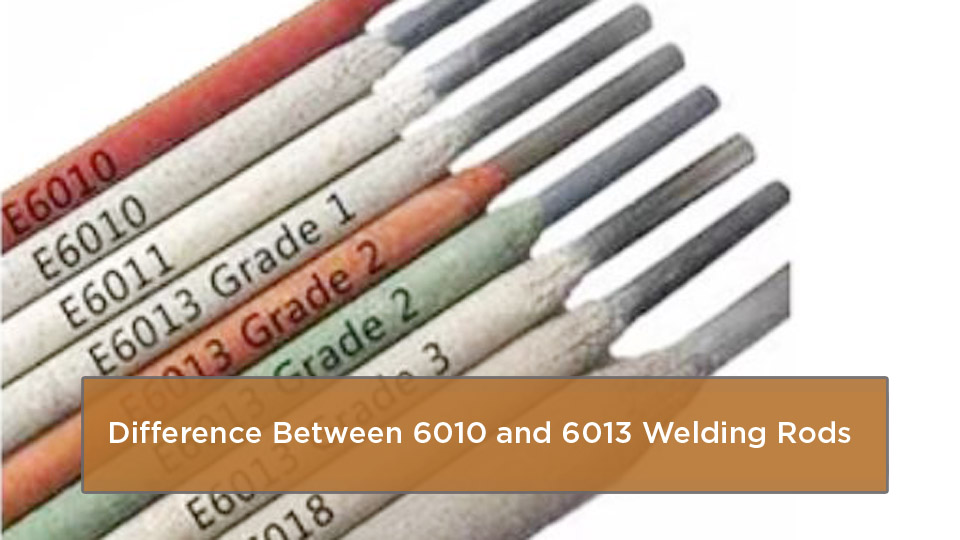
Image by electronicshub
What Is a 6010 Welding Rod and How Does It Work?
Let’s start with the 6010—my go-to for those “no time to prep” jobs. This is a cellulose sodium-coated electrode, part of the SMAW (stick welding) family, designed for carbon steel and low-alloy applications.
The “60” means it hits a tensile strength of around 60,000 PSI once cooled, strong enough for most general fabrication. The “10” hints at its all-position capability and fast-freeze slag, which cools quick to hold that puddle in place.
How does it work? You strike an arc—easy peasy, even on a buzz box—and it throws a tight, forceful arc that digs deep into the base metal. That cellulose coating breaks down to shield the weld pool with gases, and the sodium adds penetration power.
It’s like having a mini excavation tool on your stinger; it blasts through mill scale, rust, or light paint without you breaking out the grinder first.
I remember my first big farm repair: An old tractor frame with layers of crud. Dialed in 90 amps on DCEP (DC electrode positive), whipped it forward, and boom—solid root pass without a hitch.
Practically, it’s DC only, so check your machine. Amperage runs hot: 40-140 amps depending on diameter, like 3/32-inch at 70-110. Prep is minimal—just clamp steady and angle your rod 10-15 degrees drag. But watch the spatter; it’s more than some rods, so gloves and a good flick-off rhythm help. For hobbyists, it’s forgiving on starts but demands a steady hand to avoid undercut.
When and Why to Use a 6010 Rod in Your Projects
You pull out a 6010 when penetration is king—think root passes on pipe, structural beams, or repairs on dirty, heavy plate. It’s a beast for vertical-up or overhead, where that fast-freeze keeps slag from dripping into your face.
In pipeline work under API standards, it’s often spec’d for open roots because it etches clean edges and fuses deep, reducing burn-through risks.
Why choose it over others? Cost efficiency: It burns off contaminants, saving prep time on rusty farm equipment or shipyard scraps. For pros, it’s about weld integrity—ensuring full penetration to meet ASME codes without defects. DIYers love it for trailers or gates on thicker stock (1/4-inch plus), where shallow rods just won’t cut it.
Real talk: On a recent fab job in Texas, I used 6010 for a pressure vessel tie-in. The pipe was galvanized and beat up; 6013 would’ve swirled slag inclusions. Instead, I got a keyhole arc that previewed my progress, hitting 100 amps on 1/8-inch rod. Pro tip: Whip slightly forward on flats to control the puddle—back-whip for verticals to fight gravity.
Common mistake? Running too low amps—leads to a wormy bead and lack of fusion. Fix: Crank it up gradually and listen to the sizzle; a steady “frying bacon” sound means you’re golden.
Safety note: That aggressive arc throws UV rays and spatter, so always helmet up with a proper shade (10-12) and leather sleeves.
What Is a 6013 Welding Rod and How Does It Work?
Switching gears to the 6013, this one’s the easygoing cousin— a high titania potassium-coated rod that’s all about smooth operation. Same 60,000 PSI tensile strength, but the “13” flags its medium penetration and all-position versatility. It’s got stabilizers in the flux that make it restart like a champ, even if you pause mid-bead.
Mechanically, it runs a softer arc on AC or DC (DCEP or DCEN), depositing a fluid puddle with minimal spatter. The potassium keeps the arc stable, while titania adds slag for easy removal—peels off like wet paper.
I once taught a welding class in Michigan; handed a newbie a 6013 on clean sheet metal, and they laid down a bead that looked pro on the first try. At 80 amps on 1/8-inch, it’s got that gentle “whoosh” instead of a crackle, building layers fast without digging too deep.
For shop practices, store it dry—it’s more forgiving than cellulose types but hates moisture. Diameters from 1/16 to 5/32-inch suit everything from thin gauge to moderate plate. Prep involves a quick wire brush for best results; it doesn’t chew through dirt like 6010.
When and Why to Use a 6013 Rod for Everyday Welding
Grab a 6013 for those clean, cosmetic jobs—sheet metal fab, auto body patches, or multi-pass fills on mild steel. It’s ideal for thinner materials (16-gauge up) where burn-through is a worry, or when you need a pretty bead for visible work like ornamental railings. In US shops, it’s the hobbyist favorite for garage builds, aligning with AWS A5.1 specs for general purpose.
The why? Efficiency on new metal: Quick deposition rates mean faster coverage, cutting costs on labor-heavy projects. For students or fab hobbyists, it’s less intimidating—smooth arc builds confidence without the whip technique mastery. Pros use it for caps or fills after a 6010 root, especially on galvanized stock where deep dig could zinc-fume you out.
Last summer, helping a buddy restore a ’72 Chevy truck in California. The cab panels were pristine but thin; 6010 would’ve warped them. Switched to 6013 at 70 amps, dragged it flat, and the bead stacked neat—no cleanup grind. Versatile for positions, but shines downhill on verticals for speed.
Pitfall: Trying it on rusty heavies—results in shallow fusion and porosity. Solution: Clean first, or swap to 6010. Settings tip: DCEN for thinner stuff to shallow the pool; AC if your old buzz box is all you’ve got.
Key Differences Between 6010 and 6013: Breaking It Down Side by Side
Now, the meat of it—what sets these two apart in the heat of the moment? It’s not just numbers; it’s how they behave under your torch. Penetration tops the list: 6010’s deep and forceful, perfect for fusing thick or contaminated joints, while 6013 offers moderate to shallow, safeguarding thin plates from holes.
Arc characteristics? 6010’s tight and diggy—erratic if you’re new, but powerful. 6013’s soft and steady, with less spatter for cleaner shops.
Polarity: 6010 demands DCEP (DC only), limiting it to modern machines; 6013 plays nice with AC/DC, a boon for vintage gear common in US farms.
Slag and cleanup: Both cover well, but 6013’s is thinner and easier to chip—great for quick turns. 6010’s fast-freeze means less control on overheads but holds shape. Cost-wise, they’re neck-and-neck, around $20-30 per pound, but 6013 edges out for speed on clean work.
To make it scannable, here’s a quick comparison table based on what I’ve seen work in the field:
| Feature | 6010 Welding Rod | 6013 Welding Rod |
|---|---|---|
| Penetration | Deep – Ideal for roots and dirty metal | Shallow to moderate – Suits thin/clean stock |
| Arc Type | Tight, forceful (digging action) | Soft, stable (smooth drag) |
| Polarity | DCEP only (DC) | AC or DC (DCEP/DCEN) |
| Best For | Pipe roots, structural repairs | Sheet metal, cosmetic beads, multi-pass |
| Spatter/Slag | Moderate spatter, fast-freeze slag | Minimal spatter, easy-peel slag |
| Amps (1/8″) | 90-165 | 80-130 |
| Common Mistake | Over-whipping leads to undercut | Using on rust causes inclusions |
This table’s saved me arguments on job sites—print it out for your bench.
Pros and Cons of 6010 Welding Rods
Let’s weigh the good and gritty. Pros first: Unmatched penetration means reliable strength on critical welds, like those under DOT regs for trailers. It handles poor prep, burning off paint or scale, which is huge for field repairs. All-position use, quick strikes, and a preview keyhole keep you in control.
Cons? That aggressive arc demands skill—newbies get “stack of dimes” fails turning into blow-throughs. Spatter flies, so expect post-weld brushing. And DC-only limits versatility if your rig’s AC. In humid shops, cellulose flux absorbs moisture fast, risking cracks—always rebake at 500°F.
From experience, the pros outweigh for heavy fab, but pair it with good ventilation; fumes are stout.
Pros and Cons of 6013 Welding Rods
On the flip: 6013’s a dream for beginners—forgiving arc, low spatter, and easy restarts build skills without frustration. Great bead appearance suits visible work, and its multi-polarity fits any machine, from $200 buzz boxes to Lincoln tombs.
Downsides: Shallow penetration skips it for roots or thick plates, risking weak ties. Needs clean metal, or you’ll grind forever fixing slag traps. Slag can swirl if dragged too slow, especially vertical-up—practice that weave.
I’ve leaned on it for 80% of hobby projects; the ease frees you to focus on fit-up.
Step-by-Step Guide to Welding with 6010 Rods
Ready to run some? Step 1: Inspect your joint—bevel edges for V-grooves on 1/4-inch plus, tack every 6 inches. Step 2: Set machine to DCEP, 100 amps for 1/8-inch rod on 3/8-inch plate. Step 3: Strike like a match—tap and lift 1/8-inch arc length. Step 4: Whip forward 1/2-inch per second on flats, pausing to fill; back-whip verticals. Step 5: Chip slag hot, inspect for fusion. Step 6: Cool and grind if needed for overlays.
Tip: Use a weave for wider beads, but keep it narrow to avoid cooling cracks. On rusty stock, run hotter to etch clean.
Step-by-Step Guide to Welding with 6013 Rods
For 6013: Step 1: Clean to bare metal—wire wheel or acetone. Step 2: AC or DCEP at 90 amps for 1/8-inch on sheet. Step 3: Drag at 15-20 degrees, arc 1/16-inch short. Step 4: Straight run or slight circle for buildup; downhill vertical for speed. Step 5: Peel slag warm—it’s brittle. Step 6: Check for even penetration; feather edges for paint.
Pro know-how: On galvanized, preheat to 100°F to cut fumes; always in a respirator.
Machine Settings and Joint Prep Tips for 6010 vs 6013
Settings vary by thickness, but here’s the scoop: For 6010 on 1/4-inch plate, 110 amps DCEP, open-circuit voltage 70-80. 6013? 95 amps AC, same OCV. Thinner? Drop 20 amps to avoid melt-through.
Prep: 6010 forgives gaps up to 1/8-inch; grind rust lightly. 6013 demands tight fits—use clamps, bevel 30 degrees. Filler compatibility: Both pair with ER70S-6 MIG wire for hybrids, but match to mild steel.
Mistake fix: Porosity from damp rods? Oven-dry at 250°F for 2 hours. And always ground clamp close—bad connections arc out.
Common Mistakes When Choosing Between 6010 and 6013 and How to Fix Them
Big one: Using 6013 on a dirty root pass—hello, lack of fusion. Fix: Swap to 6010 or clean religiously. Conversely, 6010 on thin sheet warps everything. Solution: Go 6013 or downsize diameter.
Another: Wrong polarity on 6010—arc won’t hold. Check leads. Over-amperage on either? Burn-through; dial back and listen. Early on, I torched a trailer hitch with hot 6010—learned to test on scrap.
Safety slips: Skipping gloves leads to spatter burns; always leather up. And eye strain—shade 11 for both.
Real-World Applications for 6010 and 6013 in US Welding Shops
In American shops, 6010 rules oilfield pipe under API 1104—deep roots on X-52 steel. Fabrication pros hit beams with it for AWS D1.1 compliance. Farms? Repairing harvester frames on rusted 4140.
6013? Auto restoration on fenders, HVAC ductwork from galvy sheet, or student labs building frames. Shipyards use it for cosmetic laps. Hybrid: 6010 root, 6013 fill on tanks.
I’ve welded everything from Alaskan rigs to Florida boats—right rod per job keeps codes happy and bosses smiling.
Safety Considerations When Using 6010 or 6013 Rods
Safety first, always. Both throw UV, so auto-darkening helmets (shade 9-13) and side shields. Fumes? 6010’s cellulose kicks more CO—use exhaust or outdoors. 6013’s milder, but zinc on galvy? Fume fever city; fresh air breaks.
PPE: FR jacket, gloves, boots—no synthetics near spatter. Ground faults? GFCI breakers. And store rods in 104°F ovens—wet ones pop hydrogen cracks.
One close call: Overhead 6010 spatter down my collar—switched to bib overalls after.
Why Understanding 6010 vs 6013 Makes You a Smarter Welder
6010’s your penetrator for tough, dirty jobs; 6013’s the smooth operator for clean, quick work. Matching them to your material, position, and machine builds integrity, slashes rework, and boosts efficiency—whether you’re cert-prepping or patching a fence.
You’re now geared to eyeball that joint and grab the right rod, confident in the why behind it. That shop wisdom? It turns headaches into high-fives. Go strike an arc this weekend; your next weld’s waiting. Keep a “rod cheat sheet” laminated in your kit—saves second-guessing mid-run.
FAQs
Can I Use 6010 Rods on AC Machines?
No, 6010 is strictly DCEP (DC electrode positive). It won’t arc properly on AC, leading to unstable burns and poor penetration. Switch to 6011 for AC compatibility—similar dig but versatile. If your machine’s DC-upgradable, do that for 6010’s full power.
Is 6013 Good for Welding Rusty Metal?
Not ideal—its shallow penetration struggles with contaminants, risking inclusions. Clean the surface first with a grinder or wire brush. For rusty heavies, 6010’s better at burning through. Always preheat if damp to avoid cracks.
What’s the Best Rod for Thin Sheet Metal Welding?
6013 all the way—its soft arc and low heat input prevent warping on 16-18 gauge. Run 1/16-inch diameter at 50-70 amps, drag slow. Avoid 6010 here; it’ll punch holes. For galvy sheet, mask fumes with a respirator.
How Do I Store 6010 and 6013 Rods to Prevent Moisture?
Keep both in a rod oven at 250-300°F, especially 6010’s cellulose type—it sucks up humidity fast, causing porosity. Unopened packets? Cool, dry spot under 60% RH. Used stubs in airtight cans. Test: If beads look fishy, rebake 1-2 hours.
Can Beginners Start with 6010 or Should They Use 6013?
Ease in with 6013—forgiving arc builds hand-eye quick. 6010’s whip demands practice; start on scrap flats. Both all-position, but 6013’s less spattery for confidence. Aim for 6010 once comfy—deepens skills for pro work.