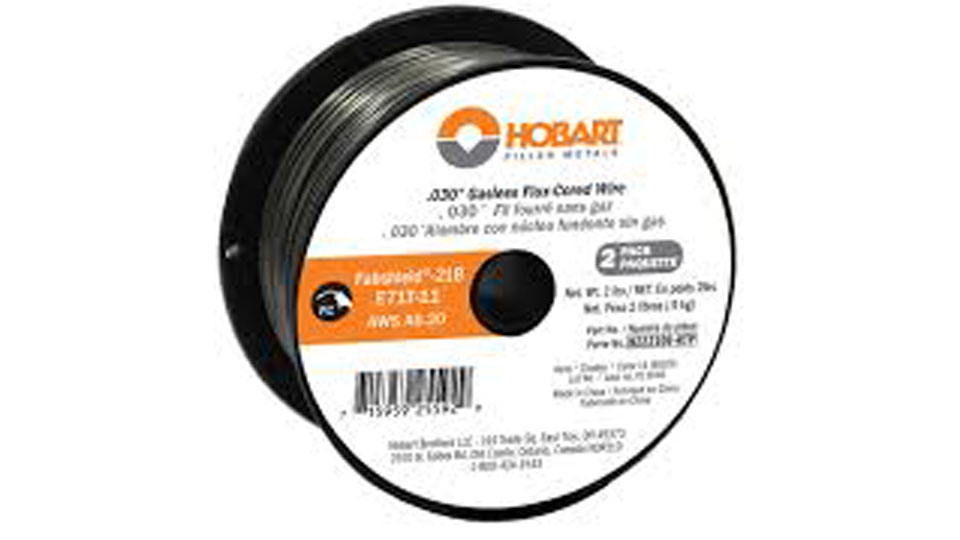
If you’ve ever struggled with repairing household items, cleaning up after small projects, or even tackling bathroom cleaning and stubborn stain removal, you know how important the right tools and techniques are. Low-temperature aluminum welding rods are a game-changer for quick fixes around the home—they let you repair cracks, leaks, or broken aluminum parts without needing a full welding setup.
Many homeowners and renters wonder, “Do I need special equipment?” or “Will this hold up to everyday use?” The good news is that these rods are easy to use, cost-effective, and perfect for DIY repairs, helping you avoid costly replacements. Just like following smart cleaning tips for disinfecting surfaces or keeping your kitchen and bathroom fresh, learning how to use these rods correctly saves time, money, and stress—while ensuring durable, reliable results.

Image by manomano
What Are Low-Temperature Aluminum Welding Rods?
Low-temperature aluminum welding rods are essentially filler materials designed to bond aluminum at lower heats, typically using a propane torch instead of high-powered welders. They’re not true welding rods—they’re more like brazing rods that flow into joints when the base metal gets hot enough.
These rods are made from alloys like zinc-aluminum mixes, which melt around 700°F, while aluminum itself melts at over 1200°F. This low melting point lets you repair thin or delicate aluminum without distortion. I’ve used them on everything from thin sheets to cast aluminum parts.
You’ll find them in packs at places like hardware stores, often branded as easy-melt or flux-cored rods. Some need separate flux, but many are self-fluxing, which simplifies things for beginners.
Why use them? They’re perfect for situations where traditional welding might overheat and weaken the metal. Plus, they’re cost-effective— a pack of 8-20 rods runs cheap compared to setting up a full welding rig.
Why Choose Low-Temp Rods for Aluminum Repairs
Aluminum is tricky to work with because of its oxide layer and high thermal conductivity. Low-temp rods cut through that by requiring less heat, reducing the risk of cracks or warps. In my experience, they shine for non-structural repairs where strength is secondary to getting the job done quick. Think fixing a leak in an aluminum boat or patching a cracked manifold—jobs where TIG would be overkill.
They promote safety too, since lower heats mean less chance of burns or fire hazards in tight spaces. And for material compatibility, they bond well with most aluminum alloys, like 6061 or cast types, without needing special prep beyond cleaning.
Cost-wise, you’re looking at pennies per repair versus hundreds for pro welding services. I once saved a client $200 by brazing a broken bracket instead of replacing it.
How Do Low-Temperature Aluminum Welding Rods Work
These rods work by capillary action—the molten filler flows into the joint as the base metal heats up. The key is heating the aluminum, not the rod directly. The process starts with the oxide layer on aluminum, which the flux (built-in or separate) dissolves. Once clean, the rod melts and bonds, creating a joint stronger than solder but not as robust as a fusion weld.
Use them when you need a quick fix on thin materials or in field repairs without electricity. They’re ideal for hobbyists or students practicing without big investments.
Practical know-how: Test on scrap first. The rod should flow smoothly; if it balls up, your metal isn’t hot enough.
Step-by-Step Guide to Using Low-Temp Aluminum Rods
Let’s walk through this like we’re in the shop. Grab your gear and follow along.
First, gather materials: Low-temp rods, propane torch (MAPP for hotter flame), stainless steel brush, clamps, and safety gear.
Step 1: Clean the surface. Scrub with a stainless brush to remove dirt, oil, and oxide. I’ve skipped this once and watched the rod refuse to stick—big mistake.
Step 2: Fit the joint. For butt joints, bevel edges; for laps, overlap by at least 1/2 inch. Clamp securely.
Step 3: Heat the base metal. Use broad strokes with the torch to evenly heat until the rod starts to melt when touched—around 700°F. Don’t flame the rod directly.
Step 4: Apply the rod. Touch it to the joint; it should flow in. Build up as needed, keeping heat consistent.
Step 5: Cool slowly. Let it air cool to avoid cracks. Then, clean residue with warm water and a brush.
One anecdote: I was repairing a bike frame and overheated one side—warped it slightly. Fix? Reheat gently and straighten while warm.
Best Tools and Equipment for Low-Temp Aluminum Brazing
You don’t need much, but the right tools make a difference.
Torch: A basic propane works for small jobs, but I prefer MAPP gas for faster heating on thicker pieces.
Brush: Stainless steel only—carbon brushes contaminate.
Clamps: Quick-grip types to hold joints tight.
For machine settings, it’s all manual, but aim for a neutral flame on oxy-acetylene if upgrading.
Pro tip: Use a heat sink like copper backing on thin metal to prevent burn-through.
Preparing Aluminum Surfaces for Brazing
Prep is 80% of success. Aluminum oxidizes fast, so clean right before heating.
Use a dedicated stainless brush or sandpaper for rough spots. Degrease with acetone if oily.
For cast aluminum, check for porosity—low-temp rods fill small voids well.
Common mistake: Using a dirty brush. I’ve seen joints fail because of iron particles from a cheap tool. Fix: Get a new, stainless one.
Machine Settings and Torch Tips for Beginners
No welder needed, but torch control is key. Start with low flame and build up.
For 1/8-inch aluminum, heat for 2-3 minutes. Thicker? Up to 5.
Tip: Watch the flux—if it’s powder turning liquid, you’re at temp.
In my shop, I teach newbies to practice on cans first—cheap and forgiving.
Common Mistakes When Using Low-Temp Aluminum Rods and How to Fix Them
Mistake 1: Not enough heat. Rod balls up. Fix: Heat longer, test with rod touch.
Mistake 2: Poor cleaning. Joint won’t bond. Fix: Re-clean and start over.
Mistake 3: Overheating thin metal. Warps or melts. Fix: Use lower flame, add heat sinks.
I once balled up a whole rod on a repair—wasted time. Now, I always preheat evenly.
Mistake 4: Rushing cooling. Cracks form. Fix: Wrap in blanket for slow cool.
Pros and Cons of Low-Temperature Aluminum Welding
Here’s a table to compare:
| Aspect | Pros | Cons |
|---|---|---|
| Cost | Cheap rods and torch setup | May need multiple attempts for strong bonds |
| Ease | Beginner-friendly, no electricity | Requires practice for clean joints |
| Strength | Good for non-structural | Not as strong as TIG welds |
| Versatility | Works on thin, cast aluminum | Limited to low-stress applications |
| Heat Control | Low distortion | Can overheat if not careful |
In pros, the low cost and portability win for field work. Cons? Don’t use for load-bearing parts.
Safety Considerations When Brazing Aluminum
Safety first—aluminum fumes aren’t fun.
Wear gloves, goggles, and a respirator. Work in ventilated areas.
Watch for hot spots; aluminum conducts heat fast, burning skin easily.
Fire watch: Have an extinguisher handy, especially with propane.
In codes, follow AWS guidelines for brazing—ensure joints meet strength needs for your application.
I burned my hand early on by grabbing a “cool” piece—now I use tongs.
Filler Compatibility and Rod Types for Different Aluminum Alloys
Match rods to your aluminum. For 6061, zinc-aluminum rods work great.
Flux-cored are easiest—no extra flux.
For cast, choose rods claiming casting compatibility.
Suggestions: Harbor Freight Alumiweld for budget, Bernzomatic for reliability.
Test compatibility on scrap—some alloys resist bonding.
Joint Preparation Techniques for Strong Bonds
Bevel edges for butts, creating a V-groove for filler.
For T-joints, file a fillet area.
Clean to shiny metal; oxide reforms quick, so heat soon after.
Tip: For gaps, use more rod to bridge, but keep under 1/16 inch.
I prepped a boat patch poorly once—leaked. Re-did with bevel, perfect seal.
Real-World Applications for DIY and Pro Welders
These rods excel in auto repairs, like fixing cracked blocks or radiators.
For hobbyists, great for custom bike parts or lawn equipment.
Students: Practice brazing before TIG.
Industrial: Quick fixes on non-critical machinery.
Example: I brazed a trailer hitch bracket—held for years under light loads.
In US shops, they align with OSHA safety for low-heat work.
Troubleshooting Weak Joints in Aluminum Brazing
If joint cracks: Likely fast cooling. Reheat and slow cool.
Porous bond: Poor cleaning. Grind out and re-braze.
Rod not flowing: Increase heat gradually.
Anecdote: Client’s repair failed from dirt—showed him cleaning, fixed it solid.
Comparing Low-Temp Rods to TIG and MIG for Aluminum
Table time:
| Method | Heat Level | Equipment Cost | Strength | Best For |
|---|---|---|---|---|
| Low-Temp Brazing | Low (700°F) | Low | Medium | Repairs, thin metal |
| TIG Welding | High | High | High | Structural, precision |
| MIG Welding | Medium-High | Medium | High | Production, thicker |
Low-temp wins for quick, cheap fixes; TIG for pros needing ultimate integrity.
Advanced Tips for Clean, Professional-Looking Joints
For shine, grind lightly post-cool, then polish.
Build layers for thicker joints—heat between.
Use oxy-acetylene for big jobs; hotter but controllable.
Pro tip: Tin both sides first for tough joints.
I’ve turned messy repairs into seamless with practice.
Conclusion: Master Low-Temp Aluminum Welding with Ease
Wrapping this up, low-temperature aluminum welding rods are your go-to for affordable, effective aluminum repairs without the hassle of heavy equipment. We’ve covered what they are, how they work, step-by-step usage, tools, prep, mistakes, pros/cons, safety, and real applications.
You’re now ready to pick the right rod—flux-cored for simplicity—and tackle projects with confidence, whether it’s a quick DIY fix or a shop job. These techniques save time, money, and frustration while keeping your welds safe and strong. Grab some rods, fire up that torch, and get bonding—you’ll wonder why you waited.=
FAQ
Do low-temperature aluminum welding rods really work?
Yes, they work well for non-structural repairs like patching holes or joining thin aluminum, but they’re more like brazing than true welding. With proper cleaning and heating, you get reliable bonds.
What temperature do low-temp aluminum rods melt at?
Most melt around 700-750°F, much lower than aluminum’s 1200°F melting point, allowing repairs without distorting the base metal.
Can you use a propane torch for aluminum brazing rods?
Absolutely, a standard propane torch is sufficient for small jobs, though MAPP gas heats faster for thicker materials.
Are low-temp aluminum rods strong enough for structural use?
No, they’re best for low-stress applications; for load-bearing parts, opt for TIG or MIG welding for superior strength.
How do you clean aluminum before using brazing rods?
Scrub with a stainless steel brush to remove oxide and dirt, then degrease if needed—do this right before heating for best results.