
When it comes to bonding metal, choosing the right adhesive is crucial. If you’re working on a DIY project, fixing a broken metal piece, or creating something from scratch, the type of glue you use can determine the strength and durability of the bond.
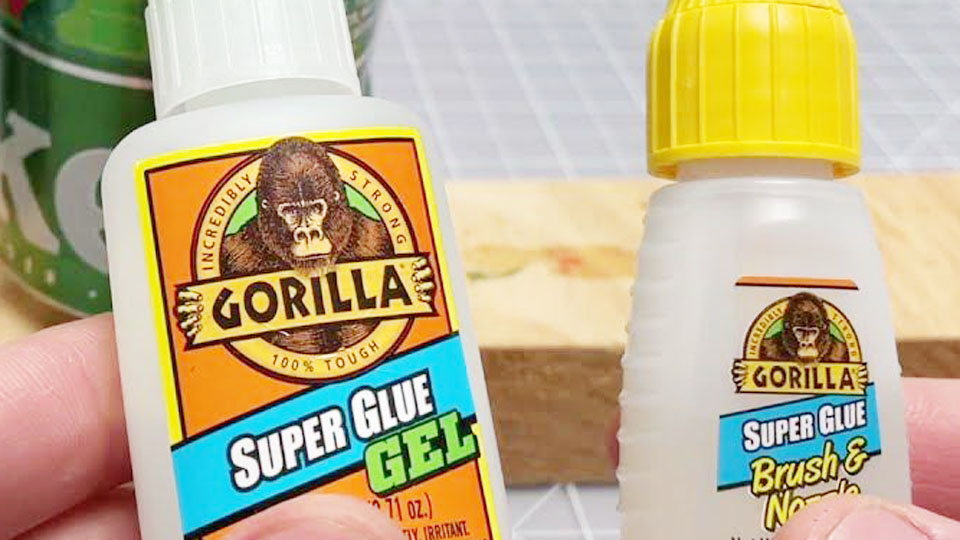
Image by HelpAtMyHome, YT
Two of the most common adhesives for metal are epoxy and super glue. Both have their advantages, but they work in different ways and are suited for different applications. I’ve used both in various projects, and I can tell you that picking the right one can save you time and frustration.
So, which one is better for bonding metal? It depends on what you’re trying to achieve. Let’s break it down so you can make the best choice for your needs.
Understanding Epoxy and Super Glue
Before deciding which one to use, it’s important to understand how epoxy and super glue work. They are both strong adhesives, but their chemical composition and bonding methods are different.
What is Epoxy?
Epoxy is a two-part adhesive consisting of a resin and a hardener. When these two components are mixed, they create a chemical reaction that forms a strong, durable bond.
Epoxy takes longer to cure compared to super glue, but once it fully hardens, it provides superior strength, heat resistance, and water resistance.
Why Use Epoxy for Metal?
- Forms a high-strength bond
- Resistant to heat and chemicals
- Waterproof and weatherproof
- Fills gaps and can be used as a sealant
- Can be sanded and painted once cured
Epoxy is ideal for applications where you need maximum strength and durability. It’s commonly used in automotive repairs, metal construction, and industrial projects.
What is Super Glue?
Super glue, also known as cyanoacrylate adhesive, is a fast-drying, single-component glue that forms an instant bond when it comes into contact with moisture in the air. It’s excellent for small repairs and projects that don’t require heavy-duty strength.
Why Use Super Glue for Metal?
- Dries almost instantly
- Easy to apply with no mixing required
- Works well for small, quick fixes
- Bonds metal to other materials like plastic, rubber, and ceramics
- Clear drying for a clean appearance
Super glue is perfect for lightweight applications, like fixing small metal parts, repairing jewelry, or bonding metal to other materials.
Differences Between Epoxy and Super Glue for Metal
Now that we know the basics of both adhesives, let’s compare them based on different factors.
| Feature | Epoxy | Super Glue |
|---|---|---|
| Bond Strength | Stronger, long-lasting | Weaker, brittle over time |
| Drying Time | Takes hours to fully cure | Bonds in seconds |
| Durability | Highly durable, resists impact and vibration | Less durable, may crack under stress |
| Heat Resistance | Can withstand high temperatures | Breaks down with heat |
| Water Resistance | Fully waterproof | Somewhat resistant, but weakens over time |
| Gap Filling | Fills gaps and irregular surfaces | Works best on tight-fitting surfaces |
| Ease of Use | Requires mixing, longer application time | Easy, one-step application |
| Flexibility | Can handle some movement and stress | Becomes rigid and can crack |
When to Use Epoxy for Metal
Epoxy is the best choice when you need a strong, permanent bond that can withstand harsh conditions. If you’re working on a project that requires heat resistance, water resistance, or durability, epoxy is the way to go.
Some of the best applications for epoxy include:
- Automotive repairs (fixing engine parts, radiators, and exhaust systems)
- Metal construction and fabrication
- Industrial applications that require extreme strength
- Outdoor metal projects exposed to rain, sun, or temperature changes
- Filling gaps in rough or uneven metal surfaces
If you don’t mind the longer curing time and need a bond that will last, epoxy is your best bet.
When to Use Super Glue for Metal
Super glue is ideal when you need a quick fix and don’t require industrial-level strength. If you’re working on small metal parts or bonding metal to other materials like plastic or rubber, super glue can get the job done fast.
Use super glue for:
- Jewelry repairs (reattaching small metal pieces)
- Small home repairs (fixing broken metal handles, tools, or decor)
- Craft projects that involve metal
- Attaching metal to plastic, rubber, or glass
- Emergency fixes where time is limited
Just keep in mind that super glue doesn’t hold up well under stress, heat, or long-term exposure to moisture.
How to Apply Epoxy and Super Glue to Metal
Using the adhesive correctly is just as important as choosing the right one. Let’s go over how to apply both properly.
Applying Epoxy to Metal
- Prepare the Surface – Clean the metal thoroughly with alcohol or sandpaper to remove rust, dirt, and grease.
- Mix the Epoxy – Combine equal parts of the resin and hardener according to the instructions.
- Apply the Epoxy – Use a spatula or applicator to spread the mixture evenly over the surface.
- Clamp the Pieces – Hold the metal pieces together with clamps or heavy objects until the epoxy cures.
- Allow Time to Cure – Let the epoxy set for several hours to overnight before using the bonded metal.
Applying Super Glue to Metal
- Clean the Surface – Wipe the metal with alcohol to remove any dirt or oil.
- Apply a Small Amount – Use a thin layer of super glue; too much can weaken the bond.
- Press and Hold – Firmly press the metal pieces together for 30-60 seconds.
- Let It Set – Allow at least 10 minutes for a basic bond and up to 24 hours for full strength.
Can You Use Epoxy and Super Glue Together?
While both adhesives serve different purposes, you shouldn’t mix them. The curing process of epoxy is slower and requires a chemical reaction, whereas super glue dries almost instantly. Using them together can lead to an uneven or weak bond.
You can use them separately for different parts of a project. For example, super glue can hold small parts in place temporarily while the epoxy fully cures.
Which One is Best for You?
If you need maximum strength and durability, go with epoxy. It’s perfect for large, heavy-duty metal bonding jobs that require resistance to heat, chemicals, and weather conditions.
If you need a fast, easy solution for small metal repairs, super glue is a great choice. It works well for quick fixes and light-duty applications.
Conclusion
Choosing between epoxy and super glue for metal depends on your project. Epoxy is stronger and more durable, making it ideal for tough repairs and long-lasting bonds. Super glue is faster and more convenient, great for small and quick fixes.
Understanding the strengths and weaknesses of both adhesives will help you get the best results. If your project requires strength and longevity, epoxy is the way to go. If you’re in a hurry and just need a temporary or small fix, super glue is your friend.
FAQs
Which glue is the strongest for metal?
Epoxy is the strongest adhesive for metal, providing high strength, durability, and resistance to heat and chemicals.
Can super glue bond metal to metal?
Yes, but only for small, lightweight repairs. Super glue doesn’t hold up well under heavy stress.
Is epoxy waterproof?
Yes, epoxy is fully waterproof and can be used for outdoor and marine applications.
Does super glue work on stainless steel?
It can, but the bond may weaken over time. Epoxy is a better choice for stainless steel.
How long does epoxy take to cure?
Most epoxies take 4-24 hours to fully cure, depending on the brand and conditions.


