
I’m excited to dive into this with you because it’s a fascinating tool that’s super useful in geotechnical engineering, especially when you’re working on projects tied to welding or construction. When I first came across a shear vane in my early days working on construction sites, I was amazed at how something so simple could tell us so much about the ground we were building on.
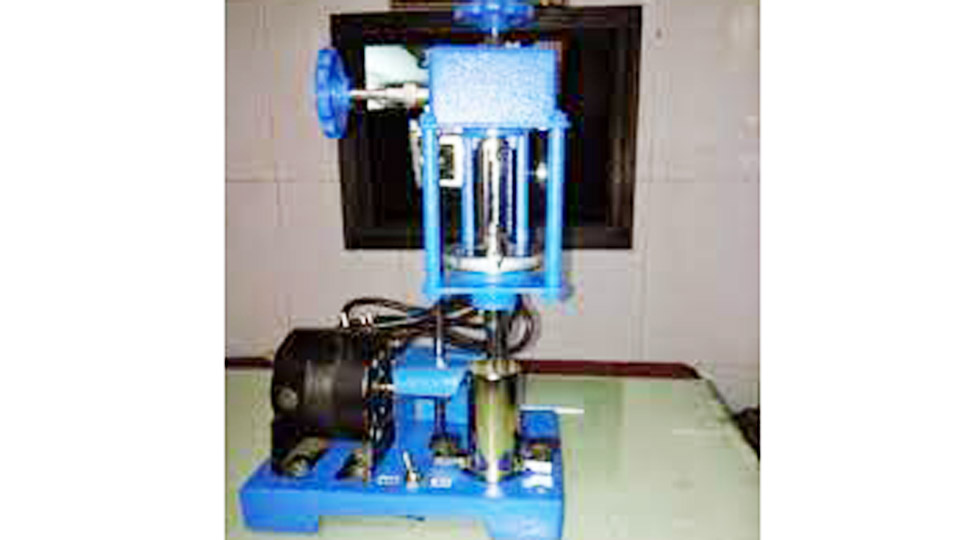
Photo byindiamart
I’ve used shear vanes on various projects, from checking soil for a welded foundation to ensuring stability for heavy equipment. Let’s sit down together, and I’ll walk you through how a shear vane works, why it’s important, and how it fits into welding-related projects.
What Is a Shear Vane?
A shear vane is a handheld tool used to measure the shear strength of soil, especially soft, cohesive soils like clay. Shear strength is how much force the soil can handle before it starts to slide or fail. This is critical when you’re building something like a welded steel structure, because the ground needs to support the weight.
The tool itself is pretty straightforward. It has a rod with four blades, called vanes, arranged in a cross shape at the bottom. You push it into the soil, rotate it, and measure how much force it takes to make the soil give way. I remember my first time using one—it felt like twisting a key in a lock, but instead of opening a door, you’re unlocking secrets about the soil’s strength.
Why Shear Vane Testing Matters
When you’re welding parts for a foundation, bridge, or heavy machinery, the soil underneath has to be stable. If it’s too weak, your perfectly welded structure could sink or shift. That’s where the shear vane comes in. It gives you a quick, reliable way to check if the soil can handle the load.
I’ve seen projects go wrong because nobody tested the soil properly. One time, a crew I worked with skipped shear testing, and their welded supports started tilting because the clay was too soft. Shear vane testing helps avoid those costly mistakes by telling you if the ground is solid enough for your welds to hold up.
Basic Components of a Shear Vane
Let’s break down what makes up a shear vane. Knowing the parts helps you understand how it works. The main pieces are:
- Vanes: Four blades at the end of a rod, usually arranged in a cross. They’re typically stainless steel and come in different sizes, like 19mm or 33mm wide.
- Rod: A sturdy steel rod connects the vanes to the handle. It’s what you push into the soil and rotate.
- Torque Gauge: A dial or digital gauge at the top measures the force you apply when rotating the vanes. It shows the torque in units like kiloNewtons per square meter.
- Handle: This is where you grip and turn. Some models have a spring-loaded disc for precise measurements.
When I first held a shear vane, I was surprised at how compact it was. It’s light enough to carry in a case but tough enough to handle heavy clay. Some kits even come with extra vanes or extension rods for deeper testing.
How a Shear Vane Operates
So, how does this thing actually work? It’s pretty simple, but there’s a knack to it. Here’s the step-by-step process I follow when using a shear vane:
First, I push the vanes into the soil until they’re fully buried. You want them deep enough to test the soil you care about, usually about 500mm for field tests. I make sure to push straight down to avoid disturbing the soil.
Next, I rotate the handle slowly, usually at a rate of 6 to 12 degrees per minute. This twists the vanes, which shear the soil along a cylindrical surface. The torque gauge shows how much force it takes to make the soil fail. When the soil gives way, the gauge holds the maximum reading, which tells you the shear strength.
Finally, I sometimes rotate the vanes a few more times to “remould” the soil and test its strength again. This shows how sensitive the soil is to disturbance, which is key for construction projects.
I remember my first shear vane test—it took a few tries to get the rotation smooth. But once I got the hang of it, it was like second nature.
Types of Shear Vane Tests
There are two main ways to use a shear vane: in the field or in the lab. Each has its own quirks, and I’ve done both depending on the project.
Field Testing
This is the most common. You take the shear vane to the site, push it into the ground, and test the soil right there. It’s quick and gives you real-time data. I’ve used field testing for welded foundation projects to make sure the soil could support the structure.
Laboratory Testing
You take an undisturbed soil sample to the lab and test it with a shear vane. This is less common but useful when you need precise control. I’ve done lab tests for high-stakes projects where we needed exact numbers.
Field testing is my go-to because it’s fast and practical. But lab testing is great when you’re dealing with sensitive soils or need to double-check results.
Choosing the Right Vane Size
Shear vanes come with different vane sizes, and picking the right one matters. Smaller vanes, like 19mm wide, are for stronger soils with shear strengths up to 100 kPa. Larger vanes, like 33mm or 50mm, are for softer soils with lower strengths.
I learned this the hard way early on. I used a small vane on soft clay, and the readings were off because the vane was too small to get a good grip. Now, I always check the soil’s texture first. If it’s squishy and wet, I go for a bigger vane. For firmer clay, a smaller one works better.
Here’s a quick guide:
| Vane Size | Shear Strength Range | Best For |
|---|---|---|
| 19mm x 38mm | Up to 100 kPa | Stiffer clays |
| 33mm x 66mm | Up to 50 kPa | Soft to medium clays |
| 50mm x 100mm | Up to 25 kPa | Very soft, saturated clays |
Setting Up for a Shear Vane Test
Preparation is key to getting good results. Before I start, I make sure the site is clear and accessible. If I’m testing in a borehole or trench, I check that it’s safe to work in. For lab tests, I prepare an undisturbed soil sample, usually in a tube about 75mm long.
I also calibrate the shear vane to make sure the gauge is accurate. Some kits come with a “dummy” vane to test for friction in the rods, which can mess up readings. I learned to double-check this after getting weird results on a job—turns out, the rod was sticking slightly.
Finally, I pick a rotation speed. Standards like ASTM suggest 0.1 degrees per second for accurate results. I stick to this for most tests to keep things consistent.
Measuring Shear Strength
Once the vane is in the soil, the real magic happens. As I rotate the handle, the vanes shear a cylindrical section of soil. The torque gauge shows the force needed to do this, which is converted into shear strength, usually in kiloNewtons per square meter (kPa).
The formula for shear strength is based on the vane’s dimensions and the torque. It’s a bit technical, but basically, the bigger the vane and the more torque it takes, the stronger the soil. I don’t worry about the math too much—I trust the gauge’s scale, which is calibrated to give me the strength directly.
One time, I tested a clay layer that seemed firm but failed at just 20 kPa. That told us we needed to reinforce the foundation before welding the supports. The shear vane saved us from a big mistake.
Factors That Affect Shear Vane Results
Not every test goes perfectly. Here are some things I’ve learned that can mess with your results:
- Soil Type: Shear vanes work best on soft, cohesive clays. If the soil has sand or silt, the results can be off because the vanes don’t shear cleanly.
- Disturbance: Pushing the vane in too roughly can weaken the soil and give lower readings. I always insert it gently.
- Rotation Speed: Turning too fast can overestimate strength. I stick to the recommended 6-12 degrees per minute.
- Operator Skill: It takes practice to rotate smoothly. My first tests were jerky, and the readings weren’t great. Practice makes a big difference.
Applications in Welding and Construction
Shear vane testing is a lifesaver for welding projects. When you’re welding steel for a foundation, pipeline, or structural support, the soil’s strength determines if your work will hold up. I’ve used shear vanes to check soil for:
- Building Foundations: Ensuring the ground can support welded steel beams or columns.
- Pipelines: Checking if the soil will hold welded pipe supports in place.
- Trench Safety: Making sure trench walls won’t collapse during welding work.
- Heavy Equipment Bases: Confirming the soil can handle the weight of machines with welded frames.
One project I worked on involved welding supports for a water tank. The shear vane showed the clay was too soft, so we added extra reinforcement before welding. It saved us from a sinking tank.
Advantages of Shear Vane Testing
Why do I love using a shear vane? It’s got some big benefits:
- Quick and Easy: You can do a test in minutes, right on-site. No waiting for lab results.
- Portable: The tool fits in a small case, so I can carry it anywhere.
- Cost-Effective: It’s cheaper than other tests like triaxial compression.
- Minimal Disturbance: The vane tests the soil without digging it up, keeping it intact.
I once finished a dozen tests in an afternoon, giving us the data we needed to start welding the next day. That speed is hard to beat.
Limitations to Watch For
Shear vanes aren’t perfect. They work best on soft, saturated clays. If the soil has sand, gravel, or roots, the results can be unreliable because the vanes don’t shear a clean cylinder. I made this mistake once on a sandy clay site, and the readings were all over the place.
They’re also less accurate for very strong soils or deep layers. For those, you might need other tests like a cone penetrometer. And the results depend on how steady you rotate—too fast or too jerky, and you’ll get bad data. I always take my time to avoid this.
Safety Tips for Using a Shear Vane
Safety is a big deal when using a shear vane, especially in the field. Here’s what I do to stay safe:
- Wear PPE: Gloves, safety glasses, and sturdy boots protect you from soil or equipment mishaps.
- Check the Site: Make sure trenches or boreholes are stable before testing. I’ve seen loose soil collapse, and it’s not fun.
- Handle with Care: The vanes are sharp, so I’m careful when inserting or cleaning them.
- Follow Instructions: Each shear vane comes with a manual. I read it to make sure I’m using the right settings and techniques.
One time, I tested in a trench without checking the walls, and a small chunk of soil fell near me. Now, I always inspect the site first.
Maintaining Your Shear Vane
To keep your shear vane working well, you need to take care of it. I clean the vanes after every use to remove soil and prevent rust. Stainless steel vanes are tough, but they can still corrode if neglected. I also check the torque gauge for accuracy and calibrate it if needed.
Storing it in its case keeps it safe from damage. I once left a shear vane in my truck bed, and it got banged up. Now, I always store it properly. Regular maintenance means your shear vane will last for years.
Practical Tips from Experience
Here are some tricks I’ve learned over the years:
- Practice Rotation: Get a feel for the handle’s resistance on scrap soil before testing for real.
- Use the Right Vane: Match the vane size to the soil’s texture to get accurate readings.
- Log Your Data: Write down torque readings and soil conditions for each test. It helps spot patterns.
- Test Multiple Spots: Soil can vary across a site. I do several tests to get a complete picture.
Conclusion
Using a shear vane might seem simple, but it’s a powerful tool that can make or break your welding projects. By measuring the shear strength of soil, it ensures the ground is ready to support your welded structures, from foundations to pipelines.
I’ve relied on shear vanes for years, and they’ve saved me from costly mistakes by catching weak soils before they cause problems. With a little practice, the right vane size, and careful technique, you can master this tool and build with confidence. So, grab a shear vane, head to your site, and let’s make sure your next weld sits on solid ground!
FAQs
What does a shear vane measure?
It measures the shear strength of soft, cohesive soils like clay, showing how much force the soil can take before failing.
Can I use a shear vane on sandy soil?
No, shear vanes work best on soft, saturated clays. Sand or gravel messes up the results because it doesn’t shear cleanly.
How deep should I insert the shear vane?
Usually about 500mm for field tests, but it depends on the project. Make sure the vanes are fully buried in the soil you’re testing.
Why is rotation speed important?
Rotating too fast can overestimate the soil’s strength. Stick to 6-12 degrees per minute for accurate results.
Do I need special training to use a shear vane?
Basic training helps, but it’s user-friendly. Practice rotating smoothly and follow the manual for best results.
Can shear vane tests be done in a lab?
Yes, you can test undisturbed soil samples in a lab, but field testing is more common and practical.
How do I know if my shear vane is accurate?
Calibrate it regularly and use a dummy vane to check for rod friction. Clean it after every use to keep it in top shape.


