I’m excited to dive into this with you because it’s a question that pops up a lot in the welding world, and it’s one I’ve explored through years of hands-on work. As a welder, I’ve spent countless hours joining metals with everything from a torch to a soldering iron, and each method has its own magic.
Brazing, soldering, and fusion welding all get the job done, but they’re like different tools in your toolbox—each has its own strengths. I’ll walk you through what I’ve learned about these processes, how they work, and why they’re different.
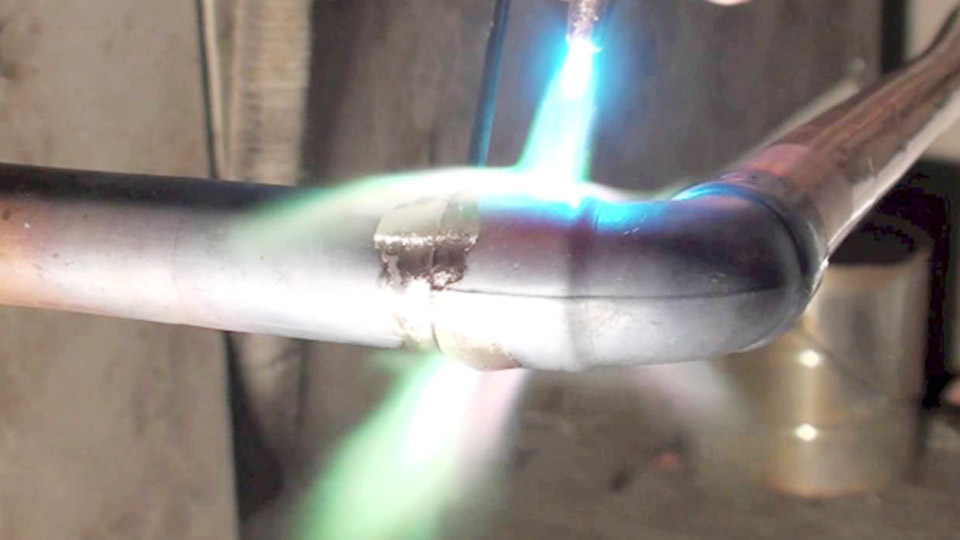
Photo by diydoctor
What Is Fusion Welding?
Fusion welding is what most people think of when they hear “welding.” It’s a process where you use intense heat to melt the base metals and, often, a filler metal to join them together. The melted metals mix and cool to form a strong, permanent bond. Common fusion-welding methods include stick welding, MIG (metal inert gas), TIG (tungsten inert gas), and oxy-acetylene welding.
I’ve spent a lot of time with fusion welding, especially MIG, in my shop. It’s like sculpting with molten metal—you get a solid joint that’s as strong as the base material. But the high heat can be a challenge, and that’s where brazing and soldering come into play.
What Is Brazing?
Brazing is a joining process that uses a filler metal with a melting point above 840°F (450°C) but below the melting point of the base metals. You heat the base metals, and the filler flows into the joint by capillary action, creating a strong bond without melting the base materials.
I remember my first brazing job, working on a copper pipe. I used a torch to heat the joint, and the filler metal—a bronze rod—flowed smoothly into the gap. It was so satisfying to see the bond form without warping the pipe. Brazing is great when you want strength without the intense heat of fusion welding.
What Is Soldering?
Soldering is similar to brazing but uses a filler metal with a lower melting point, typically below 840°F (450°C). You heat the base metals just enough for the solder—often a tin-lead or tin-silver alloy—to melt and flow into the joint. Like brazing, it doesn’t melt the base metals.
I’ve done a lot of soldering on electronics, like circuit boards. It’s delicate work, using a soldering iron to join tiny wires without damaging them. Soldering is perfect for precision jobs where you can’t risk high heat. It’s less about strength and more about creating a reliable connection.
Differences in Process
The biggest difference between brazing, soldering, and fusion welding is how they use heat and whether the base metals melt. In fusion welding, you melt the base metals and often add a filler to create a weld pool that solidifies into a joint. It’s a hot, intense process. Brazing and soldering, on the other hand, keep the base metals solid and rely on a filler to bond them.
I’ve noticed fusion welding feels like forging a new piece of metal, while brazing and soldering are more like gluing with molten filler. The lower temperatures in brazing and soldering make them gentler on the materials, but fusion welding gives you unmatched strength for heavy-duty jobs.
Heat Requirements
Heat is where these processes really set themselves apart. Fusion welding requires high temperatures—often thousands of degrees Fahrenheit—to melt metals like steel or aluminum. For example, MIG welding can hit 10,000°F at the arc. This heat is great for strong joints but can warp or weaken thin materials.
Brazing uses moderate heat, usually between 1,100°F and 1,500°F, depending on the filler. I’ve brazed copper with a propane torch, keeping the heat just high enough to melt the filler but not the pipe.
Soldering is the coolest of the bunch, often needing only 400-700°F. I use a soldering iron at 600°F for electronics, and it’s gentle enough to avoid frying delicate components.
Strength of the Joint
The strength of the joint is another big difference. Fusion welds are incredibly strong because the base metals fuse together. I’ve welded steel beams with MIG that held up under tons of weight. These joints are as tough as the original metal, making them ideal for structural work.
Brazed joints are strong, too, but not quite as robust as fusion welds. The filler metal creates a bond that’s great for pipes or bike frames, but it relies on the filler’s strength. I’ve brazed brass fittings that held tight under pressure, but they wouldn’t match a welded steel joint.
Soldered joints are the weakest, designed for low-stress applications like electronics or plumbing. I’ve soldered copper pipes that handled water flow fine but wouldn’t take heavy mechanical stress.
Materials You Can Join
Each process works with different materials, which is key when choosing one. Fusion welding is versatile—I’ve used it on steel, stainless steel, aluminum, and even cast iron with the right setup. It’s perfect for metals that can handle high heat.
Brazing works well with dissimilar metals, like copper to steel or brass to stainless. I’ve brazed copper tubing to steel fittings for HVAC systems, and the joint was solid. Soldering is best for copper, brass, or electronics-grade metals like tin-plated wires. I’ve soldered circuit boards with tin-lead solder, but it’s not suited for heavy metals like steel.
Here’s a table to sum it up:
| Process | Materials | Examples |
|---|---|---|
| Fusion Welding | Steel, aluminum, stainless, cast iron | Beams, car frames, pipelines |
| Brazing | Copper, brass, steel, dissimilar metals | HVAC pipes, bike frames, fittings |
| Soldering | Copper, brass, electronics-grade metals | Circuit boards, plumbing, jewelry |
Equipment Needed
The tools for each process are quite different. Fusion welding needs serious gear. For MIG welding, I use a welder, shielding gas, wire feeder, and a helmet with a dark lens. Stick welding requires an electrode holder and rods, while TIG needs a torch and tungsten electrodes. It’s a big setup, but it’s worth it for heavy jobs.
Brazing is simpler. I use a propane or oxy-acetylene torch, brazing rods, and flux to clean the joint. It’s portable and doesn’t need electricity, which is great for field work. Soldering is the lightest—my soldering iron, solder wire, and a small stand are all I need for electronics. I’ve carried my soldering kit in a backpack for quick repairs.
Skill Level Required
Fusion welding takes practice to master. You need a steady hand to control the arc and avoid defects like porosity or cracks. I spent months learning TIG welding to get smooth, clean beads on aluminum. It’s rewarding but challenging.
Brazing is easier to pick up. You focus on heating the joint evenly and letting the filler flow. I taught a friend to braze copper pipes in a weekend, and he was confident by the end. Soldering is the simplest, especially for small jobs. I started soldering as a teenager, and it felt like an art form—precise but approachable. Still, all three need practice for professional results.
Preparation and Cleanup
Preparation varies by process, but it’s always critical. For fusion welding, I clean the metal with a wire brush or grinder to remove rust or grease. I also bevel thick edges to ensure good penetration. After welding, I chip off slag (for stick) and grind the bead if it’s rough.
Brazing requires cleaning the joint with a brush and applying flux to remove oxides. I’ve learned to heat the flux until it bubbles, then add the filler. Cleanup involves brushing off excess flux and sometimes polishing. Soldering needs clean surfaces too—I wipe with alcohol and apply flux or use flux-core solder. Cleanup is minimal, often just wiping off flux residue.
I once skipped cleaning before brazing, and the filler didn’t flow right. I’m religious about prep—it makes or breaks the joint.
Applications in Welding Projects
Each process shines in different projects. Fusion welding is my go-to for heavy construction, like welding steel frames or pipelines. I’ve used MIG to build trailers that take a beating and keep going. It’s also common in automotive repair, like welding exhaust systems or chassis parts.
Brazing is great for plumbing and HVAC. I’ve brazed copper pipes for water lines and steel joints for refrigeration units. It’s also used in jewelry-making and bicycle frame construction for its clean look. Soldering dominates electronics—think circuit boards or wiring. I’ve also soldered copper plumbing for small repairs and even made tin ornaments for fun. Each method fits its niche perfectly.
Cost Considerations
Cost is a big factor. Fusion welding can be pricey upfront. A good MIG welder might cost $500-$2,500, plus gas and consumables like wire or rods. Stick welding is cheaper, but electrodes add up. I’ve spent a chunk on TIG gear, but it’s worth it for precision work.
Brazing is more affordable. A propane torch kit costs $20-$100, and brazing rods are inexpensive. I’ve brazed on a budget with just a handheld torch. Soldering is the cheapest—my soldering iron was $15, and solder wire lasts forever for small jobs. If you’re just starting out, soldering or brazing is easier on your wallet.
Advantages of Each Process
Fusion welding’s strength is its biggest advantage. It creates joints that can handle heavy loads, like bridges or machinery. I’ve welded steel supports that held up for years. It’s also versatile, working with many metals and thicknesses.
Brazing’s strength lies in joining dissimilar metals and avoiding distortion. I’ve brazed copper to steel without warping either metal, which fusion welding might ruin. It’s also portable—no need for bulky welders. Soldering excels at delicate work. I’ve soldered tiny wires on a circuit board that would’ve melted under a welding arc. It’s quick and doesn’t damage sensitive materials.
Limitations to Watch For
Fusion welding’s high heat can be a drawback. It warps thin metals or weakens heat-sensitive alloys. I’ve distorted aluminum sheets by welding too hot. It also needs more skill and equipment, which can be a barrier.
Brazing isn’t as strong as fusion welding, so it’s not ideal for structural joints. I wouldn’t braze a load-bearing beam. It also requires clean surfaces—dirt or oil ruins the bond.
Soldering is even weaker, unsuitable for anything needing mechanical strength. I’ve seen soldered plumbing fail under high pressure. It’s also limited to specific metals like copper or brass.
Safety Considerations
Safety is crucial for all three processes. Fusion welding creates bright arcs and sparks, so I wear a welding helmet (shade 10-12), gloves, and a flame-resistant jacket. Fumes from molten metal are toxic, so I use a fume extractor or ventilate my shop.
Brazing involves open flames, so I keep a fire extinguisher nearby and clear flammable materials. I wear shaded safety glasses and gloves to protect against burns.
Soldering seems safer, but the fumes from flux or lead solder are harmful. I solder in a well-ventilated area and use lead-free solder for plumbing. I once got a headache from soldering fumes, so now I’m extra careful.
Tips from My Experience
Here’s what I’ve learned to make these processes work smoothly:
- Practice Fusion Welding: Spend time on scrap metal to master your arc control. It’s worth the effort for strong welds.
- Clean for Brazing: Scrub joints thoroughly and use flux generously. A clean surface ensures the filler flows right.
- Be Precise with Soldering: Use a fine-tip iron for electronics and avoid overheating. I’ve ruined a circuit board by lingering too long.
- Match the Process to the Job: Don’t braze a bridge or weld a circuit board. Pick the right tool for the task.
- Stay Safe: Always wear PPE and ventilate your workspace. It’s easy to get careless, but safety saves you trouble.
These tips come from years of trial and error, and they’ve made my work cleaner and safer.
When to Choose Each Process
Choosing the right process depends on your project. I use fusion welding for heavy-duty jobs like structural steel or car repairs. It’s my choice when strength is non-negotiable. Brazing is perfect for plumbing, HVAC, or joining dissimilar metals.
I’ve brazed copper pipes for water lines because it’s quick and reliable. Soldering is my go-to for electronics or small plumbing fixes. I’ve soldered wires for a car stereo and copper fittings for a sink.
Think about your material, joint strength, and equipment. If you’re unsure, I start with the least invasive method—soldering or brazing—before jumping to fusion welding.
Conclusion
Brazing, soldering, and fusion welding are like three different paths to the same goal—joining metals—but they each have their own flavor. Fusion welding brings raw power, melting metals for unbreakable bonds, while brazing and soldering offer finesse, using lower heat to create clean, precise joints. I’ve used all three in my shop, from welding steel frames to soldering circuit boards, and each one has taught me something new about working with metal.
Understanding their differences means you can pick the right tool for your project, whether it’s a heavy-duty repair or a delicate fix. Grab your torch or iron, think about your materials, and let’s create something strong and lasting together!
FAQs
What’s the main difference between brazing and fusion welding?
Fusion welding melts the base metals to form a joint, while brazing uses a filler metal that flows into the joint without melting the base metals.
Is soldering stronger than brazing?
No, brazing creates stronger joints than soldering because it uses higher temperatures and tougher filler metals. Soldering is best for low-stress jobs.
Can I use fusion welding for electronics?
No, fusion welding’s high heat would damage delicate electronics. Soldering is the best choice for circuit boards or wires.
What metals can I braze?
You can braze copper, brass, steel, stainless steel, and dissimilar metals. It’s great for joining different materials.
Is fusion welding safe for thin metals?
It can be, but high heat risks warping or burning through. Brazing or soldering is often better for thin materials.
Do I need special equipment for soldering?
A soldering iron, solder wire, and flux are enough for most jobs. It’s simple and affordable compared to welding gear.
Which process is cheapest for a beginner?
Soldering is the cheapest, with basic kits costing $15-$50. Brazing and fusion welding require more expensive tools like torches or welders.