Aluminum TIG welding can go sideways fast if the tungsten isn’t prepared properly. I’ve seen arcs wander, puddles get messy, and welds lose their clean look—all because the tungsten tip wasn’t shaped the right way. That’s why knowing how to ball tungsten for aluminum TIG welding is such an important step before striking the arc.
When welding aluminum with AC TIG, the tungsten often needs a small, controlled ball at the tip. That rounded end helps stabilize the arc and handle the alternating current without breaking down the electrode. If the ball is too large or uneven, though, you’ll end up fighting arc instability and poor weld control.
I’ll walk through the practical steps for forming the correct tungsten ball, the machine settings that help shape it properly, and a few shop-tested tips that keep the arc steady while welding aluminum.
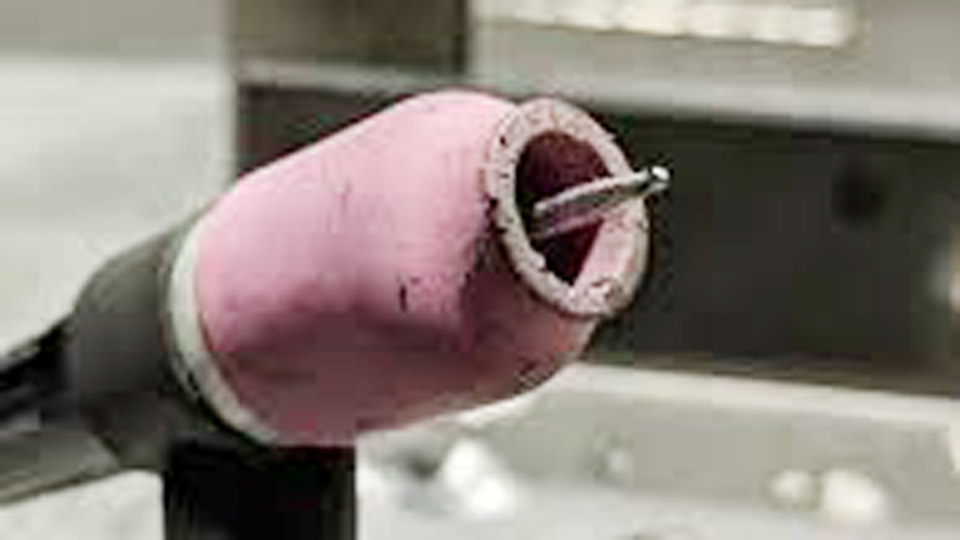
Image Aluminum Tig welding
What Exactly Is Balling Tungsten and Why Bother with It for Aluminum?
Balling tungsten refers to shaping the end of your electrode into a smooth, spherical tip instead of leaving it pointed. In TIG welding, especially on aluminum, we use AC because it cleans the oxide layer while providing penetration. But AC flips the polarity, and a sharp tip can’t handle the electron flow reversal without eroding fast.
How does it work? When you strike an arc on a scrap piece with the right settings, the tip melts slightly and forms a ball. This ball stabilizes the arc, making it wider and more forgiving for filling gaps or welding thin sheets without burning through.
I use it every time I’m on aluminum projects, like repairing boat hulls or building heat exchangers. Why? It minimizes distortion on thin gauges—say, 1/16-inch 6061 alloy—by controlling the heat input. Without it, you get excessive rod burn-off, where your filler metal vaporizes before it fuses, leading to weak joints that fail under stress.
In my shop, I once skipped balling on a rush job for an aluminum ladder repair. The arc wandered like a lost puppy, and I ended up with undercut edges that needed hours of grinding.
Lesson learned: always ball for better control and efficiency. It’s not optional if you want consistent results.
How Do You Pick the Right Tungsten Electrode for Balling?
Choosing the electrode starts with material type. For aluminum TIG, I swear by pure tungsten or zirconiated—avoid thoriated due to radioactivity concerns, especially in US shops following OSHA guidelines.
Pure tungsten (green tip) balls easily and holds up on AC, but it’s prone to contamination. Zirconiated (brown or white) resists splitting and gives a tighter ball, ideal for high-amperage work.
Diameter matters too. For thin aluminum, like 0.040-inch sheets, go with 1/16-inch tungsten—it balls to about 1.5 times its diameter without overheating. On thicker stock, say 1/4-inch plates, 3/32-inch or 1/8-inch handles the amps better.
Why these choices? A mismatched diameter leads to poor arc starts or excessive heat, causing warpage. I remember mentoring a new guy who grabbed a 1/16-inch for a heavy extrusion weld; the ball flattened out at 150 amps, spitting tungsten into the pool. We had to scrap the part.
Shop tip: Check compatibility with your filler rod. For 6061, pair with 4043 or 5356 filler—4043 flows smoother on balled tungsten because the wider arc helps wet the edges.
Setting Up Your TIG Machine Before You Start Balling
Before touching the electrode, dial in your machine. Most US welders like Miller or Lincoln inverters have AC balance controls—set it to 60-70% electrode negative for balling to focus heat on the tip without overdoing it.
Amperage range: For 1/16-inch tungsten, start at 90-120 amps; bump to 150-200 for 3/32-inch. Too low, and it won’t ball; too high, and it mushrooms unevenly.
Gas flow is key—argon at 15-20 CFH shields the process. I use a #7 cup for better coverage on scrap pieces.
How it works: The setup ensures the arc melts the tip controllably. In practice, I test on a copper block first—it dissipates heat fast, preventing the ball from growing too big.
When to use higher amps? On dirty aluminum with thick oxides, but always preheat the base to avoid cold starts that crack the ball.
Early in my career, I ignored gas flow on a windy day outside the shop. The ball oxidized and pitted, ruining a whole session of prototype welding for ATV frames. Now, I always check for drafts.
Step-by-Step: How to Actually Ball the Tungsten
Let’s get hands-on. First, grind your tungsten to a blunt point—not razor sharp, just enough to initiate the arc easily.
Step 1: Clamp a clean scrap of copper or aluminum in your vise. Copper’s better because it won’t contaminate.
Step 2: Insert the electrode into your torch, extending about 1/4-inch beyond the cup.
Step 3: Set your machine to AC, high frequency start, and the amps as mentioned.
Step 4: Pedal down slowly to strike the arc. Hold it steady—no weaving—until the tip glows orange and balls up. It takes 5-10 seconds.
Step 5: Release the pedal gradually to avoid cracking. Inspect: the ball should be smooth, about 1-1.5 times the diameter.
Why this sequence? Rushing the arc start can splinter the tip. I do this before every aluminum job, like prepping for a fuel tank repair where purity is critical.
Tip: If it doesn’t ball evenly, clean the electrode with acetone—residue from handling causes inconsistencies.
What Happens If the Ball Doesn’t Form Right?
Troubleshooting is part of the game. A flat or lopsided ball usually means amps too high or poor gas coverage, leading to unstable arcs that dance around during welding.
How to fix: Re-grind lightly and try lower amps. If it’s contaminated with black spots, that’s oxide—switch to a fresh electrode.
Common mistake: Beginners ball on the workpiece itself, risking tungsten inclusions that weaken the joint. Always use scrap.
In my experience, pros overlook electrode extension. Too long, and the ball wobbles; too short, and shielding suffers. Aim for that 1/4-inch sweet spot.
For real jobs, like welding aluminum radiators, a bad ball causes porosity from erratic cleaning action. Grind it out, re-ball, and re-weld—saves the part from leaks.
Matching Amperage to Your Aluminum Project
Amperage isn’t one-size-fits-all. For 1/8-inch 5052 alloy butt joints, I run 120-150 amps with a 3/32-inch balled tungsten. It gives deep penetration without burn-through.
On fillets for structural frames, drop to 100-130 amps to control puddle size.
How it works: Higher amps widen the ball’s effect, improving oxide removal but increasing heat-affected zone risks.
When to adjust: Thinner materials need pulsing—set your machine to 50% on-time at 1-2 pulses per second for less distortion.
Shop advice: Test on scrap matching your project. I once overheated a bike fork at 180 amps; the warp required jigging and re-welding. Now, I start 20% below max and ramp up.
| Tungsten Diameter | Material Thickness | Recommended Amperage | Filler Rod Size | Notes |
|---|---|---|---|---|
| 1/16-inch | 0.040-1/16 inch | 70-110 amps | 1/16-inch | Ideal for sheet metal; watch for burn-through |
| 3/32-inch | 1/16-1/8 inch | 110-160 amps | 3/32-inch | Good for general fab; stable ball holds shape |
| 1/8-inch | 1/8-1/4 inch | 150-220 amps | 1/8-inch | Heavy plate; use pulse for heat control |
| 5/32-inch | Over 1/4 inch | 200-300 amps | 5/32-inch | Structural; high flow gas to prevent oxidation |
This table’s from years of logs in my notebook—adjust based on your machine’s output.
Joint Prep: The Unsung Hero Before Balling and Welding
Even with a perfect ball, bad prep ruins everything. For aluminum, clean oxides with a stainless brush or chemical etch—never steel wool, as it embeds contaminants.
Bevel edges on thicker joints: 30-45 degrees for full penetration.
Why? Clean surfaces let the balled tungsten’s arc do its job without fighting crud, reducing spatter and improving fusion.
In shop reality, I prep joints right after cutting to avoid re-oxidation. On a trailer frame repair, skipped brushing led to fish-eye pores—had to drill and plug them.
Tip: For lap joints, clamp tightly; the balled tip’s wider arc fills gaps but can’t fix poor fit-up.
Filler Metal: Pairing It with Your Balled Tungsten
Filler rods like 4043 silicon alloy flow easily with balled tungsten’s heat pattern, great for crack-prone alloys.
5356 magnesium-based is stronger for structural work but needs more amps to melt, suiting larger balls.
Pros of 4043: Less hot cracking, smoother beads. Cons: Lower strength.
For 5356: Higher tensile, but prone to porosity if not clean.
How to use: Dip the rod into the leading edge of the puddle—never melt it in the arc, or it balls up uselessly.
Anecdote: Training a student on aircraft skins, he used 4043 on 2024 alloy without checking compatibility. The weld cracked under flex—switched to 2319, problem solved.
Safety Gear and Habits You Can’t Skip
Welding aluminum with TIG means UV rays, ozone, and hot spatter. Always wear a helmet with #10-12 shade, leather gloves, and a respirator for fumes.
Balled tungsten runs hotter, so ventilation is crucial—use exhaust fans in enclosed shops.
Common oversight: Forgetting eye protection during balling. The arc’s bright; one flash burn, and you’re out for days.
In my workshop, we drill safety first. I burned a hole in my jeans once from spatter—now, full leathers every time.
Advanced Techniques: Pulsing and Weaving with Balled Tips
Once balled, try pulsing for thin aluminum. It alternates high/low amps, controlling heat to prevent warping on panels.
Weaving? A slight side-to-side on wider joints fills evenly, but keep it tight—the ball’s stability helps.
When: On cosmetic work like motorcycle tanks, where appearance counts.
Tip: Practice on scrap; I spent weekends mastering this for show bikes, turning okay welds into mirror-smooth.
Pros: Better control, less filler needed. Cons: Slower on production runs.
Maintaining and Re-Balling Your Electrode
A good ball lasts sessions, but contamination happens. Re-grind lightly if pitted, then re-ball.
Store electrodes in a dry case—moisture causes cracking.
Why maintain? Saves money; a $5 electrode lasts longer with care.
Shop story: Ignored a dirty tip on a pressure vessel job—tungsten splintered into the weld, failing inspection. Now, inspect after every bead.
Switching Processes: When TIG Isn’t the Only Option
While TIG shines for precision, SMAW with 4043 rods works for field repairs, but no balling needed—it’s consumable.
MIG’s faster for production, but lacks TIG’s control on thin aluminum.
Why stick with TIG? Cleaner welds, no slag.
In fab shops, I use TIG 80% of the time for quality.
Real-World Applications: From Hobby to Pro Jobs
For DIYers, balling helps on home projects like grill repairs—stable arc means less practice needed.
Pros tackle aerospace parts, where balling ensures defect-free joints.
Example: Welding 7075 struts, balled 1/8-inch zirconiated at 180 amps gave perfect penetration.
Mistake: Over-balling creates too wide an arc, diluting strength—trim it back.
I’ve seen hobbyists burn through bike rims; solution: Lower amps, better prep.
Wrapping Up
Balling tungsten isn’t just a skill—it’s what separates frustrating sessions from smooth, productive ones. You’ve got the steps, the tips, and the warnings now, so you’re set to tackle aluminum TIG with confidence, avoiding those costly do-overs that eat into your time and budget.
Remember, the key is practice on scrap until it feels natural. One pro tip to leave you with: Always cool your torch post-weld with gas flow running—it prevents oxidation and extends your ball’s life for the next job.
FAQs
Can I Ball Tungsten on DC Instead of AC?
No, stick to AC for aluminum—DC doesn’t reverse polarity to melt the tip properly. If you try, it’ll just sharpen or contaminate. Use AC at 60% balance for a clean ball.
What’s the Best Tungsten Type for Beginners Welding Aluminum?
Start with pure green tungsten—it’s forgiving and balls easily. Avoid rare earth types until you’re comfortable; they ball differently and cost more. Pair with 4043 filler for easy flow.
How Do I Know If My Ball Is Too Big or Too Small?
If it’s over twice the diameter, it’s too big—arc wanders and heat spreads too much. Under 1x, it’s too small, eroding fast. Aim for 1.5x; re-ball if off.
Why Does My Arc Wander After Balling?
Usually poor gas coverage or contamination. Check flow at 20 CFH, clean the tip, and ensure no drafts. If persistent, try a larger cup for better shielding.
Can I Reuse a Balled Tungsten on Steel?
Sure, but re-grind to a point first—balling’s for AC aluminum only. Switching without prepping leads to unstable arcs on DC steel jobs.