
A small drip from a water storage tank might not seem like a big deal at first, but it rarely stays that way. What starts as a tiny leak can turn into wasted water, rust, structural damage, or even a complete tank failure if it’s ignored for too long.
That’s why knowing How to Fix a Water Storage Tank is a valuable skill for homeowners, farmers, and anyone who depends on a reliable water supply.
Not every damaged tank needs to be replaced. I’ve seen tanks with cracked welds, pinhole leaks, and loose fittings restored successfully with the right repair method and a little patience. The key is figuring out what caused the problem before reaching for a patch kit or welding machine.
A proper repair can extend the life of your tank, save hundreds of dollars, and prevent the same issue from coming back. I’ll walk you through the most common water storage tank problems, how to identify them, and the practical repair methods that actually work for different tank materials and damage types.
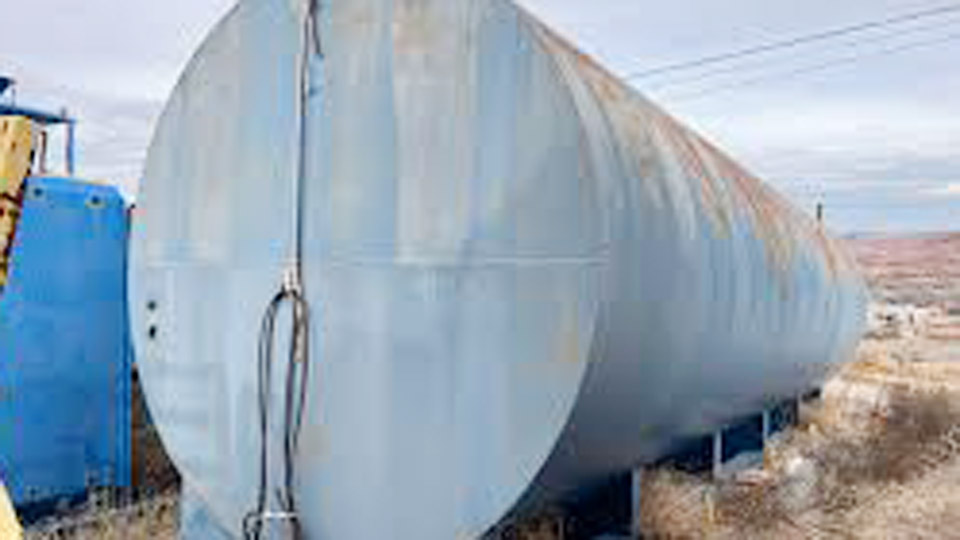
Image by beemanequipmentsales
Why Welding Matters for Water Tank Repairs
Leaks in water tanks aren’t just annoying drips. They waste resources, promote further corrosion, risk contamination, and can lead to structural failure under load. A small pinhole today becomes a split seam tomorrow if ignored.
Welding provides a permanent metallurgical bond that epoxy patches or sealants often can’t match for pressure and longevity, especially on load-bearing areas.
From my experience, the key challenges are safety (emptying and purging the tank), material compatibility (mild steel vs. stainless), distortion control on thin walls (often 1/8″ to 1/4″), and achieving full penetration without burn-through. Get these wrong, and you’ll chase leaks for weeks. Do them right, and your repair outlasts the rest of the tank.
Identifying the Problem: Common Leaks in Water Storage Tanks
Before striking an arc, diagnose properly. Most leaks occur at weld seams, corners, fittings, or pitted areas from corrosion.
What it is: Visible drips, rust streaks, wet spots, or pressure loss. Internal baffles or roof seams fail from flexing or poor original welds.
How it works: Corrosion thins the metal; cyclic loading cracks welds; poor drainage traps moisture.
When and why to use welding: For structural cracks, holes larger than pinholes, or seam failures. Epoxy might buy time on non-critical spots, but welding restores strength.
Practical tips: Drain the tank completely. Pressure test with low air and soapy water to find leaks. Mark everything. Inspect inside for pitting—crawl in if safe with proper confined space procedures. Common on older galvanized or mild steel tanks; stainless resists better but cracks at heat-affected zones if not welded correctly.
Beginner mistake: Welding over rust or without draining—leads to porosity or explosions from residual vapors. Pro tip: Use a mirror or borescope for hard-to-reach spots.
Choosing the Right Welding Process for Tank Repairs
Not every process suits every tank. Material thickness, position, and access dictate the choice.
SMAW (Stick Welding): Great for outdoor or dirty jobs on mild steel. Portable, no gas needed.
MIG (GMAW): Fast deposition on mild steel, good for beginners with spray or short-circuit transfer.
TIG (GTAW): Cleanest for stainless steel, precise control, minimal distortion on thin material. My go-to for potable water tanks.
When to use each: Stick for quick field repairs on thick carbon steel. MIG for production-style patches. TIG for food-grade or stainless where cleanliness and corrosion resistance matter.
Practical insights: On US machines like Miller Bobcat or Lincoln Ranger, SMAW runs well on generators. For stainless, TIG with argon purge prevents sugaring (oxidation) on the back side, which causes future rust.
Material Considerations: Mild Steel vs. Stainless Steel Tanks
Most water tanks are carbon steel (easy to weld, prone to rust) or 304/316 stainless (corrosion-resistant but trickier).
What it is: Base metal chemistry affects filler choice and post-weld treatment.
How it works: Mild steel uses ER70S-6 or E7018; stainless needs 308L or 316L to match corrosion properties.
When and why: Match or overmatch strength and chemistry. Stainless for potable or harsh environments.
Tips: Clean stainless thoroughly—no carbon contamination. Use dedicated tools for stainless to avoid rust. For repairs, bevel edges for penetration. Filler compatibility prevents cracking—I’ve seen 312 rods used for dissimilar but prefer matching.
Common mistake: Using mild steel rod on stainless—leads to rapid failure.
Joint Preparation: The Foundation of a Solid Repair
Garbage in, garbage out. Prep is 70% of success.
What it is: Cleaning, grinding, beveling.
How it works: Removes oxides, contaminants for fusion.
When and why: Always, especially on corroded tanks. Prevents inclusions and lack of fusion.
Step-by-step:
- Drain and ventilate.
- Grind to bright metal, 2-3 inches beyond damage.
- Bevel cracks to 60-70 degrees for full penetration.
- Degrease with acetone (no residues).
- For patches, cut oversized plate, fit tight.
Tips: Use flap discs on angle grinders. For thin walls, avoid overheating during prep. Pros clamp or tack frequently to control fit-up.
Step-by-Step Guide: Welding a Patch Repair on a Steel Water Tank
Here’s a real-world process for a typical bottom or side leak.
Safety first: Confined space permits if entering. Purge flammables. Ground properly. PPE: helmet, gloves, leathers, respirator.
- Locate and isolate: Mark leak, grind out bad metal until clean.
- Cut patch: Mild steel or matching material, rounded corners, overlaps 1-2 inches.
- Fit-up: Tack in place. Check alignment.
- Weld sequence: Root pass, then fill. Alternate sides to control distortion.
- Post-weld: Grind flush if needed, apply coating.
For stainless, back-purge with argon. Test with water after cooling.
SMAW Settings and Techniques for Tank Repairs
Stick welding shines in field conditions.
Electrode choices: E6010 or E6011 for root (deep penetration), E7018 for fill (low hydrogen, strong).
Amperage ranges (approximate for mild steel):
- 3/32″ rod: 40-90 amps
- 1/8″ rod: 75-125 amps
- 5/32″ rod: 110-160 amps
Dial in on your machine—start low, increase for penetration. DCEN or DCEP depending on rod.
Practical tips: Short arc, drag technique for 7018. Whip for 6010. Watch puddle—too hot burns through thin tank walls. Multiple passes better than one big one. Clean slag between passes.
Mistake: Damp rods—causes porosity. Store in oven. Pros run vertical-up on seams for control.
MIG Welding for Faster Tank Patches
MIG is efficient for larger repairs.
Settings: 0.035″ wire, 18-24V, 150-250 amps depending on thickness. 75/25 Ar/CO2 gas.
Tips: Short-circuit for thin material to minimize burn-through. Push or drag gun angle. Travel speed steady. Pulse settings on advanced machines help on stainless.
Comparison: MIG faster than stick but needs wind protection outdoors.
TIG Welding Stainless Steel Tanks
Precision work.
Settings: 1 amp per 0.001″ thickness roughly. For 1/8″ stainless: 80-120 amps, argon 15-20 CFH. 2% thoriated or lanthanated tungsten.
How it works: Foot pedal for heat control. Filler rod dipped as needed.
Why use it: Beautiful beads, no spatter, excellent corrosion resistance if purged.
Tips: Pulse TIG reduces heat input. Back purge until cool. Clean with stainless wire brush.
Pros and Cons of Repair Methods
Welding:
- Pros: Permanent, strong, code-compliant.
- Cons: Requires skill, equipment, downtime for draining.
Epoxy/Putty:
- Pros: Quick, no hot work.
- Cons: Temporary, not structural.
Process Comparison
| Process | Best For | Speed | Skill Level | Cost |
|---|---|---|---|---|
| SMAW | Field, thick steel | Medium | Medium | Low |
| MIG | Production patches | Fast | Low-Medium | Medium |
| TIG | Stainless, precision | Slow | High | Higher |
Common Mistakes and How to Avoid Them
- Welding wet or dirty metal: Porosity city.
- No preheat on thick sections: Cracking.
- Ignoring distortion: Warped tank.
- Poor post-weld cleanup: Corrosion returns.
- Over-amperage on thin walls: Holes.
I’ve made most of these. Learn from them—test welds on scrap first.
Safety Considerations in Tank Welding
Tanks are confined spaces with hazards. Ventilate, test atmosphere, have rescue plan. Fire watch essential. Electrical safety with water around. For potable tanks, ensure materials are food-safe certified.
Testing Your Repair
Hydrostatic test: Fill slowly, check for leaks over 24 hours. Ultrasonic or dye penetrant for critical jobs. Vacuum box on seams.
Preventing Future Leaks
Coat internals with approved liners. Ensure drainage. Inspect annually. Proper original design (baffles, supports) helps.
Real-World Examples from the Shop
Old mild steel farm tank with seam leak. Drained, ground, patched with 1/8″ plate using 7018 at 110 amps. Held for years. Another: Stainless boat tank—cracks at corners. TIG repaired with purge, polished. No recurrence.
Key Takeaways for Successful Tank Repairs
You’ve now got the processes, materials, amperages, and tips to tackle leaks confidently. Match filler to base, prep like your job depends on it, control heat, and test thoroughly. Common mistakes like skipping purge or dirty joints are avoidable with experience.
Always grind out the entire damaged area and surrounding heat-affected zone before patching. Half-measures fail under pressure. Take your time—the tank will thank you with years of leak-free service.
FAQ: Answering Real Welding Questions on Tank Repairs
How do I weld a leak in a stainless steel water tank without distortion?
TIG with low amperage, pulse settings, and staggered tacks. Back purge and clamp heavily. Thin sections need minimal heat input—multiple light passes.
What amperage for stick welding a mild steel tank patch?
Start at 90-110 amps for 1/8″ E7018 on 1/8″-1/4″ material. Adjust for position and feel—watch for good puddle without undercut.
Can I repair a tank without draining it completely?
Not safely for welding. Residual water or vapors are dangerous. Drain, purge, and ventilate. Epoxy for emergencies only.
What’s the best rod for carbon steel water tank seams?
E7018 low-hydrogen for strength and crack resistance. 6010 for root if needed.
How to prevent rust after repairing a steel tank?
Grind smooth, apply rust-inhibiting primer and topcoat inside/out. Consider epoxy lining for long-term protection.


