I’ve learned the hard way that a bad tungsten grind can ruin even the best TIG setup. Early on, I couldn’t figure out why my arc kept wandering or why the bead looked dirty, even when everything else was dialed in. Turns out, it wasn’t my technique — it was the tip.
Once I figured out how to grind tungsten for TIG welding the right way, my arc got tighter, my welds cleaner, and my frustration level dropped fast.
TIG welding is all about precision, and your tungsten tip is where that precision starts. A properly ground point focuses the arc exactly where you want it — no wandering, no contamination, and no wasted heat. Grind it wrong, and you’ll fight the puddle all day.
In this guide, I’ll walk you through the right way to grind tungsten — from choosing the right grinder and grit to shaping and polishing the tip for your amperage and metal type. Stick around, and I’ll show you the simple technique that keeps your arc crisp and your welds looking sharp.
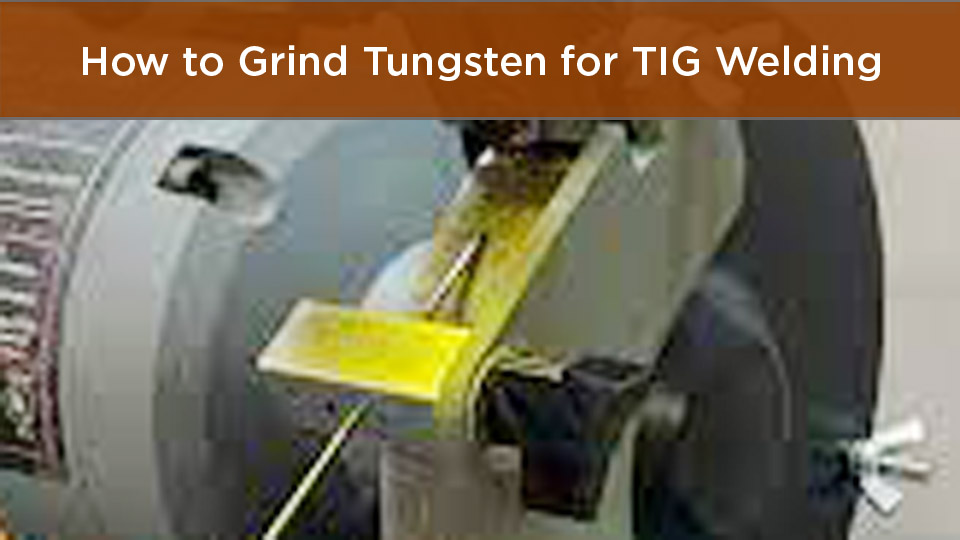
Image by iforgeiron
Why Grinding Your Tungsten Electrode Makes All the Difference in TIG Welding
It’s a sweltering afternoon in my old shop in Texas, and I’m laying down a root pass on some 6061 aluminum for a customer’s boat trailer. My tungsten’s got a funky, rounded tip from yesterday’s abuse, and the arc’s jumping like it’s possessed.
I stop, grab my grinder, and in two minutes flat, I’ve got a fresh point that pulls a tight, focused cone of plasma. Boom—clean puddle, no inclusions. That’s the power of a proper grind.
In TIG, your tungsten is the non-consumable heart of the operation. It focuses the heat, stabilizes the arc, and keeps things precise. But heat and HF start make it degrade fast—tips melt, ball up, or contaminate from touching the puddle.
Grinding reshapes it, removes crud, and sets the geometry for your specific job. For steel or stainless, you want a sharp point for deep penetration; for aluminum, a balled end spreads the heat wider to avoid blow-through.
Why bother beyond quality? Cost savings, for one. A well-ground rod lasts 2-3x longer, stretching your dollar on those $20 packs. And in high-stakes work like pipeline or aerospace fab, it’s non-negotiable for code compliance—think ASME Section IX, where arc stability is king. I’ve seen guys skip it and end up with porosity that fails NDT; don’t be that welder.
Selecting the Best Tungsten Electrode for Your TIG Setup
Before you even fire up the grinder, pick your rod. Not all tungstens are created equal, and matching the type to your material and power source is half the battle. I’ve burned through stacks of the wrong stuff early on, learning the hard way in a noisy fab bay.
Start with diameter: 1/16-inch for thin stuff under 1/8-inch thick, 3/32 for heavier plates. It’s about current draw—thicker rods handle amps better without overheating.
Thoriated Tungsten: The Old-School Workhorse for Steel
Red-banded 2% thoriated is my go-to for DCEN on carbon steel and stainless. It holds a point like a champ, resists arcing out, and gives killer penetration. But heads up—it’s mildly radioactive, so grind with a mask and good ventilation. In my experience, it’s unbeatable for root passes on pipe; the arc stays buttery even at 100 amps.
Pros: Excellent arc starts, long life, easy to sharpen.
Cons: Dust hazard, phasing out in some shops for green alternatives.
Lanthanated and Ceriated: Safer Alternatives for Everyday Fab
Gold (1.5% lanthanated) or gray (ceriated) are the modern MVPs—similar performance to thoriated but without the radium vibe. Lanthanated shines on inverter machines like my Miller Syncrowave; it starts arcs cold and maintains stability across polarities. Ceriated’s great for AC aluminum if you’re pinching pennies.
I’ve switched most of my kit to lanthanated—less dust guilt, and it grinds to a razor edge without splintering. Use it for everything from automotive exhausts to structural beams.
Pros: Versatile AC/DC, low emissions, consistent burn-off.
Cons: Slightly pricier, can ball easier on high amps.
Pure Tungsten: When to Ball It for Aluminum Work
Green pure tungsten is AC-only king for aluminum. Don’t grind it sharp—strike an arc on clean copper and let it self-ball into a dome. That wide arc heats the pudle evenly, dodging the melt-through on soft alloys like 5356 filler.
Pro tip: If it’s contaminated, grind off the tip first, then re-ball. I’ve salvaged dozens this way on trailer repairs.
| Electrode Type | Color Band | Best For | Grind Style | Amp Range (1/16″) |
|---|---|---|---|---|
| 2% Thoriated | Red | Steel/Stainless (DC) | Sharp point | 50-150 |
| 1.5% Lanthanated | Gold | All-purpose AC/DC | Sharp or slight ball | 40-180 |
| Ceriated | Gray | Low-amp AC/DC | Sharp point | 30-120 |
| Pure | Green | Aluminum (AC) | Balled end | 60-140 |
This table’s saved my bacon more times than I can count—laminate it by your bench.
Tools You’ll Need to Grind Tungsten Like a Pro
No fancy diamond setup required to start, but the right tool makes it painless. I’ve jury-rigged plenty in the field, from belt sanders in a buddy’s garage to full Piranha grinders on the job.
A basic bench grinder with a fine silicon carbide wheel (80-120 grit) is your entry point—cheap at Harbor Freight, dedicated to tungsten to dodge contamination. Spin the rod lengthwise against the wheel at a 20-25 degree angle per side.
For portability, an angle grinder with a flap disc or diamond wheel rules on-site work. Chuck the tungsten in a cordless drill, spin it slow, and feed into the disc—keeps marks straight and heat low.
Belt sanders? Game-changer for shops. A 1×30 mini-linisher with ceramic belts gives a hollow grind that’s arc-stable. Just watch for the rod snagging and launching like a missile—I’ve got a scar from that lesson.
Dedicated tungsten grinders like the CK Worldwide or Eastwood models clamp the rod, set angles automatically, and suck up dust. Worth the $50-200 if you’re grinding daily; they ensure repeatable 60-degree included angles every time.
Safety gear: NIOSH respirator (P100 filter for thoriated), gloves, and eye pro. And acetone to wipe the tip post-grind—removes residue that kills starts.
Step-by-Step: How to Grind Tungsten for TIG Welding on Steel
This is for DCEN steel work, where penetration is your goal. Grab a fresh 2% thoriated rod, your bench grinder, and let’s sharpen it up. Takes under a minute once you’re dialed.
First, measure your stick-out. Cut the rod to about 1.5 inches beyond the collet—any longer, and it whips around, ruining stability.
Step 1: Prep the rod. Inspect for bends or discoloration. If it’s contaminated from a bad dip, grind off 1/4 inch first to fresh metal. Clamp one end in a vise or third hand—steady is key.
Step 2: Set your angle. Eyeball 20-25 degrees from perpendicular— that’s about a 60-degree included angle. For finer work like sheet metal, go sharper (15 degrees); thicker plates, blunter (30).
Step 3: Grind lengthwise. Hold the rod parallel to the wheel’s face, light pressure, and slide it from base to tip along the length. Rotate slowly for evenness—marks should run straight like rifle rifling, not circles. Do 10-15 passes per side, dipping in water if it heats up.
Step 4: Check the point. It should look like a pencil tip, twice the diameter long. Test by sighting down it—no flats or hooks. Buff lightly with 220-grit emery if it’s rough.
Step 5: Clean and store. Wipe with acetone, then tuck in a plastic tube. Boom—ready for 100-amp beads on mild steel.
Last job, I ground a batch like this for a bridge repair crew. Their arcs went from flaky to laser-focused, shaving hours off the schedule.
Adjusting for Stainless Steel: Finer Points for Cleaner Welds
Stainless demands a touch more finesse—use lanthanated, grind to 22 degrees for that oxide layer penetration without overheating. Prep joints with a stainless wire brush; pair with ER308 filler. Common fix: If your arc wanders, shorten the point—too long, and it destabilizes.
Prepping Tungsten for Aluminum TIG: The Balling Technique
Aluminum’s a beast—soft, heat-hungry, and unforgiving. Forget sharp points; you need a balled tip for even heat distribution.
Start with pure or lanthanated tungsten. Grind the end flat at 45 degrees if it’s mangled—helps the ball form round.
Step 1: Clean your workpiece. Acetone-wipe a thick aluminum scrap or copper block—no oxides, or it’ll contaminate.
Step 2: Set your machine. AC balance at 70% electrode negative, 120 amps for 1/16 rod. HF start on.
Step 3: Strike and hold. Touch the tungsten to the clean metal, foot the pedal to full amps for 5-10 seconds. It’ll melt into a 1.5x diameter ball—glowy orange, even dome.
Step 4: Cool and inspect. Quench in air; if it’s lopsided, re-ball shorter. For trailers or pots, this spreads heat to avoid warping.
I once balled a tip on-site for an RV repair—guy thought his machine was toast, but it was just a dull end. Saved the day with a scrap plate and my Dynasty 200.
Pro move: For high-amperage boats, chamfer the edge 45 degrees pre-ball; eases ignition.
Common Mistakes When Grinding Tungsten and Quick Fixes
Mistake 1: Circumferential grinding. Those swirl marks snag electrons, causing wander. Fix: Always longitudinal—feed along the axis.
Mistake 2: Contamination crossover. Using the same wheel for steel? Hello, inclusions. Fix: Dedicate a tool or swap wheels; acetone everything.
Mistake 3: Overheating the tip. It turns brittle, splinters mid-weld. Fix: Light touch, wet grind if possible, or pause to cool.
Mistake 4: Wrong angle for the job. Too blunt on thin stuff? Blow-through. Too sharp on thick? Shallow fusion. Fix: Match to material—experiment on scrap.
One time, a trainee ground thoriated crosswise; his bead looked like Swiss cheese. We fixed it with a fresh rod and a demo—lesson learned.
Safety Essentials: Handling Tungsten Dust and Sparks in the Shop
TIG’s clean, but grinding? That’s where the hazards lurk. Thoriated dust carries thorium oxide—low-level alpha emitter, but cumulative in your lungs over years.
Gear up: Full-face respirator with OV/HEPA cartridges, nitrile gloves, and long sleeves. Grind in a booth or under exhaust—I’ve rigged a shop vac hose to my bench grinder for $10.
Sparks fly with dry grinding, so eye pro and fire watch if near flammables. Wet grinders cool and contain dust—ideal for daily use, though messier.
In US shops, OSHA 1910.252 mandates ventilation for grinding; follow it to skip fines. And dispose of stubs as hazmat—don’t toss in regular trash.
Early career, skipped the mask on a hot day. Coughed up gray for a week—never again. Your health’s the real weld that can’t be fixed.
Pro Tips for Machine Settings and Joint Prep with Fresh Tungsten
A sharp tungsten’s only as good as your setup. For steel, balance post-flow at 20%, gas 15-20 CFH argon—pure, no mixes.
Joint prep: Bevel edges 30 degrees, grind to bright metal. Filler? ER70S-6 for mild, match diameter to tungsten.
Settings table for quick ref:
| Material | Polarity | Amps (3/32 Rod) | Gas Flow | Tungsten Angle |
|---|---|---|---|---|
| Mild Steel | DCEN | 120-200 | 15 CFH | 20° per side |
| Stainless | DCEN | 100-150 | 20 CFH | 22° per side |
| Aluminum | AC | 140-220 | 25 CFH | Balled (1.5x dia) |
Tweak based on your Lincoln or Miller—start low, creep up. And always back-purge pipes; I’ve chased pinholes from oxidized inners.
For hobbyists: Practice on water pipe coupons—cheap, mimics real joints.
Advanced Techniques: Fine-Tuning Your Tungsten for Specialty Welds
Once basics click, level up. For orbital TIG on tubes, micro-grind to 15 degrees—laser focus for autogenous welds.
Hollow grinding on a belt sander? Pulls a tighter arc for thin walls; just guide with a drill for consistency.
Contaminated mid-job? Grind in-situ with a Dremel diamond burr—portable lifesaver for fab vans.
I’ve used these on custom chopper frames—zero defects, happy clients.
Wrapping It Up: Sharpen Your Skills and Weld with Confidence
From picking rods to dodging dust, we’ve covered how to grind tungsten for TIG welding inside out. Match your electrode to the metal, grind longitudinal for stability, and prioritize safety like it’s your last pass. You’re now armed to ditch the guesswork, crank out pro-level beads, and save time on rework.
Whether you’re fabbing a gate in the driveway or chasing certs in a union hall, a dialed tungsten builds trust in every puddle.
Go hit the grinder, strike an arc on scrap, and feel that confidence surge. Keep a “tungsten log” in your phone—note angles, amps, and results. It’ll fast-track your tweaks like nothing else. What’s your next project? Drop me a line in the comments—happy welding, friend.
FAQs
How Often Should I Grind My Tungsten Electrode During a TIG Session?
Depends on the job, but inspect every pass. For heavy fab, sharpen every 30-60 minutes or at signs of dulling—arc widening or spitting means time to grind. Light DIY? Once a shift suffices. Always fresh for roots.
Can I Use an Angle Grinder to Sharpen Tungsten for TIG?
Absolutely, it’s portable gold for field work. Pair with a diamond flap disc, spin the rod in a drill at low RPM, and grind lengthwise. Just dedicate the disc to avoid cross-contam—works great up to 1/8-inch rods.
What’s the Best Angle to Grind Tungsten for Different Metals?
For steel and stainless (DC), 20-25 degrees per side (45-60 degree included) for penetration. Aluminum (AC)? Ball it, no angle needed. Experiment: Sharper for sheets, blunter for plates. Eyeball it, but consistency wins.
Is Thoriated Tungsten Safe to Grind in a Home Shop?
Safer with precautions—yes, but ventilate well and mask up for the dust. It’s low-risk in moderation, but if you’re grinding daily, switch to lanthanated. US regs are chill for hobbyists, but treat it like any fine powder.
Why Does My Tungsten Ball Up Unevenly on Aluminum?
Usually contamination or wrong current. Clean the strike plate, bump amps briefly to melt even, and ensure pure argon. If it’s lopsided, grind flat and retry—common on humid days with moisture in the line.