Standing in the shop after finishing a small project, it’s hard not to think about how that same MIG setup could be earning instead of just sitting idle.
With the right approach, a basic machine and some solid skills can turn into real income—that’s why so many people start asking How to Make Money with a MIG Welder once they get comfortable laying decent beads.
In real-world work, MIG welding is one of the easiest processes to turn into paid jobs. It’s fast, versatile, and perfect for everything from small repairs and custom brackets to gates, frames, and even side hustle projects. I’ve seen simple weekend jobs turn into steady work just by focusing on what customers actually need.
That’s why this topic matters. Making money with welding isn’t just about skill—it’s about knowing where the opportunities are and how to price and deliver your work properly.
I’ll walk you through practical ways to start earning, the types of jobs that pay, and how to turn your MIG welder into a reliable income source.
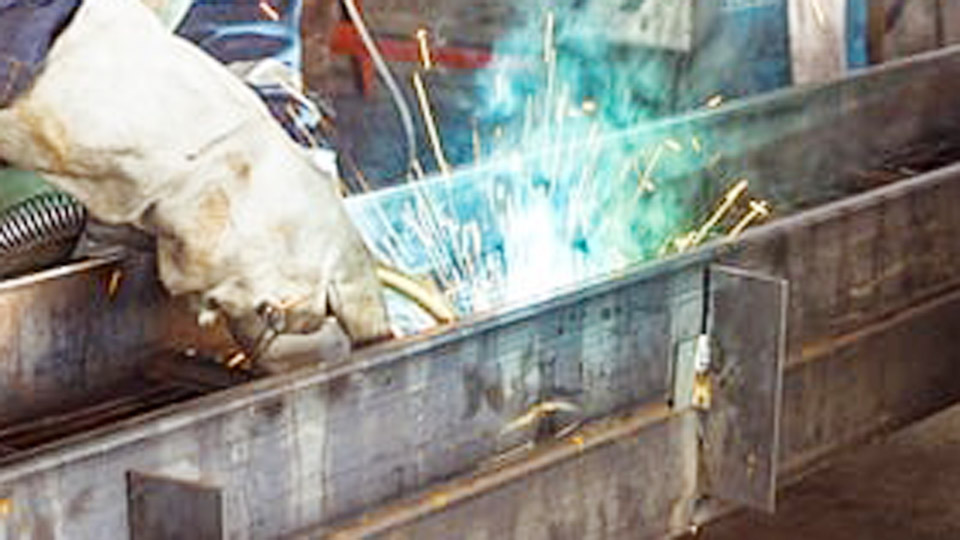
Image by weldingpros
Why MIG Welding Opens Real Earning Opportunities
MIG welding shines for money-making because it’s fast and forgiving compared to TIG or stick for many jobs. You push a button and wire feeds automatically, letting you focus on travel speed and puddle control rather than constantly dipping rods.
In the US, demand stays high for quick repairs and custom fab work. Farmers need bucket fixes, homeowners want gate repairs, automotive enthusiasts seek exhaust or bracket work, and urban folks buy decorative pieces for patios or man caves. You don’t need a huge investment to start.
A decent 140-200 amp MIG machine (like many Lincoln, Miller, or Hobart models common in home shops), a bottle of C25 gas (75% argon/25% CO2), and .030″ or .035″ wire get you going on material from 24 gauge up to 1/4″ or thicker with multiple passes.
The key is matching your capabilities to the job. Overpromising on structural work without proper qualifications risks liability and bad reviews. Stick to non-code jobs at first—repairs, art, furniture, utility items—and build reputation before tackling anything load-bearing.
Repair Work: The Easiest Entry Point for Steady Cash
Repair jobs often become the backbone of side income because people prefer fixing over replacing, especially when parts are expensive or obsolete.
What it involves: Fixing broken metal items like trailer hitches, lawn mower decks, car exhausts, gate hinges, farm implements, or equipment brackets.
How it works: MIG excels here on mild steel. Clean the area thoroughly—grind out cracks, remove rust, grease, and paint. Bevel edges for better penetration on thicker breaks. Tack the pieces securely, then weld with proper settings to avoid distortion.
When and why to use it: Ideal when customers bring you items that would cost hundreds to replace. A quick MIG repair might run $50–$150 depending on complexity and your local rates, with materials costing little. It’s fast turnaround, often same-day.
Practical tips from the shop floor:
Start with .030″ solid wire and C25 gas for most repairs. Voltage around 18–20V and wire speed 200–300 ipm for 1/8″ material (test on scrap first).
Joint prep is 80% of success. Use a flap disc or grinder to bright metal. Dry fit everything.
For thin auto body or exhaust (under 1/16″), drop to .023″ wire, lower voltage (16–18V), and shorter bursts to prevent burn-through.
Common beginner mistake: rushing without clamping. Heat pulls metal out of alignment. Use magnets, clamps, or tack strategically and alternate sides.
Pro mistake I’ve seen: ignoring shielding gas flow. Too low causes porosity; too high creates turbulence. Aim for 15–20 CFH at the gun.
I’ve fixed countless trailer tongues and mower decks this way. One farmer brought a cracked bucket; after grinding a V-groove and running two passes at about 180–200 amps (for .035″ wire on 3/16″ steel), it held better than original. He referred three more customers.
Custom Fabrication and Products You Can Build and Sell
Once comfortable with repairs, shift to creating items you can sell repeatedly or on custom order. This scales better because you control inventory and pricing.
Popular MIG-friendly projects include:
- Fire pits and grills
- Metal furniture like coffee tables, benches, or shelves
- Garden art, sculptures, or wall decor
- Utility carts, dollies, or mobile bases for shop equipment
- Handrails, gates, or railings (non-structural first)
- Custom signs or brackets
What these projects require: Basic design skills, cutting (angle grinder, plasma if possible), bending, and clean MIG welds. Focus on mild steel for easiest results.
How to price and sell: Research local markets or online platforms. A simple fire pit might cost $40–60 in materials and sell for $150–300. Add value with powder coating or paint. Start at local craft fairs, Facebook Marketplace, or Etsy for art pieces.
When to choose this route: When you have consistent shop time and want passive income from repeatable designs. It’s less urgent than repairs but builds a portfolio.
Step-by-step for a basic fire pit (a consistent seller):
- Cut 1/8″ or 3/16″ plate or square tubing for the bowl and legs.
- Tack the ring or bowl sections. Check roundness with a straight edge.
- Weld with .035″ wire, 19–22V, wire speed matched to 150–250 ipm depending on thickness. Push or pull technique— I prefer slight push for flatter beads on flat stock.
- Grind visible welds smooth if decorative, or leave for industrial look.
- Add legs with strong fillet welds.
Amperage and settings guidance (rough starting points for short-circuit MIG on mild steel with .035″ wire and C25 gas):
- 1/16″ (16 gauge): 50–90 amps, lower voltage ~16–18V
- 1/8″ (11 gauge): 90–140 amps, 18–20V
- 3/16″: 140–200 amps, 20–22V
- 1/4″: 180–250+ amps, higher voltage and possibly spray transfer if machine allows
Always test settings on scrap of the same thickness and joint type. Wire speed controls heat input along with voltage. Too much wire speed and you get cold laps or spatter; too little and the arc sounds erratic.
Material compatibility note: Stick to mild steel initially. For stainless, switch to tri-mix gas and appropriate wire. Aluminum needs pure argon and .030″ or .035″ 4043/5356 wire, plus a spool gun for most home machines to prevent feeding issues.
Turning Your Garage into a Small Welding Business
Many welders start part-time and grow. Realistic paths include mobile repair service, overflow work from local fab shops, or building niche products.
Mobile welding: Outfit a truck or trailer with your MIG machine, generator if needed, and tools. Advertise for on-site repairs—fences, railings, equipment fixes. Insurance and basic liability coverage matter here.
Overflow or subcontracting: Contact local fabricators, auto shops, or construction companies. Many need extra hands for simple MIG work without hiring full-time.
Product-based business: Design a few signature items (like heavy-duty welding carts or custom grill grates) and sell online or at markets. One welder I know built utility carts for commercial kitchens and landed repeat orders.
Practical business tips:
Track costs: wire, gas, electricity, grinding discs, and your time. Aim for at least $40–60/hour effective rate after materials.
Build a portfolio with clear photos of before/after repairs and finished projects.
Get feedback on your welds. Clean, consistent beads with good tie-in sell better than pretty but weak ones.
Common mistake: underpricing at first. You might charge $30/hour initially to build reviews, but experienced welders command more once proven.
Safety first: Proper ventilation for MIG fumes, fire extinguisher, leather gloves, jacket, and auto-darkening helmet. One flash burn or fire ruins more than a bad weld.
I’ve seen hobbyists clear a few hundred dollars a weekend on custom tables or art while keeping day jobs. Others transition to full-time by niching down—say, automotive roll cages or farm equipment repairs.
Mastering MIG Settings and Technique for Profitable, Reliable Work
To make real money, your welds must hold without rework. Here’s grounded advice on what matters.
Wire and gas choices:
- .030″ for general purpose—balances thin and thicker material.
- .035″ for heavier fab and repairs—more deposition, better on dirty metal.
- ER70S-6 wire handles mill scale and rust better than S-3.
Joint preparation and fit-up:
- Clean to bright metal.
- Gaps larger than 1/16″ on thin stuff cause burn-through—use backing or close the gap.
- For butt joints on thicker plate, bevel 30–45 degrees for penetration.
Travel speed and gun angle:
- Keep consistent speed. Too slow overheats and warps; too fast lacks fusion.
- 10–15 degree push angle usually gives best shielding and bead shape on flat or horizontal.
Common mistakes and fixes:
Beginners often twist their wrist instead of moving the whole arm, leading to inconsistent beads. Pros sometimes get lazy on prep when busy, causing inclusions or porosity that fails inspection or customer satisfaction.
Another frequent issue: incorrect inductance or trim settings on inverter machines. Listen to the arc—steady frying bacon sound means good settings. Crackling or popping signals adjustment needed.
For vertical or overhead, drop settings slightly and use shorter arc length. Practice on scrap in all positions before charging for work.
Safety Considerations That Protect Your Income
Cuts, burns, and fume exposure shut down your ability to weld. Use proper PPE every time. Weld in well-ventilated areas or with fume extraction. Keep your workspace organized—tripping over cables costs time and risks injury.
When doing repairs, ask about the material. Old farm equipment might have unknown alloys or coatings that produce toxic fumes.
Comparison of Money-Making Approaches with MIG
Repairs
Pros: Quick cash, low material cost, high demand, builds local reputation.
Cons: Inconsistent schedule, requires customer interaction, potential for difficult access jobs.
Best for: Beginners and side hustlers.
Custom Products
Pros: Repeatable designs, can sell online/passively, creative control.
Cons: Upfront material and time investment, marketing needed, storage space.
Best for: Those with design sense and consistent shop time.
Mobile/Service Work
Pros: Higher hourly rates, on-site convenience for customers.
Cons: Vehicle/travel costs, insurance, weather dependency.
Best for: Experienced welders ready to scale.
Subcontracting
Pros: Steady workflow, learn from pros, less marketing.
Cons: Lower margins sometimes, scheduling around others.
Best for: Building skills and network.
Advanced Tips for Scaling Your MIG Income
Once basics click, experiment with pulse MIG if your machine supports it—great for thinner materials with less heat distortion. Learn basic aluminum MIG for boat or trailer work, which often pays premium.
Document your settings for different jobs. Create a simple notebook or phone notes with thickness, wire size, voltage, WFS, and gas flow. This saves time on repeat work.
Network locally. Join welding forums, Facebook groups, or attend maker fairs. Word of mouth drives most small welding businesses.
Real-World Takeaways from Shop Experience
You’ve now got a clear map: start with repairs to hone skills and earn quick wins, then layer in custom builds or service work. Focus relentlessly on clean prep, tested settings, and reliable results. Understand that penetration matters more than cosmetics on structural repairs, while appearance drives sales on furniture or art.
The difference between hobby-level and money-making welding comes down to consistency under pressure. Test everything. Charge fairly for your time and quality. Learn from every bead—good or bad.
Here’s one strong pro-level tip I’d give any welder trying to earn with MIG: always grind a little extra on repairs and run a cover pass if needed. Customers remember work that lasts, not the fastest or cheapest. A weld that fails after a month costs you referrals and future jobs. Do it right the first time, and the money follows.
Final Thoughts
This approach has worked for many welders I’ve known and for me over the years. Put in the hood time, respect the process, and treat every job like it builds your next opportunity. Your MIG welder can become a real income source when you combine solid technique with smart business decisions. Now get out there, practice on scrap, and start turning sparks into dollars.
FAQ
How much can a beginner realistically make with a MIG welder on the side?
Expect $200–$800 per month starting out with weekend repairs or small projects, depending on your area and marketing. Focus on building speed and quality before raising rates. Many hit $1,000–$3,000+ monthly once they have repeat customers or sell products consistently.
What MIG machine is best for starting a money-making side hustle?
A 140–200 amp machine with gas capability handles most home/shop jobs. Look for models that run .023″–.035″ wire reliably. Inverter machines offer better portability and settings flexibility. Avoid the cheapest no-name units—they frustrate with poor arc stability and parts availability.
Do I need welding certifications to make money with MIG?
For non-code repair and decorative fab work, no. Most side hustles and small custom jobs don’t require them. However, if you move into structural, pressure vessels, or code work, get qualified. Start safe and disclose limitations to customers.
What are the biggest mistakes that cost new welders money?
Poor joint prep leading to weak welds and rework. Wrong settings causing excessive spatter (wasted wire and cleanup time). Underestimating time—always quote with buffer. And skipping safety gear, which leads to injuries that halt production.
Can I weld aluminum or stainless with a standard MIG setup to expand services?
Yes, but it requires changes. For aluminum, use 100% argon, a spool gun or push-pull system, and appropriate wire. Stainless needs tri-mix gas and matching wire. Practice first—aluminum flows differently and distorts more easily. These jobs often command higher pay once you master them.