
You don’t really think about removal when you’re applying an adhesive—until something goes wrong. Maybe the alignment was off, maybe excess squeezed out and cured where it shouldn’t, or maybe you just need to redo the repair. That’s when figuring out How to Remove JB Weld Plastic Bonder becomes a real headache instead of a simple cleanup job.
In the shop, I’ve dealt with cured adhesives that felt almost permanent, especially on plastics where too much force can damage the part itself. The trick isn’t just getting it off—it’s doing it without gouging the surface, weakening the material, or making a bigger mess than you started with.
That’s why this topic matters. Knowing the right removal methods can save parts, time, and frustration, whether you’re fixing a mistake or reworking a project. I’ll walk you through practical, safe ways to break down and remove JB Weld Plastic Bonder without ruining the material underneath.
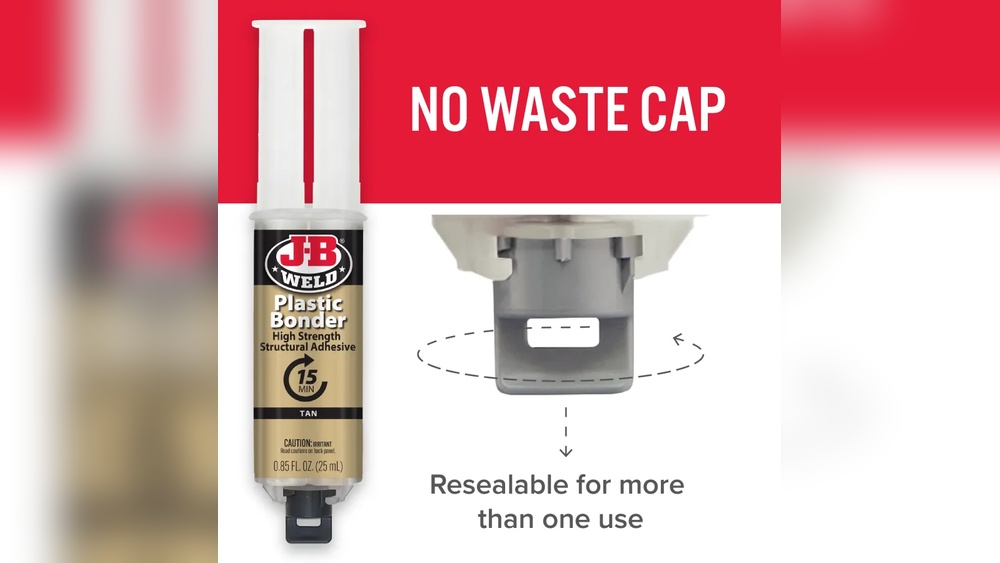
What Is Jb Weld Plastic Bonder?
JB Weld Plastic Bonder is a two-part epoxy adhesive. When you mix the resin and hardener, a chemical reaction happens. This reaction makes the adhesive strong, waterproof, and resistant to most chemicals and heat. It’s popular for car parts, home repairs, and DIY projects. People use it to bond plastic, metal, fiberglass, and more.
Some key properties of JB Weld Plastic Bonder:
- Sets in about 15 minutes, cures in 30 minutes to 1 hour
- Creates a permanent bond
- Resistant to water, oil, gasoline, and many chemicals
- Can be sanded, drilled, or painted after curing
This strength is why removing it is so difficult. The bond isn’t just on the surface—it soaks into tiny cracks and pores, making it “part” of the material.
Reasons You Might Need To Remove Jb Weld Plastic Bonder
There are several situations where you may need to remove JB Weld Plastic Bonder:
- Incorrect Application: Maybe the two parts are misaligned, or you used too much/too little adhesive.
- Surface Damage: The bond may have caused cracks or stress on the plastic or metal.
- Redoing a Repair: You want a neater finish or need to use a different adhesive.
- Changing Parts: In automotive or machinery repair, a bonded part may need replacing.
- Aesthetic Reasons: Excess or spilled epoxy looks messy or prevents parts from fitting.
Whatever the reason, proper removal is important for safety and the success of your project.
Safety Precautions Before Starting
Working with cured epoxy and strong chemicals can be risky. Before you begin, take these safety steps:
- Wear nitrile or latex gloves to protect your skin.
- Use safety goggles to protect your eyes from splinters or chemicals.
- Work in a well-ventilated area to avoid breathing fumes.
- Use a mask if sanding, grinding, or using solvents.
- Protect nearby surfaces with old rags, cardboard, or a drop cloth.
Never mix chemicals or use open flame near flammable solvents. Read all labels and instructions before starting.
Tools And Materials You’ll Need
The right tools make epoxy removal safer and faster. Here are the most common items you’ll need:
- Heat gun or hair dryer
- Razor blade, scraper, or putty knife
- Acetone or isopropyl alcohol (for solvent-based methods)
- Sandpaper (various grits)
- Plastic-safe solvent (if working with sensitive materials)
- Cloths or rags
- Protective gloves and goggles
You may not need everything for every method, but having these on hand gives you options.
Methods For Removing Jb Weld Plastic Bonder
Let’s look at the most effective ways to remove JB Weld Plastic Bonder, step by step. Not every method works for every situation, so choose based on your material (plastic, metal, painted surface) and how much epoxy you need to remove.
1. Mechanical Removal (scraping And Sanding)
Mechanical removal means physically breaking or scraping the epoxy off the surface. This is often the first method people try.
Steps:
- Use a sharp razor blade or plastic scraper to gently lift the edge of the cured epoxy.
- Try to peel or chip away the adhesive. Apply steady, even pressure to avoid gouging the surface.
- If needed, switch to coarse sandpaper (80–120 grit) to sand down stubborn spots. Work slowly and check your progress often.
Tip: For plastic surfaces, use a plastic scraper instead of metal to avoid scratches.
Non-obvious insight: Many beginners press too hard, damaging the underlying material. Go slowly, and let the blade do the work. If you see scratches forming, stop and switch to a softer tool.
2. Heat Application
JB Weld Plastic Bonder softens with heat. Controlled heating can help loosen the bond for easier removal.
Steps:
- Plug in a heat gun or hair dryer. Set to medium heat (avoid highest setting to prevent melting plastic).
- Hold the device 2–3 inches from the epoxy for 1–2 minutes.
- Test the epoxy with a scraper. If it’s softer, gently pry or peel it away.
- Repeat heating and scraping as needed.
Caution: Some plastics warp or melt at lower temperatures. Always test on a hidden area first. Never use an open flame.
Non-obvious insight: Heating works best on thicker epoxy layers. Thin or smeared layers may not soften enough and require sanding or solvents.
3. Solvent-based Removal
Certain solvents can break down the bond of JB Weld Plastic Bonder. However, solvents can damage some plastics, so test first.
Steps:
- Apply a small amount of acetone or isopropyl alcohol to the epoxy with a cloth.
- Let it soak for 10–15 minutes.
- Scrape with a plastic or metal scraper.
- Repeat as needed.
Note: Acetone works well on cured epoxy but may soften or discolor some plastics. Use a plastic-safe solvent if unsure, or apply only to the epoxy (not the surrounding area).
Non-obvious insight: Solvents work slowly. Don’t rush—allow time for the chemical to penetrate. Rushing can lead to surface damage.
4. Combination Method
For tough jobs, combine heat and solvent. This method can loosen even the most stubborn epoxy but requires extra care.
Steps:
- Warm the epoxy with a heat gun or hair dryer for 1–2 minutes.
- Immediately apply solvent while the epoxy is still warm.
- Scrape gently, repeating heating and solvent as needed.
Caution: Always let the surface cool before adding more solvent to avoid dangerous fumes or reactions.
5. Power Tools (for Large Areas Or Metal Surfaces)
If you need to remove epoxy from large, flat areas (like metal panels), power tools may help.
Options:
- Rotary tool with sanding attachment
- Oscillating multi-tool with scraper blade
Use low speed and light pressure to avoid damaging the material. Always wear goggles and a mask.
Non-obvious insight: Power tools create dust—epoxy dust is not safe to breathe. Always work outside or use a vacuum attachment.
Which Method Is Best? (comparison Table)
Here’s a quick comparison of the main removal methods and when to use them:
| Method | Best For | Speed | Surface Risk |
|---|---|---|---|
| Scraping & Sanding | Small areas, thick layers | Medium | Low (if careful) |
| Heat Application | Thick, cured epoxy | Fast | Medium (risk of melting plastic) |
| Solvent-Based | Small spots, edges | Slow | Medium (risk of discoloration) |
| Power Tools | Large, flat metal | Fast | High (risk of scratches) |
| Combination Method | Stubborn epoxy | Medium | High (if careless) |
Choose your method based on your project and material.

Credit: www.reddit.com
What To Do After Removal
Once you’ve removed the JB Weld Plastic Bonder, don’t skip the cleanup. Proper cleaning ensures your surface is ready for repair, painting, or a new adhesive.
1. Clean The Surface
- Wipe the area with isopropyl alcohol or warm soapy water to remove any residue.
- Dry completely with a lint-free cloth.
2. Inspect For Damage
- Check for scratches, gouges, or discoloration.
- Sand lightly with fine-grit sandpaper (220–400 grit) if needed to smooth the area.
3. Surface Preparation (if Re-bonding)
- If you plan to apply JB Weld again, make sure the surface is clean, dry, and slightly rough. Epoxy sticks best to a sanded surface.
4. Disposal Of Waste
- Put used rags, epoxy chips, and solvent containers in a sealed bag.
- Dispose of according to local hazardous waste rules—never pour solvents down the drain.
Common Mistakes And How To Avoid Them
Many people make simple mistakes when trying to remove JB Weld Plastic Bonder. Here’s how to avoid them:
Mistake 1: Using Too Much Force
Prying hard can scratch plastic or bend metal. Always use gentle, steady pressure.
Mistake 2: Skipping Safety Gear
Epoxy dust and solvents can harm your eyes, lungs, and skin. Gloves, goggles, and a mask are not optional.
Mistake 3: Choosing The Wrong Solvent
Not all plastics can handle acetone or alcohol. Always test in a hidden spot.
Mistake 4: Rushing The Process
Each method takes time. Give solvents time to work, and don’t rush scraping or sanding.
Mistake 5: Ignoring Surface Prep
After removal, failing to clean and smooth the area can cause future repairs to fail.

Credit: www.reddit.com
Special Tips For Different Surfaces
JB Weld Plastic Bonder sticks to many materials, but each surface type has its own challenges. Here’s how to handle the most common ones.
Plastic Surfaces
- Use the lowest heat setting and plastic-safe solvents.
- Scrape with a plastic tool to avoid gouges.
- Be extra patient—plastic is easy to damage.
Metal Surfaces
- You can use more heat and stronger solvents.
- Power tools are safe if you control speed and pressure.
- Polish with metal polish after sanding for a clean finish.
Painted Surfaces
- Test all solvents and heat on a hidden spot.
- Try to remove only the epoxy, not the paint.
- Repaint if needed after sanding.
Fiberglass
- Use low heat and gentle solvents.
- Avoid aggressive sanding—fiberglass fibers can fray.
- Finish with a fiberglass-safe polish.
Professional Vs. Diy Removal
Sometimes, removing JB Weld Plastic Bonder is beyond DIY. When should you call a professional?
- If the surface is valuable or historic (rare car parts, antiques).
- If you’re unsure about solvents and possible damage.
- If the bonded area is large or complex (engine blocks, machinery).
Professionals have access to industrial solvents, specialized tools, and experience. DIY is usually fine for small repairs, but don’t risk damage to irreplaceable items.
How Long Does It Take To Remove Jb Weld Plastic Bonder?
Removal time depends on the method and how much epoxy you need to get off. Here’s a general estimate:
| Method | Time Required | Effort Level |
|---|---|---|
| Scraping & Sanding | 15–45 minutes | Moderate |
| Heat Application | 10–30 minutes | Low–Moderate |
| Solvent-Based | 30–60 minutes | Low |
| Power Tools | 5–20 minutes | High |
| Combination Method | 20–50 minutes | High |
These are rough estimates. Thick or old epoxy can take longer, and you may need to repeat steps.
Environmental And Health Considerations
Epoxy removal isn’t just about the surface. Many solvents are harmful to the environment and your health.
- Never pour solvents or epoxy waste down the drain.
- Store chemicals out of reach of children and pets.
- Use a mask or respirator when sanding or working with solvents.
- Dispose of rags and epoxy chips in sealed bags.
If you want more details on safe disposal and environmental effects, see the guidelines from the US EPA.
Practical Examples
Let’s look at two real-world examples to show how these methods work.
Example 1: Removing Jb Weld Plastic Bonder From A Car Bumper
A DIYer used JB Weld Plastic Bonder to attach a trim piece to a car bumper but made a mistake with alignment. The goal: remove the epoxy without damaging the painted plastic.
- He used a hair dryer on low for a few minutes to soften the epoxy.
- A plastic scraper helped peel off most of the adhesive.
- For the thin residue, he dabbed isopropyl alcohol, waited 15 minutes, and gently wiped.
- Final sanding with 400-grit sandpaper restored the surface.
Example 2: Removing Jb Weld Plastic Bonder From A Metal Pipe
An old metal pipe had a leak fixed with JB Weld Plastic Bonder, but the repair failed.
- The user heated the epoxy with a heat gun on medium.
- Used a metal putty knife to scrape off the softened epoxy.
- Any leftover residue was sanded with 120-grit sandpaper.
- The pipe was wiped with acetone and dried before a new repair.
These examples show the importance of patience, the right tools, and adapting your method to the surface.
Frequently Asked Questions
How Do I Know Which Removal Method Is Best For My Project?
Choose based on your surface material and the size of the epoxy spot. For plastic, start with gentle heat and plastic-safe solvents. For metal, you can use more aggressive methods. Always test in a hidden area first.
Can I Dissolve Jb Weld Plastic Bonder Completely?
It’s almost impossible to dissolve cured JB Weld Plastic Bonder fully without damaging the surface. Solvents soften or break the bond but don’t “melt away” the epoxy. Complete removal often needs scraping or sanding.
Is Removing Jb Weld Plastic Bonder Safe For All Plastics?
No, some plastics react badly to heat or solvents. Always check the plastic type and test your method on a hidden spot. If you see warping, discoloration, or softening, stop and try a different method.
Can I Paint Or Glue Over An Area After Removing Jb Weld Plastic Bonder?
Yes, but only if you clean and sand the surface thoroughly. Any residue can prevent paint or adhesive from sticking. Use isopropyl alcohol and fine-grit sandpaper before reapplying paint or glue.
What Should I Do If I Get Jb Weld Plastic Bonder On My Skin?
Wipe off uncured epoxy right away with a paper towel, then wash with soap and water. For cured epoxy, gently scrape off what you can and use a pumice soap. Avoid using solvents on skin—they can cause irritation.
Final Thoughts
Removing JB Weld Plastic Bonder is not a quick or easy job, but with the right steps, you can do it safely and effectively. Start by understanding your surface, pick the right method, and don’t rush. Always use safety gear, and remember that patience protects both your project and your health.
If you’re ever unsure, professional help is a smart investment. With these tips and insights, you’ll be ready for a clean, strong repair—no matter what your next project brings.


