
If you’re looking to TIG weld mild steel, you’re in for a treat. TIG welding, or Tungsten Inert Gas welding, is my favorite way to create clean, strong welds. I’ve been welding for years, and mild steel is one of the most common materials I work with—think car frames, furniture, or even backyard projects.
Setting up your TIG welder the right way is crucial to getting those smooth, professional-looking welds. When I first started, I made plenty of mistakes, like using the wrong settings or skipping prep steps. But now, after countless hours in the shop, I’ve got a system that works every time.
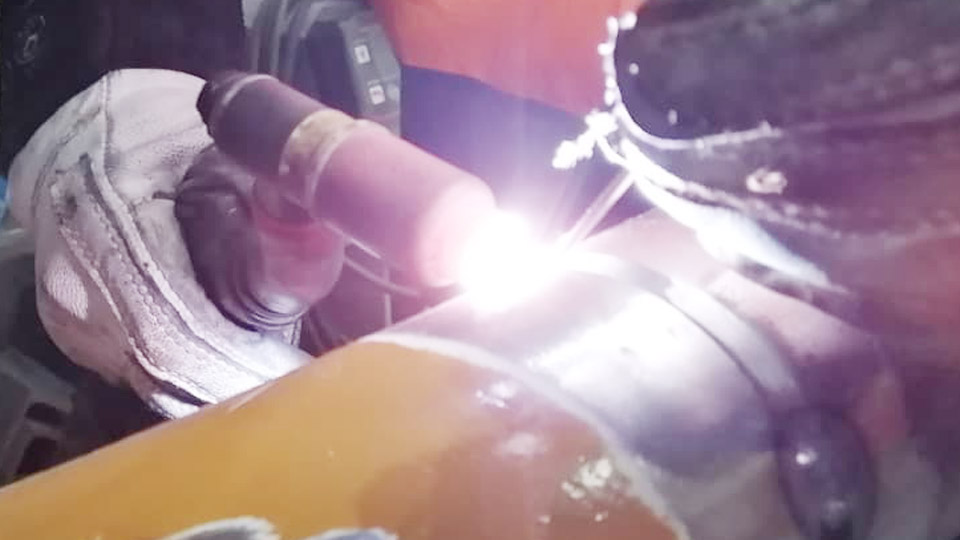
Photo by weldingempire
I’m going to walk you through how I set up my TIG welder for mild steel, step by step. If you’re new to welding or brushing up on skills, I’ll keep it simple and share what I’ve learned.
Why TIG Welding Mild Steel Is Worth the Effort
TIG welding mild steel is like sculpting with metal. It’s precise, clean, and gives you control like no other welding process. Mild steel is affordable and versatile, used in everything from structural beams to custom art.
TIG welding requires a careful setup. If your settings are off, you’ll end up with weak welds or burn-throughs. I learned this the hard way when I ruined a piece of steel by cranking the amps too high.
Setting up your welder properly makes all the difference, and I’m excited to share the process that’s worked for me time and time again.
TIG Welder’s Key Components
Before we get to the setup, let’s talk about the parts of a TIG welder you’ll be working with. When I first got my welder, all the knobs and dials were intimidating. But once I understood the basics, it was like learning to drive a car—second nature. Here’s what you need to know:
Amperage: This controls the heat. Too much, and you’ll melt through the steel. Too little, and your weld won’t stick.
Polarity: This determines how the electricity flows. For mild steel, it’s always DCEN (Direct Current Electrode Negative).
Gas Flow: Argon gas shields the weld from air, preventing defects. You’ll need to set the flow rate just right.
Tungsten Electrode: This is the non-consumable electrode that creates the arc. Its type and size matter a lot.
Filler Rod: This is the metal you add to the weld pool to build the joint.
Each of these needs to be dialed in for mild steel. Let’s break down how I set them up.
Step-by-Step Guide to Setting Up Your TIG Welder
Here’s the exact process I follow every time I set up my TIG welder for mild steel. It’s like a checklist I’ve built from years of trial and error. Follow these steps, and you’ll be ready to weld like a pro.
Step 1: Choose the Right Tungsten Electrode
The tungsten electrode is the heart of your TIG welder. For mild steel, I use a 2% lanthanated tungsten (blue-tipped). It’s versatile and holds a sharp point well.
In the past, I used 2% thoriated (red-tipped), but I switched to lanthanated because it’s non-radioactive and just as effective.
The size of the tungsten depends on the metal thickness. Here’s what I use:
| Metal Thickness | Tungsten Diameter |
|---|---|
| 1/16 inch | 1/16 inch |
| 1/8 inch | 3/32 inch |
| 3/16 inch | 3/32 inch |
| 1/4 inch | 1/8 inch |
I grind the tungsten to a sharp point using a dedicated grinder. A sharp tip gives a focused arc, which is perfect for mild steel. If the tip gets contaminated (like if it touches the weld pool), I stop and regrind it right away.
Step 2: Set the Polarity to DCEN
For mild steel, I always set my welder to DCEN. This focuses the heat on the metal, not the electrode, giving you deep penetration and a stable arc.
I made the mistake once of using AC (which is for aluminum), and the weld was a mess—spattery and weak. Check your welder’s manual to find the polarity switch, and make sure it’s on DCEN before you start.
Step 3: Dial in the Amperage
Amperage is where things get interesting. Too much heat, and you’ll burn a hole in the steel. Too little, and the weld won’t penetrate. My rule of thumb is 1 amp per 0.001 inch of metal thickness. So, for 1/8-inch mild steel (0.125 inches), I start at around 125 amps. Here’s a chart I use as a guide:
| Metal Thickness | Amperage Range |
|---|---|
| 1/16 inch (0.0625″) | 60–80 amps |
| 1/8 inch (0.125″) | 100–140 amps |
| 3/16 inch (0.1875″) | 140–180 amps |
| 1/4 inch (0.25″) | 180–220 amps |
I always start at the lower end of the range and use my foot pedal to adjust as I weld. If I’m working on a thin piece, I’m extra careful to avoid overheating. I set my amps too high on a 1/16-inch sheet and ended up with a hole. I test my settings on a scrap piece first.
Step 4: Set Up Your Argon Gas
Argon is the shielding gas I use for mild steel. It protects the weld pool from air, which can cause porosity (tiny holes in the weld). I set my gas flow to 15–20 cubic feet per hour (CFH). If I’m welding in a drafty shop, I bump it up to 25 CFH to ensure good coverage.
Before striking an arc, I always check that the gas is flowing by holding the torch near my hand to feel the breeze. A good regulator and a full tank are must-haves.
Step 5: Choose the Right Filler Rod
For mild steel, I use ER70S-2 or ER70S-6 filler rods. They’re strong, reliable, and produce clean welds. The rod size depends on the metal thickness. For thin steel (1/16 inch), I use a 1/16-inch rod.
For thicker steel (1/8 inch and up), I go with a 3/32-inch or 1/8-inch rod. I keep my rods clean and store them in a dry place to avoid contamination. When welding, I dip the rod into the weld pool smoothly, making sure it doesn’t touch the tungsten.
Step 6: Prepare Your Mild Steel
Before I weld, I make sure the mild steel is spotless. Mild steel often has mill scale, rust, or oil that can ruin your weld. I use a wire brush or grinder to clean the surface until it’s shiny. For stubborn rust, I might use a chemical cleaner, but I rinse and dry the metal thoroughly afterward.
If I’m welding thick steel (over 1/8 inch), I bevel the edges at about 30 degrees to ensure good penetration. A clean, prepped surface makes your setup work like a charm.
Step 7: Test Your Setup
Before I start on my actual project, I always do a test weld on a scrap piece of mild steel. This lets me check if my amperage, gas flow, and arc are dialed in. If the weld looks clean, with good penetration and no porosity, I’m ready to go.
If it’s off—say, too much spatter or a weak bead—I tweak the amps or gas flow and try again. This step has saved me from ruining good material more times than I can count.
Techniques for TIG Welding Mild Steel
Setting up your welder is only half the battle. How you weld matters just as much. Here are some techniques I’ve honed over the years to make my mild steel welds strong and beautiful.
Keep a Tight Arc
I keep my arc length short—about 1/8 inch or less. A short arc gives me better control and keeps the weld pool tight. If the arc gets too long, the weld spreads out and looks messy. I hold the torch at a 15–20-degree angle and move steadily to maintain that arc length.
Add Filler Rod Smoothly
When adding filler rod, I dip it into the leading edge of the weld pool in a steady rhythm. I’m careful not to touch the tungsten, as that contaminates it and messes up the arc. If I do touch it, I stop, regrind the tungsten, and start again. Patience is key here—it’s like threading a needle.
Control the Heat
Mild steel conducts heat well, so it can get hot fast. I use my foot pedal to lower the amps if the weld pool starts getting too big or the metal glows red. For long welds, I work in short sections and let the metal cool to avoid warping. One time, I overheated a piece and it warped like a potato chip. Now, I’m extra cautious.
Weld in the Right Position
Most of my welds are in the flat position, which is easiest. I need to weld vertically or overhead. For vertical welds, I lower the amps by about 10% and move upward to keep the pool from sagging. Overhead welding is trickier—I drop the amps by 15% and keep my movements quick and smooth.
Common Setup Mistakes and How to Avoid Them
I’ve made plenty of mistakes setting up my TIG welder. Here are the ones I see most often, along with how I avoid them now.
Wrong Polarity
Using AC instead of DCEN is a rookie mistake I made once. The weld was awful—spattery and weak. Now, I double-check the polarity every time I set up for mild steel.
Incorrect Amperage
Setting the amps too high can burn through thin steel. Too low, and the weld won’t penetrate. I always start at the low end of the amperage range and adjust up if needed. Testing on scrap helps me get it right.
Poor Gas Coverage
If your gas flow is too low or the tank is empty, you’ll get porosity in your weld. I check my regulator and feel for gas flow before starting. I also make sure my torch cup isn’t clogged.
Dirty Metal
Welding on dirty steel is a recipe for disaster. I’ve had welds fail because of rust or oil. Now, I spend extra time cleaning the metal to ensure a strong bond.
Helpful Suggestions for TIG Welding Success
Here are some tips I’ve picked up over the years to make your TIG welding setup smoother and your welds better:
Practice on Scrap: I always test my setup on a scrap piece. It’s like a warm-up lap that saves me from mistakes on the real project.
Get a Quality Foot Pedal: A foot pedal lets you adjust amps on the fly. It’s a game-changer for controlling heat.
Keep Your Shop Clean: Dust and debris can contaminate your weld. I sweep my welding area regularly to keep it clean.
Use Good Filler Rods: Cheap rods can lead to weak welds. I stick with ER70S-2 or ER70S-6 for reliable results.
Stay Comfortable: Welding for hours can strain your body. I adjust my chair and table height to stay relaxed and focused.
Conclusion
Setting up a TIG welder for mild steel is like prepping a canvas for a painting—you need the right tools and settings to create something beautiful. I’ve spent years tweaking my setup, learning from mistakes, and perfecting my welds. From choosing the right tungsten to dialing in the amps and gas flow, every step matters.
Follow the process I’ve shared, and you’ll be on your way to strong, clean welds that you can be proud of. Don’t be afraid to experiment, practice, and learn as you go. TIG welding is a craft, and every weld is a chance to get better. Fire up your welder, set it up right, and make something amazing.
Common Questions About Setting Up a TIG Welder for Mild Steel
What’s the best tungsten for mild steel?
I use 2% lanthanated tungsten. It’s versatile, holds a sharp point, and works great for mild steel.
Why do I need DCEN for mild steel?
DCEN focuses the heat on the metal, giving you deep penetration and a stable arc. AC is for aluminum, not steel.
How much argon flow is enough?
I set my argon to 15–20 CFH. If it’s windy, I increase it to 25 CFH to protect the weld.
What happens if I use too many amps?
Too many amps can burn through the steel or cause warping. Start low and adjust up as needed.
How do I know if my metal is clean enough?
The steel should be shiny with no rust, oil, or mill scale. Use a grinder or wire brush to clean it thoroughly.
What filler rod should I use?
I recommend ER70S-2 or ER70S-6. Match the rod size to the metal thickness—1/16 inch for thin steel, 3/32 inch for thicker.


