Welding cast iron can be tricky, especially if you’re using Tungsten Inert Gas (TIG) welding. Cast iron is known for being brittle and challenging to work with because of its high carbon content.
With the right techniques, proper preparation, and patience, TIG welding can be a great way to repair or join cast iron.
Image by 4wdmechanix
I’ve worked on several cast iron welding projects using TIG, and I can tell you that success comes down to a few key things: preheating, choosing the right filler rod, controlling heat input, and proper cooling. If you rush through the process, you might end up with cracks, poor fusion, or a weak weld.
Let’s go through everything you need to know about TIG welding cast iron so you can do it properly and avoid common mistakes.
Cast Iron and Why It’s Difficult to Weld
Cast iron is an alloy made primarily of iron and carbon, with a carbon content ranging from 2% to 4%. The high carbon content makes it hard and brittle, which is why it tends to crack when exposed to rapid heating and cooling.
There are different types of cast iron, including:
- Gray cast iron – The most common type, known for its flake-like graphite structure, which makes it brittle.
- Ductile cast iron – Contains added magnesium, which gives it more flexibility and toughness.
- White cast iron – Very hard but extremely brittle, making it almost impossible to weld.
- Malleable cast iron – Created by heat-treating white cast iron, making it more weldable.
For most welding applications, you’ll likely be working with gray or ductile cast iron. Gray cast iron is the most challenging to weld because it tends to crack easily.
Choosing the Right TIG Welding Setup
When welding cast iron with TIG, your setup will play a significant role in the success of the weld. Here’s what you’ll need:
Tungsten Electrode: Use a pure tungsten (green) or 2% thoriated tungsten (red) electrode for best results. A smaller diameter tungsten (1/16″ to 3/32″) works well for controlled heat input.
Filler Metal: Nickel-based rods like ERNi-CI (pure nickel) or ERNiFe-CI (nickel-iron mix) are ideal. Nickel rods provide ductility and prevent excessive cracking. Stainless steel rods (such as 309L) can also work in some applications.
Shielding Gas: Use pure argon gas at a flow rate of around 15–20 CFH to protect the weld area from contamination.
Power Source Settings: Use DCEN (Direct Current Electrode Negative) with a low amperage setting (typically between 40–100 amps, depending on the thickness of the metal).
Preheating Cast Iron Before Welding
Preheating is one of the most critical steps when welding cast iron. If you skip preheating, you risk thermal shock, which leads to cracking.
- Heat the cast iron slowly and evenly to a temperature between 500°F and 1200°F using an oxy-fuel torch or an oven.
- The thicker the cast iron, the higher the preheat temperature should be.
- Avoid heating too fast—gradual heating prevents stress buildup.
Cleaning the Cast Iron Surface
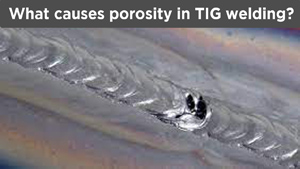
A clean surface is essential for strong welds. Cast iron often contains oil, grease, and dirt that can cause porosity in the weld.
- Use a wire brush or grinder to remove rust, paint, or contaminants.
- If the part is oily, heat it lightly to bring oil to the surface, then wipe it off with acetone or degreaser.
- For heavy contamination, sandblasting can be effective.
TIG Welding Technique for Cast Iron
Now that the piece is prepped and preheated, it’s time to start welding. Here’s how to do it properly:
Use a small bead size: Large weld beads can create excessive heat, increasing the risk of cracking. Apply small beads with short weld passes.
Keep the heat input low: Move at a steady but controlled pace to avoid overheating the cast iron.
Let each bead cool slightly: Allow the weld to solidify before adding another bead, but don’t let the entire piece cool down too much before finishing.
Peen the weld: Lightly tapping the weld with a ball-peen hammer helps reduce stress buildup.
Use a back-stepping technique: This involves welding small sections in the opposite direction of the final weld path to minimize stress and cracking.
Controlling Cooling After Welding
Cooling cast iron properly after welding is just as important as preheating. Rapid cooling can cause cracking, so take your time.
- Slowly reduce the temperature by wrapping the part in an insulating blanket or burying it in dry sand.
- Let it cool for several hours before handling. Ideally, let it cool overnight.
Common Mistakes to Avoid
- Skipping preheat and post-weld cooling – This is the fastest way to cause cracking.
- Using too much heat – Excessive heat can burn out the carbon, making the weld brittle.
- Not cleaning the surface properly – Contaminants can lead to porosity and weak welds.
- Using the wrong filler rod – Nickel rods work best; mild steel rods may not fuse well with cast iron.
- Over-welding – Too much weld metal can introduce unnecessary stress, increasing the risk of cracks.
Alternative Methods for Welding Cast Iron
While TIG welding is a great option, other methods can also be used:
| Welding Method | Pros | Cons |
|---|---|---|
| TIG Welding | Precise control, clean welds, best for small repairs | Slow process, requires skill and proper preparation |
| MIG Welding | Faster than TIG, good for certain cast iron types | Less control, more heat input, higher risk of cracking |
| Stick Welding (SMAW) | Works well with nickel rods, affordable | Higher chance of slag inclusion, rougher welds |
| Brazing | Uses lower heat, prevents cracking | Not as strong as welding, requires clean surface |
Conclusion
TIG welding cast iron takes patience, skill, and careful preparation, but it’s a great way to achieve clean, strong welds.
The key is controlling heat—through preheating, maintaining a steady heat input, and allowing slow cooling. Using the right filler rod, cleaning the metal properly, and avoiding excessive welding will give you the best results.
If you’re new to welding cast iron with TIG, practice on scrap pieces before working on an important project. With experience, you’ll get a feel for how cast iron reacts to heat and how to adjust your technique accordingly.
Frequently Asked Questions
Can you weld cast iron without preheating?
It’s possible, but not recommended. Skipping preheating increases the risk of cracking due to rapid temperature changes.
What is the best filler rod for TIG welding cast iron?
Nickel-based filler rods like ERNi-CI (pure nickel) or ERNiFe-CI (nickel-iron mix) work best because they provide good ductility and reduce cracking.
Can I use stainless steel filler rod for cast iron?
Yes, stainless steel rods (like 309L) can work in some cases, but they don’t provide as much flexibility as nickel-based rods.
How do I know if my cast iron weld is strong?
A good weld will have smooth fusion with no visible cracks. Performing a dye-penetrant test or stress test can help verify weld integrity.
Can I use argon gas for TIG welding cast iron?
Yes, pure argon gas is the best choice for shielding the weld and preventing contamination.
By following these steps and tips, you can successfully TIG weld cast iron and create strong, durable welds that hold up over time.