Welding stainless steel with a stick welder may sound intimidating, but with the right approach, it’s a practical and cost-effective way to tackle home repairs, DIY projects, or even small fabrication jobs. Just like keeping your kitchen sparkling with cleaning tips or using smart stain removal tricks in bathroom cleaning, knowing the right tools, techniques, and preparation makes all the difference. Many beginners wonder if stick welding is strong enough for stainless steel, how to avoid warping, or what type of rods to use.
The good news is that with a bit of practice, stick welding creates durable, clean joints that resist rust and corrosion—much like disinfecting surfaces keeps your home healthier. In this guide, we’ll walk you through the essentials so you can confidently weld stainless steel while ensuring your projects stay strong, neat, and long-lasting.

Image by canadianmetalworking
Why Stick Welding Stainless Steel Matters
Stick welding stainless steel is a game-changer for welders who don’t have access to TIG or MIG machines, which are often pricier and require more setup. SMAW is rugged, portable, and works well in less-than-ideal conditions, like outdoor job sites or rusty workshops.
It’s also a skill that sets you apart—whether you’re a DIYer fixing a boat trailer or a pro tackling industrial repairs. The key is knowing how stainless steel behaves (it’s sensitive to heat) and how to avoid common pitfalls like burn-through or contamination.
In the real world, clean stainless steel welds are critical for applications where strength and corrosion resistance are non-negotiable, like in food processing, marine environments, or chemical plants. A poorly executed weld can lead to cracks, rust, or even catastrophic failure in high-stakes settings. Plus, mastering this lets you save money by using affordable stick welders instead of investing in specialized gear.
What You Need to Stick Weld Stainless Steel
Before you strike an arc, let’s talk gear. You don’t need a high-end machine, but you do need the right setup. A decent stick welder with DC output is ideal because stainless steel rods perform best with DC electrode positive (DCEP).
Most entry-level welders, like a Lincoln Electric or Miller, will do the job for small projects. For rods, you’ll typically use 308L, 316L, or 309L electrodes, depending on the stainless steel grade you’re welding. I’ll break those down later.
You’ll also need:
- A welding helmet with at least a shade 10 lens to protect your eyes from the intense arc.
- Heavy-duty welding gloves and a flame-resistant jacket to avoid burns.
- A wire brush (stainless steel bristles only) to clean the weld area.
- A chipping hammer and slag brush for post-weld cleanup.
- Proper ventilation, especially since stainless steel welding fumes can be hazardous.
Safety tip: Always weld in a well-ventilated area or use a fume extractor. Stainless steel welding produces hexavalent chromium, which isn’t something you want to breathe.
Choosing the Right Welding Rod for Stainless Steel
Picking the right electrode is half the battle. Stainless steel rods are designed to match the base metal’s composition and handle its unique properties, like low thermal conductivity. Here’s a quick rundown of common rods:
308L: Best for welding 304 stainless steel, the most common grade. The “L” means low carbon, which reduces the risk of carbide precipitation (a fancy term for corrosion at the weld).
316L: Used for 316 stainless, often in marine or chemical environments due to its molybdenum content, which boosts corrosion resistance.
309L: Great for joining dissimilar metals, like stainless to mild steel, or when you’re unsure of the stainless grade.
I once tried using a 6013 rod (meant for mild steel) on stainless, thinking it’d be fine. Big mistake—the weld cracked within hours. Stick with stainless-specific rods. They’re pricier but worth it for strong, corrosion-resistant welds.
Rod Size and Amperage Settings
Rod size depends on your material thickness. For thin stainless (1/8 inch or less), a 3/32-inch rod is usually enough. For thicker stock, go with 1/8-inch or 5/32-inch rods. Amperage settings vary, but here’s a rough guide:
| Rod Size | Material Thickness | Amperage Range (DCEP) |
|---|---|---|
| 3/32” | 1/16”–1/8” | 50–80 A |
| 1/8” | 1/8”–1/4” | 80–120 A |
| 5/32” | 1/4” and up | 120–160 A |
Check your rod’s packaging for exact settings, and adjust based on your machine and the weld’s behavior. Too hot, and you’ll burn through; too cold, and the rod will stick.
Preparing Stainless Steel for Welding
Stainless steel is unforgiving if you skip prep work. Its shiny surface hides oils, dirt, or oxides that can ruin your weld. Here’s how I prep in my shop:
- Clean the Surface: Use a stainless steel wire brush or acetone to remove grease, dirt, or rust. Never use a brush that’s touched mild steel—it’ll contaminate the stainless and cause rust spots.
- Bevel Thick Joints: For material over 1/4 inch, bevel the edges to a 60-degree V to ensure good penetration.
- Fit-Up: Ensure tight joint fit-up. Stainless steel doesn’t tolerate gaps well, so clamp pieces securely.
- Tack Weld: Use small, quick tack welds to hold the pieces in place before running your bead.
One time, I rushed prep and welded a stainless exhaust pipe with some leftover grease on it. The weld looked fine but failed a pressure test because of tiny porosities. Lesson learned: never skip cleaning.
Step-by-Step Guide to Stick Welding Stainless Steel
Stick welding stainless steel requires a steady hand and some finesse, but you’ll get the hang of it with practice. Here’s my step-by-step process:
Set Up Your Welder: Switch to DC electrode positive (DCEP). Dial in the amperage based on your rod size and material thickness.
Strike the Arc: Hold the rod at a 10–15-degree angle and tap or scratch it against the workpiece to start the arc. Stainless rods can be sticky, so a quick, confident strike works best.
Run the Bead: Use a slight weave or drag motion, keeping a short arc length (about the rod’s diameter). Move steadily to avoid overheating, which can warp stainless or cause burn-through.
Control Heat Input: Stainless steel conducts heat poorly, so it’s prone to warping. Use skip welding (weld short sections and let them cool) or lower amperage to manage heat.
Clean Up Slag: After each pass, chip off the slag with a chipping hammer and brush the weld with a stainless steel brush.
Inspect the Weld: Look for a smooth, consistent bead with no cracks or porosities. If it looks uneven, adjust your technique or amperage.
Pro tip: If the rod sticks, break it off and start fresh. Forcing it will only make a mess.
Common Mistakes and How to Fix Them
Even seasoned welders mess up sometimes. Here are mistakes I’ve made (or seen) and how to fix them:
Burn-Through: Caused by too much heat on thin material. Lower your amperage or use a smaller rod.
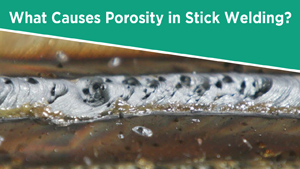
Porosity: Tiny holes in the weld from contamination. Clean the surface thoroughly and check for drafts that might blow away your shielding gas.
Cracking: Often due to improper rod choice or rapid cooling. Use low-carbon rods (like 308L) and let the weld cool gradually.
Sticking Rods: Happens when amperage is too low or your arc is too long. Increase amperage slightly and keep the rod close to the workpiece.
I once burned through a stainless sheet because I cranked the amperage too high, thinking it’d speed things up. It didn’t. Patience and proper settings are your friends.
Machine Settings and Technique Tips
Getting your welder dialed in is critical. Stainless steel is sensitive to heat, so start with the lower end of the amperage range and adjust up if the arc feels weak. For a 1/8-inch 308L rod on 1/4-inch stainless, I’d start at 80 amps and bump it to 90 if the bead looks cold.
Technique-wise, keep your electrode angle consistent and avoid long arcs, which can cause spatter and weak welds. If you’re welding thin material, try a “stitch” technique: weld for a second, pause to let it cool, then weld again. It’s tedious but saves you from warping or burning through.
For multi-pass welds on thicker stock, clean each pass thoroughly before laying the next. Slag left behind can trap impurities and weaken the joint. I learned this the hard way when a multi-pass weld on a stainless tank cracked during testing—slag was the culprit.
Pros and Cons of Stick Welding Stainless Steel
Here’s a quick comparison to help you decide if stick welding is the right choice for your stainless steel project:
| Pros | Cons |
|---|---|
| Affordable equipment | Slower than MIG or TIG |
| Portable for field work | Slag cleanup is time-consuming |
| Works in dirty or windy conditions | Less precise for thin materials |
| No need for shielding gas | Requires skill to avoid defects |
Stick welding shines for repairs or outdoor jobs where TIG or MIG isn’t practical. But for thin stainless or high-volume production, you might want to consider other processes if you have access.
Real-World Applications
Stick welding stainless steel is common in industries like:
- Marine: Repairing boat fittings or propeller shafts.
- Food Processing: Fabricating or fixing stainless equipment that must meet hygiene standards.
- Construction: Building structural components or railings.
- DIY Projects: Crafting custom grills, furniture, or automotive parts.
I once helped a buddy weld a stainless steel exhaust for his hot rod using a stick welder in his driveway. It wasn’t pretty at first, but with 309L rods and some practice, we got a bead that held up under high heat and looked decent.
Safety Considerations
Welding stainless steel isn’t just about the weld—it’s about staying safe. The bright arc can cause eye damage (arc flash), and the fumes are no joke. Always wear a proper helmet, gloves, and a long-sleeve jacket. Use a respirator or fume extractor if you’re welding indoors. And never weld near flammable materials—sparks can travel farther than you think.
I had a close call once when I welded in a poorly ventilated garage. The fumes gave me a headache for hours. Now, I always crack a window or use a fan to keep the air clear.
Conclusion
Stick welding stainless steel is a skill that opens doors for DIYers, hobbyists, and pros alike. With the right rod, clean prep, and controlled technique, you can create strong, corrosion-resistant welds that hold up in tough environments.
Whether you’re fixing a boat, building a custom project, or tackling a job site repair, you’re now equipped to choose the right electrode, set your machine, and avoid common mistakes. The key is patience—stainless steel doesn’t forgive rushed work.
FAQ
What’s the best welding rod for stainless steel?
For most projects, 308L rods are your go-to for welding 304 stainless steel. Use 316L for marine-grade stainless or 309L for dissimilar metals. Always match the rod to your base metal for the best results.
Can you stick weld stainless steel to mild steel?
Yes, but use a 309L rod to handle the different compositions. Clean both surfaces thoroughly, and expect some trial and error to get a strong bond without cracking.
How do I avoid warping when welding stainless steel?
Stainless steel warps easily due to its low thermal conductivity. Use low amperage, skip welding, or stitch welding to control heat input. Clamping the workpiece tightly also helps.
Is stick welding stainless steel safe?
It’s safe if you take precautions. Wear a welding helmet, gloves, and flame-resistant clothing. Use proper ventilation or a fume extractor to avoid inhaling harmful fumes like hexavalent chromium.
Why does my stainless steel weld look dirty?
Dirty welds usually come from poor prep or contamination. Clean the surface with acetone and a stainless steel brush. Avoid using tools that have touched mild steel, and check your rod for proper storage to prevent flux damage.