Some welding rods can be stored on a shelf without issue, but others require careful storage in a specialized oven to stay effective. Just like disinfecting your bathroom or using the right stain removal method to keep fabrics fresh, proper rod storage prevents costly problems before they start.
Low-hydrogen electrodes are especially moisture-sensitive—if they absorb water, the result can be weak welds, cracks, or even complete project failure.
Storing them in a welding rod oven keeps them dry, strong, and ready to deliver clean, reliable welds every time. In this guide, we’ll explain which welding rods need to be kept in an oven, why it’s so important, and how following the right storage practices can protect your tools, improve results, and save you from unnecessary rework.
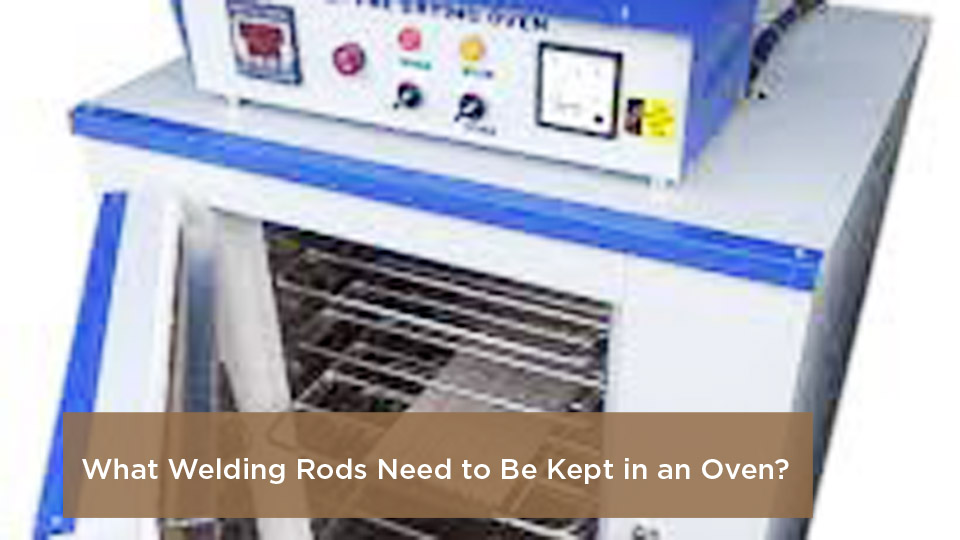
Image by digiqualsystems
Why Do Welding Rods Absorb Moisture Anyway?
You ever notice how your shop feels like a sauna after a rain? That’s the enemy here—humidity sneaking into those rod coatings. See, stick electrodes, or SMAW rods as the eggheads call ’em, have flux coatings that shield the arc and add alloys.
But that flux? It’s like a sponge for H2O. When moisture hitches a ride, it breaks down during the weld, releasing hydrogen gas that embeds in the molten puddle.
Why’s that a big deal? Hydrogen makes steel brittle, leading to delayed cracking—think a day or week later, your weld pops on a trailer frame or pressure vessel. I’ve seen it on a job site in Texas: A crew skipped storage on some 7018s during a heatwave, and we had to grind out 20 feet of pipe.
Cost us hours and a chunk of change. For DIY folks, it’s the difference between a gate that swings smooth and one that fails mid-storm.
The fix starts with understanding your rods. Low-hydrogen types are the drama queens—they’re designed for clean, low-H2 deposits to weld high-strength steels without cracking. Others, like cellulosics, actually need some moisture for that digging arc.
But skip the oven on the wrong ones, and you’re inviting trouble. Keep ’em dry, and your beads stay ductile, strong, and code-ready under AWS D1.1 standards we all chase in the States.
What Are Low Hydrogen Welding Rods and When Do You Need Them?
Low-hydrogen rods—think E7015, E7016, E7018—are the go-to for anyone welding thicker mild steels or low-alloy stuff where strength matters. That “H” in their AWS spec means they’ve got under 0.4% diffusible hydrogen, way less than the 16 mL per 100g that causes headaches. I lean on E7018 for everything from structural fab to boiler repairs; it’s versatile, smooth arc, and forgiving on DC.
When do you pull ’em out? Anytime you’re joining 1/4-inch plate or thicker, especially if it’s quenched and tempered steel. In my fabrication days, we’d spec ’em for bridge girders—OSHA wouldn’t have it any other way. For hobbyists, they’re killer for trailer builds or shop tables, giving that pro-level toughness without fancy preheats.
But here’s the rub: Their coatings are hygroscopic, sucking up moisture faster than a shop rag. Expose ’em to 70% humidity for four hours, and hydrogen levels spike. That’s why pros in humid spots like Florida keep ovens humming.
Me? I learned the hard way on a rainy weekend project—grabbed some damp 7018s for a gate repair, and the weld cracked under a light push. Now, I treat ’em like fine whiskey: Sealed and warm.
Pros: Low cracking risk, great for all-position work, strong on dirty steel. Cons: Picky about storage, needs steady current. Tip: Pair with a 7018 for vertical-up runs—set your machine to 90-110 amps on 3/32-inch rods for that buttery flow.
Which Welding Rods Need to Be Kept in an Oven?
Straight up, not every rod’s a diva. The ones that demand oven time are those low-hydrogen beauties: E7018, E7016, E7028, and their high-strength cousins like E8018 or E9018. If your spec sheet calls for low-H2 processes, these are your must-bake crew. I’ve hauled a rod oven to remote oil field gigs just for these—worth every pound.
Low Hydrogen Rods: The Oven Essentials
These are the stars of the show. E7018, my daily driver, needs 225-300°F holding to keep moisture at bay. Why? Their basic flux coating—lime, iron powder, silicates—absorbs H2O like crazy. In a sealed can, they’re good for months; crack it open, and you’ve got nine hours tops before oven duty if you’re using moisture-resistant “R” versions from Lincoln or Hobart.
Real talk: On a shipyard job in Louisiana, we baked E7018s at 250°F overnight. No cracks, passed UT inspection clean. Skip it, and you’re gambling with hydrogen-induced cracking, especially on HY-80 steels.
Other Rod Types and Their Storage Rules
Not all rods play by the same rules. Cellulosic ones like E6010 or E6011? Keep ’em at room temp—moisture’s their friend for deep penetration on rusty pipe. I’ve run miles of 6010 on pipeline without an oven; just stash in a dry box.
Mild steel general-purpose, say E6013 or E7024? Low-key at 100-150°F if humid. Rutile-coated E7014 falls here too—good for sheet metal fab, but don’t overbake or the arc goes lazy.
Stainless? E308L or E316L want 225-250°F, same as low-H. Hardfacing rods for wear plates? Similar, around 225°F to avoid flux breakdown.
Quick comparison to lock it in:
| Rod Type | Examples | Oven Temp (°F) | Why Oven? |
|---|---|---|---|
| Low Hydrogen | E7018, E7016 | 225-300 | Prevent H2 cracking |
| Cellulosic | E6010, E6011 | None (room) | Moisture aids penetration |
| General Purpose | E6013, E7024 | 100-150 | Mild protection |
| Stainless | E308L | 225-250 | Maintain coating integrity |
This setup’s saved my bacon on mixed jobs—grab the wrong storage, and your bead’s toast.
How Does Moisture Ruin Your Welds?
Moisture in the flux vaporizes at arc temps, splitting into hydrogen that diffuses into the weld metal. Cooling down, it traps like bubbles in concrete, causing porosity—tiny holes that weaken everything. Worse, in high-carbon steels, it leads to cold cracking: Invisible at first, then snap under stress.
I fixed a buddy’s DIY trailer last summer—damp rods left pinholes galore. We ground it out, rebaked, and rewelded. Lesson? For pros under ASME Section IX, it’s a fail; for you at home, it’s a warped frame waiting to happen. Cost efficiency? Bad storage means scrapped parts and downtime. Keep it dry, and you’re golden—stronger joints, fewer callbacks.
Practical know-how: Test your rods with a quick strike—if the arc’s erratic or slag’s foamy, moisture’s the culprit. Always prep joints clean; grind to bright metal for best compatibility.
Proper Rod Storage: Step-by-Step for Your Shop
Storage ain’t rocket science, but skip steps and pay later. Here’s how I do it in my cluttered garage-turned-fab shop.
Unopened Cans First: Leave ’em sealed in a dry spot—under 60% humidity, away from concrete floors. Stack pallets off the ground; I’ve lost batches to basement floods.
Open and Transfer: Crack the can, portion into your oven or hermetic tubes. For small runs, those plastic rod guards with desiccant packs work wonders—cheap insurance for hobbyists.
Oven Loading: Spread rods single-layer for even heat. Fire it to spec—250°F for 7018s—and let ’em hold. Pro tip: Label your oven door with rod types; nothing worse than mixing 6010s in there.
Out-of-Oven Time: Limit exposure to four hours max. I use a timer on my belt—vibrate reminds me to restash.
Daily Routine: At day’s end, rebake if needed. For mobile work, portable ovens like the old Forney models plug into 110V—perfect for field repairs.
Machine settings tie in: For fresh 7018s, dial 100 amps on DCEP for 1/8-inch rods. Prep work? Bevel edges 30 degrees, tack solid. This combo’s my go-to for T-joints that take abuse.
Common mistake: Overcrowding the oven. Airflow suffers, rods cook uneven. Fix: Rotate batches, check with a thermometer probe.
Rod Oven Temperature Guidelines: Don’t Guess
Temps are non-negotiable—too low, moisture lingers; too high, flux cracks. Base it on AWS A5.1: Low-H at 225-300°F holding, 500-800°F redry.
For my setup, a basic 10-lb oven hums at 250°F steady. Bigger shops? Thermostatically controlled units from ESAB hit precise marks. Anecdote: Early on, I baked at 200°F thinking it’d save power—cracks galore. Upped to 275°F, problem solved.
Guidelines by type:
- Holding (Daily Storage): Low-H 225-300°F; others 100-150°F or ambient.
- Redrying (If Damp): Low-H 650-750°F for 1-2 hours; stainless 500-600°F.
Monitor with a dial gauge—fluctuations kill consistency. For students, start low; pros, calibrate monthly.
Step-by-Step Guide to Redrying Wet Rods
Grabbed rods from a leaky toolbox? Don’t panic—redry ’em right.
- Assess Damage: If soaked, pre-dry at 200°F for an hour to sweat out water gently.
- Prep Oven: Preheat to spec—say 700°F for E7018. Spread rods flat, no stacking.
- Bake Time: 1-2 hours, depending on exposure. I set a kitchen timer; overdo it, and coatings flake.
- Cool and Store: Let ’em hit holding temp in the oven, then transfer to sealed cans.
- Test Run: Weld a scrap coupon—check for clean arc, no pops.
I’ve salvaged batches this way on rainy site days—turned potential scrap into solid filler. Mistake: Baking cellulosics hot; they lose arc force. Fix: Room-dry only.
Joint prep reminder: For redried rods, use a slight weave to build heat, avoiding cold laps.
Common Mistakes in Rod Storage and How to Fix Them
We’ve all been there—rookie errors that bite back.
Mistake 1: Skipping the Oven for “Quick Jobs”
Out four hours on 7018s? That hydrogen creep starts at hour one. Fix: Batch small—grab just what you need, restash pronto. My fix? A pocket rod warmer for field work.
Mistake 2: Mixing Rod Types
Throwing 6010s with 7018s? Moisture migrates, ruining low-H. Fix: Dedicated ovens or zones. I label bins like a maniac now.
Mistake 3: Home Oven Hacks
Heard the myth? Don’t—grease from dinner lingers, contaminates flux. Plus, fire risk. Fix: Invest in a $100 rod oven; pays off in one good weld.
Mistake 4: Ignoring Humidity
Shop at 80% RH? Rods drink it up. Fix: Dehumidifier in the rod cabinet—$50 unit changed my game.
Anecdote: Trainee once freezed old rods—total bunk. Arc went wild, slag everywhere. Laughed it off, but baked ’em proper next.
Choosing the Right Rod Oven for Your Needs
New to ovens? Start simple. For DIY/garage: 5-10 lb capacity, 110V plug-in like the basic B&P models—$80-150, holds steady at 250°F.
Hobby fab? 20-lb with thermostat, stackable for space. Pros/students: 50-lb beasts with digital readouts, multi-zone for rod mixing.
What to look for: Even heat, sealed door, safety shutoff. I upgraded from a DIY bulb-in-fridge (sketchy!) to a proper one—night and day.
Budget tip: Used on eBay, but test temps. For mobile, battery-powered minis exist, but stick to plug-ins for reliability.
Real-World Applications: Rod Storage on the Job
In US shops, it’s all about codes. AWS D1.1 mandates low-H for structural steel—ovens are table stakes. Pipeline crews bake E8018 for sour service; no moisture means no sulfide cracks.
DIY example: Building a workbench? 7018 from oven gives bombproof legs. Pro: Repairing a Caterpillar dozer arm—stored right, no downtime cracks.
Settings: For 1/4-inch mild steel, 120 amps, 3/16 travel speed. Prep: V-groove 60 degrees, 1/16 land.
Advanced Tips for Machine Settings and Filler Compatibility
Dialing in? Match rod to base metal—E7018 shines on A36 steel. Amperage: 70-140A for 3/32-5/32 inch. Voltage auto-adjusts on inverters like Miller Trailblazer.
Compatibility: Avoid mixing fluxes; 7018 on galvanized? Clean first or porosity city. Tip: Preheat thick joints 150°F—pairs perfect with oven-fresh rods.
I’ve tweaked settings mid-job: Dropped amps 10 for less spatter on verticals. Experiment on scrap—your welds thank you.
Wrapping It Up: Bake Smart, Weld Strong
There you have it— from why what welding rods need to be kept in an oven down to the gritty fixes. Low-hydrogen like E7018 demand 225-300°F to fend off moisture and cracking; others chill at room temp or low heat.
Store smart, redry right, and your welds gain that unbeatable integrity—safer jobs, tougher builds, fewer do-overs. You’re now geared to pick the right rod, stash it proper, and strike arcs that last. Head to the bench with confidence; that next project won’t know what hit it.
Always weld a test coupon after storage changes—quick bend test tells if your setup’s solid. Keeps you ahead of the curve.
FAQ’s
Can I Use a Regular Kitchen Oven for Welding Rods?
No way—grease and food smells contaminate the flux, and temps swing wild. Grab a dedicated rod oven; it’s a small shop investment for big weld wins.
How Long Can Low Hydrogen Rods Stay Out of the Oven?
Up to four hours for standard E7018, nine for moisture-resistant “R” types. Set a timer; better safe than grinding out cracks later.
What If My Rods Get Wet—Can I Salvage Them?
Absolutely, redry at 650-750°F for 1-2 hours, but only once. If coatings flake, toss ’em—don’t risk brittle welds on that critical repair.
Do All Welding Rods Need an Oven, or Just Certain Types?
Just low-hydrogen ones like 7018 for serious strength work. Cellulosics like 6010? Room temp’s fine—they thrive on a bit of damp.
What’s the Best Temperature for Storing E7018 Rods?
Aim 250°F steady—hot enough to block moisture, cool enough not to degrade flux. Check your oven’s dial; consistency’s king.